
The Dayton Audio HTA100 is a compelling piece of audio equipment that often sparks curiosity, particularly regarding its eponymous “tubes.” As a hybrid integrated amplifier, the HTA100 combines the best of both worlds: the warmth and musicality often associated with vacuum tube preamplification and the power and reliability of a solid-state output stage. Understanding the role and characteristics of its tubes is key to appreciating its unique sonic signature and technical prowess.
Understanding the Dayton Audio HTA100 Hybrid Amplifier
Before delving specifically into the tubes, it’s essential to frame them within the context of the Dayton Audio HTA100 itself. This amplifier stands out in the crowded audio market for its value proposition, offering a robust feature set and a distinctive sound profile at an accessible price point. The “HTA” in its name signifies “Hybrid Tube Amplifier,” immediately telegraphing its core design philosophy.
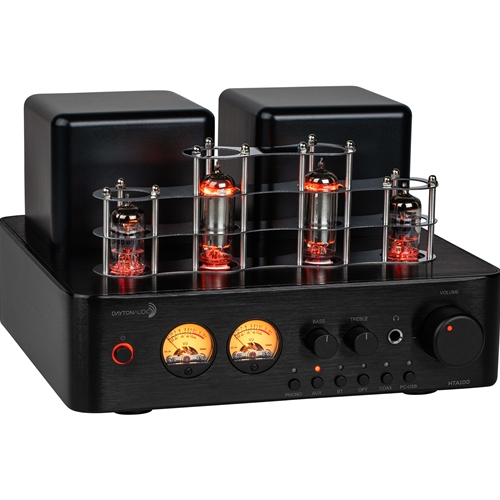
A hybrid amplifier typically utilizes vacuum tubes in its preamplifier stage to process the delicate low-level audio signals, imbuing them with the characteristic “tube sound” before handing them off to a solid-state power amplifier stage. This solid-state stage then takes the signal and amplifies it to a level sufficient to drive loudspeakers with efficiency and robust power output. This architecture is a deliberate design choice, aiming to harness the desirable sonic qualities of tubes—such as harmonic richness, natural dynamics, and a wide soundstage—without the higher power consumption, heat generation, and maintenance demands often associated with full tube power amplifiers. The HTA100 delivers 50 watts per channel into 8 ohms, making it suitable for a wide range of bookshelf and floorstanding speakers, and also features a dedicated headphone amplifier, Bluetooth connectivity, and a phono input, making it a versatile hub for modern and traditional audio sources.
The Heart of the Hybrid: Preamp Tubes Explained
The “tubes” in the Dayton Audio HTA100 refer specifically to its preamplifier vacuum tubes. These are not power tubes responsible for the final output wattage, but rather small signal tubes that handle the initial amplification and shaping of the audio signal. The HTA100 typically employs two dual-triode tubes, often models like the 6N1P or 6N2P, though specific factory implementations can vary slightly.
The Role of Preamp Tubes in Hybrid Design
In a hybrid amplifier like the HTA100, the preamp tubes serve several critical functions:
- Signal Amplification: They are responsible for the initial voltage amplification of the incoming audio signal from sources like a CD player, DAC, or turntable.
- Signal Buffering: Tubes can act as excellent buffers, isolating the input stage from subsequent stages and preventing impedance mismatches that could degrade sound quality.
- Sonic Coloring/Shaping: This is arguably the most significant contribution of the tubes in a hybrid design. Vacuum tubes inherently generate a different type of harmonic distortion compared to solid-state devices. While “distortion” often carries negative connotations, the even-order harmonics produced by tubes are often perceived as pleasant, adding warmth, richness, and a sense of dimensionality to the sound. This is the essence of the revered “tube sound.”
- Low-Level Detail Retrieval: Many audiophiles find that tubes excel at reproducing subtle sonic details and nuances, contributing to a more engaging and lifelike listening experience.
Common Tube Types in the HTA100 and Their Characteristics
The HTA100 typically uses miniature nine-pin dual triode tubes. The most common examples, the 6N1P and 6N2P, are often found in Eastern European and Russian audio equipment and are variants of popular Western tubes.
- 6N1P: This tube is a medium-gain, low-noise dual triode. It’s known for its robust construction, long lifespan, and relatively linear response. In audio circuits, it often contributes to a balanced, smooth, and slightly warm sound signature, without excessive coloration. Its characteristics make it well-suited for input or driver stages where clarity and good signal-to-noise ratio are important. The 6N1P generally requires a higher heater current than some common alternatives like the 12AX7, which is a design consideration for the amplifier’s power supply.
- 6N2P: This tube is a high-gain dual triode, often considered a direct equivalent or close substitute for the widely known 12AX7 in terms of gain characteristics. Like the 12AX7, the 6N2P is prized for its ability to provide significant voltage amplification, making it ideal for phono preamps or input stages where a stronger signal is desired. It can impart a more pronounced “tube sound,” characterized by a slightly softer transient response, enhanced harmonic richness, and a more expansive soundstage. However, with higher gain often comes a higher susceptibility to microphonics (mechanical vibrations being picked up and amplified) and potentially more noise if not properly implemented.
The choice between these tubes (or other compatible alternatives) by Dayton Audio dictates a significant portion of the HTA100’s inherent sonic character. Manufacturers often select tubes based on a balance of performance, availability, cost, and the desired sound profile for their product.
Sonic Signature: How Tubes Shape the Sound
The presence of vacuum tubes in the HTA100’s preamplifier stage is not merely a cosmetic choice; it profoundly influences the amplifier’s sonic signature, setting it apart from purely solid-state designs.
The “Tube Sound” in a Hybrid System
The characteristic “tube sound” imparted by the HTA100’s tubes manifests in several key ways:
- Warmth and Organic Tones: Tubes tend to introduce a subtle warmth and richness to the sound, making instruments and vocals sound more natural and less “clinical” or “sterile.” This is often attributed to the aforementioned even-order harmonic distortion, which is perceived as musical and pleasant.
- Enhanced Midrange Presence: Many listeners report a more engaging and forward midrange with tube amplification. Vocals, guitars, and other instruments residing in the midrange often gain a captivating presence and body.
- Spacious Soundstage: Tubes can contribute to a more expansive and three-dimensional soundstage, allowing instruments to occupy distinct spaces within the stereo image, creating a greater sense of depth and air.
- Natural Dynamics and Transients: While solid-state amplifiers often excel at precise, fast transients, tubes can present dynamics with a slightly softer, more natural roll-off, leading to a less fatiguing listening experience, especially over long periods. Attacks on instruments like drums or plucked strings might have a more organic feel.
- Musicality over Absolute Precision: The tube sound prioritizes musicality and emotional engagement. While some ultra-high-end solid-state amplifiers might offer theoretically superior measurements in terms of distortion or signal-to-noise ratio, the HTA100’s tubes are designed to enhance the enjoyment of music, often forgiving less-than-perfect recordings with their natural sonic character.

Synergy with Solid-State Power
The brilliance of the hybrid design lies in the synergy between the tube preamp and the solid-state power amp.
- Tube Preamp Benefits: The tubes provide the desired sonic warmth, harmonic richness, and expansive soundstage at the crucial low-level signal stage.
- Solid-State Power Amp Benefits: The solid-state output stage then takes this “tubey” signal and amplifies it with efficiency, controlled bass, and robust power. This means the HTA100 can drive a wider range of speakers with authority, maintaining a tight low-end and good dynamic headroom, something often challenging for full tube power amplifiers without significant cost and complexity. The solid-state stage also offers superior reliability and lower maintenance compared to tube power sections.
This combination offers a balanced sound profile: the engaging, musical quality of tubes without sacrificing the power, control, and practical advantages of solid-state amplification.
Maintaining Your Tubes: Longevity and Performance
While the tubes in the HTA100 are signal tubes and not power tubes, they still have a finite lifespan and their performance can degrade over time. Understanding basic maintenance and replacement can ensure your amplifier continues to sound its best.
When to Replace Your Tubes
Unlike power tubes which often wear out more rapidly due to higher stresses, preamp tubes in an integrated amplifier like the HTA100 can last for thousands of hours—often several years of regular use. However, they will eventually degrade. Signs that your tubes might need replacement include:
- Reduced Clarity or Dullness: A noticeable loss of detail, sparkle, or overall liveliness in the sound.
- Increased Noise: Hiss, hum, or crackling sounds that weren’t previously present, especially noticeable at lower volumes.
- Microphonics: Tapping on the chassis or the tubes themselves produces a ringing or pinging sound through the speakers (only do this very gently with the amplifier on, but at a low volume).
- Channel Imbalance: One channel sounding weaker or different than the other.
- Visible Deterioration: While rare for preamp tubes, extreme discoloration of the glass or internal components can be a sign.
It’s generally a good idea to consider replacing preamp tubes every 3-5 years with moderate to heavy use, even if no obvious issues are present, just to refresh the sound and ensure optimal performance.
Tube Rolling: Customizing Your Sound
One of the most exciting aspects of owning a tube-based amplifier is the ability to “tube roll.” This refers to the practice of experimenting with different brands and types of compatible tubes to subtly alter the amplifier’s sound. Since the HTA100 uses common nine-pin dual triodes, there’s a relatively wide selection of new production and “new old stock” (NOS) tubes available.
- Impact on Sound: Different tubes, even those of the same designation (e.g., different brands of 6N1P), can have slightly different sonic characteristics. Some might offer more warmth, others more detail, some a wider soundstage, and others a tighter bass.
- Experimentation: Tube rolling allows you to fine-tune the amplifier’s sound to your personal preferences, your speakers, and your listening room. It’s a relatively inexpensive way to significantly modify the amplifier’s character without replacing the entire unit.
- Caution: Always ensure any replacement tubes are direct functional equivalents and compatible with the amplifier’s specifications. Consult the amplifier’s manual or a knowledgeable expert before experimenting with different tube types. Always turn off and unplug the amplifier, and allow tubes to cool down, before attempting to replace them.
Best Practices for Tube Longevity
To maximize the lifespan and consistent performance of your HTA100’s tubes:
- Ventilation: Ensure the amplifier has adequate ventilation. Tubes generate heat, and excessive heat can shorten their lifespan.
- Gentle Handling: Avoid excessive physical shocks or vibrations to the amplifier, as tubes are delicate glass components.
- Power Cycling: Avoid frequent on/off cycles. While not as critical for preamp tubes as for power tubes, constant thermal cycling can contribute to wear. If you’re going to listen again within an hour or two, leaving it on might be preferable to turning it off and on again.
- Cleanliness: Keep the amplifier and tubes free of dust. Dust can act as an insulator, trapping heat.

Demystifying Tube Technology for the Modern Audiophile
The enduring appeal of vacuum tubes in modern audio, even with the advancements in solid-state technology, speaks to their unique sonic qualities. The Dayton Audio HTA100 embodies a pragmatic approach to tube integration, providing the much-sought-after “tube magic” without the common complexities or compromises.
For the modern audiophile, understanding the HTA100’s tubes isn’t about being an electronics expert, but about appreciating a deliberate design choice that enhances the listening experience. The tubes are not just components; they are key contributors to the amplifier’s character, providing the warmth, richness, and engaging musicality that define the HTA100 as a standout hybrid amplifier. Whether you’re drawn to its aesthetics or its sound, the tubes are an integral part of what makes the Dayton Audio HTA100 a truly special piece of gear for many. They offer a tangible, albeit subtle, connection to the rich history of audio amplification, while seamlessly integrating into a contemporary, versatile package.
aViewFromTheCave is a participant in the Amazon Services LLC Associates Program, an affiliate advertising program designed to provide a means for sites to earn advertising fees by advertising and linking to Amazon.com. Amazon, the Amazon logo, AmazonSupply, and the AmazonSupply logo are trademarks of Amazon.com, Inc. or its affiliates. As an Amazon Associate we earn affiliate commissions from qualifying purchases.