
For any prospective homeowner or real estate investor, the question “What are the current mortgage interest rates?” is more than a simple inquiry; it is a fundamental pillar of financial planning. Mortgage rates dictate the monthly cost of housing, the total interest paid over the life of a loan, and the overall accessibility of the American dream. In the current economic climate, characterized by fluctuating inflation and shifting central bank policies, understanding these rates requires a deep dive into the mechanics of the financial markets.
In this guide, we will analyze the current landscape of mortgage interest rates, the macroeconomic factors driving them, and the personal financial strategies you can employ to secure the best possible terms for your home loan.
Understanding the Landscape of Current Mortgage Interest Rates
Mortgage rates do not exist in a vacuum. They are the result of a complex interplay between government policy, investor sentiment, and global economic health. While most consumers look at the final number offered by a lender, that number is the culmination of several layers of financial data.
The Role of the Federal Reserve and the 10-Year Treasury Yield
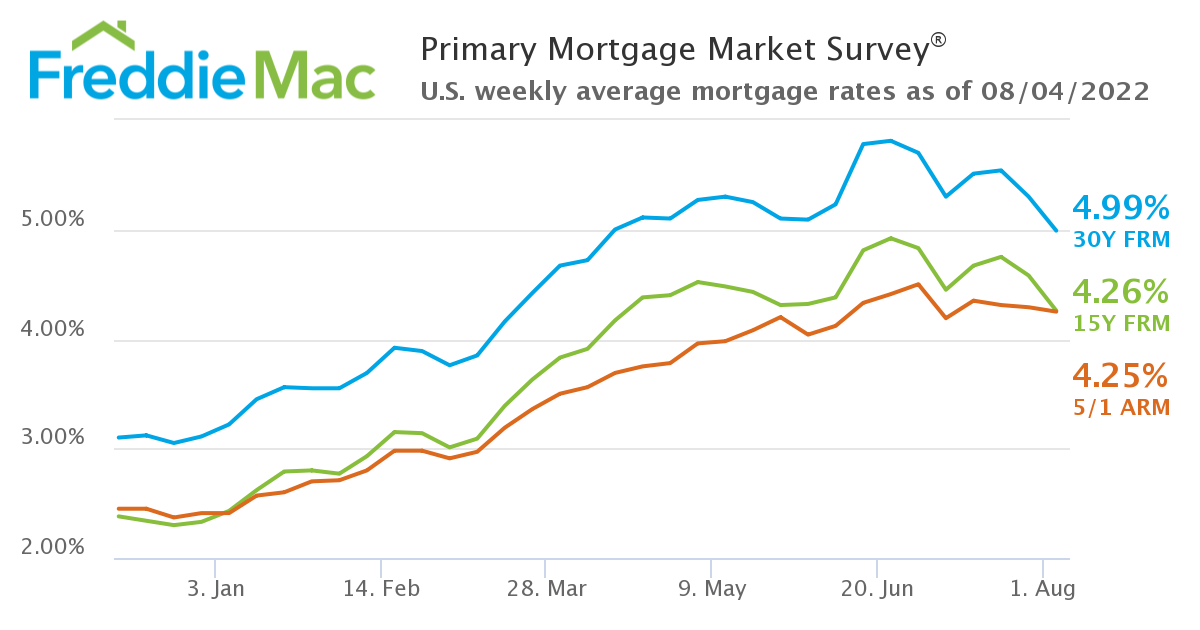
One of the most common misconceptions is that the Federal Reserve sets mortgage rates. In reality, the Fed sets the “Federal Funds Rate,” which is the interest rate banks charge each other for overnight loans. However, mortgage rates—particularly the 30-year fixed-rate mortgage—track closely with the 10-year Treasury yield. When investors are concerned about inflation, they demand higher yields on government bonds, which in turn pushes mortgage rates higher. Conversely, when the economy slows down, yields often drop, leading to a cooling of mortgage rates.
Fixed-Rate vs. Adjustable-Rate Mortgages (ARM)
In a high-rate environment, the distinction between fixed and adjustable rates becomes critical. A fixed-rate mortgage offers stability, locking in a specific interest rate for 15 or 30 years. Currently, many buyers are opting for fixed rates to hedge against future volatility. On the other hand, Adjustable-Rate Mortgages (ARMs) typically offer a lower introductory rate for a set period (such as five or seven years) before adjusting based on market conditions. For those who plan to move or refinance within a few years, an ARM can be a strategic financial tool to lower initial monthly payments.
Historical Context: Where We Stand Today
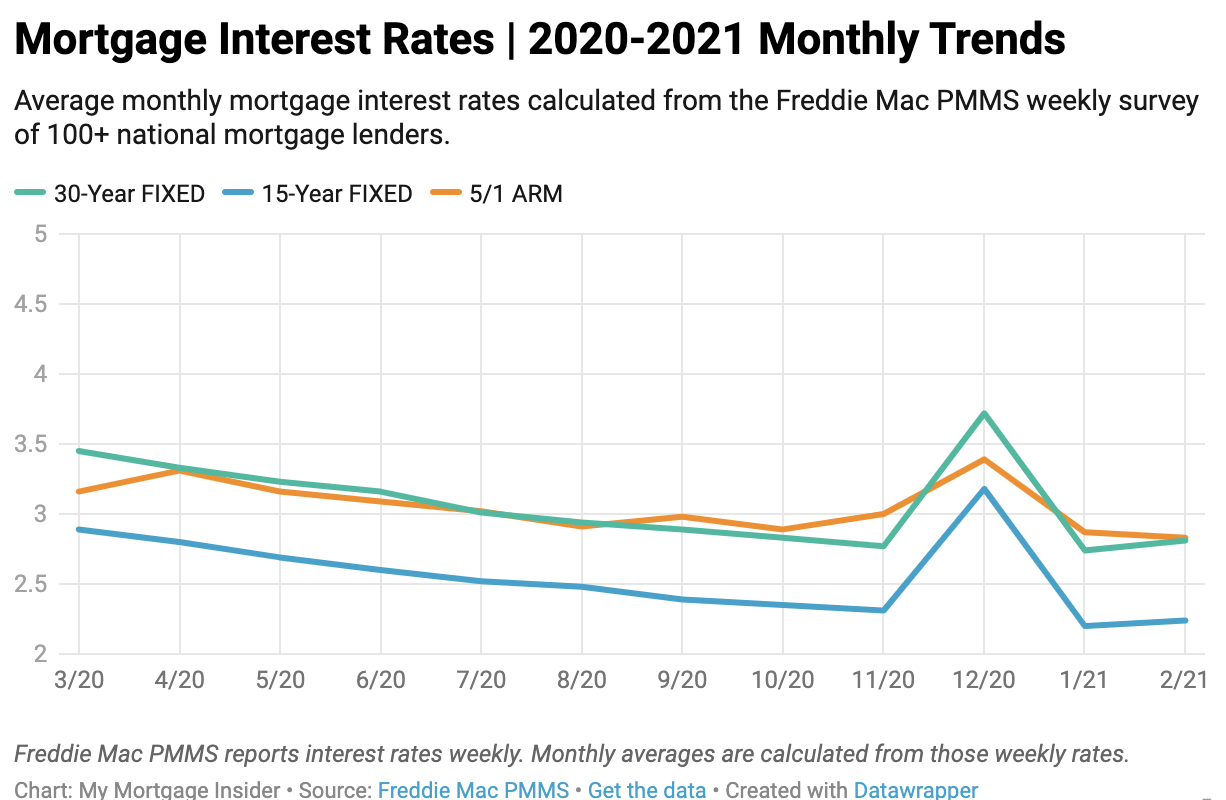
To understand current rates, one must look at where we have been. For much of the decade following the 2008 financial crisis, and especially during the COVID-19 pandemic, mortgage rates sat at historic lows, often dipping below 3%. Today’s rates, which have trended significantly higher, can feel jarring to modern buyers. However, when viewed through a 50-year lens, current rates are much closer to the historical average. Understanding this perspective helps investors move past “rate shock” and focus on the fundamental value of the underlying asset.
Factors That Influence Your Personal Mortgage Rate
While “market rates” provide a baseline, the rate a lender offers you personally is determined by your unique financial profile. In the world of personal finance, your “risk profile” is the primary determinant of your borrowing cost.
Credit Scores and Debt-to-Income Ratios
Your credit score is perhaps the most influential factor in the mortgage application process. Lenders use this three-digit number to gauge the likelihood that you will default on your loan. A score of 740 or higher generally grants access to the most competitive rates. Additionally, your Debt-to-Income (DTI) ratio—the percentage of your monthly gross income that goes toward paying debts—must be within certain limits (typically under 43%) to qualify for the best financial products.
Down Payment Size and Loan-to-Value (LTV)
The more skin you have in the game, the less risk the lender carries. A larger down payment reduces your Loan-to-Value (LTV) ratio. If you can provide a 20% down payment, you not only secure a better interest rate but also avoid Private Mortgage Insurance (PMI), a monthly fee that protects the lender but adds no value to your equity. In today’s market, maximizing your down payment is one of the most effective ways to offset higher interest rates.
Loan Terms and Types: Conventional vs. Government-Backed
The structure of the loan itself impacts the rate. 15-year mortgages almost always carry lower interest rates than 30-year mortgages because the lender’s money is at risk for a shorter duration. Furthermore, the type of loan matters. Conventional loans are often best for those with high credit, while FHA (Federal Housing Administration) loans might offer lower rates for those with lower credit scores, albeit with higher insurance premiums. VA loans, available to veterans and service members, often provide the most favorable rates in the market with no down payment requirement.
The Economic Impact of High vs. Low Rates

Interest rates act as the “price of money.” When that price changes, it sends ripples through the entire economy, affecting everything from housing inventory to the broader financial markets.
Housing Market Inventory and Buyer Demand
High interest rates typically lead to a “cooling” effect on buyer demand. As monthly payments become more expensive, fewer people can afford to enter the market. However, we are currently seeing a unique phenomenon known as the “lock-in effect.” Many current homeowners have existing mortgages at 3% or 4%. They are reluctant to sell their homes and trade that low rate for a new mortgage at 7%, leading to a shortage of housing inventory. This restricted supply keeps home prices elevated even when rates are high.
Refinancing Opportunities in a Volatile Market
For those who buy a home during a period of high interest rates, the strategy is often “buy the house, marry the rate—but keep an eye on the divorce.” This refers to the potential for refinancing. If interest rates drop by 1% or 2% in the future, homeowners can refinance their loans to secure a lower rate, effectively reducing their monthly commitment without changing their living situation. Financial savvy in this area involves calculating the “break-even point”—the moment when the savings from the lower rate exceed the closing costs of the new loan.
The “Lock-in” Effect and Wealth Mobility
From a wealth-building perspective, high rates can limit mobility. When homeowners feel “locked in” to their current residence due to their low interest rate, it can stagnate the labor market, as people are less likely to move for new job opportunities. Understanding this dynamic is crucial for those looking at real estate as an investment; the liquidity of the market is directly tied to the prevailing interest rate environment.
Strategies for Securing the Best Possible Rate
Even in a high-rate environment, there are proactive steps borrowers can take to ensure they are not overpaying for their mortgage.
The Power of Rate Locks
Mortgage rates can change multiple times in a single day based on economic news. Once you have found a home and started the loan process, a “rate lock” protects you from rising rates while your loan is being processed. Typically lasting 30 to 60 days, a rate lock is a vital financial tool to prevent your monthly payment from increasing before you even close on the property.
Comparing Lenders and Shopping Around
Not all lenders are created equal. Large national banks, local credit unions, and online mortgage brokers all have different “appetites” for risk and different overhead costs. Shopping around—getting at least three quotes—can save a borrower tens of thousands of dollars over the life of the loan. Even a 0.25% difference in interest rate can result in significant savings when compounded over 30 years.
Buying Down the Rate with Discount Points
If you have extra cash at closing, you can “buy down” your interest rate using discount points. One point typically costs 1% of the total loan amount and reduces your interest rate by a predetermined increment (usually 0.25%). This is a mathematical trade-off: you pay more upfront to pay less every month. This strategy is most effective for those who plan to stay in their home for a long time, allowing the monthly savings to eventually outweigh the initial cost of the points.
Future Outlook: Where are Rates Heading?
Predicting the future of mortgage rates is a challenge even for seasoned economists, but several key indicators can provide a roadmap for what to expect in the coming quarters.
Inflation Targets and Economic Indicators
The primary enemy of low interest rates is inflation. The Federal Reserve has a target inflation rate of 2%. As long as inflation remains significantly above this target, the Fed is likely to keep interest rates “higher for longer.” Investors should closely monitor the Consumer Price Index (CPI) and employment data. If the labor market remains strong while inflation cools, we may see a gradual normalization of mortgage rates.
Expert Predictions for the Coming Quarters
Most financial analysts suggest that while we may have seen the “peak” of interest rates for this cycle, a return to the 3% rates of the pandemic era is unlikely in the near future. The “new normal” for mortgage rates is expected to settle in a range that balances economic growth with price stability. For buyers, waiting for a “perfect” rate may be a losing game; instead, many are focusing on finding the right property and preparing to refinance when the market shifts.
Planning Your Home Purchase Timing
In the world of personal finance, “time in the market” often beats “timing the market.” While mortgage rates are a critical factor, they are only one part of the equation. Home equity remains one of the primary drivers of household wealth in the United States. By understanding the current interest rate environment, maintaining a strong credit profile, and utilizing strategic financial tools like rate locks and discount points, you can navigate the complexities of the mortgage market and make a sound investment in your financial future.
aViewFromTheCave is a participant in the Amazon Services LLC Associates Program, an affiliate advertising program designed to provide a means for sites to earn advertising fees by advertising and linking to Amazon.com. Amazon, the Amazon logo, AmazonSupply, and the AmazonSupply logo are trademarks of Amazon.com, Inc. or its affiliates. As an Amazon Associate we earn affiliate commissions from qualifying purchases.