
Navigating the landscape of auto loans can be a complex endeavor, especially with interest rates constantly in flux. For many, purchasing a vehicle is one of the most significant financial decisions after a home, and the interest rate secured on an auto loan directly impacts the total cost of ownership. Understanding what constitutes a “good” rate today, the factors influencing these rates, and strategies to secure the most favorable terms is crucial for any prospective car buyer. This comprehensive guide will delve into the current state of auto loan interest rates, offering insights to empower consumers in their vehicle financing journey.
Understanding Today’s Auto Loan Landscape
The prevailing economic environment plays a significant role in shaping auto loan interest rates. Central bank policies, inflation, and the overall health of the credit market all contribute to the rates lenders offer. Staying informed about these broader trends is the first step in understanding the quotes you receive.
National Averages and Recent Trends
As of late 2023 and early 2024, auto loan interest rates have seen a notable increase compared to the ultra-low rates experienced during the pandemic and the decade prior. This upward trend is primarily driven by the Federal Reserve’s aggressive interest rate hikes aimed at combating inflation. While specific rates fluctuate daily and depend heavily on individual borrower profiles, general averages provide a useful benchmark.
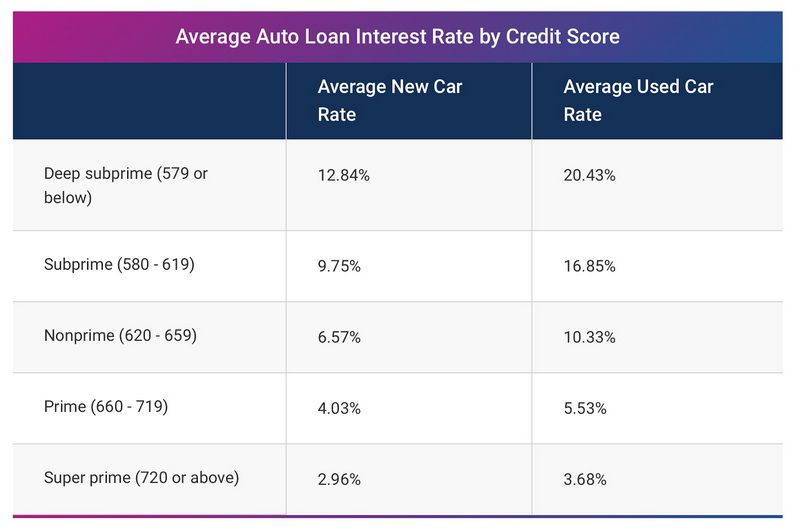
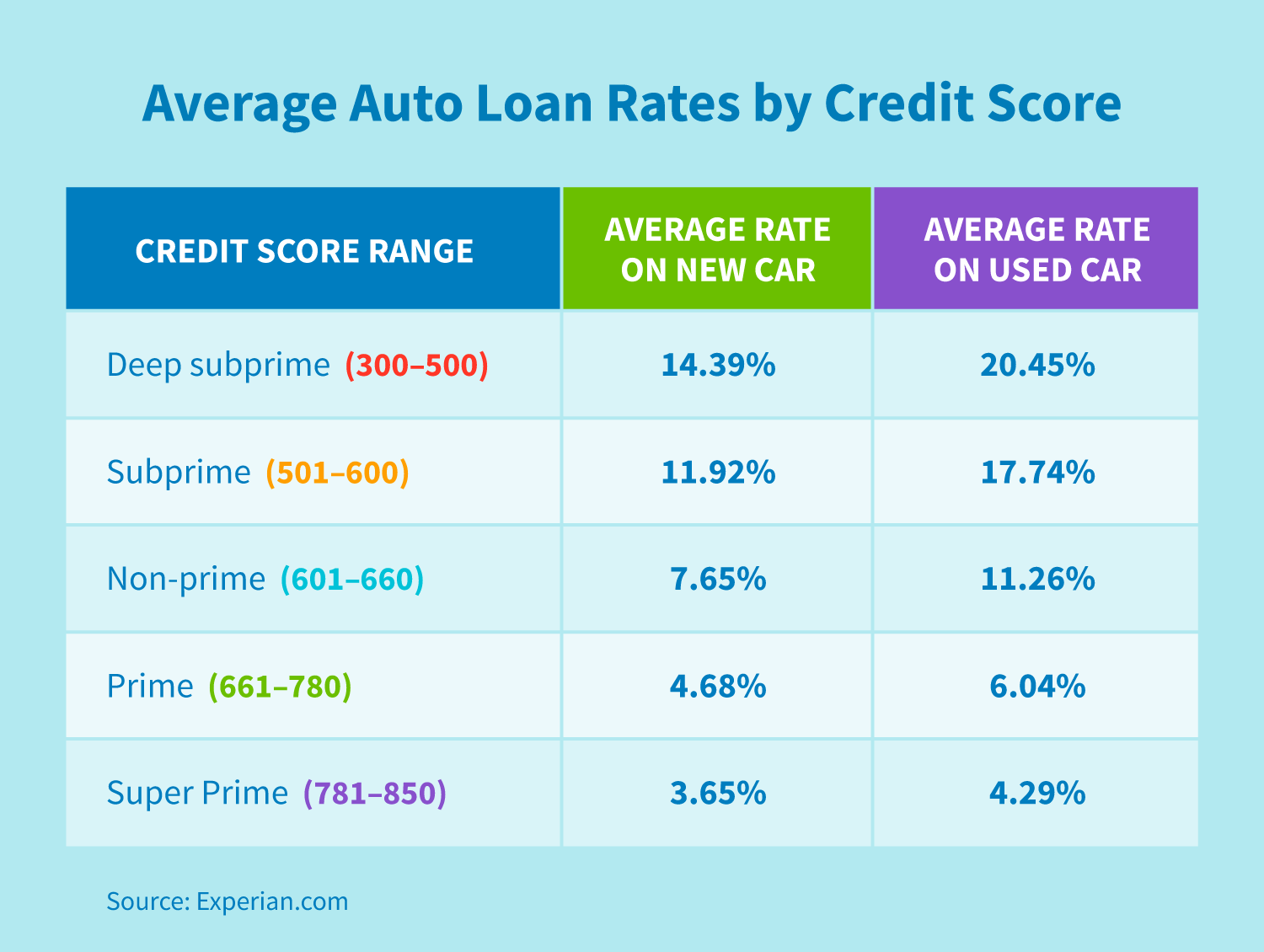
For new car loans, borrowers with excellent credit (FICO score 780+) might expect rates in the range of 5-7%, though highly competitive offers could dip slightly below. Those with good credit (660-779) could see rates between 7-10%. For borrowers with fair or poor credit, rates can climb well into the double digits, often exceeding 15%.
Used car loans typically carry higher interest rates than new car loans, even for borrowers with identical credit profiles. This is due to the higher perceived risk associated with used vehicles – they depreciate faster, may have unforeseen mechanical issues, and their collateral value can be less stable. Excellent credit borrowers might face rates of 7-9% for used cars, while others could see rates ranging from 10% to over 20%.
It’s important to remember that these are averages. The actual rate you qualify for will be determined by a multitude of factors, with your credit score being paramount.
The Influence of Economic Indicators
Several economic indicators directly influence the direction of auto loan interest rates. The Federal Funds Rate, set by the Federal Reserve, is perhaps the most significant. When the Fed raises this benchmark rate, it becomes more expensive for banks to borrow money, a cost they then pass on to consumers through higher loan rates, including auto loans.
Inflation also plays a critical role. When inflation is high, lenders need to charge higher interest rates to ensure that the return on their loans keeps pace with the eroding purchasing power of money. Conversely, in periods of low inflation or economic stagnation, rates tend to be lower to stimulate borrowing and spending.
Lastly, the supply and demand for vehicles can also subtly impact rates. During times of high demand and low supply (as seen in recent years due to chip shortages), dealers may have less incentive to offer deep discounts or ultra-low financing rates, as inventory moves quickly regardless. A more balanced market, however, often sees more competitive financing offers as lenders and dealerships vie for customers.
Key Factors Determining Your Auto Loan Rate
While national averages offer a starting point, your specific interest rate will be a highly individualized figure. Several crucial factors come into play, each weighing differently in a lender’s risk assessment. Understanding these can help you position yourself for the best possible outcome.
Your Credit Score: The Paramount Determinant
Without a doubt, your credit score is the single most important factor influencing the interest rate you’ll receive on an auto loan. Lenders use credit scores (like FICO or VantageScore) as a quick indicator of your creditworthiness – your likelihood of repaying the loan on time.
- Excellent Credit (780+): Borrowers in this tier are considered low-risk and typically qualify for the lowest available interest rates. They have a proven history of responsible borrowing and timely payments.
- Good Credit (660-779): Most borrowers fall into this category. While they still qualify for competitive rates, they may not receive the absolute lowest. Rates will be higher than for those with excellent credit, reflecting a slightly elevated risk.
- Fair Credit (600-659): Borrowers here will find rates significantly higher. Lenders perceive a greater risk of default, making loans more expensive to compensate.
- Poor Credit (Under 600): Obtaining an auto loan with poor credit can be challenging and costly. Rates can be exceptionally high, and some lenders may require a larger down payment or a co-signer.
A higher credit score signals reliability, leading to lower interest rates, which can save you thousands over the life of the loan.
Loan Term and Vehicle Type: New vs. Used
The loan term, or the duration over which you repay the loan, also impacts the interest rate. Generally, shorter loan terms (e.g., 36 or 48 months) tend to have lower interest rates compared to longer terms (e.g., 60, 72, or even 84 months). While a longer term means lower monthly payments, the increased interest rate, combined with more payment periods, results in paying significantly more interest over the loan’s lifetime. Lenders view longer terms as riskier because there’s more time for unforeseen circumstances to affect your ability to repay.
As mentioned earlier, the type of vehicle (new versus used) also plays a critical role.
- New Car Loans: Tend to have lower interest rates because new vehicles typically hold their value better in the initial years, making them stronger collateral for the lender. Additionally, manufacturers often offer promotional low-APR financing on new cars to boost sales.
- Used Car Loans: Generally carry higher interest rates due to the vehicle’s age, mileage, potential for mechanical issues, and faster depreciation rate, which makes them riskier collateral for lenders.
The Role of Down Payment and Trade-In Value
Making a substantial down payment or having a valuable trade-in can significantly improve your auto loan terms. A larger down payment reduces the amount you need to borrow, thereby lowering your monthly payments and the total interest paid. More importantly, it reduces the lender’s risk. If you have significant equity in the car from the outset (i.e., you owe less than it’s worth), the lender is less likely to lose money if you default and they have to repossess and sell the vehicle.
Lenders often look favorably upon borrowers who put down at least 10-20% of the vehicle’s purchase price. This demonstrates financial commitment and reduces the loan-to-value (LTV) ratio, often leading to better interest rates.
Lender Type: Banks, Credit Unions, and Dealerships
Where you get your loan can also influence the rate.
- Banks: Offer a wide range of auto loan products, often with competitive rates for well-qualified borrowers. They are a reliable source for auto financing.
- Credit Unions: These member-owned financial institutions are known for often offering some of the most competitive interest rates because their primary goal is to serve their members rather than generate profits for shareholders. Membership requirements usually apply but are often easy to meet.
- Dealerships: While convenient, dealership financing can be a mixed bag. They often work with multiple lenders to find you a loan, and sometimes offer manufacturer-subsidized rates (e.g., 0% or 1.9% APR) on new vehicles for highly qualified buyers. However, their standard rates can sometimes be higher, and there’s less transparency in their process compared to getting pre-approved elsewhere. It’s always best to have an outside pre-approval when negotiating with a dealership.
- Online Lenders: A growing segment, online lenders can offer quick approvals and competitive rates, especially for those with good credit. They provide convenience and the ability to compare offers from multiple lenders efficiently.
Strategies to Secure the Best Auto Loan Rates
Securing a favorable auto loan rate requires proactive planning and strategic execution. It’s not just about what you’re offered, but how you prepare and negotiate.
Boosting Your Creditworthiness
Since your credit score is so vital, improving it should be a priority if you’re not in the “excellent” tier.
- Pay Bills on Time: Payment history accounts for 35% of your FICO score. Late payments are detrimental.
- Reduce Debt: Lowering credit card balances and other outstanding debts improves your credit utilization ratio, which positively impacts your score.
- Check Your Credit Report: Obtain free copies of your credit report from AnnualCreditReport.com. Review them for errors and dispute any inaccuracies, as these can artificially lower your score.
- Avoid New Credit Applications: Limit applying for new credit in the months leading up to a car purchase, as each application can cause a small, temporary dip in your score.
The Power of Comparison Shopping
Never take the first loan offer you receive. Shop around with at least 3-5 different lenders – including banks, credit unions, and online lenders – to compare their interest rates and terms. The beauty of this process is that multiple auto loan inquiries within a short period (typically 14-45 days, depending on the scoring model) are generally treated as a single inquiry, minimizing the impact on your credit score. This allows you to collect multiple offers without penalizing your credit.
Having several pre-approval offers in hand gives you significant leverage when negotiating at the dealership. You can either use an external offer or challenge the dealership to beat it.
Negotiating Terms Beyond the Rate
While the interest rate is critical, it’s not the only term open for negotiation.
- Loan Term: Evaluate if a slightly shorter term with a higher monthly payment might save you substantial interest over time.
- Fees: Be aware of any origination fees, document fees, or other charges associated with the loan. Some lenders may be willing to waive or reduce these.
- Prepayment Penalties: Ensure your loan doesn’t have penalties for paying it off early. Most auto loans don’t, but it’s worth confirming.
- Down Payment: While a larger down payment generally leads to better rates, negotiate how much you need to put down versus how much you want to put down to manage your cash flow.
Pre-Approval: A Strategic Advantage
Getting pre-approved for an auto loan before you even step foot in a dealership is one of the smartest moves you can make.
- Know Your Budget: Pre-approval tells you exactly how much you can afford, preventing you from falling in love with a car outside your financial reach.
- Focus on Car Price: With financing squared away, you can focus on negotiating the vehicle’s price as a separate transaction, rather than getting caught up in a confusing bundled deal that combines price and financing.
- Confidence: Walking into a dealership with a pre-approval in hand gives you confidence and bargaining power, as you already have a financing offer to fall back on or leverage against the dealer’s financing options.
The Long-Term Impact of Interest Rates
The interest rate might seem like a small percentage, but its impact over the life of a loan can be substantial, influencing not just your monthly budget but the overall financial health of your purchase.
Calculating the Total Cost of Your Loan
A difference of just one or two percentage points in the interest rate can translate to hundreds or even thousands of dollars in extra interest paid over the life of an auto loan. For example, on a $30,000, 60-month loan:
- At 5% APR, your monthly payment would be roughly $566, and you’d pay about $3,970 in total interest.
- At 8% APR, your monthly payment jumps to approximately $608, and your total interest paid climbs to about $6,490.
This $2,520 difference in interest for a 3% rate increase illustrates why securing the lowest possible rate is paramount. Utilize online auto loan calculators to model different scenarios and understand the full financial commitment.
When Refinancing Makes Sense
If you’ve obtained an auto loan with a high interest rate, either because your credit has improved since you bought the car or market rates have dropped, refinancing could be a smart financial move. Refinancing involves taking out a new loan, often with a lower interest rate, to pay off your existing auto loan. This can lower your monthly payments, reduce the total interest you’ll pay, or shorten your loan term.
Consider refinancing if:
- Your credit score has significantly improved.
- Interest rates have generally decreased since you took out the original loan.
- You want to lower your monthly payment or reduce the total interest paid.
- You wish to remove a co-signer from the loan.
Before refinancing, compare offers from multiple lenders and ensure that any new loan doesn’t come with excessive fees that negate the savings from a lower interest rate.
Navigating the Application Process
Once you’ve identified a vehicle and are ready to finalize financing, understanding the application process and what lenders require can streamline your experience.
Required Documentation
Lenders typically require a standard set of documents to process your auto loan application:
- Personal Identification: Government-issued ID (driver’s license, passport).
- Proof of Income: Pay stubs, W-2 forms, tax returns, or bank statements to verify your ability to repay the loan.
- Proof of Residence: Utility bill, lease agreement, or mortgage statement.
- Credit History: Lenders will pull your credit report, so ensure it’s accurate beforehand.
- Vehicle Information: If you’ve already chosen a car, details like the VIN, make, model, and mileage will be needed.
- Down Payment: Proof of funds for your down payment, if applicable.
Having these documents organized and readily available will expedite the approval process.

Understanding Loan Disclosures
Before signing any loan agreement, meticulously review all loan disclosures. Pay close attention to:
- Annual Percentage Rate (APR): This is the true cost of borrowing, expressed as a yearly rate, including interest and certain fees. It’s the most accurate figure to compare offers.
- Total Loan Amount: The principal amount borrowed.
- Total Interest Paid: The entire amount of interest you will pay over the life of the loan.
- Monthly Payment: The exact amount you’ll pay each month.
- Loan Term: The duration of the loan.
- Any Fees: Detail any origination fees, late payment fees, or other charges.
Don’t hesitate to ask questions if anything is unclear. A transparent lender will be happy to explain all terms and conditions.
In conclusion, current auto loan interest rates are higher than they’ve been in recent years, making it more important than ever for consumers to be well-informed and strategic. By understanding the factors that influence rates, diligently improving your credit, and comparison shopping effectively, you can secure the most favorable financing terms for your next vehicle purchase and save a significant amount of money over the long haul.
aViewFromTheCave is a participant in the Amazon Services LLC Associates Program, an affiliate advertising program designed to provide a means for sites to earn advertising fees by advertising and linking to Amazon.com. Amazon, the Amazon logo, AmazonSupply, and the AmazonSupply logo are trademarks of Amazon.com, Inc. or its affiliates. As an Amazon Associate we earn affiliate commissions from qualifying purchases.