
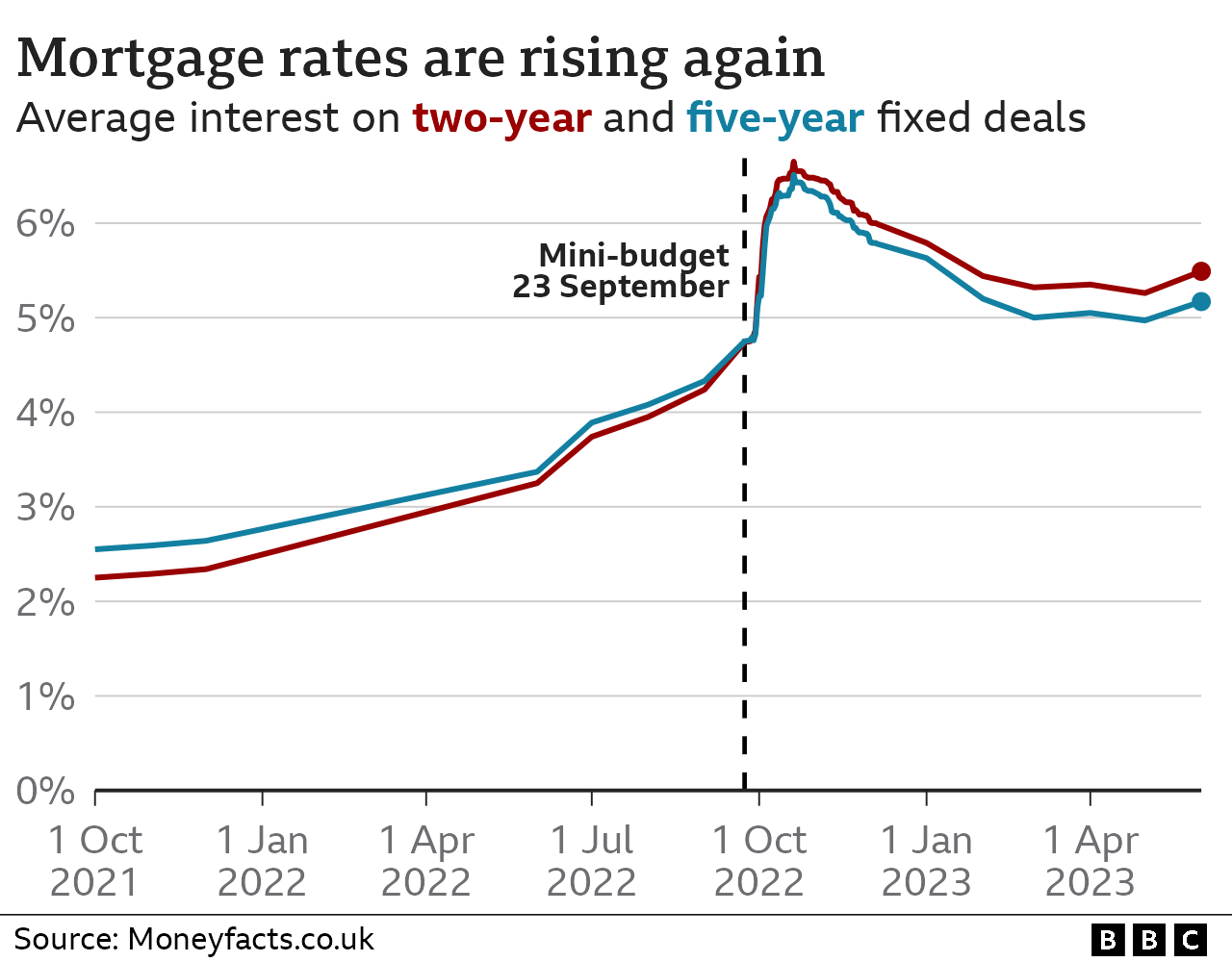
Navigating the world of real estate finance can feel like tracking a moving target, especially in a volatile economic climate. For prospective homebuyers and current homeowners looking to refinance, the question “what are the current interest rates for mortgages?” is more than just a search query—it is a critical factor in determining long-term financial health. As we navigate the mid-2020s, the mortgage market has transitioned from the historic lows of the early decade to a more complex, high-interest environment driven by inflation, central bank policies, and global economic shifts.
To understand where rates stand today, one must look beyond the daily percentage changes and examine the underlying financial mechanisms that dictate the cost of borrowing. This article explores the current state of mortgage rates, the factors that drive them, and strategic ways to navigate this high-cost borrowing environment.
The Primary Drivers of Current Mortgage Interest Rates
Mortgage rates do not exist in a vacuum. They are the result of a complex interplay between government policy, investor sentiment, and macroeconomic indicators. Understanding these drivers helps borrowers predict whether rates are likely to climb higher or finally begin their descent.
The Role of the Federal Reserve and Monetary Policy
While the Federal Reserve does not set mortgage rates directly, its influence is paramount. The Fed sets the federal funds rate—the interest rate at which commercial banks borrow and lend to one another overnight. When the Fed raises this rate to combat inflation, the cost of borrowing increases across the board. Mortgage lenders respond by raising rates on home loans to maintain their profit margins and account for the increased cost of capital. In the current cycle, the Fed’s aggressive stance on cooling the economy has been the single largest contributor to the upward trajectory of mortgage rates.
Inflation and the Consumer Price Index (CPI)
Inflation is the natural enemy of fixed-income investments like mortgages. When inflation is high, the purchasing power of the future interest payments a lender receives is eroded. To compensate for this risk, lenders demand higher interest rates. Investors track the Consumer Price Index (CPI) closely; when inflation reports come in “hotter” than expected, mortgage rates typically spike as the market anticipates further tightening by the Fed.
The 10-Year Treasury Yield
The 10-year Treasury note serves as the primary benchmark for the 30-year fixed-rate mortgage. Historically, there is a strong correlation between the two. When investors are nervous about the economy, they flock to the safety of government bonds, driving yields down. Conversely, when the economy shows strength or inflation fears rise, yields go up, and mortgage rates follow suit. Currently, the “spread”—the difference between the 10-year yield and mortgage rates—is wider than usual, reflecting increased market volatility and lender caution.
Exploring Different Mortgage Products in Today’s Market
Not all mortgage rates are created equal. Depending on a borrower’s financial profile and how long they intend to stay in a home, different loan products can offer vastly different interest rate structures.
Fixed-Rate Mortgages: The 15-Year vs. 30-Year Choice
The 30-year fixed-rate mortgage remains the gold standard for American homebuyers due to its payment stability. However, because the lender is taking on interest rate risk for three decades, these loans carry higher rates than shorter-term options. The 15-year fixed-rate mortgage typically offers a significantly lower interest rate—often 0.5% to 1% lower than the 30-year—allowing borrowers to save tens of thousands of dollars in interest over the life of the loan, provided they can afford the higher monthly payments.
The Resurgence of Adjustable-Rate Mortgages (ARMs)
When interest rates on fixed loans are high, Adjustable-Rate Mortgages (ARMs) often see a surge in popularity. An ARM typically offers a lower “teaser” rate for an initial period (such as 5, 7, or 10 years) before adjusting annually based on market conditions. In the current environment, a 7/1 ARM might offer a lower entry point for a buyer who plans to sell the home or refinance before the adjustment period begins. However, this strategy carries the risk that rates could be even higher when the adjustment period hits.
Government-Backed Loans: FHA, VA, and USDA
For borrowers who may not qualify for conventional financing, government-backed loans offer a lifeline. FHA loans, geared toward those with lower credit scores or smaller down payments, often have competitive interest rates but require mandatory mortgage insurance premiums (MIP). VA loans, available to veterans and active-duty service members, frequently offer some of the lowest rates on the market with the added benefit of no down payment. Understanding these nuances is vital for optimizing one’s personal finance strategy.
Strategies for Securing the Lowest Possible Rate
Even in a high-rate environment, there is a wide disparity between the “headline” rates advertised online and the actual rates offered to individual borrowers. Taking proactive steps to improve your financial profile can result in a significantly lower rate.
Optimizing Your Credit Score
Your credit score is the most significant factor a lender considers when pricing your loan. A borrower with a score of 760 or higher will almost always receive a better rate than someone with a score of 660. Before applying for a mortgage, it is prudent to pay down revolving credit card balances, avoid opening new lines of credit, and dispute any errors on your credit report. Even a 20-point bump in your score can move you into a different pricing tier, potentially saving you $100 or more on your monthly payment.
Managing Debt-to-Income (DTI) Ratios
Lenders use the Debt-to-Income ratio to assess your ability to manage monthly payments. A lower DTI suggests you are a lower-risk borrower. In a high-interest-rate environment, where the mortgage payment itself will take up a larger portion of your income, keeping other debts (car loans, student loans, credit cards) to a minimum is essential. Most lenders look for a DTI below 43%, though some conventional programs allow for higher ratios if other “compensating factors” are present.
Utilizing Discount Points and Down Payments
Borrowers can effectively “buy down” their interest rate by paying discount points at closing. One point typically costs 1% of the loan amount and reduces the interest rate by approximately 0.25%. This is a “Money” move that requires a break-even analysis: if you plan to stay in the home long enough for the monthly savings to exceed the upfront cost, buying points is a wise investment. Similarly, a larger down payment (20% or more) reduces the lender’s risk and can lead to lower rate offers and the elimination of Private Mortgage Insurance (PMI).
The Impact of High Rates on the Broader Economy and Real Estate
Current mortgage rates don’t just affect individual buyers; they reshape the entire landscape of the real estate market and personal wealth building.
The “Lock-In” Effect and Housing Inventory
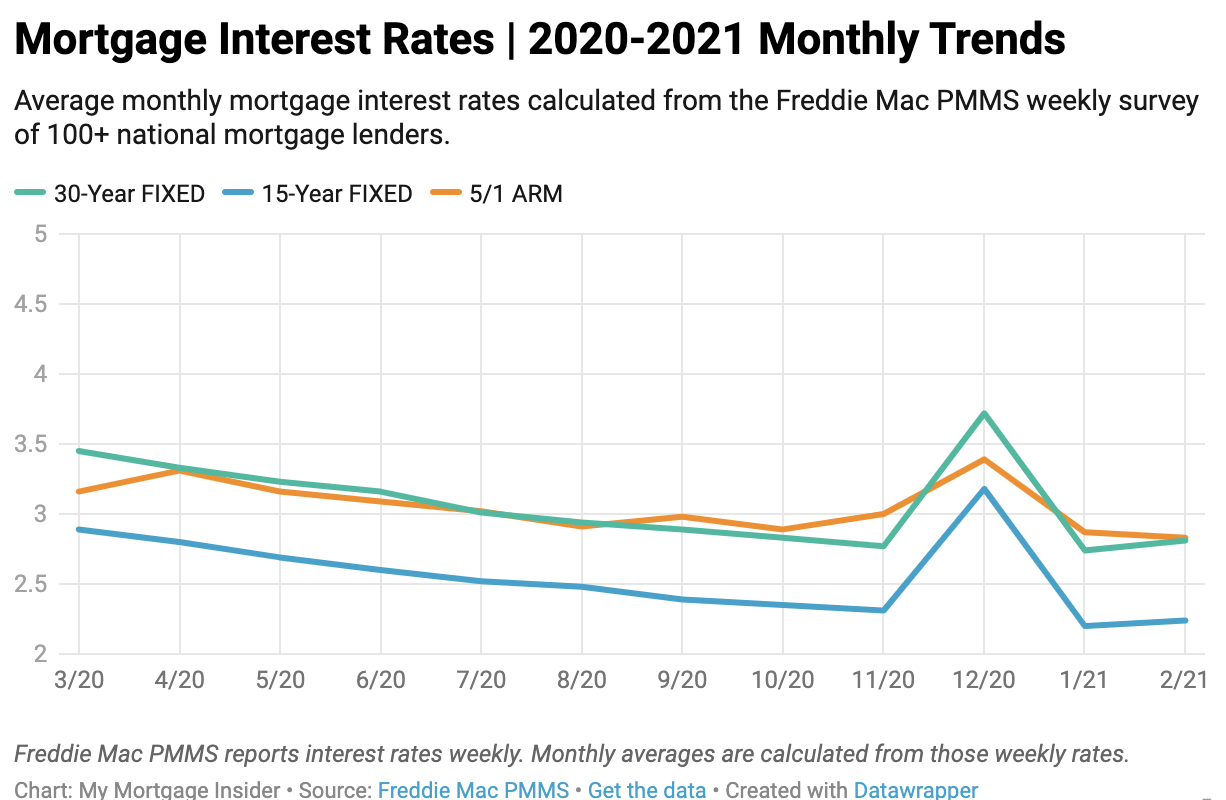
One of the most profound impacts of current high rates is the “lock-in” effect. Many homeowners currently hold mortgages with rates between 2.5% and 4% from the 2020–2021 era. These homeowners are reluctant to sell their current homes and trade up to a new property where they would have to take on a 7% interest rate. This has led to a historic shortage of existing home inventory, which keeps home prices elevated despite the increased cost of borrowing.
The Shift Toward the Rental Market and Institutional Investing
As homeownership becomes less affordable due to high rates, more individuals are forced to remain in the rental market. This increased demand drives up rents, which in turn can feed back into inflation. Furthermore, institutional investors with significant cash reserves often find high-rate environments advantageous, as they can purchase properties without the burden of high-interest financing, further competing with traditional families for available housing stock.
Refinancing Opportunities and Home Equity
In the current climate, traditional “rate-and-term” refinancing has slowed to a crawl. However, “cash-out” refinances or Home Equity Lines of Credit (HELOCs) remain relevant for those looking to consolidate high-interest credit card debt or fund home improvements. While the rate on a HELOC may be higher than a primary mortgage, it is often significantly lower than the double-digit interest rates found on personal loans or credit cards.
Planning for the Future: When Will Rates Drop?
The million-dollar question in the world of finance is when mortgage rates will return to the “normalized” levels of 4% or 5%. While no one has a crystal ball, several indicators provide a roadmap for what to expect.
Watching the Fed’s Pivot
The market is currently waiting for a “pivot”—the moment the Federal Reserve stops raising rates and begins to cut them. This usually happens when the Fed is confident that inflation is sustainably returning to its 2% target or if the economy shows signs of a significant slowdown. Once a pivot is signaled, mortgage rates often begin to decline in anticipation, even before the Fed officially moves.
The Importance of a “Marry the House, Date the Rate” Strategy
A common mantra in the current real estate market is “marry the house, date the rate.” This philosophy suggests that if you find the right home at a price you can afford, you should move forward with the purchase despite high rates. The logic is that you can always refinance into a lower rate in the future when the market shifts, but you cannot change the purchase price of the home once you’ve bought it. This strategy requires a solid financial cushion to ensure you can handle the current payments until a refinancing opportunity arises.

Conclusion: Navigating with Financial Discipline
Current mortgage interest rates are undoubtedly a challenge for today’s buyers, representing a stark departure from the era of “easy money.” However, by focusing on the fundamentals of personal finance—credit health, debt management, and market education—borrowers can still find paths to homeownership. Understanding that rates are cyclical allows for a long-term perspective, where the current high-cost environment is viewed as a temporary hurdle in the broader journey of building wealth through real estate. Success in today’s market requires patience, meticulous financial planning, and the readiness to act when the economic tides eventually turn.
aViewFromTheCave is a participant in the Amazon Services LLC Associates Program, an affiliate advertising program designed to provide a means for sites to earn advertising fees by advertising and linking to Amazon.com. Amazon, the Amazon logo, AmazonSupply, and the AmazonSupply logo are trademarks of Amazon.com, Inc. or its affiliates. As an Amazon Associate we earn affiliate commissions from qualifying purchases.