
Central America, a vibrant and geographically crucial region connecting North and South America, is often defined by its rich history, diverse cultures, and stunning natural beauty. However, beneath this traditional perception lies a rapidly evolving digital landscape, brimming with technological challenges and opportunities. For tech professionals, investors, and digital innovators, understanding the specific countries within this region is not merely a matter of geography; it’s key to grasping the varied stages of digital transformation, connectivity infrastructure, and emerging tech ecosystems across the isthmus. This article delves into the individual nations that constitute Central America, examining their unique positions within the broader tech narrative and highlighting the trends shaping their digital futures.
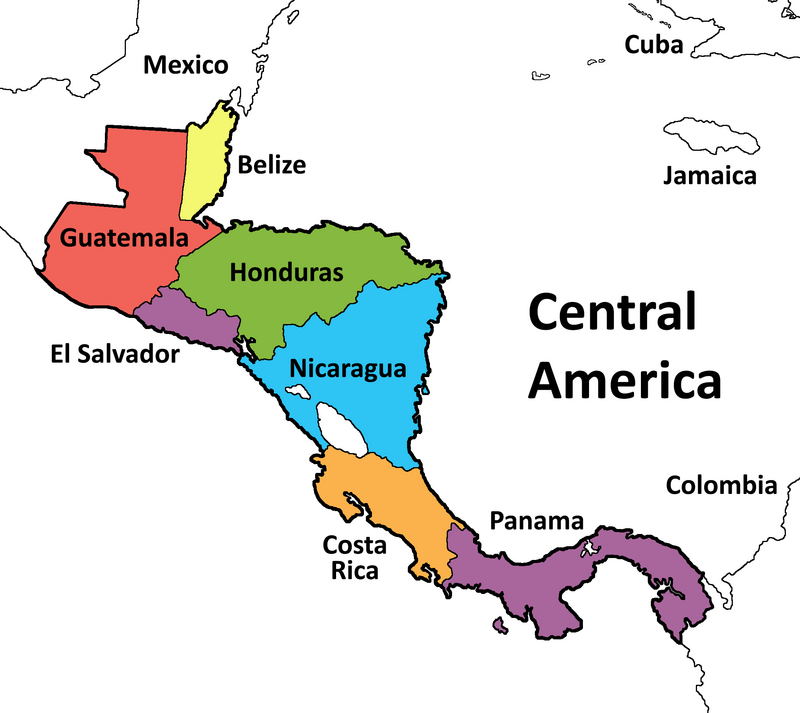
The Nations of Central America: A Geographic and Digital Introduction
Central America traditionally comprises seven independent nations, each with distinct digital characteristics and trajectories. From the nascent stages of internet penetration to ambitious blockchain experiments, the tech story of Central America is one of contrasts and growing ambition. Identifying these countries is the first step towards a nuanced understanding of their individual and collective digital potential.
The seven countries typically recognized as part of Central America are:
- Belize: Unique among its neighbors for being an English-speaking nation, Belize often functions as a bridge between Central America and the Caribbean digitally. Its smaller population presents both challenges and agility in adopting new technologies, particularly in e-governance and digital tourism.
- Costa Rica: Renowned for its environmental policies, Costa Rica has also positioned itself as a regional leader in sustainability-driven tech, attracting foreign investment in IT services and renewable energy technology.
- El Salvador: This nation made global headlines with its adoption of Bitcoin as legal tender, signaling a bold, albeit controversial, dive into cryptocurrency and blockchain technology. Its digital strategy is heavily influenced by this pioneering move.
- Guatemala: The most populous country in Central America, Guatemala faces significant challenges in digital inclusion, particularly in rural and indigenous communities. However, it also presents a vast, untapped market for mobile services and e-commerce growth.
- Honduras: With improving, yet still developing, digital infrastructure, Honduras is striving to expand internet access and foster digital literacy, crucial for leveraging its young population.
- Nicaragua: Nicaragua’s digital development is marked by slower progress in infrastructure and internet penetration compared to some of its neighbors, presenting both hurdles and significant opportunities for foundational tech investment.
- Panama: Strategically located with the Panama Canal, this country is a major logistics and financial hub, extending its influence into robust telecommunications infrastructure and becoming a key data transit point for the Americas.
Understanding these individual contexts is paramount for any tech-focused engagement with the region. While some countries are pioneering advanced digital solutions, others are still grappling with fundamental access issues, creating a diverse mosaic of tech opportunities and challenges.
Emerging Tech Hubs and Digital Transformation Initiatives
While often overlooked in global tech discussions, several Central American nations are actively cultivating vibrant tech ecosystems, driven by a combination of government initiatives, private sector investment, and a growing pool of local talent. These efforts are not just about adopting technology but about leveraging it for sustainable development, economic diversification, and enhanced citizen services.
Costa Rica: A Model for Sustainable Tech Growth
Costa Rica’s commitment to environmental sustainability extends seamlessly into its tech sector, making it a unique player in the region. The country has successfully branded itself as a destination for eco-friendly innovation and nearshore IT services. Its stable democratic environment, relatively high education levels, and strong regulatory framework have attracted major tech companies and fostered a burgeoning startup scene. The focus here is often on green tech, biotech, and IT outsourcing, with a strong emphasis on cybersecurity and data analytics. Government initiatives like “Digital Costa Rica” aim to further expand digital literacy and connectivity, ensuring that its progressive tech policies benefit a broader segment of the population. The country’s digital infrastructure, including high fiber optic penetration, further solidifies its position as a leading digital economy in Central America.
Panama: The Digital Gateway and Connectivity Hub
Panama’s strategic geographical position and its role as a global logistics and financial center naturally position it as a digital gateway. The country boasts one of the most advanced telecommunications infrastructures in the region, with numerous submarine fiber optic cables landing on its shores, making it a critical data transit hub for the Americas. This robust connectivity is a significant asset for cloud services, data centers, and international business operations. The government actively promotes tech innovation through incentives for foreign investment in technology parks and initiatives aimed at fostering a startup culture. Fintech, logistics tech, and cybersecurity are particularly strong areas, capitalizing on Panama’s established financial and trade sectors. Its vibrant capital city is increasingly attracting digital nomads and tech entrepreneurs looking to leverage its connectivity and international outlook.
El Salvador: Pioneering Bitcoin and Blockchain Adoption
El Salvador’s decision to make Bitcoin legal tender in 2021 was an unprecedented move that thrust the nation into the global tech spotlight. This bold experiment in blockchain integration has generated both immense interest and intense debate. Beyond the immediate implications for currency, this initiative has spurred the development of a localized crypto ecosystem, including the creation of digital wallets (like Chivo), Bitcoin ATMs, and educational programs on cryptocurrency. While facing significant implementation hurdles and international scrutiny, El Salvador’s strategy signals a commitment to leveraging decentralized technology for financial inclusion and attracting tech-savvy investors. This pioneering spirit has also led to discussions around digital identity, smart contracts, and other blockchain applications, positioning El Salvador as a unique testbed for cutting-edge digital transformation within a developing economy context.
Digital Challenges and Opportunities Across the Isthmus
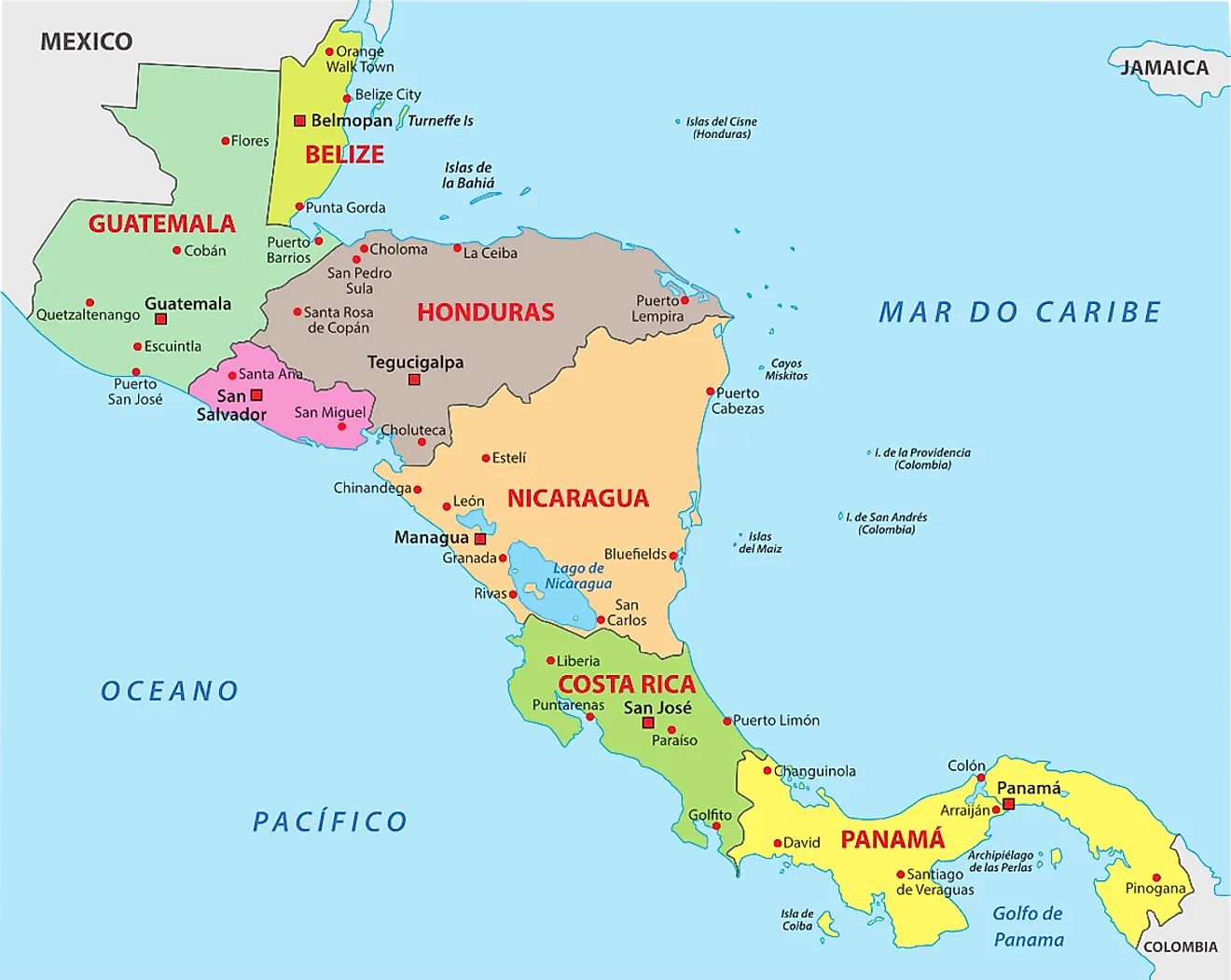
Despite the individual strides made by some nations, Central America as a whole faces common digital challenges, from bridging the pervasive digital divide to safeguarding against evolving cyber threats. Addressing these issues presents significant opportunities for tech companies and policymakers to drive inclusive growth and enhance regional resilience.
Bridging the Digital Divide: Infrastructure and Access
The digital divide remains a critical challenge across much of Central America. While urban centers often enjoy decent connectivity, rural and remote areas frequently lack access to reliable and affordable internet. This disparity is not merely about infrastructure; it’s also about affordability, digital literacy, and access to necessary devices. For instance, in countries like Guatemala and Honduras, a significant portion of the population remains unconnected or relies solely on basic mobile data, limiting their access to online education, healthcare, and economic opportunities. This presents a massive opportunity for telecom companies, satellite internet providers, and local innovators to develop cost-effective, scalable solutions, including community Wi-Fi networks, low-cost internet plans, and accessible digital skills training programs. Investing in last-mile connectivity and public access points is crucial for unlocking the full digital potential of these nations.
Cybersecurity Landscape: Protecting Digital Assets
As Central American countries increasingly digitize their economies and government services, the threat of cyberattacks grows in tandem. From individual data breaches to national infrastructure vulnerabilities, cybersecurity is a critical concern that requires robust solutions. Many nations in the region lack comprehensive national cybersecurity strategies, skilled personnel, and advanced protective infrastructure. This creates a fertile ground for cybercrime but also a significant market for cybersecurity firms specializing in threat intelligence, data protection, incident response, and secure software development. Education and awareness campaigns are also vital to protect citizens and small businesses from common digital scams and phishing attacks. Regional collaboration on cybersecurity frameworks and information sharing is becoming increasingly important to build a collective defense against cross-border threats.
Tech Education and Workforce Development
A key component of any thriving tech ecosystem is a skilled workforce. Central American countries face varying degrees of challenges in ensuring their populations have the necessary digital skills to meet the demands of a rapidly evolving global economy. While some countries like Costa Rica have robust educational systems producing tech talent, others grapple with limited access to quality tech education, particularly at higher levels. This gap creates a demand for innovative educational models, including vocational training programs, online learning platforms, and partnerships between academia and industry. Initiatives to promote STEM education from an early age, coupled with reskilling and upskilling programs for adults, are crucial. Attracting and retaining tech talent, as well as fostering an entrepreneurial mindset among youth, will be pivotal for sustained digital growth in the region.
The Role of Digital Innovation in Economic Development
Digital innovation is not just transforming societies; it’s a powerful engine for economic development in Central America. From boosting e-commerce to attracting foreign investment and enabling new forms of employment, technology is reshaping the economic fabric of the region, offering paths to greater prosperity and global integration.
E-commerce and Online Services Growth
The expansion of internet access and mobile device penetration has fueled significant growth in e-commerce and online services across Central America. Consumers are increasingly turning to digital platforms for everything from retail purchases to banking, entertainment, and remote work tools. This trend has created new opportunities for local businesses to reach broader markets, both domestically and internationally, while also attracting global e-commerce giants. Fintech solutions, in particular, are gaining traction, addressing the needs of underbanked populations and streamlining financial transactions. The development of robust payment gateways, secure delivery logistics, and user-friendly mobile applications are key drivers in this sector. For tech companies, this presents a fertile ground for developing localized e-commerce platforms, payment systems, and logistics optimization software tailored to the unique challenges and opportunities of the Central American market.
Attracting Tech Investment and Digital Nomads
Central America is increasingly being recognized as an attractive destination for tech investment and a burgeoning hub for digital nomads. Governments are implementing policies to simplify business registration, offer tax incentives for tech companies, and create special economic zones for innovation. The relatively lower cost of living, coupled with appealing climates and cultures, makes several countries in the region, such as Costa Rica and Panama, particularly appealing to remote workers and entrepreneurs seeking a balance between work and lifestyle. The rise of digital nomad visas and improved co-working spaces further facilitates this trend. For investors, the region offers untapped market potential, a growing talent pool, and the opportunity to be part of an emerging tech story. By fostering an innovation-friendly environment, Central America can capitalize on these trends to further integrate into the global digital economy and drive sustained economic growth.

The Future of Tech in Central America
The trajectory of technology in Central America is one of immense potential, coupled with significant developmental hurdles. The region is poised to leverage digital solutions to leapfrog traditional development stages, enhance governance, and empower its citizens. As connectivity improves and digital literacy spreads, we can expect to see further acceleration in cloud computing adoption, the expansion of AI-driven solutions in areas like healthcare and agriculture, and continued innovation in fintech and blockchain technologies.
However, realizing this future requires sustained investment in infrastructure, progressive regulatory frameworks that foster innovation while ensuring security, and a relentless focus on human capital development through education and training. Regional collaboration will also be crucial for addressing cross-border challenges like cybersecurity and for creating a more harmonized digital single market. For tech companies and innovators, Central America represents not just a market, but a vibrant laboratory for developing and implementing solutions that address real-world challenges in dynamic and diverse environments. By understanding the unique digital identities of countries like Belize, Costa Rica, El Salvador, Guatemala, Honduras, Nicaragua, and Panama, the tech world can strategically engage with and contribute to the region’s exciting digital future.
aViewFromTheCave is a participant in the Amazon Services LLC Associates Program, an affiliate advertising program designed to provide a means for sites to earn advertising fees by advertising and linking to Amazon.com. Amazon, the Amazon logo, AmazonSupply, and the AmazonSupply logo are trademarks of Amazon.com, Inc. or its affiliates. As an Amazon Associate we earn affiliate commissions from qualifying purchases.