
The Caribbean region, an archipelago of over 700 islands, islets, reefs, and cays, is often viewed through the lens of leisure and tourism. However, for the astute investor and financial strategist, the Caribbean represents a complex and multifaceted economic landscape. Far from being a monolithic entity, the countries within the Caribbean offer a diverse array of financial opportunities ranging from established offshore banking sectors and “Citizenship by Investment” (CBI) programs to burgeoning oil-rich economies and luxury real estate markets.
Understanding the countries of the Caribbean from a “Money” perspective requires an analysis of their sovereign fiscal policies, their integration into global trade, and their unique value propositions for foreign capital. This article explores the financial geography of the Caribbean, identifying key nations and the specific investment niches they occupy.

The Financial Hubs: Banking, Fintech, and Wealth Preservation
A significant portion of the Caribbean’s economic identity is tied to the financial services sector. Several nations have positioned themselves as global leaders in wealth management, insurance, and corporate registration, leveraging stable legal frameworks and favorable tax environments.
The Cayman Islands: The Titan of Institutional Investment
While technically a British Overseas Territory, the Cayman Islands is a central pillar of Caribbean finance. It is world-renowned as a premier jurisdiction for hedge funds and private equity. For the global investor, the Cayman Islands represents a sophisticated ecosystem with a robust judicial system based on English Common Law. Its lack of direct taxation—no income, capital gains, or corporation tax—makes it a primary destination for institutional liquidity and complex international financial structuring.
The Bahamas: A Leader in Private Banking and Crypto Regulation
The Bahamas has long been a staple in the private banking world. With its proximity to the United States and a long-standing history of political stability, it attracts significant high-net-worth individuals. Recently, the Bahamas has made headlines in the “Money” niche by implementing the DARE (Digital Assets and Registered Exchanges) Act, attempting to position itself as a regulated hub for the digital asset and cryptocurrency space. This move signifies a shift from traditional banking toward the future of fintech.
Bermuda and the Insurance Sector
Though geographically north of the Caribbean, Bermuda is often grouped into the regional financial discussion. It is the “World’s Risk Capital,” dominating the captive insurance and reinsurance markets. For business finance professionals, Bermuda offers an unparalleled concentration of underwriting talent and capital, making it an essential node in the global financial safety net.
The Citizenship by Investment (CBI) Jurisdictions
In the Eastern Caribbean, several nations have pioneered a unique economic model: the sale of citizenship in exchange for significant financial investment. These programs have become vital revenue streams for smaller island nations, funding infrastructure and providing a hedge against natural disasters.
St. Kitts and Nevis: The Platinum Standard
As the first country to launch a CBI program in 1984, St. Kitts and Nevis remains a key player. Investors can obtain citizenship through a contribution to the State’s Sustainable Island State Contribution (SISC) or through the purchase of approved real estate. From a personal finance and mobility perspective, the “St. Kitts passport” is viewed as a strategic asset, providing visa-free access to numerous global territories and facilitating international business operations.
Dominica and Saint Lucia: Diversifying the Portfolio
Dominica and Saint Lucia offer competitive entry points for those looking to diversify their “sovereign risk.” Dominica has utilized its CBI funds to build climate-resilient infrastructure, while Saint Lucia has introduced a “National Action Bond” option, allowing investors to put money into government bonds. For the investor, these countries represent a blend of philanthropic contribution and strategic asset acquisition.
Grenada: The Gateway to the United States
Grenada offers a unique financial incentive: it is one of the few Caribbean nations with an E-2 Investor Treaty with the United States. This means that a citizen of Grenada may be eligible to apply for a non-immigrant visa to live and work in the U.S. if they invest a substantial amount of capital in a U.S. business. This makes Grenada an attractive destination for high-level business strategy and global mobility planning.
Emerging Markets and Commodity-Driven Growth
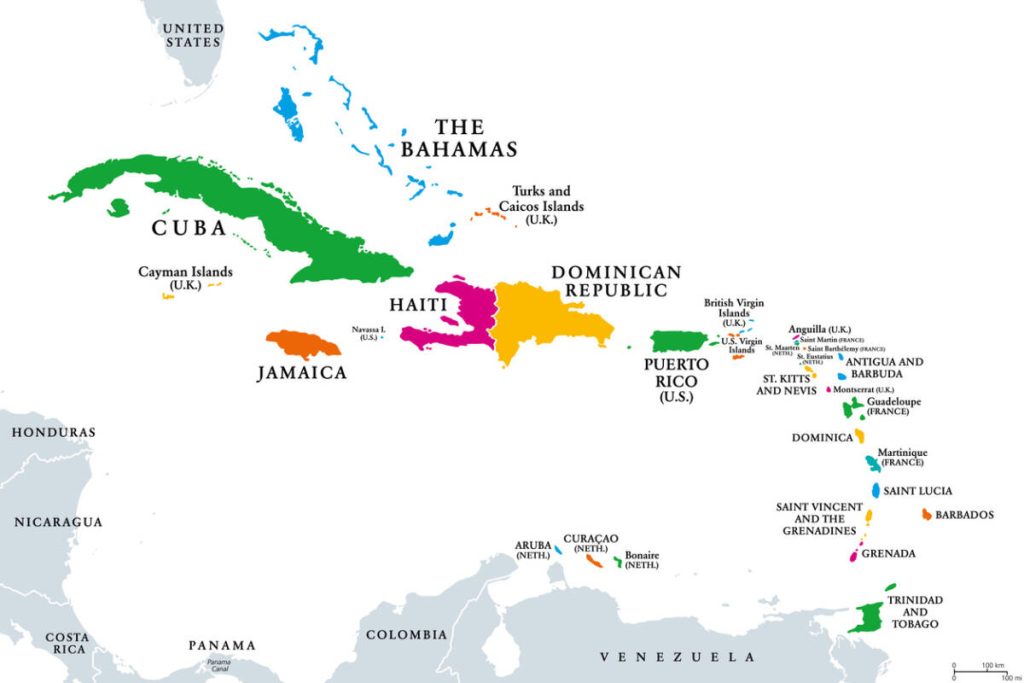
While much of the Caribbean relies on services, several nations are defined by their natural resources and industrial output. These countries offer a different risk-reward profile, more akin to traditional emerging market investing.
Guyana: The World’s Fastest-Growing Economy
Located on the northern coast of South America but culturally and politically part of the Caribbean (and the headquarters of CARICOM), Guyana is currently undergoing an unprecedented economic transformation. The discovery of massive offshore oil reserves has turned Guyana into one of the fastest-growing economies in the world. For investors in energy, infrastructure, and logistics, Guyana represents the frontier of Caribbean growth, with massive inflows of Foreign Direct Investment (FDI) reshaping the nation’s GDP overnight.
Trinidad and Tobago: The Industrial Powerhouse
Trinidad and Tobago stands out as one of the most industrialized nations in the English-speaking Caribbean. Its economy is underpinned by a robust energy sector, particularly liquefied natural gas (LNG) and petrochemicals. For the business-minded individual, Trinidad offers a more diversified industrial base than its neighbors, with opportunities in manufacturing and regional distribution hubs.
The Dominican Republic: A Diversified Success Story
The Dominican Republic has consistently outperformed its neighbors in terms of GDP growth over the last decade. It boasts a diverse economy that includes mining (gold and ferronickel), manufacturing in “Free Trade Zones,” and a massive tourism sector. Its legal framework has been modernized to attract foreign investment in real estate and energy, making it a cornerstone for regional portfolio diversification.
Real Estate and Sustainable Infrastructure Investment
Real estate remains one of the most tangible ways to move capital into the Caribbean. Beyond simple vacation homes, the focus has shifted toward high-end developments and sustainable infrastructure.
Barbados: Luxury Real Estate and the “Welcome Stamp”
Barbados has successfully positioned itself as a premium brand. Its real estate market, particularly on the “Platinum Coast,” remains resilient even during global downturns. Furthermore, the introduction of the “12-Month Barbados Welcome Stamp” has attracted high-earning remote workers, creating a new niche for medium-term rental yields and service-based business finance.
Jamaica: Logistics and Urban Redevelopment
Jamaica is increasingly being viewed as a logistics hub for the Americas. With its strategic location near the Panama Canal, investments in port facilities and special economic zones are at the forefront of the country’s economic strategy. Additionally, Kingston is seeing a resurgence in urban commercial real estate, driven by the growth of Business Process Outsourcing (BPO) centers.
The Shift Toward Green Energy Finance
Across the Caribbean, from Antigua and Barbuda to Jamaica, there is an urgent need for energy transition. High electricity costs—historically driven by imported fossil fuels—have created a massive opening for “Green Finance.” Investing in solar farms, wind energy, and geothermal projects in the Caribbean is not just a matter of ESG (Environmental, Social, and Governance) goals; it is a high-yield opportunity to disrupt one of the highest cost-of-living factors in the region.
Navigating the Caribbean Regulatory and Tax Landscape
For any financial engagement in the Caribbean, understanding the regulatory environment is paramount. The region is under constant scrutiny from international bodies like the OECD and the FATF (Financial Action Task Force), which has led to increased transparency and rigorous Anti-Money Laundering (AML) protocols.
Tax Treaties and Bilateral Agreements
Many Caribbean countries have established Tax Information Exchange Agreements (TIEAs) and Double Taxation Agreements (DTAs). For the international business owner, selecting a country with a favorable DTA can significantly optimize tax liabilities and protect against the erosion of profits when moving money across borders.
The Role of the Eastern Caribbean Central Bank (ECCB)
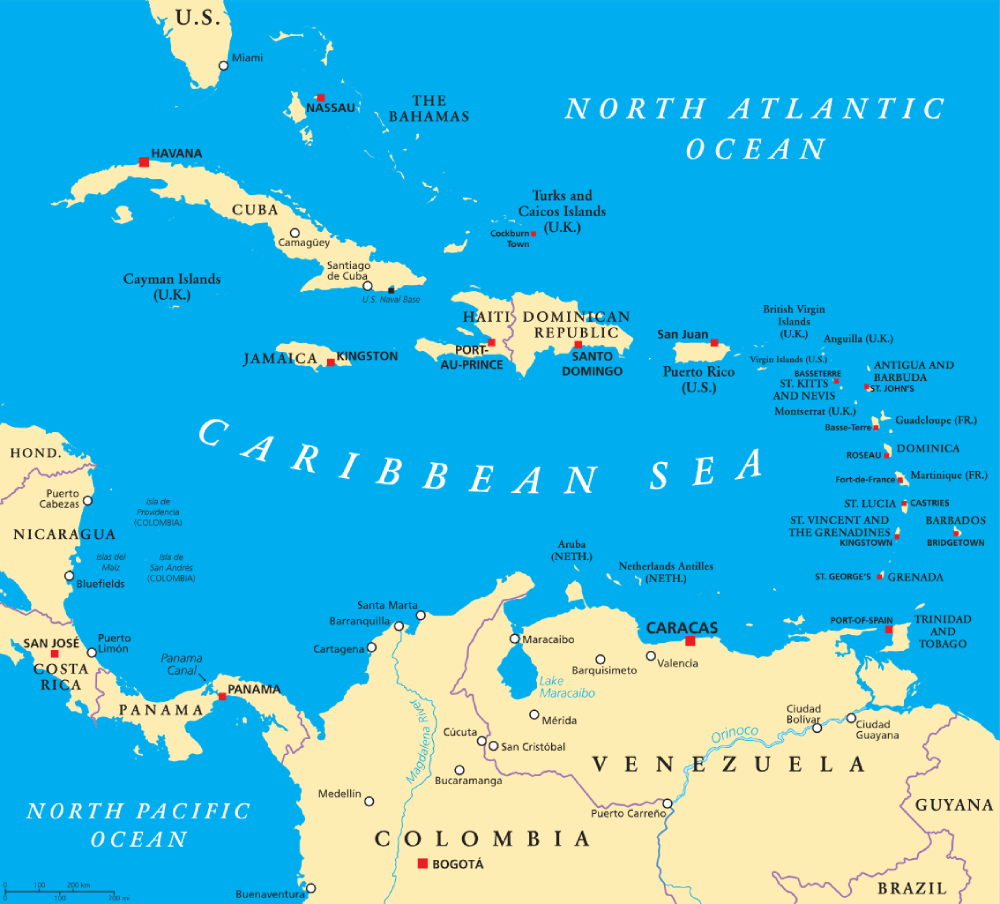
For investors looking at the smaller islands (such as Anguilla, Antigua and Barbuda, Dominica, Grenada, Montserrat, St. Kitts and Nevis, St. Lucia, and St. Vincent and the Grenadines), the stability of the Eastern Caribbean Dollar (XCD) is a major draw. Pegged to the U.S. Dollar since 1976, it provides a level of currency stability rarely found in other emerging markets, facilitating predictable financial planning and long-term capital preservation.
Compliance and Due Diligence
The “Money” landscape in the Caribbean is no longer the “Wild West” portrayed in 20th-century media. Modern investors must navigate strict “Know Your Customer” (KYC) requirements. Whether opening a corporate account in Barbados or applying for residency in the Cayman Islands, the level of due diligence is high. This evolution, while adding layers of bureaucracy, has ultimately strengthened the region’s financial integrity and made it a safer harbor for legitimate global capital.
In summary, the countries of the Caribbean offer a sophisticated menu of financial instruments and investment opportunities. From the institutional depths of the Cayman Islands to the explosive growth of Guyana and the strategic mobility offered by St. Kitts and Nevis, the region is a vital component of the global financial system. For those who can navigate its nuances, the Caribbean is much more than a destination—it is a strategic asset class.
aViewFromTheCave is a participant in the Amazon Services LLC Associates Program, an affiliate advertising program designed to provide a means for sites to earn advertising fees by advertising and linking to Amazon.com. Amazon, the Amazon logo, AmazonSupply, and the AmazonSupply logo are trademarks of Amazon.com, Inc. or its affiliates. As an Amazon Associate we earn affiliate commissions from qualifying purchases.