
Navigating the world of car insurance can often feel like a complex maze, especially when your primary goal is to find the most affordable yet reliable coverage. For many drivers, car insurance represents a significant recurring expense, making the quest for cheaper options a continuous priority. However, merely seeking the “cheapest” policy without understanding the underlying factors and potential pitfalls can lead to inadequate coverage and costly surprises down the road. This guide aims to demystify the process, providing insightful strategies and practical advice to help you secure the most competitive rates on car insurance without compromising essential protection.
The price of car insurance is not a one-size-fits-all scenario. It’s a highly personalized calculation based on a multitude of variables unique to you, your vehicle, and your driving habits. By understanding these influencing factors and knowing where to look for savings, you can significantly reduce your annual premiums and keep more money in your pocket, aligning perfectly with sound personal finance principles.
Understanding the Factors That Influence Car Insurance Premiums
Before diving into how to find cheaper insurance, it’s crucial to grasp what drives the cost. Insurance companies are essentially assessing risk, and every piece of information you provide (or that they gather) contributes to that risk profile.
Driver-Related Factors: Age, Driving Record, Location
Your personal profile is a significant determinant of your premium. Younger, inexperienced drivers (typically under 25) often face higher rates due to statistical data indicating a greater likelihood of accidents. Conversely, mature drivers with decades of clean records usually enjoy lower premiums. Your driving history is paramount; tickets, at-fault accidents, or DUI convictions will almost certainly lead to higher rates, sometimes for several years. Insurers view these as indicators of high risk.
Furthermore, where you live and park your car plays a crucial role. Urban areas with higher traffic density, crime rates (vehicle theft, vandalism), or a greater incidence of accidents typically have higher premiums than rural areas. Even your specific zip code within a city can impact your rates, reflecting localized risk factors. Commute length and usage (personal vs. business) also factor in, as more time on the road generally equates to higher exposure to risk.
Vehicle-Related Factors: Make, Model, Age, Safety Features
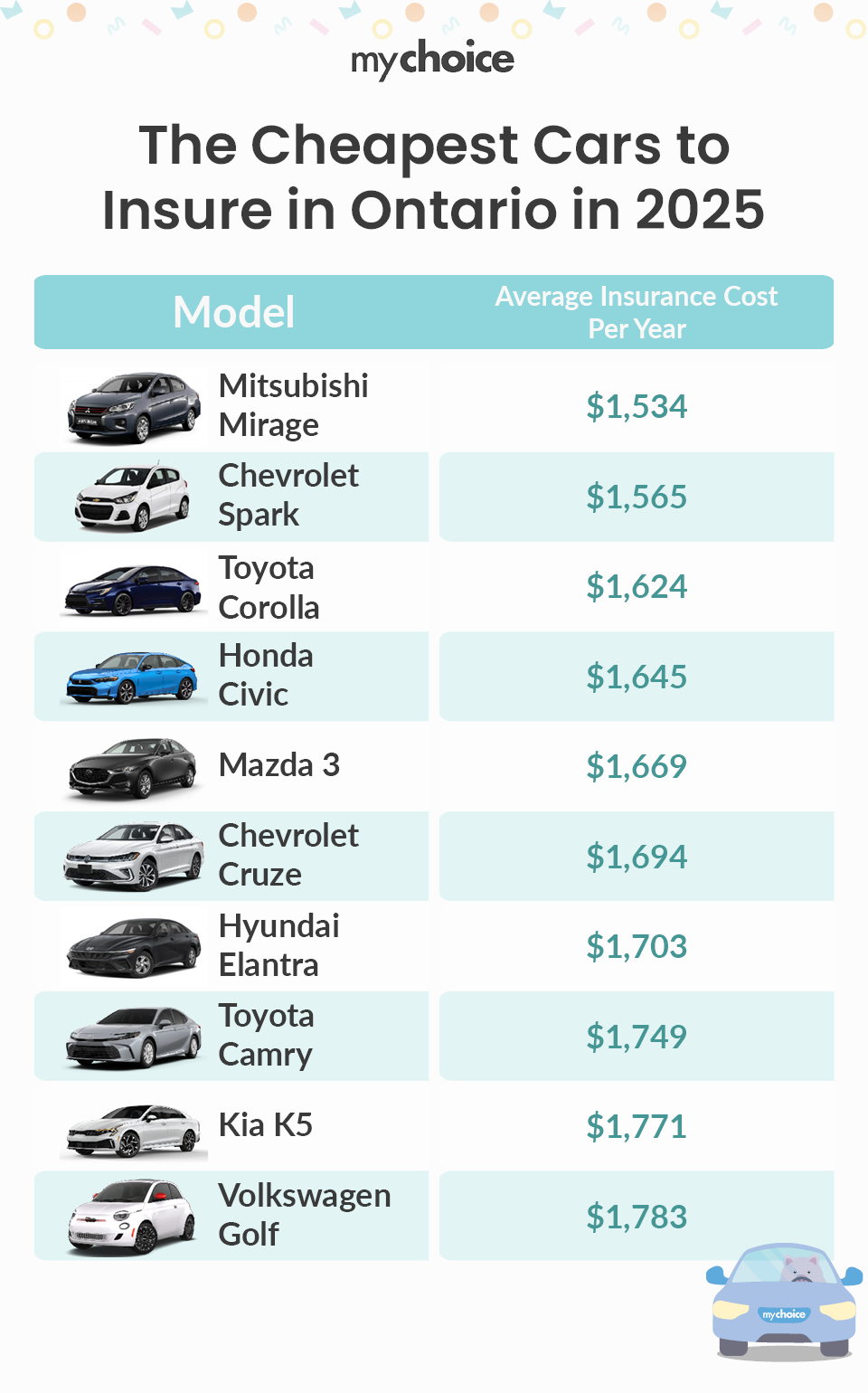
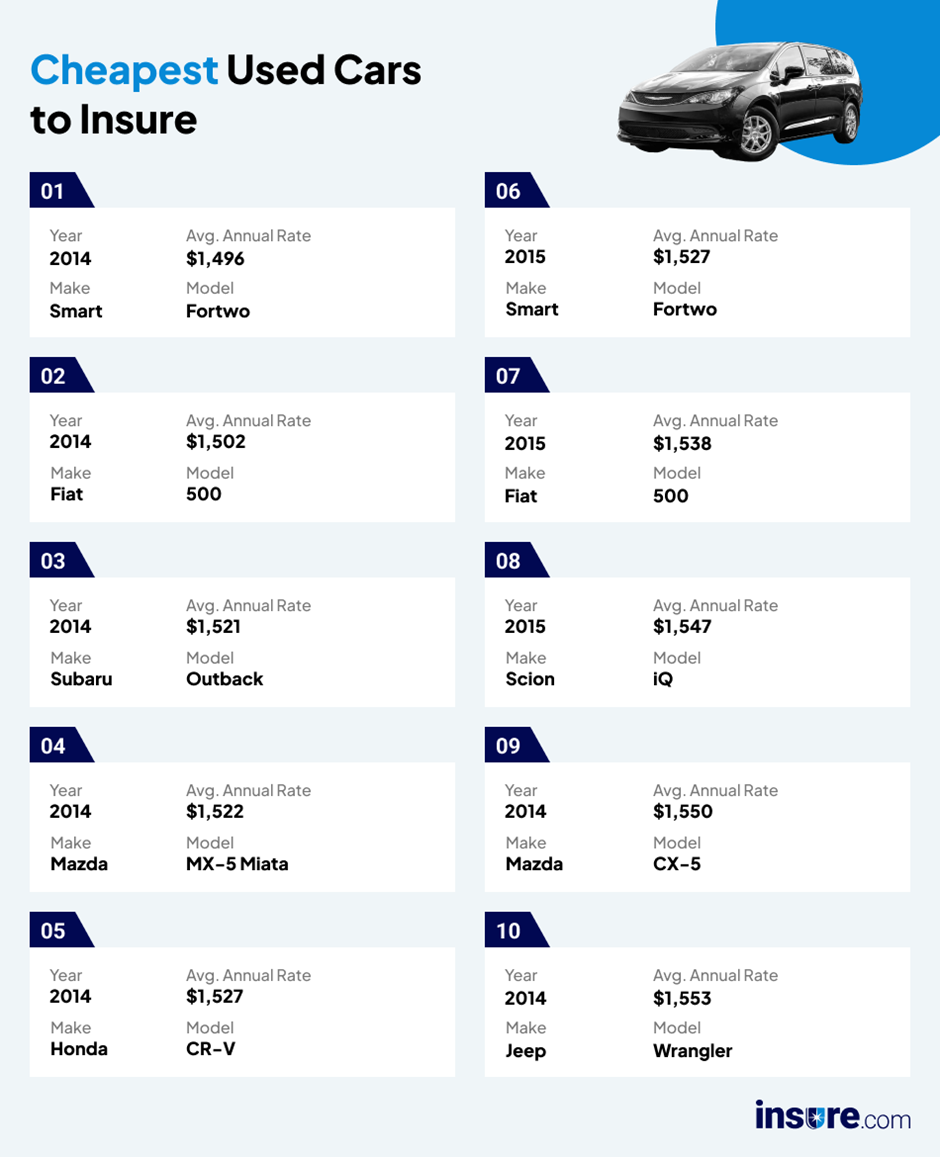
The car you drive is another major piece of the puzzle. Vehicles that are expensive to repair or replace, such as luxury cars or high-performance sports cars, will naturally have higher insurance costs. Similarly, cars that are frequently stolen or are prone to specific types of damage can also see elevated premiums. On the other hand, older, less valuable cars might have lower comprehensive and collision costs, though liability coverage remains unaffected.
Crucially, modern safety features can work in your favor. Anti-lock brakes, airbags, anti-theft devices, stability control, and advanced driver-assistance systems (ADAS) like automatic emergency braking or lane-keeping assist can qualify you for discounts, as they reduce the likelihood or severity of accidents. Always inform your insurer of all safety features your car possesses.
Coverage Choices and Deductibles
The type and amount of coverage you select are perhaps the most direct levers you have over your premium. State laws mandate minimum liability coverage, which pays for damages and injuries you cause to others. However, opting for only the minimum might be cheap initially but could leave you financially exposed if you’re involved in a serious accident.
Beyond liability, common optional coverages include:
- Collision: Covers damage to your car from an accident, regardless of fault.
- Comprehensive: Covers non-collision damage, such as theft, vandalism, fire, or natural disasters.
- Uninsured/Underinsured Motorist: Protects you if the at-fault driver has no or insufficient insurance.
- Medical Payments/Personal Injury Protection (PIP): Covers medical expenses for you and your passengers.
Each additional layer of coverage adds to the premium. Similarly, your deductible – the amount you pay out-of-pocket before your insurance kicks in for collision and comprehensive claims – directly impacts your rate. A higher deductible means a lower premium, as you’re taking on more of the initial risk. While a higher deductible can save you money monthly, ensure you have the funds readily available should you need to file a claim.
Strategies to Secure the Most Affordable Car Insurance
Finding the cheapest car insurance isn’t about cutting corners; it’s about being strategic and proactive in your search. Several proven methods can significantly reduce your premiums.
Shopping Around and Comparing Quotes
This is arguably the most impactful strategy. Insurance rates vary wildly between providers for the exact same coverage. Each company uses its own proprietary algorithms to assess risk and set prices. What one insurer considers high risk, another might view as moderate. Therefore, obtaining quotes from multiple companies – at least 3-5 – is non-negotiable. Don’t just stick with your current insurer out of habit; loyalty doesn’t always pay off. Online comparison tools and independent insurance agents can streamline this process, allowing you to see side-by-side comparisons of different policies and prices. This step alone can uncover hundreds of dollars in potential savings annually.
Bundling Policies and Multi-Car Discounts
Most insurance companies offer discounts when you purchase multiple policies from them. The most common “bundle” is combining your car insurance with homeowners or renters insurance. This can often lead to significant savings on both policies, sometimes as much as 10-20% off your total premium. Similarly, if your household has more than one vehicle, insuring them all with the same company almost always results in a multi-car discount. Always inquire about these bundling options, as they are a straightforward way to save.
Utilizing Telematics and Usage-Based Insurance
In recent years, telematics programs, often referred to as usage-based insurance (UBI), have gained popularity as a way to personalize rates. These programs involve installing a small device in your car or using a smartphone app to monitor your driving habits, such as mileage, speed, braking, acceleration, and time of day you drive. If you demonstrate safe driving behaviors, you can qualify for substantial discounts. This is particularly beneficial for low-mileage drivers or those who consistently exhibit safe habits. While some drivers might be wary of data collection, for careful drivers, it’s a powerful tool to prove lower risk and earn cheaper rates.
Improving Your Credit Score (Where Applicable)
In many states (though not all), insurance companies use credit scores as a factor in determining premiums. Insurers have found a correlation between higher credit scores and a lower likelihood of filing claims. A strong credit history suggests financial responsibility, which is often seen as indicative of responsible behavior overall. Improving your credit score by paying bills on time, reducing debt, and monitoring your credit report can indirectly lead to lower insurance premiums over time. It’s a financial habit that pays dividends in multiple areas of your financial life.
Leveraging Discounts and Special Programs
Beyond the core strategies, a multitude of specific discounts can further trim your insurance costs. It’s essential to be proactive and ask your insurer about every discount you might qualify for, as they won’t always automatically apply them.
Common Discounts: Good Student, Low Mileage, Safety Features
Many insurers reward specific demographics and behaviors:
- Good Student Discount: High school or college students with good academic records (B average or higher) can often receive a discount, recognizing that responsible students tend to be responsible drivers.
- Low Mileage Discount: If you drive fewer miles than the average driver, you pose less risk. Commuting less, working from home, or using public transport can qualify you for this.
- Vehicle Safety Features: As mentioned, features like anti-lock brakes, airbags, anti-theft systems, and advanced driver-assistance systems (ADAS) can lead to discounts. Always ensure your insurer knows about these.
- Paid-in-Full Discount: Paying your annual or semi-annual premium upfront, rather than in monthly installments, can often result in a small discount as it reduces administrative costs for the insurer.
- Paperless/E-Sign Discount: Opting for electronic documents and online bill pay can also earn you a minor discount.
Defensive Driving Courses and Accident Prevention Programs
Completing an approved defensive driving course can often lead to a discount on your premiums, especially if you’re a newer driver or have had a recent infraction. These courses demonstrate a commitment to safe driving and can refresh your knowledge of traffic laws and defensive techniques. Some states even mandate a discount for completing such courses. Similarly, some insurers offer accident prevention programs, often tied to telematics, which reward consistent safe driving.
Employer and Affinity Group Discounts
Many insurance companies partner with employers, professional organizations, alumni associations, or other affinity groups to offer group rates or special discounts to their members. Check with your employer, any clubs or associations you belong to, or your alma mater to see if such discounts are available. These can sometimes provide substantial savings that you wouldn’t find otherwise.
Navigating Different Types of Car Insurance Providers
The landscape of car insurance providers is diverse, and where you choose to purchase your policy can significantly impact both price and service.
Large National Carriers vs. Regional Insurers
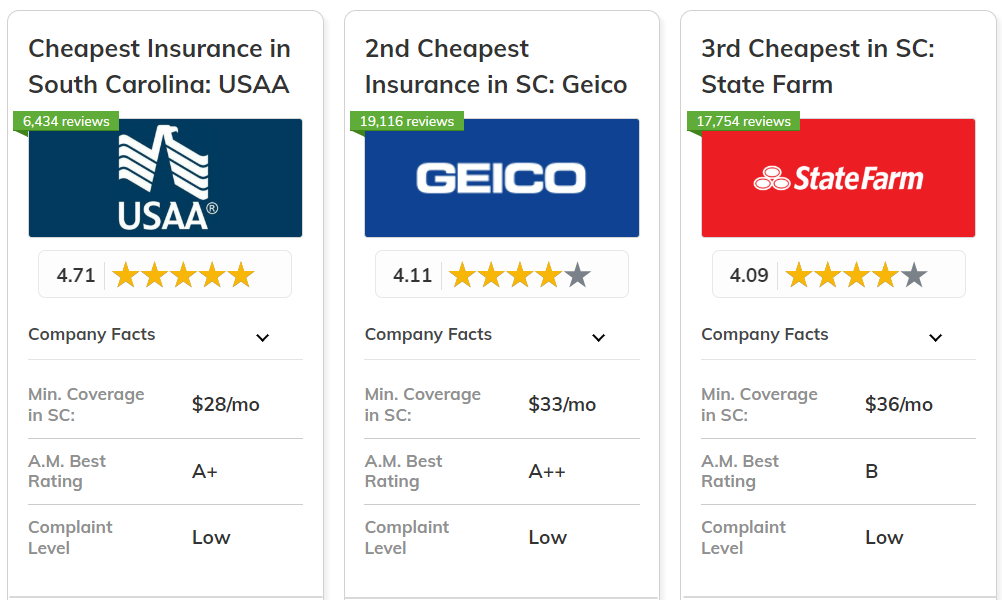
Major national insurance companies (e.g., State Farm, GEICO, Progressive, Allstate, Farmers, USAA) have extensive resources, broad coverage options, and often large advertising budgets. They can offer a wide range of discounts and convenience through extensive agent networks or robust online platforms. However, don’t overlook regional or local insurers. These smaller companies might offer more personalized service and, in some cases, more competitive rates for specific local markets, as they have a more focused risk pool. It’s worth getting quotes from both national and regional players.
Online-Only Insurers and Comparison Websites
The rise of online-only insurers and comparison websites has revolutionized how people shop for car insurance. Companies like Lemonade (in select markets), Root Insurance, and others operate primarily online, often with lower overheads that can translate into cheaper premiums. Comparison websites (e.g., The Zebra, QuoteWizard, Bankrate) allow you to enter your information once and receive multiple quotes from various providers, significantly simplifying the shopping process. While convenient, always double-check the coverage details to ensure you’re comparing apples to apples.
Working with Independent Agents
An independent insurance agent works for you, not a single insurance company. They have relationships with multiple insurers and can shop around on your behalf to find the best rates and coverage options. This can save you time and provide expert guidance, especially if your situation is complex or you prefer a more personalized touch. They can explain different policy features, help you understand exclusions, and assist with the claims process should the need arise.
Important Considerations Beyond Just Price
While finding the cheapest car insurance is a valid goal, it should never come at the expense of adequate protection or reliable service. A policy that is incredibly cheap but leaves you underinsured after an accident could prove to be far more expensive in the long run.
The Importance of Adequate Coverage
The primary purpose of insurance is to protect your financial well-being. State minimum liability requirements are often insufficient to cover the costs of a serious accident, which can easily run into hundreds of thousands of dollars for medical bills and property damage. Without adequate coverage, you could be personally liable for the difference, potentially leading to asset seizure or wage garnishment. It’s crucial to assess your assets and risk tolerance and choose liability limits that provide a comfortable buffer. Consider umbrella insurance for additional liability protection if you have significant assets.
Evaluating Customer Service and Claims Process
A low premium is meaningless if your insurance company is unresponsive or difficult to deal with when you need them most. Before committing to a cheap policy, research the insurer’s reputation for customer service and claims handling. Look at customer reviews, check ratings from independent organizations like J.D. Power, and read reports from consumer advocacy groups. A smooth and efficient claims process is invaluable during a stressful time, and a slightly higher premium for a reputable insurer might be a worthwhile investment.
Understanding Policy Terms and Exclusions
Always read your policy documents carefully. Understand what is covered, what is excluded, and any specific conditions or limitations. For example, some policies might have exclusions for certain types of vehicle modifications, or limit coverage if you use your car for ridesharing without a specific endorsement. Being fully informed about your policy prevents unwelcome surprises and ensures you have the protection you expect.
In conclusion, finding the cheapest car insurance is an achievable goal for financially savvy individuals. By understanding the factors that influence premiums, proactively shopping around, leveraging all available discounts, and choosing the right type of provider, you can significantly reduce your auto insurance costs. However, remember that the “cheapest” policy is not always the best. A balanced approach that prioritizes adequate coverage and reliable service, alongside cost savings, will ultimately lead to the smartest financial decision for your vehicle protection. Regular review of your policy – at least once a year or whenever life circumstances change – ensures you always have the most competitive rates for your current needs.
aViewFromTheCave is a participant in the Amazon Services LLC Associates Program, an affiliate advertising program designed to provide a means for sites to earn advertising fees by advertising and linking to Amazon.com. Amazon, the Amazon logo, AmazonSupply, and the AmazonSupply logo are trademarks of Amazon.com, Inc. or its affiliates. As an Amazon Associate we earn affiliate commissions from qualifying purchases.