
In the modern era of global connectivity, travel has transitioned from a luxury reserved for the elite to a manageable line item in the average household budget. The democratization of flight is largely due to the rise of Low-Cost Carriers (LCCs), which have revolutionized the economics of aviation. For the savvy traveler or the budget-conscious business professional, understanding who the cheapest airlines are—and how they maintain those price points—is a crucial component of personal finance management.
When we ask, “What are the cheapest airlines?” we are not merely looking for a list of names; we are examining a sophisticated financial model designed to minimize overhead and maximize seat occupancy. This guide explores the titans of budget travel and the financial strategies you can employ to ensure your transit costs remain at an absolute minimum.
The Financial Architecture of Low-Cost Carriers
To understand why certain airlines are consistently cheaper than others, one must look at their underlying business models. These companies do not simply “discount” tickets; they re-engineer the entire financial process of flying to strip away unnecessary costs.
Unbundling Services: The “A La Carte” Revenue Model
The most significant shift in airline finance over the last two decades has been “unbundling.” Legacy carriers traditionally included baggage, meals, and seat selection in the base fare. Budget airlines, however, operate on a “pay-for-what-you-use” basis. By offering a bare-minimum “seat-only” fare, they lower the entry price for consumers.
From a personal finance perspective, this is advantageous. It allows a traveler with only a backpack to avoid subsidizing the heavy luggage of another passenger. However, it requires a disciplined approach to budgeting, as “ancillary fees”—charges for carry-ons, printing boarding passes at the airport, or onboard water—can quickly inflate the total cost if not accounted for during the initial purchase.
Operational Efficiency and Secondary Airports
Budget airlines maintain low prices through extreme operational efficiency. They often fly a single type of aircraft (such as the Boeing 737 or Airbus A320), which drastically reduces maintenance costs and simplifies staff training. Financially, this uniformity allows for better volume discounts on parts and fuel.
Furthermore, many of the world’s cheapest airlines fly into secondary airports. For example, instead of flying into London Heathrow, a budget carrier might land at Stansted or Luton. These airports charge lower landing fees to the airlines, a saving that is passed directly to the consumer. For the traveler, the financial calculation must include the cost of ground transportation from these further-flung hubs to the city center.
Top Global Contenders for the Cheapest Airfare
The landscape of budget aviation is divided by region, with specific players dominating the market through aggressive pricing and expansive networks.
Europe’s Budget Giants: Ryanair and EasyJet
Ryanair is arguably the most famous low-cost carrier in the world, often cited as the pioneer of the ultra-low-cost model. Based in Ireland, Ryanair’s financial strategy involves high-frequency flights and rapid turnaround times (often keeping planes on the ground for only 25 minutes). This maximizes the revenue generated per aircraft per day.
EasyJet offers a slightly different value proposition, often flying into primary airports while maintaining competitive pricing. For a European traveler, these two airlines represent the gold standard of cost-saving. By booking during their frequent “seat sales,” it is entirely possible to secure international flights for less than the cost of a mid-range dinner.
North American Value: Southwest and Spirit
In the United States, the “cheap airline” conversation is dominated by two different philosophies. Southwest Airlines is the veteran of the industry, famous for its “Bags Fly Free” policy. While their base fares may occasionally be higher than competitors, their lack of hidden fees makes them a favorite for domestic travelers looking for predictable financial outcomes.
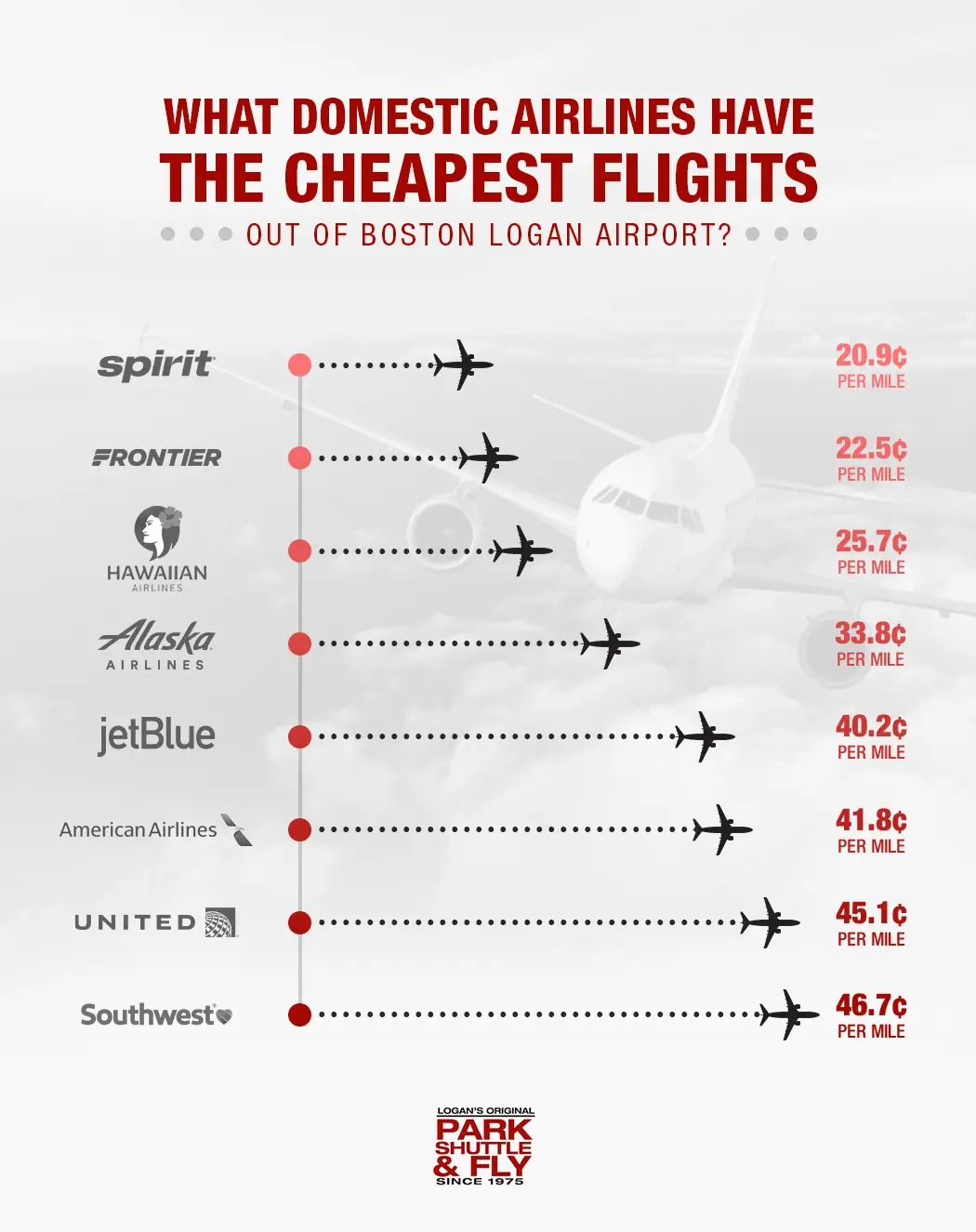
On the other end of the spectrum is Spirit Airlines (and its competitor Frontier). These are Ultra-Low-Cost Carriers (ULCCs). They offer the lowest “sticker price” in the industry but are aggressive with ancillary fees. For a traveler who can travel light and forgo comforts, Spirit is often the cheapest possible way to move between major U.S. cities.

The Rise of Asian Low-Cost Carriers: AirAsia and IndiGo
Asia has seen the fastest growth in budget aviation over the last decade. AirAsia has been named the world’s best low-cost airline multiple times, offering an extensive network across Southeast Asia at prices that often defy logic. Their success is built on a massive scale and a highly digitalized booking ecosystem that reduces administrative overhead.
In India, IndiGo has captured the market by focusing on punctuality and a “no-frills” approach. In a rapidly developing economy, IndiGo provides a vital financial service, making air travel accessible to a massive middle class that previously relied on slower rail networks.
Strategic Booking: Financial Tactics to Secure the Lowest Rates
Identifying the cheapest airlines is only half the battle; the other half is knowing when and how to engage with their pricing algorithms. Airline pricing is dynamic, meaning costs fluctuate based on demand, timing, and even browsing behavior.
The Timing Factor: The “Goldilocks Window”
From a financial planning standpoint, timing is everything. Data suggests that for domestic flights, the “Goldilocks Window” for booking is typically 1 to 3 months in advance. For international travel, this expands to 2 to 8 months. Booking too early can be just as expensive as booking too late, as airlines haven’t yet released their most competitive “load-filling” rates.
Furthermore, the day of the week you choose to fly impacts the price significantly. Mid-week flights (Tuesdays and Wednesdays) are statistically cheaper because they avoid the weekend rush of leisure travelers and the Monday/Friday rush of business commuters. Shifting your schedule by just 24 hours can result in a 20-30% reduction in travel expenses.
Navigating the Digital Marketplace
To find the absolute lowest prices, travelers must use financial tools like meta-search engines (Skyscanner, Google Flights, or Kayak). These platforms aggregate data from hundreds of airlines, allowing for side-by-side price comparisons.
A key tactic used by savvy travelers is “hidden city ticketing” or “multi-city” searches, though these come with risks. More reliably, using a VPN to check prices from different geographical locations can sometimes reveal lower fares offered to local markets. However, the most consistent way to save money is to clear browser cookies or use “Incognito” mode to prevent airlines from raising prices based on your repeated interest in a specific route.
Beyond the Ticket Price: Evaluating the True Value of a Flight
In the world of personal finance, the “cheapest” option is not always the best “value.” A holistic view of travel expenses is necessary to ensure that a low-cost flight doesn’t lead to high-cost complications.
Calculating the Total Cost of Travel
When comparing a $50 flight on a budget carrier with a $150 flight on a full-service airline, one must perform a total cost analysis.
- Baggage: If you require a checked bag, the budget airline may charge $60, bringing the total to $110.
- Transport: If the budget airline lands at a remote airport, the bus or train into the city might cost $30, bringing the total to $140.
- Time: If the remote airport adds three hours of travel time, what is the value of your time?
Often, the price gap narrows significantly. A professional approach to travel budgeting involves looking at the “door-to-door” cost rather than the “gate-to-gate” price.
Leveraging Loyalty and Financial Tools
Finally, the cheapest way to fly is often through the strategic use of credit card rewards and frequent flyer programs. Many airlines offer co-branded credit cards that provide “companion passes,” free checked bags, or sign-up bonuses that can be redeemed for flights.
By funneling daily expenses (groceries, utilities, business costs) through a high-yield travel rewards card, a traveler can accumulate “miles” that effectively reduce the cost of a flight to near zero (plus taxes). In this context, the “cheapest” airline is the one that allows you to maximize your points-to-dollar ratio.

Conclusion
Finding the cheapest airlines is a foundational skill for anyone looking to optimize their personal or business finances. By understanding the unbundled economic models of carriers like Ryanair, Spirit, and AirAsia, and by applying rigorous booking strategies, you can significantly reduce your annual travel spend. However, always remember that true financial wisdom lies in assessing the total value—balancing the sticker price against the hidden costs of time, transport, and convenience. With the right analytical approach, the world remains accessible without compromising your financial goals.
aViewFromTheCave is a participant in the Amazon Services LLC Associates Program, an affiliate advertising program designed to provide a means for sites to earn advertising fees by advertising and linking to Amazon.com. Amazon, the Amazon logo, AmazonSupply, and the AmazonSupply logo are trademarks of Amazon.com, Inc. or its affiliates. As an Amazon Associate we earn affiliate commissions from qualifying purchases.