
In the contemporary landscape, the question of “what are the causes of racism” has migrated from the purely sociological realm into the world of bits, bytes, and neural networks. As we transition into a society governed by automated decision-making, the origins of racial bias have become increasingly technical. While traditional racism is rooted in human prejudice and historical systems, “Technological Racism” or “Algorithmic Bias” arises from the way we design, train, and deploy software.
To understand the modern causes of systemic inequality, we must look at the infrastructure of the digital world. The causes are no longer just found in individual intent but in the data architectures, machine learning models, and lack of diversity within the technology sector itself.
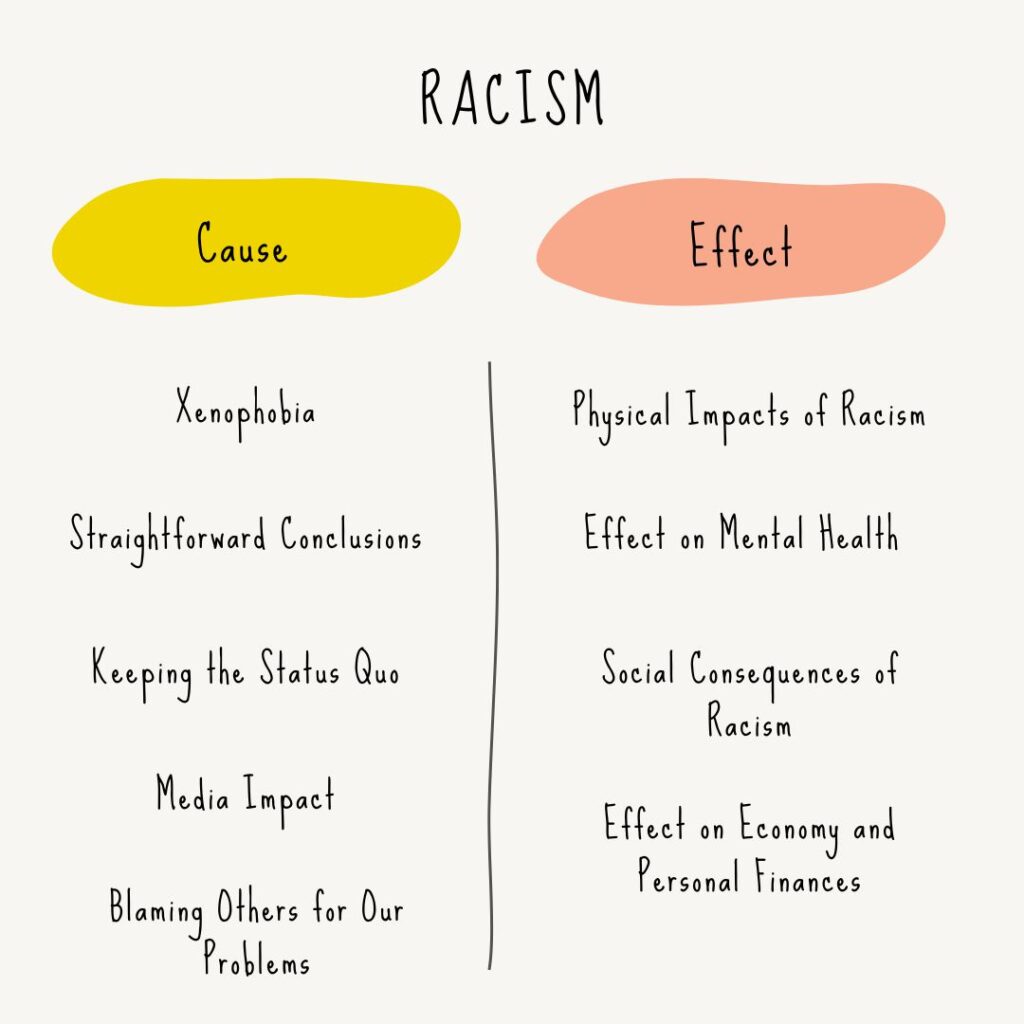
1. The Data Provenance Problem: Historical Bias in Training Sets
One of the primary technical causes of racism in modern AI tools and software is the data used to train them. Machine learning models are not sentient; they are pattern-recognition engines. If the data fed into these engines contains historical inequities, the resulting software will not only reflect those inequities but amplify them.
The Legacy of “Garbage In, Garbage Out”
In computer science, the principle of “Garbage In, Garbage Out” (GIGO) dictates that the quality of output is determined by the quality of input. When developers use historical datasets to train recruitment software, predictive policing tools, or loan approval algorithms, they are essentially feeding the machine a “history of racism.” For example, if a financial software is trained on fifty years of mortgage data from an era where “redlining” was common, the algorithm learns that certain racial demographics are “high risk” based on a history of systemic exclusion rather than actual financial viability.
Data Under-Representation and Shadowing
Another technical cause of racism is the lack of diverse representation in training sets. Many facial recognition systems, for instance, were initially developed using datasets that were predominantly composed of Caucasian faces. This technical oversight causes the software to have significantly higher error rates for people of color. When a digital security tool or a smartphone’s biometric lock fails to recognize a darker skin tone, it is a direct result of a “data desert”—a lack of inclusive information during the development phase.
2. Algorithmic Architecture and the “Black Box” Effect
Even with clean data, the way algorithms are structured can lead to racist outcomes. The complexity of modern AI means that even the developers often cannot explain exactly how a machine arrived at a specific conclusion. This is known as the “Black Box” problem, and it is a major catalyst for tech-driven bias.
The Problem of Proxy Variables
Algorithms often use “proxy variables” that stand in for race even when racial data is explicitly removed. For example, an AI tool used for digital marketing or insurance pricing might not be allowed to see an individual’s race. However, it can see their zip code, their shopping habits, and their social network. Because of historical geographic segregation, “zip code” often functions as a high-accuracy proxy for race. The algorithm discovers this correlation and begins to penalize users based on their location, effectively automating racial discrimination without ever “knowing” the user’s race.
Feedback Loops and Reinforcement Learning
Machine learning thrives on feedback. If a predictive policing algorithm suggests that more officers be sent to a specific neighborhood based on historical arrest data, those officers will naturally find more crime in that area because they are looking for it. That new data is then fed back into the algorithm, which “confirms” its initial bias and suggests even more patrols. This creates a technical feedback loop where the software causes a perpetual cycle of over-policing in communities of color, driven by a mathematical reinforcement of initial biases.
3. The Socio-Technical Gap: Diversity in the Tech Workforce

A significant cause of racism in technology is the demographic makeup of the teams building the tools. Software is not objective; it is a reflection of the priorities, perspectives, and blind spots of its creators.
The Homogeneity of Engineering Teams
When the vast majority of software engineers and product managers come from a similar socio-economic and racial background, they lack the “lived experience” necessary to identify potential biases in their products. A developer might not realize that a specific camera sensor doesn’t account for various skin reflections, or that a natural language processing (NLP) tool perceives certain dialects or accents as “unprofessional” or “incorrect.” The lack of diversity in Silicon Valley and global tech hubs is a structural cause of technical racism.
The Myth of Neutrality in Design
Many tech professionals operate under the “myth of neutrality,” believing that because math is objective, their code must be too. This mindset prevents rigorous ethical testing. Without a diverse team to challenge the status quo, software is often released with “default” settings that cater to the majority population while marginalizing others. This is not necessarily a result of individual malice, but a systemic failure of the design process to account for the global variety of human experience.
4. Surveillance Capitalism and Digital Security Risks
The rise of high-tech surveillance has introduced new causes of racial tension, particularly through digital security tools and biometric monitoring.
Facial Recognition and Misidentification
In the realm of digital security, facial recognition technology has become a cornerstone of law enforcement and private security. However, studies from organizations like MIT and NIST have shown that these tools are 10 to 100 times more likely to misidentify a person of color compared to a white individual. The technical cause is a combination of poor lighting algorithms and biased training libraries. The real-world consequence is a form of digital racism where innocent individuals are flagged by security systems due to technical inadequacy.
Automated Inequality in the Gig Economy
Many apps and platforms in the gig economy use automated management systems to track and reward workers. These apps often penalize workers for taking breaks or deviating from “optimized” routes. However, these “optimizations” rarely account for the fact that workers of color may face different challenges, such as longer wait times in certain areas or different security risks. When the software treats all users as a monolith, it ignores the racialized realities of the physical world, leading to lower earnings and higher stress for marginalized groups.
5. Mitigation Strategies: Engineering an Equitable Future
To address the causes of racism in technology, the industry must move beyond apologies and toward structural, technical solutions. We must treat “bias” as a software bug that needs to be patched.
Algorithmic Auditing and Transparency
The first step in technical mitigation is the implementation of mandatory algorithmic audits. Just as software undergoes “penetration testing” to find security vulnerabilities, it should undergo “bias testing” to identify racial disparities. Companies must be transparent about the datasets they use and the weighting systems within their models. Tools like “AI Fairness 360” (an open-source toolkit) are beginning to help developers detect and mitigate bias in their machine learning models.
Inclusive Engineering and Ethical AI Frameworks
The tech industry must adopt an “Inclusive Engineering” framework. This involves diversifying the workforce at every level—from entry-level coders to the C-suite—and integrating ethical reviews into the Software Development Life Cycle (SDLC). By treating ethics as a core technical requirement rather than an afterthought, developers can build tools that serve everyone. This includes designing for “edge cases”—which are often just the lived realities of non-majority groups—to ensure that the digital future is as equitable as it is innovative.

Conclusion
Understanding what the causes of racism are in the 21st century requires us to look under the hood of our most popular apps and platforms. Racism in the tech niche is a product of historical data, flawed algorithmic logic, and a lack of diversity in the development room. By acknowledging that technology is not inherently neutral, we can begin the hard work of debugging our systems and coding a future that values equity as much as efficiency.
aViewFromTheCave is a participant in the Amazon Services LLC Associates Program, an affiliate advertising program designed to provide a means for sites to earn advertising fees by advertising and linking to Amazon.com. Amazon, the Amazon logo, AmazonSupply, and the AmazonSupply logo are trademarks of Amazon.com, Inc. or its affiliates. As an Amazon Associate we earn affiliate commissions from qualifying purchases.