
The term “Big Five” conjures immediate images of Africa’s most formidable and awe-inspiring wildlife. Far more than just a list of species, the Big Five represents one of the most powerful and enduring brands in global tourism and conservation. Understanding what these animals are, and critically, how their collective identity has been strategically branded, marketed, and leveraged, offers profound insights into corporate identity, destination marketing, and the very economics of wildlife appreciation.
The Genesis of an Iconic Brand: From Hunter’s Legacy to Marketing Powerhouse
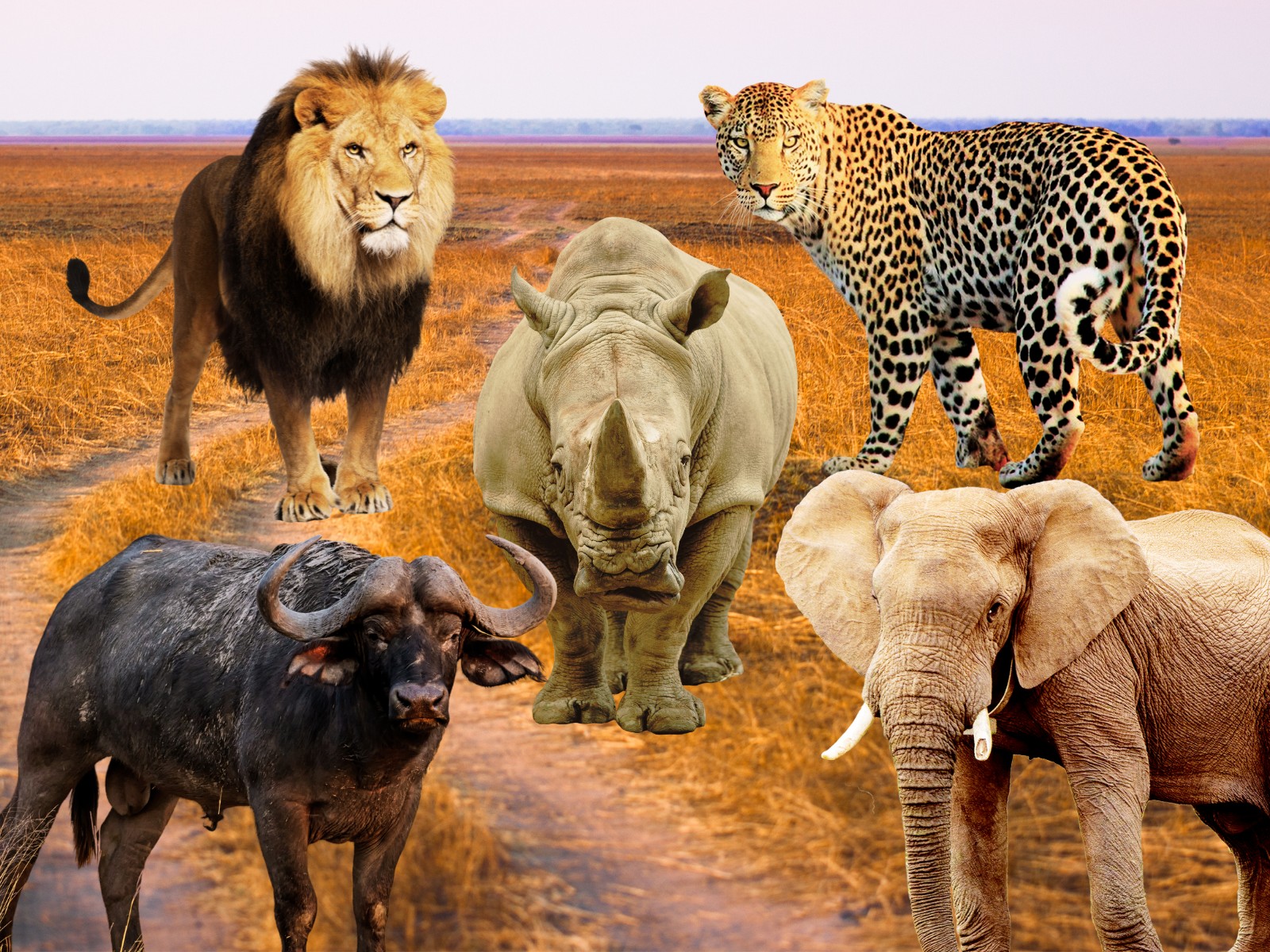
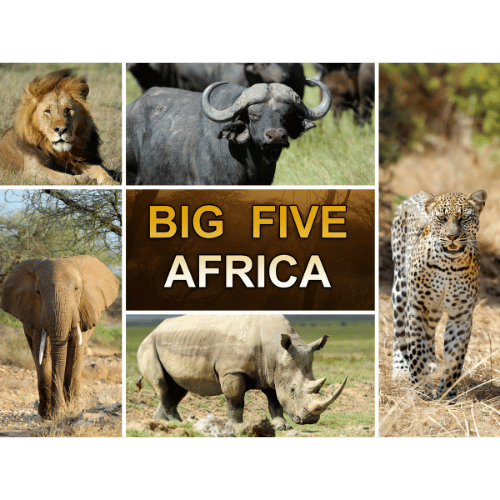
The origin of the “Big Five” is rooted not in conservation or tourism, but in the challenging and dangerous pursuits of big game hunting. The term historically referred to the five most difficult and perilous animals to hunt on foot in Africa: the lion, leopard, elephant, rhino (both black and white species), and Cape buffalo. Their formidable nature, combined with their elusiveness and unpredictable behavior, made them the ultimate trophies for hunters. Over time, as hunting gave way to photographic safaris, the intrinsic danger and mystique associated with these animals were repurposed, transforming the “Big Five” from a hunter’s checklist into an aspirational identifier for wildlife enthusiasts.
This transition was a brilliant, albeit organic, rebranding exercise. The inherent challenge and exclusivity of encountering these five species translated perfectly into the tourism narrative, creating an immediate, tangible goal for safari-goers. It offered a compelling value proposition: witness the most iconic and powerful creatures on the continent. This shift effectively transformed a morbid “trophy” into an exhilarating “sighting,” leveraging the same core appeal – prestige and excitement – but repositioning it for a new, broader, and more ethical market. The brand narrative became one of adventure, discovery, and connection with wild nature, setting a clear, marketable objective for potential tourists.
Defining the Core Brand Elements: Identity and Aspiration
Each animal within the Big Five contributes unique characteristics to the overall brand identity, making the collective even more potent.
- The Lion: Often called the “King of the Jungle” (though predominantly found in savannas), the lion embodies power, majesty, and social complexity. Its brand persona is one of regal dominance, a symbol of untamed wilderness and leadership. Sighting a pride of lions is often the zenith of a safari experience, representing the ultimate validation of the trip’s adventurous promise.
- The Leopard: Elusive, solitary, and incredibly graceful, the leopard represents mystery and stealth. Its ability to melt into its surroundings and its preference for nocturnal activity make a sighting rare and therefore highly prized. The leopard’s brand element is one of exclusivity and the thrill of the chase – an encounter that feels truly earned.
- The African Elephant: The largest land animal, elephants are synonymous with intelligence, memory, and profound social bonds. They evoke a sense of ancient wisdom and immense power, yet also vulnerability in the face of human encroachment. Their brand speaks to grandeur, heritage, and the sheer scale of African wildlife.
- The Rhino (Black and White): Rhinos, with their prehistoric appearance and formidable horns, project an image of primeval strength and resilience. Critically endangered, they also carry a powerful conservation narrative. Their brand is a dual message of raw power and urgent fragility, underscoring the preciousness of their existence and the moral imperative to protect them.
- The Cape Buffalo: Often underestimated, the buffalo is known for its unpredictable temperament and formidable defensive capabilities. It represents the raw, untamed danger of the wild, a creature of immense strength and herd unity. Its brand element is one of rugged authenticity and the untamed spirit of Africa.
Together, these five species form a composite brand that is multifaceted: powerful, beautiful, dangerous, rare, and deeply symbolic of Africa’s wilderness. This inherent drama and diversity allow for a wide range of marketing angles and consumer connections.
Leveraging the Big Five in Destination Marketing: Crafting Compelling Narratives
The “Big Five” concept has become a cornerstone of African safari destination marketing. It provides a universally recognized shorthand for a particular type of immersive wildlife experience, simplifying complex itineraries into an easily digestible and highly aspirational goal. This brand acts as a powerful motivator, drawing millions of tourists annually to destinations like Kenya, Tanzania, South Africa, Botswana, and Zambia.
Marketing campaigns often revolve around the quest to “check off” the Big Five, playing on a sense of achievement and adventure. Photography, videography, and storytelling are meticulously crafted to highlight the drama and beauty of these animals, positioning them as central characters in an unfolding wilderness epic. The use of high-quality visuals of the Big Five – a lion’s roar, a leopard in a tree, elephants at a watering hole – is ubiquitous across brochures, websites, and social media, creating an immediate emotional connection with potential travelers.
Crafting Compelling Narratives: The Safari Story
Safari operators and national tourism boards don’t just sell trips; they sell stories. The Big Five provide the perfect protagonists for these narratives. A safari is framed as an expedition, a personal quest to witness these magnificent creatures in their natural habitat. Marketing copy often uses evocative language that emphasizes the rarity of sightings, the expertise of guides, and the thrill of the unexpected. The concept lends itself well to testimonials and user-generated content, where guests proudly share their “Big Five” achievements, further amplifying the brand’s reach and credibility through authentic experiences.
The brand strategy extends to creating a sense of urgency and exclusivity. By highlighting the endangered status of some members, particularly the rhino, marketers subtly incorporate a conservation message, suggesting that visiting now is not only an adventure but also a contribution to their survival. This adds a layer of ethical appeal to the brand, tapping into the growing consumer demand for responsible tourism.
Visual Identity and Design Principles: The Power of Iconography
The visual representation of the Big Five is critical to its brand success. Stylized logos featuring silhouettes of the animals are common, representing the essence of a safari adventure. These icons are instantly recognizable and transcend language barriers, making the brand globally accessible. The design often employs earthy tones, natural textures, and a minimalist aesthetic that evokes the vastness and serenity of the African landscape, while also communicating luxury and exclusivity.
From souvenir merchandise to lodge décor, the Big Five iconography permeates the entire safari experience. This consistent visual identity reinforces the brand message at every touchpoint, creating a cohesive and memorable impression on the consumer. The power of these images lies in their ability to convey a complex experience with simplicity and immediate emotional resonance.
Brand Strategy for Safari Operators: Differentiating Through Experience
While the Big Five provides a universal baseline, individual safari operators utilize sophisticated brand strategies to differentiate themselves within a competitive market. Simply promising Big Five sightings is no longer enough; it’s about how those sightings are facilitated and what unique experiences are woven around them.
Operators brand themselves based on various factors: the level of luxury, the exclusivity of their concessions, their commitment to conservation, the expertise of their guides, or the unique cultural immersions they offer alongside wildlife viewing. For example, some brands might specialize in walking safaris to emphasize a more intimate connection with nature, while others focus on photographic safaris with specialized equipment and guidance.

Differentiating Through Experience: The “How” of the Sighting
The core promise of seeing the Big Five remains, but operators differentiate by emphasizing the quality of the experience. This includes:
- Exclusivity: Branding based on access to private reserves where visitor numbers are limited, offering a more secluded and intimate viewing experience away from crowds. This targets a premium market segment seeking unparalleled privacy and personalized service.
- Expertise: Highlighting the deep knowledge and tracking skills of their guides, ensuring not just a sighting, but an insightful educational experience. This appeals to discerning travelers who value learning and a deeper understanding of wildlife behavior.
- Sustainability & Ethics: Branding around strong conservation partnerships, community engagement, and eco-friendly operations. This resonates with environmentally conscious consumers who want their travel choices to have a positive impact.
- Luxury & Comfort: Offering opulent lodges, gourmet dining, and seamless logistics, positioning the safari as a luxurious escape where every detail is catered for. This targets the high-end leisure market.
The Role of Storytelling in Engagement: Beyond the Checkbox
Effective branding goes beyond listing features; it tells a compelling story. Safari operators craft narratives that extend beyond merely seeing the Big Five to experiencing the drama, beauty, and emotional depth of the African wilderness. Guides are trained not just to spot animals, but to weave tales about individual animals, their territories, and their daily struggles for survival. This transforms a passive viewing into an active, engaging, and memorable encounter.
Digital platforms play a crucial role in disseminating these stories. Social media campaigns, blog posts, and high-definition video content allow operators to showcase the emotional impact of a safari, attracting a new generation of travelers who are influenced by authentic, engaging content. User-generated content, where guests share their personal Big Five encounters, becomes an invaluable tool for peer-to-peer marketing, leveraging the power of trusted recommendations.
Beyond the Safari: Conservation Branding
The brand equity of the Big Five extends far beyond tourism, playing a vital role in conservation efforts. Their iconic status makes them powerful flagships for fundraising and public awareness campaigns. When organizations like the World Wildlife Fund (WWF) or local African conservation groups seek support, images of lions, elephants, and rhinos are often front and center.
This “conservation branding” leverages the Big Five’s global recognition to draw attention to broader issues such as habitat loss, poaching, and climate change. Protecting the Big Five is presented as protecting the entire ecosystem they inhabit, as well as an invaluable part of the world’s natural heritage.
Protecting the Brand’s Equity: Ethical Branding and Sustainability
The future of the Big Five as a brand is inextricably linked to successful conservation. Poaching of rhinos and elephants, in particular, poses a direct threat not only to the species themselves but also to the integrity and sustainability of the entire Big Five brand. A world without these animals would diminish the allure of African safaris, severely impacting local economies and the very concept of wilderness tourism.
Ethical branding in this context means promoting responsible tourism practices, supporting anti-poaching initiatives, and engaging local communities in conservation efforts. Brands that demonstrate a genuine commitment to these principles build greater trust and loyalty among consumers who are increasingly mindful of their environmental and social impact. Sustainable branding ensures the long-term viability of the Big Five experience, preserving its magic for future generations.
The Future of the Big Five Brand: Adapting to Evolving Perceptions
The Big Five brand, while robust, must continue to evolve to remain relevant in a changing world. Modern travelers, particularly younger demographics, seek deeper, more authentic experiences beyond simply “checking off” a list. There’s a growing interest in understanding ecological roles, conservation challenges, and the broader biodiversity of an area.
This calls for a strategic expansion of the narrative. While the Big Five will always be a powerful draw, future branding might emphasize the “Tiny Five” (e.g., antlion, leopard tortoise, elephant shrew, rhino beetle, buffalo weaver) or the “Ugly Five” (e.g., wildebeest, hyena, marabou stork, vulture, warthog) to showcase the diversity and complexity of ecosystems. This moves beyond a purely anthropocentric view, encouraging a more holistic appreciation of wildlife.
Adapting to Evolving Consumer Perceptions: Beyond the Trophy Mentality
The traditional “trophy” aspect of the Big Five, even when repurposed for photography, can be perceived as outdated by some. Future branding will likely lean more into themes of respectful coexistence, ecological understanding, and the intrinsic value of wildlife. The emphasis will shift from conquest to communion, from passive viewing to active engagement and learning.
Operators are already responding by offering specialized safaris focusing on birdwatching, entomology, or specific ecosystems, broadening the appeal beyond the “star” attractions. This diversification helps to de-risk the brand from over-reliance on just five species and caters to a wider array of niche interests, ensuring the overall resilience of the African wildlife tourism sector.
Digital Engagement and Brand Innovation: Reaching New Audiences
Digital platforms remain crucial for the Big Five brand. Virtual reality (VR) and augmented reality (AR) experiences could offer immersive previews, while interactive educational content can deepen engagement before and after a trip. Social media will continue to be a primary channel for storytelling, influencer marketing, and direct consumer interaction. Brands that innovate in how they present and share the Big Five experience online will capture the attention of digitally native generations.
Ultimately, the Big Five is more than just a collection of animals; it’s a meticulously crafted and continually evolving brand that symbolizes adventure, wilderness, and the profound beauty of Africa. Its success lies in its ability to adapt, maintain its mystique, and consistently deliver on its promise of an unforgettable journey into the heart of the wild.
aViewFromTheCave is a participant in the Amazon Services LLC Associates Program, an affiliate advertising program designed to provide a means for sites to earn advertising fees by advertising and linking to Amazon.com. Amazon, the Amazon logo, AmazonSupply, and the AmazonSupply logo are trademarks of Amazon.com, Inc. or its affiliates. As an Amazon Associate we earn affiliate commissions from qualifying purchases.