
The presidential election, a quadrennial cornerstone of democratic governance, is far more than just a political contest; it’s a colossal economic event with profound implications that ripple through global markets. For a growing number of individuals, it also represents a unique speculative opportunity, giving rise to robust betting markets where participants wager on the outcome. Understanding these “betting odds” involves delving into a fascinating intersection of finance, probability, psychology, and political science. Far from mere gambling, the sophisticated analysis of these odds can offer valuable insights into perceived probabilities, market sentiment, and even potential economic futures, making it a pertinent subject for those interested in financial markets and strategic speculation. This article explores the intricacies of presidential election betting odds, dissecting their formation, interpretation, and strategic implications from a purely financial perspective.

Understanding the Mechanics of Political Betting Markets
Political betting markets operate on principles similar to traditional financial markets, where participants buy and sell “shares” in potential outcomes. However, instead of company stock, you’re investing in a candidate’s probability of winning. These markets are dynamic, constantly adjusting to new information and shifting sentiment, much like stock prices react to earnings reports or economic data.
How Odds Are Formulated and Adjusted
The initial odds in political betting markets are often set by market makers or algorithms that analyze a wide array of data points: historical election results, demographic trends, polling data, economic indicators, and even social media sentiment. These initial odds are essentially an educated guess about a candidate’s likelihood of winning, expressed as a payout ratio. For instance, odds of 2/1 (or +200 in American odds) mean a $100 bet yields a $200 profit if successful, implying a 33.3% probability of winning.
Once the market opens, however, the odds are primarily driven by the collective wisdom (or bias) of the crowd. Every bet placed adjusts the odds. If many people bet on one candidate, their odds will shorten (meaning a lower payout but a higher implied probability), while the odds of their opponents will lengthen. This self-correcting mechanism ensures that the odds reflect the current market perception of each candidate’s chances. Major news events—such as a strong debate performance, a gaffe, a new poll, or a significant policy announcement—can cause swift and dramatic shifts in these odds, leading to opportunities for shrewd traders.
The Role of Prediction Markets vs. Traditional Sportsbooks
It’s crucial to distinguish between traditional sportsbooks and prediction markets. Traditional sportsbooks (often illegal for political betting in the U.S. but popular elsewhere) operate like bookmakers, taking a commission (the “vig” or “juice”) and aiming to balance their books to ensure a profit regardless of the outcome. They set odds, and you place a bet against them.
Prediction markets, like PredictIt or Iowa Electronic Markets (IEM), function more like exchanges. Participants trade “shares” representing candidates, with each share paying out $1 if that candidate wins and nothing if they lose. The current price of a share directly reflects the market’s perceived probability of that candidate winning. For example, if a candidate’s share trades at $0.60, it implies a 60% chance of winning. This model is often lauded for its efficiency and accuracy, as it allows for continuous price discovery and more closely mirrors financial market dynamics, often outperforming traditional polls.
Key Factors Influencing Odds Movement
Several interconnected factors continuously influence election betting odds:
-
Polling Data: While often criticized, reputable polls still serve as a foundational input, especially when aggregated.
-
Economic Performance: Historically, incumbent parties benefit from strong economies. Unemployment rates, GDP growth, and inflation figures are closely watched.
-
Candidate Performance: Debate performances, campaign speeches, and public appearances can swing sentiment significantly.
-
News Cycle and Scandals: Major news events, positive or negative, can rapidly alter a candidate’s standing.
-
Fundraising and Campaign Spending: A candidate’s ability to raise funds is often seen as a proxy for their viability and support.
-
Geopolitical Events: International crises or conflicts can shift voter priorities and favor certain types of candidates.
-
Social Media Sentiment and Engagement: While harder to quantify, the chatter and trends on social platforms can indicate shifts in public mood.
Betting on Elections: An Investment Perspective
For the financially astute, political betting can be viewed through an investment lens, albeit one with unique characteristics and elevated risks. It involves capital allocation, risk assessment, and the pursuit of return, mirroring many aspects of traditional financial speculation.
Speculation, Risk, and Potential Returns
Engaging in political betting is fundamentally a speculative endeavor. Unlike long-term investments in stable assets, election outcomes are binary and time-bound, leading to high volatility and significant potential for either substantial gains or total loss. The potential returns can be attractive, especially when identifying value in mispriced odds or anticipating market shifts ahead of the crowd. For instance, betting on an underdog whose chances are underestimated by the broader market, and who subsequently performs better than expected, can yield significant profits as their odds shorten.
However, the risk is paramount. A single unforeseen event, a late-breaking news story, or even a subtle shift in voter turnout can completely overturn expectations. Unlike diversified portfolios, a single bet on an election is highly concentrated risk. Therefore, it demands a disciplined approach to risk management, much like trading derivatives or commodities.
Contrasting Political Betting with Stock Market Investing
While both involve speculation, political betting differs markedly from traditional stock market investing. In the stock market, you’re investing in the future performance of a company, which theoretically has intrinsic value and ongoing operations. You can hold stocks long-term, benefit from dividends, or average down on positions.
Political betting, by contrast, has no intrinsic value beyond the binary outcome. There are no dividends, no underlying assets generating revenue. It’s a zero-sum game (minus the platform’s cut). The timeframe is also fixed and relatively short, leading to intense periods of speculation and rapid price adjustments. Furthermore, the “fundamentals” in political betting are less about balance sheets and more about public mood, demographic shifts, and media narratives, which are inherently more subjective and volatile than corporate earnings reports.
The Ethical and Regulatory Landscape
The ethical dimension of political betting is complex. Some argue it commodifies democracy, while others contend it simply reflects public sentiment and offers a valuable forecasting tool. From a regulatory standpoint, the landscape is highly fragmented. In the United States, traditional sports betting on political outcomes is largely illegal, due to concerns about integrity and influence. However, legal prediction markets often operate under specific regulatory frameworks, treating “shares” more like contracts than traditional bets. Outside the U.S., political betting is more common and often regulated alongside sports betting. Understanding these legal nuances is critical for any participant.
Interpreting Election Odds as Economic and Social Indicators
Beyond the individual pursuit of profit, election betting odds serve a broader function: they act as a potent, real-time barometer of public sentiment, political trends, and even economic expectations. Financial professionals and political analysts increasingly monitor these markets not just for entertainment, but for serious forecasting.
Beyond Just Betting: Gauging Public Sentiment and Confidence
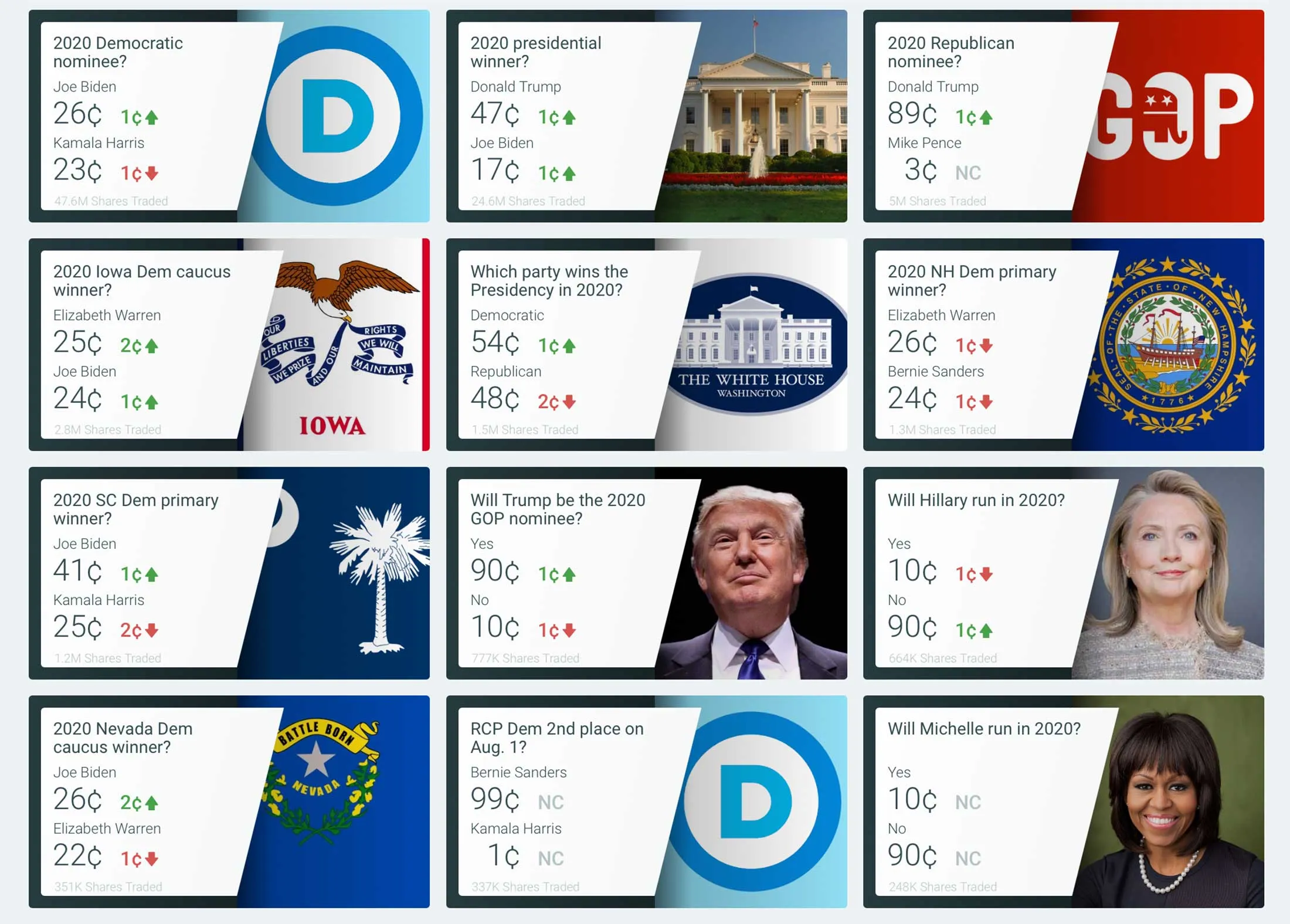
Prediction markets often boast a track record of accuracy that rivals or even surpasses traditional polling. This is because participants are putting their money where their mouth is, rather than simply expressing an opinion. This financial incentive tends to weed out casual speculation and encourages informed decisions, making the aggregated market price a powerful indicator of perceived probability. Observing the movement of odds can reveal shifts in public confidence in candidates, policy directions, or the overall political trajectory of a nation. A candidate whose odds are consistently improving might signal a growing belief in their electability and, by extension, the stability or preferred direction of future policy.
Impact of Economic Data and Geopolitical Events on Odds
The interplay between election odds and broader economic and geopolitical forces is profound. Positive economic news (e.g., strong job growth, declining inflation) often strengthens the odds of an incumbent party’s candidate, as voters tend to credit the current administration for prosperity. Conversely, an economic downturn, a recession, or a significant geopolitical crisis (like a major conflict or international trade dispute) can quickly erode an incumbent’s chances, causing their odds to lengthen significantly. This dynamic highlights how closely entwined political fortunes are with economic reality, and how effectively betting markets can synthesize diverse data points into a single probability metric. For investors, these shifts can precede broader market movements, offering a subtle early warning system.
How Polls and Betting Markets Converge and Diverge
While both polls and betting markets aim to predict outcomes, they do so through different mechanisms and often produce divergent results. Polls survey a sample of the population, aiming for representativeness, but are susceptible to sampling errors, non-response bias, and the “social desirability bias” (where respondents give answers they think are socially acceptable). Betting markets, on the other hand, aggregate the financial decisions of participants, often reflecting a more “raw” and incentivized assessment of probabilities.
When polls and betting markets converge, it typically indicates a robust consensus around an outcome. When they diverge, it’s often a signal for deeper analysis. A candidate leading in polls but lagging in betting markets might suggest market participants perceive underlying weaknesses not captured by traditional polling, perhaps related to voter enthusiasm, fundraising difficulties, or an anticipated late surge for the opponent. Conversely, a candidate struggling in polls but showing strength in betting markets might indicate a belief that pollsters are missing a key demographic or trend. Understanding these divergences is crucial for a nuanced financial and political analysis.
Strategies for Navigating Political Betting Markets
For those looking to engage in political betting from a financial perspective, a strategic and disciplined approach is paramount. This isn’t just about picking a winner; it’s about identifying value, managing risk, and exploiting market inefficiencies.
Research and Due Diligence: A Prerequisite
Just as with any investment, thorough research is the bedrock of successful political betting. This extends beyond merely following headlines. It involves deep dives into:
-
Candidate Platforms and Viability: Understanding their policies, electability in swing states, and appeal to key demographics.
-
Polling Aggregators and Trends: Looking beyond single polls to understand the overall trajectory and identifying any outliers.
-
Historical Election Data: Recognizing patterns, demographic shifts, and the impact of past events.
-
Economic Forecasts: Assessing how macro-economic conditions might sway voters.
-
Political Science Models: Incorporating academic insights into electoral dynamics.
-
Media Analysis: Understanding narratives and identifying potential biases.
This comprehensive research allows for a more informed assessment of a candidate’s true probability, rather than relying on gut feelings or popular opinion.
Managing Your Bankroll and Risk Exposure
Effective bankroll management is critical to survival in any speculative market, and political betting is no exception. This involves:
-
Allocating a Specific Budget: Only bet what you can comfortably afford to lose.
-
Staking Plans: Determining how much to bet on each outcome. A common strategy is to use a fixed percentage of your bankroll per bet, adjusting as your bankroll grows or shrinks.
-
Diversification (where possible): While a single election is binary, you might diversify across different related markets (e.g., presidential winner, party control of Congress, specific state races) or different stages of the election cycle.
-
Risk-Reward Assessment: Always evaluate the potential return against the risk of total loss. Don’t chase long-shot odds just for the high payout without a compelling underlying reason.
Identifying Value Bets and Market Inefficiencies
The goal for a savvy participant is to identify “value bets”—situations where the market’s implied probability (derived from the odds) is lower than your own thoroughly researched assessment of the true probability. For example, if a candidate has odds implying a 40% chance of winning, but your research suggests their actual chance is closer to 55%, then you’ve identified a value bet. These inefficiencies often arise due to:
-
Overreaction to News: Markets can be overly emotional in response to positive or negative news.
-
Underestimation of Underdogs: The public tends to flock to favorites, sometimes leaving value in less-favored candidates.
-
Bias: Collective market bias can lead to mispricing.
-
Limited Information: Early in the cycle, less data is available, creating more room for differing probabilistic assessments.
By systematically identifying and capitalizing on these discrepancies, participants can increase their expected long-term returns, treating political betting less like a game of chance and more like a calculated financial play.
The Future of Election Betting and Its Implications
The landscape of election betting is constantly evolving, driven by technological advancements, increased data availability, and a growing understanding of prediction market dynamics. Its implications extend beyond individual financial gain, offering valuable insights for economists, policy-makers, and businesses alike.
Technological Advancements and Market Accessibility
The rise of online platforms has dramatically increased the accessibility of political betting markets. This trend is likely to continue, with further integration of mobile platforms, blockchain technology for transparency and trust, and perhaps even AI-driven analytics tools to assist users. Enhanced user interfaces and more sophisticated trading functionalities will make these markets even more dynamic and liquid. As more people gain access, the “wisdom of the crowd” effect could become even more pronounced, potentially leading to even more accurate and responsive odds. However, increased accessibility also necessitates more robust regulatory frameworks to ensure market integrity and consumer protection.
The Growing Influence of Data Analytics
The future of election betting will be increasingly driven by sophisticated data analytics. Beyond traditional polling and economic indicators, advanced algorithms will incorporate sentiment analysis from social media, real-time news feeds, satellite imagery (for crowd estimates), and even behavioral economics insights. Machine learning models will be able to process vast amounts of unstructured data to identify patterns and predict shifts in public opinion with greater precision. This shift towards data-driven forecasting will likely make markets more efficient, reducing obvious inefficiencies but also raising the bar for participants to find an edge. Those with superior data analysis capabilities will have a distinct advantage, turning political betting into an even more intellectually rigorous pursuit.

Regulatory Trends and Global Perspectives
The global regulatory environment for election betting remains a patchwork. While some countries continue to restrict it heavily, others, particularly in Europe and the UK, have integrated it into their legal gambling frameworks. The debate over its legalization in the U.S. continues, balancing concerns about market manipulation and integrity against arguments for free speech and the utility of prediction markets as forecasting tools. Future trends may see a more harmonized international approach or, conversely, a deepening divergence. Regardless, understanding and adapting to these regulatory shifts will be critical for the continued growth and responsible operation of these markets. As financial instruments, their governance will increasingly reflect concerns about market fairness, transparency, and the prevention of undue influence on democratic processes.
In conclusion, election betting odds are far more than just a novelty; they represent a sophisticated financial market reflecting collective expectations about future political and, by extension, economic realities. For the astute financial participant, they offer unique opportunities for speculation and profit, provided one approaches them with rigorous research, disciplined risk management, and a keen understanding of market dynamics. As technology advances and data analytics grow more sophisticated, these markets will continue to evolve, offering increasingly valuable insights into the pulse of society and the financial implications of our democratic choices.
aViewFromTheCave is a participant in the Amazon Services LLC Associates Program, an affiliate advertising program designed to provide a means for sites to earn advertising fees by advertising and linking to Amazon.com. Amazon, the Amazon logo, AmazonSupply, and the AmazonSupply logo are trademarks of Amazon.com, Inc. or its affiliates. As an Amazon Associate we earn affiliate commissions from qualifying purchases.