
Choosing the right cutting board is often underestimated as a minor kitchen accessory decision. Yet, from a financial perspective, it’s an investment that impacts your long-term kitchen expenses, food safety, and even the lifespan of your knives. The wood type selected for a cutting board directly correlates with its durability, hygiene, maintenance requirements, and ultimately, its overall value proposition. Understanding which woods offer the best return on investment for your culinary endeavors is key to making a fiscally sound choice.
The Financial Logic Behind High-Quality Wood Choices
At first glance, a cutting board might seem like a simple purchase, but savvy consumers understand that quality kitchen tools represent an investment. A cheap, poorly constructed cutting board might save you a few dollars upfront, but its short lifespan, potential for harboring bacteria, and damage to your expensive knife collection will cost you significantly more in the long run. Opting for a superior wood cutting board is a decision rooted in sound financial planning, prioritizing durability, hygiene, and knife preservation.

Durability as a Long-Term Saving
The longevity of a cutting board is perhaps its most significant financial attribute. Boards made from soft woods or poorly constructed materials will quickly show signs of wear, deep knife marks, and splitting. These imperfections not only compromise hygiene but also necessitate frequent replacements. Each replacement is an additional cost. In contrast, dense, resilient hardwoods can last for decades with proper care, spreading their initial cost over a much longer period and drastically reducing the cost-per-year of ownership. This long-term durability translates directly into savings, making the initial higher price point of quality wood a smart investment rather than an extravagance.
Hygiene and Health as Financial Protectors
Foodborne illnesses carry significant financial implications, from medical bills and lost workdays to potential legal liabilities in a commercial setting. The porosity and surface characteristics of a cutting board play a crucial role in preventing bacterial contamination. Certain woods possess natural antimicrobial properties and, when properly sealed and maintained, resist moisture absorption and bacterial growth far better than softer or less dense alternatives. Investing in a cutting board made from such wood minimizes health risks, protecting your household’s well-being and preventing unforeseen financial burdens associated with illness. This preventative measure is an invaluable, if often unquantified, financial benefit.
Knife Preservation: Protecting Another Investment
Professional chefs and home cooks alike invest considerable sums in high-quality knives. The cutting surface directly impacts the sharpness and lifespan of these valuable tools. Hard, unforgiving surfaces like glass or marble dull knife edges rapidly, requiring frequent sharpening or even blade replacement – both costly and time-consuming. Conversely, woods with appropriate hardness and grain structure are “kind” to knife edges, allowing the blade to sink slightly into the surface without resistance, thereby maintaining sharpness for longer. This protective quality extends the life of your knives and reduces the frequency and expense of professional sharpening services, safeguarding another significant kitchen investment.
Top Wood Choices: Assessing Their Value Proposition
Not all woods are created equal when it comes to cutting boards. Their varying densities, grain structures, and natural properties dictate their suitability and ultimately their financial value as a kitchen staple. Evaluating these characteristics helps in selecting a board that offers the best return.
Maple: The Gold Standard for Durability and Value
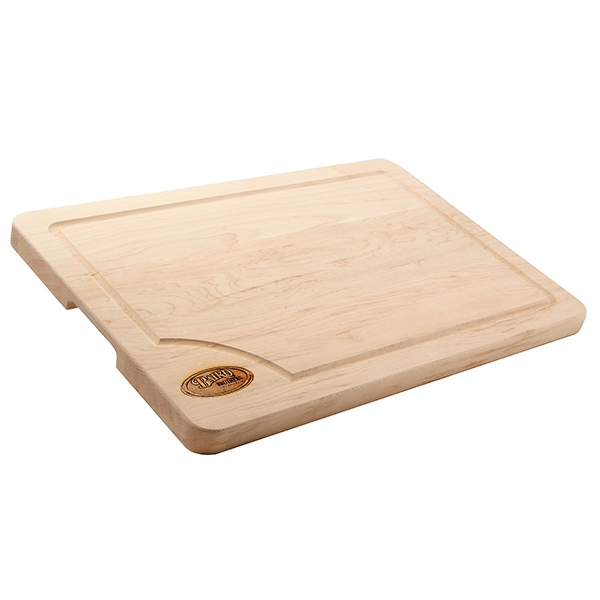
Hard Maple (Acer saccharum) is widely regarded as the benchmark for cutting boards, and for good reason. Its density, fine grain, and closed pores make it exceptionally durable and resistant to deep knife marks, ensuring a long lifespan. From a financial perspective, maple boards are a superb investment:
- Cost-Effectiveness: While not the cheapest option, maple offers an outstanding balance of performance and price. Its longevity ensures a low cost-per-year over decades of use.
- Hygiene: Its dense, closed grain resists moisture and bacterial penetration effectively, reducing health risks and associated costs.
- Knife-Friendliness: Maple’s hardness is perfectly balanced – strong enough to resist gouging but forgiving enough to protect knife edges, reducing sharpening expenses.
- Maintenance: Easy to clean and maintain with periodic oiling, saving time and money on special upkeep products or extensive cleaning.
Walnut: A Premium Investment with Aesthetic Returns
Black Walnut (Juglans nigra) is another excellent choice, often favored for its rich, dark color and attractive grain patterns. While typically more expensive than maple, walnut offers a distinct set of financial benefits, particularly for those who value aesthetics alongside utility.
- Premium Longevity: Walnut is highly durable and resistant to warping and cracking, ensuring a long operational life comparable to maple.
- Aesthetic Value: Its beauty can elevate a kitchen’s aesthetic, which, while not a direct financial saving, contributes to the perceived value of a home for resale purposes. A well-maintained walnut board can even be considered an heirloom piece.
- Knife Protection: Softer than maple but still highly resilient, walnut is exceptionally gentle on knife edges, extending their sharpness and reducing sharpening costs.
- Natural Antimicrobial Properties: Like maple, walnut’s dense structure and natural oils contribute to its hygienic qualities.
Cherry: The Mid-Range Performer with Elegant Aging
American Cherry (Prunus serotina) offers a beautiful reddish-brown hue that deepens and darkens with age and exposure to light. It sits in a similar vein to walnut in terms of density and performance, often at a slightly more accessible price point.
- Solid Durability: Cherry is a stable wood that resists warping and provides good resistance to knife marks, ensuring a respectable lifespan.
- Aesthetic Appreciation: Its graceful aging process means the board actually improves in appearance over time, adding to its long-term visual appeal and value within the kitchen.
- Knife-Friendly: Similar to walnut, cherry’s moderate hardness makes it kind to knife edges, contributing to savings on knife maintenance.
- Hygienic Properties: Its relatively dense grain helps maintain a sanitary surface with proper care.
Teak: The Moisture-Resistant Investment
Teak (Tectona grandis) stands out due to its exceptionally high oil content and tight grain, making it remarkably resistant to water and bacteria. Often used for outdoor furniture and boat decks, these properties translate well to a kitchen environment where moisture is constant.
- Unparalleled Water Resistance: Teak’s natural oils repel water, making it highly resistant to warping, cracking, and bacterial growth – a significant advantage in very humid kitchens or for those who prefer to wash their boards frequently. This durability extends its financial lifespan significantly.
- Premium Pricing Justified: While teak boards are often among the most expensive, their extreme durability and low maintenance requirements can justify the initial investment over a very long operational period, especially in demanding environments.
- Excellent Knife Protection: Teak is another wood that is gentle on knife edges, preserving your blade investment.
- Minimal Maintenance: Its natural oils reduce the frequency of conditioning needed, saving time and the cost of oils.
Maximizing Your Cutting Board Investment: Care and Configuration
The initial choice of wood is paramount, but maximizing the financial return on your cutting board investment also hinges on proper care and construction. Neglecting these aspects can drastically reduce even the best wood’s lifespan and hygienic integrity.
End-Grain vs. Edge-Grain: A Cost-Benefit Analysis
The way wood is oriented in a cutting board significantly impacts its performance and longevity.
- Edge-Grain Boards: Made by gluing strips of wood together with the edges facing up. These are generally less expensive to produce. While durable, knife marks show more readily, and they are slightly harder on knife edges over time. Their lower initial cost might appeal, but they might not offer the absolute best long-term value if frequent, heavy use is expected.
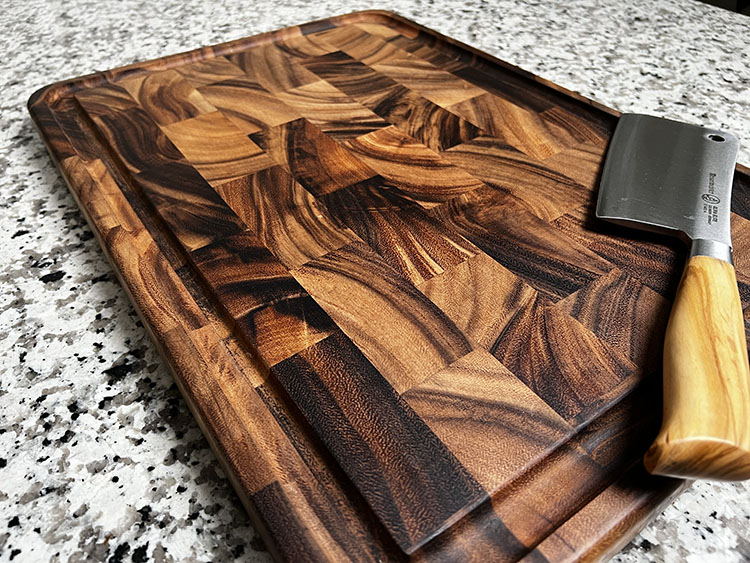
- End-Grain Boards: Made by gluing individual blocks of wood with the end grain facing up. This orientation allows knife blades to go between the wood fibers, rather than cutting across them. This makes end-grain boards remarkably self-healing, showing fewer knife marks, and exceptionally gentle on knife edges. They are also superior in resisting moisture and bacteria. While typically more expensive, the enhanced durability, hygiene, and knife protection of an end-grain board often deliver a superior long-term financial return, reducing replacement costs and sharpening expenses. It’s a prime example of a higher upfront cost leading to greater savings over time.
The Role of Proper Maintenance in Preserving Value
Even the most expensive, durable wood cutting board will fail prematurely without proper care, squandering your investment.
- Regular Oiling: Conditioning your board with food-grade mineral oil or a wood butter is crucial. This replenishes the wood’s natural oils, prevents drying and cracking, and enhances its water resistance. This small, recurring expense (for oil) is a critical investment in the board’s longevity.
- Prompt Cleaning: Washing the board immediately after use with mild soap and water, and drying it thoroughly, prevents bacteria buildup and water damage. Allowing water to sit or not drying properly can lead to warping, cracking, and unsanitary conditions, rendering your investment worthless.
- Avoid Dishwashers: The high heat and harsh detergents of a dishwasher will strip the wood of its natural oils, causing irreversible damage like warping and splitting. This catastrophic event would necessitate immediate replacement, eliminating any long-term financial benefit of the original purchase.
In conclusion, selecting the best wood for a cutting board is far more than a simple aesthetic preference; it’s a calculated financial decision. By prioritizing woods like maple, walnut, cherry, or teak – especially in an end-grain configuration – and committing to diligent maintenance, you are not just buying a kitchen tool. You are making a shrewd investment that protects your health, preserves your other valuable kitchen assets, and provides decades of cost-effective utility, ultimately enhancing your personal finance strategy within the home.
aViewFromTheCave is a participant in the Amazon Services LLC Associates Program, an affiliate advertising program designed to provide a means for sites to earn advertising fees by advertising and linking to Amazon.com. Amazon, the Amazon logo, AmazonSupply, and the AmazonSupply logo are trademarks of Amazon.com, Inc. or its affiliates. As an Amazon Associate we earn affiliate commissions from qualifying purchases.