
The pursuit of a brighter smile has evolved significantly, transitioning from traditional abrasive methods to sophisticated, tech-driven solutions. What was once primarily a cosmetic concern addressed by rudimentary means is now a field rich with innovation, scientific advancement, and digital integration. Modern teeth whitening products are increasingly sophisticated gadgets and chemical engineering marvels, leveraging cutting-edge technology to deliver more effective, safer, and personalized results. This article delves into the technological backbone of the leading teeth whitening products, exploring the science, reviewing top-tier innovations, and peering into the future of oral aesthetics from a strictly technological perspective.
The Technological Revolution in Oral Aesthetics
The journey to brighter teeth has been marked by continuous innovation, moving far beyond simple home remedies. Today, the efficacy and safety of whitening products are inextricably linked to the underlying technology they employ, making them prime subjects for a tech-focused analysis.
Evolution of Whitening Approaches: From Abrasives to Advanced Systems
Historically, teeth whitening was often achieved through mechanical abrasion – brushing with coarse materials or using harsh chemical agents. These methods were largely uncontrolled, often damaging enamel and gums while offering inconsistent results. The late 20th and early 21st centuries ushered in a paradigm shift, driven by scientific understanding of tooth structure and staining mechanisms. The advent of hydrogen peroxide and carbamide peroxide as primary active ingredients, combined with controlled delivery systems, marked the first major technological leap. However, contemporary solutions go far beyond mere chemical application, integrating advanced light therapies, smart sensors, and even AI-driven personalization.
Understanding the Science: Oxidative Whitening and Light Acceleration
At the core of most effective whitening technologies lies the process of oxidative whitening. Peroxide-based agents penetrate the porous enamel and dentin layers of the tooth, breaking down chromogens (the molecules responsible for stains) into smaller, colorless compounds. This is a chemical reaction that requires a certain concentration and contact time to be effective. The technological innovation primarily focuses on optimizing this reaction. For instance, blue LED light technology isn’t merely a gimmick; it’s designed to accelerate the decomposition of hydrogen peroxide, creating more free radicals that can penetrate deeper and faster into the tooth structure. This photochemical activation means less contact time is needed, reducing sensitivity and improving efficiency, essentially supercharging the chemical process with a targeted energy input.
Beyond Abrasives: Precision in Stain Removal
Modern whitening technology emphasizes precision over brute force. Instead of relying on abrasive particles that can wear down enamel, advanced formulations target stains at a molecular level. Innovative delivery systems, such as custom-fit trays created using digital scans, ensure uniform application of whitening gels, preventing uneven results and protecting soft tissues. Furthermore, specialized ingredients like potassium nitrate and fluoride are often integrated into these tech-driven systems, not just for sensitivity reduction, but also to aid in remineralization and strengthen enamel, turning the whitening process into a comprehensive oral care treatment.
Decoding Modern Teeth Whitening Technologies
The marketplace is rich with a variety of tech-enabled solutions, each employing different scientific principles and hardware to achieve a brighter smile. Understanding these technologies is crucial for selecting the best product for individual needs.
LED and Blue Light Systems: Enhancing Peroxide Efficacy
Perhaps the most recognizable technological advancement in teeth whitening is the integration of light-emitting diode (LED) and specifically blue light systems. These systems are not merely aesthetic additions; they are carefully engineered to interact with the whitening gel. While the exact mechanism is still a subject of ongoing research, the prevailing theory is that blue light accelerates the breakdown of hydrogen peroxide into reactive oxygen species, which are highly effective at breaking down stains. Advanced systems feature specific wavelengths (typically 460-480nm) optimized for this reaction, often incorporating timers, multiple intensity settings, and ergonomic designs for comfortable at-home use. Some professional-grade systems even use multi-spectrum lights (e.g., combining blue and red light for gum health) to offer a more holistic treatment.
Advanced Peroxide Formulations: From Gels to Foams
The active ingredients themselves, hydrogen peroxide and carbamide peroxide, have undergone significant technological refinement. Modern gels are often formulated with stabilizers to maintain their potency over time, desensitizing agents to minimize discomfort, and viscosity modifiers to ensure even adherence to tooth surfaces. The shift from simple gels to innovative delivery formats like whitening foams, paint-on serums, and dissolving strips represents a technological leap in user experience and efficacy. Foams, for instance, can spread more easily into crevices and around orthodontic appliances, offering more comprehensive coverage without the mess of traditional gels. Sustained-release formulations are also gaining traction, designed to release peroxide gradually over several hours, maximizing contact time while minimizing peak concentration, thus reducing sensitivity.
Smart Devices and App Integration: The Connected Whitening Experience
The convergence of oral care with smart home technology is a rapidly expanding frontier. Several high-end teeth whitening kits now feature smart devices with Bluetooth connectivity, allowing users to pair them with dedicated smartphone applications. These apps go beyond simple timers; they can track treatment progress, provide personalized recommendations based on initial tooth shade, remind users of upcoming sessions, and even offer visual guides for proper application. Some advanced systems incorporate sensors to detect proper tray fit or gel coverage, ensuring optimal treatment. This integration transforms a passive cosmetic procedure into an interactive, data-driven experience, offering unprecedented control and feedback to the user.
Non-Peroxide Alternatives: Enzymatic and Mineral-Based Innovations
For those sensitive to peroxides, or seeking gentler options, technological advancements have led to effective non-peroxide alternatives. These often leverage enzymatic actions (e.g., papain, bromelain) to break down protein stains, or utilize mineral-based compounds like hydroxyapatite to rebuild enamel while subtly lightening the teeth by restoring their natural translucency and smoothness. Another emerging technology involves “color-correcting” purple pigments, which, based on color theory, optically neutralize yellow tones immediately, offering a temporary but instant brightening effect without chemical bleaching. These innovations highlight the diverse technological approaches being explored in the quest for a brighter smile.
Top-Tier Tech-Driven Whitening Solutions: Reviews and Recommendations
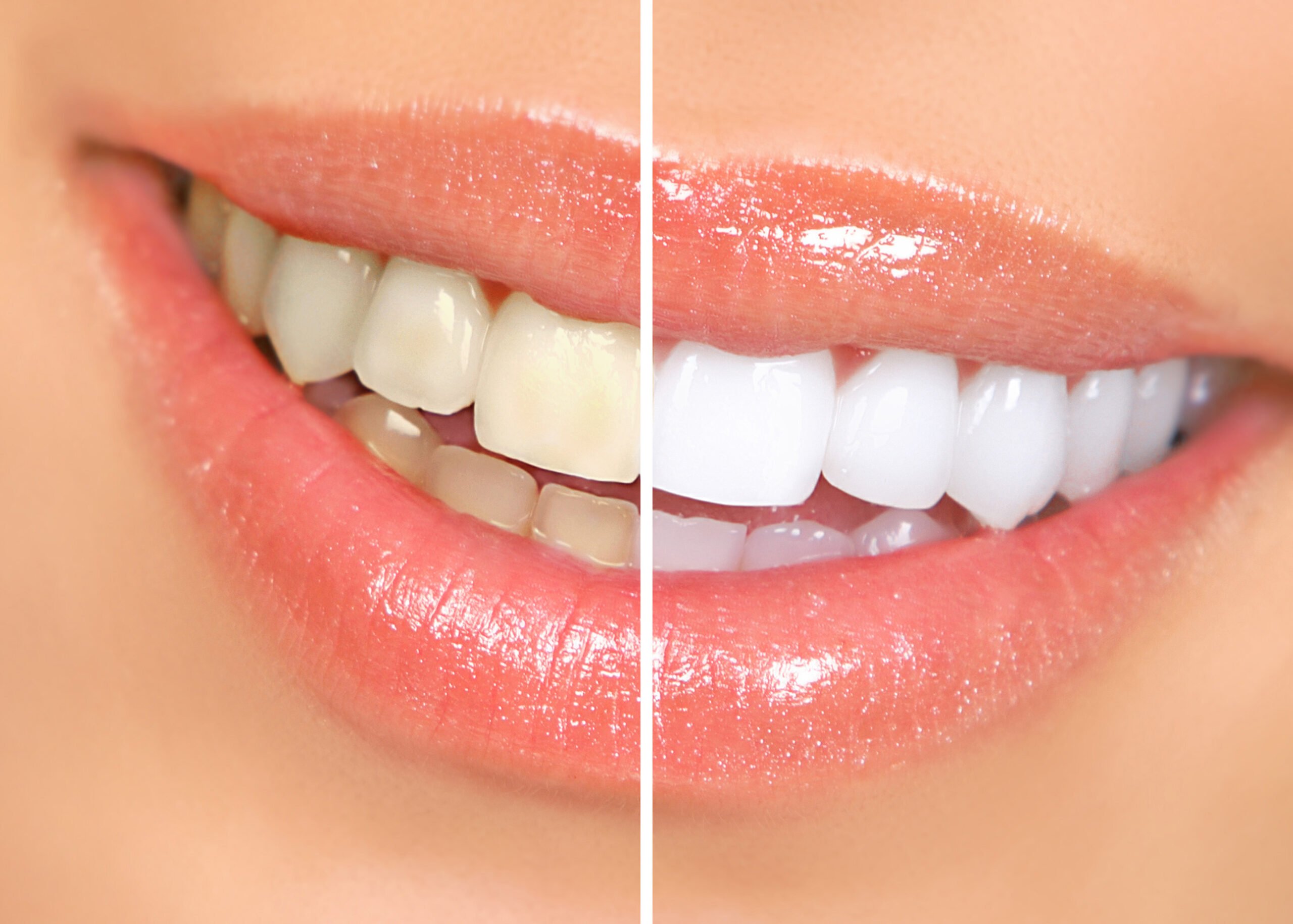
Selecting the best teeth whitening product means evaluating the technology behind its claims. Here, we review categories of top-tier, tech-driven solutions renowned for their effectiveness and user experience.
Professional-Grade At-Home Kits
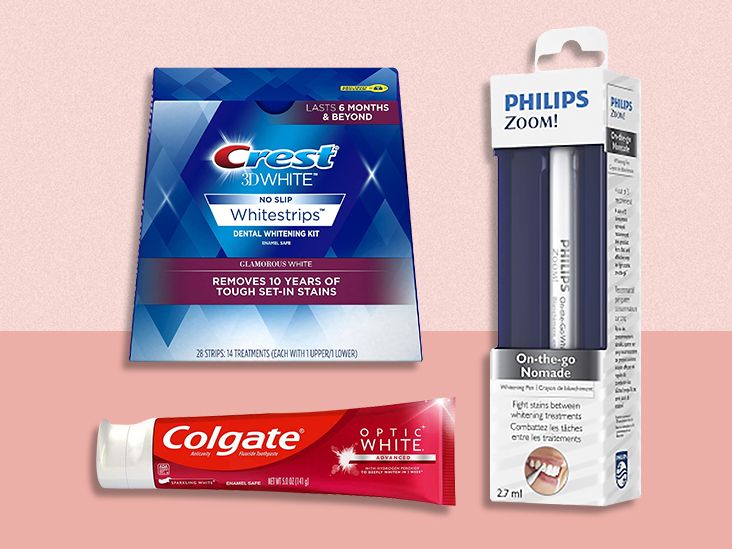
These kits bridge the gap between in-office dental treatments and consumer-grade products, often featuring higher concentrations of active ingredients and sophisticated delivery systems. Brands like Philips Zoom WhiteSpeed (at-home version) or Opalescence Go utilize advanced peroxide formulations (often 6-10% hydrogen peroxide or equivalent carbamide peroxide) paired with custom-fit or highly adaptable trays for precise application. Many incorporate desensitizing agents like potassium nitrate and fluoride directly into the gel. The technology here lies in maximizing the efficacy of the bleaching agent while minimizing side effects, delivering near-professional results in a controlled home environment. Key technological differentiators include patented gel formulations, advanced tray materials for superior fit, and innovative dispensing mechanisms.
Smart Whitening Devices
Leading the charge in gadgetry are smart whitening kits that integrate app control and advanced light technology. An excellent example would be a system that utilizes a multi-wavelength LED device (blue light for activation, red light for gum health) coupled with an app that monitors session duration, tracks progress, and offers tailored treatment plans. Some devices even feature built-in desensitization modes. The technological appeal here is the synergy between hardware and software, providing a personalized, interactive whitening journey. These devices often boast sleek, ergonomic designs, long-lasting battery life, and durable, medical-grade materials. The “smart” aspect elevates these from simple light activators to comprehensive oral care gadgets.
Innovative Whitening Toothpastes and Serums
While traditional whitening toothpastes rely heavily on abrasives, the new generation employs sophisticated chemical and optical technologies. Toothpastes formulated with blue covarine or similar optical brighteners can create an immediate, temporary whitening effect by selectively absorbing yellow light. Others feature advanced stain-removing enzymes or incorporate nano-hydroxyapatite (n-HA), a synthetic mineral that can fill in microscopic enamel imperfections, restoring the tooth’s natural smoothness and brightness. Whitening serums, often applied with a brush, use concentrated active ingredients (e.g., lower-concentration peroxide or specific enzymatic blends) in a highly adhesive formula designed for targeted, overnight action. The technological innovation in this category focuses on sustained release, gentle yet effective stain removal, and optical effects without compromising enamel integrity.
Maximizing Your Tech Whitening Investment: Usage and Maintenance
Owning advanced whitening tech is only half the battle; proper usage and maintenance are crucial for achieving optimal results and prolonging the life of your investment.
Best Practices for Optimal Results and Safety
Adherence to manufacturer instructions, often provided via app-based tutorials, is paramount. This includes proper preparation of teeth (brushing before whitening), precise application of gels (avoiding gum contact), and strictly following recommended treatment durations. Overuse of LED lights or highly concentrated gels, even with advanced tech, can lead to sensitivity. Many smart devices incorporate timers and auto-shutoff features to prevent this. Furthermore, consistency is key; the technology is designed for regular, short-duration use rather than infrequent, intensive sessions.
Maintaining Whitening Post-Treatment with Smart Oral Care Gadgets
The work doesn’t stop once you achieve your desired shade. Maintaining it often involves integrating smart oral care gadgets into your routine. This includes electric toothbrushes with pressure sensors and brushing timers (some even use AI to analyze brushing patterns), water flossers for superior interdental cleaning, and even UV-sanitizing toothbrush holders. These technologies help to prevent new stain accumulation and support overall oral hygiene, extending the benefits of your initial whitening investment. Using advanced toothpastes or rinses with remineralizing agents can also help strengthen enamel post-whitening.
Troubleshooting Common Tech Whitening Issues
Even with the most advanced tech, users might encounter issues like temporary tooth sensitivity or uneven whitening. Smart apps often provide troubleshooting guides or direct access to customer support. For sensitivity, many tech kits include desensitizing gels, and the smart devices might feature lower intensity settings or shorter cycles. Uneven whitening can often be resolved by reviewing application techniques via app tutorials and ensuring consistent gel coverage. Always consult a dental professional if issues persist, as underlying dental conditions might be at play.
The Future of Teeth Whitening Technology
The landscape of teeth whitening is continuously evolving, driven by advancements in materials science, AI, and biotechnology. The future promises even more personalized, integrated, and effective solutions.
Personalized Whitening Through AI and Diagnostics
Imagine a future where a smartphone app scans your teeth, analyzes your enamel thickness, stain type, and sensitivity profile, and then generates a custom whitening protocol using an AI algorithm. This level of personalization, driven by advanced diagnostics and machine learning, is on the horizon. Devices might integrate miniature spectrometers to precisely measure tooth shade and respond with adaptive light or chemical delivery systems, ensuring optimal and safe results tailored to each individual’s unique oral biology. This will move beyond one-size-fits-all solutions to truly bespoke treatments.
Sustainable and Eco-Friendly Tech Innovations
As environmental consciousness grows, future whitening technologies will likely focus on sustainability. This could include biodegradable gel formulations, reusable or recyclable device components, and energy-efficient LED systems. Research into plant-based activators and non-toxic, naturally derived whitening agents is also gaining traction, aiming to deliver effective results with a minimal ecological footprint. The “green tech” movement will undoubtedly influence how future whitening products are designed and manufactured.

Integration with Overall Health Tech Ecosystems
Teeth whitening, as part of oral health, is poised for integration into broader personal health tech ecosystems. Wearable devices might monitor oral health markers, and smart toothbrushes could feed data into a centralized health app, offering a holistic view of well-being. Whitening routines could be seamlessly integrated with diet tracking, hydration reminders, and sleep quality monitoring, recognizing the interconnectedness of overall health. This comprehensive approach will make teeth whitening not just a standalone cosmetic procedure but an integral part of a proactive digital health strategy.
In conclusion, “what are the best teeth whitening products” today is a question answered by an evaluation of cutting-edge technology. From advanced peroxide chemistry and sophisticated LED light systems to smart devices with app integration, the industry is a vibrant arena of technological innovation. As we look ahead, the promise of AI-driven personalization, sustainable solutions, and seamless integration into our digital lives ensures that the pursuit of a radiant smile will continue to be at the forefront of oral tech development.
aViewFromTheCave is a participant in the Amazon Services LLC Associates Program, an affiliate advertising program designed to provide a means for sites to earn advertising fees by advertising and linking to Amazon.com. Amazon, the Amazon logo, AmazonSupply, and the AmazonSupply logo are trademarks of Amazon.com, Inc. or its affiliates. As an Amazon Associate we earn affiliate commissions from qualifying purchases.