
The roof is arguably the most critical component of any building, providing shelter, protection, and aesthetic appeal. When it comes to selecting the right roofing material, shingles stand out as a popular and versatile choice for homeowners and commercial property owners alike. But with a plethora of options available, navigating the world of roofing shingles can feel overwhelming. This article aims to demystify the selection process, focusing on the financial implications and long-term value proposition of different roofing shingle types. We will delve into the cost-effectiveness, return on investment, and overall financial prudence associated with choosing the “best” roofing shingles, empowering you to make an informed decision that benefits your budget and your property’s financial health.
The Financial Foundation: Understanding Shingle Costs and Lifespan
The “best” roofing shingle isn’t solely determined by its appearance or initial price tag. True financial wisdom lies in understanding the total cost of ownership, which encompasses not only the upfront material and installation expenses but also the projected lifespan and potential maintenance needs. Investing in a slightly more expensive shingle upfront can often lead to significant savings down the line by reducing the frequency of repairs and premature replacements.
Upfront Investment: Material and Installation Costs
The initial outlay for new roofing shingles is a primary concern for most property owners. This cost is influenced by several factors, including the type of shingle, the size and complexity of the roof, labor rates in your region, and any necessary underlayment or accessory materials.
Asphalt Shingles: The Budget-Conscious Entry Point
Asphalt shingles remain the most prevalent roofing material in many markets, primarily due to their affordability and ease of installation. They are manufactured in various grades, from basic 3-tab shingles to more robust architectural or dimensional shingles.
- 3-Tab Shingles: These are the most economical option, characterized by a flat, uniform appearance. While they are the cheapest upfront, their lifespan is typically shorter (15-25 years) compared to higher-grade options. Their lower wind resistance and susceptibility to curling and cracking over time can translate to more frequent repairs and an earlier need for replacement, diminishing their long-term financial advantage.
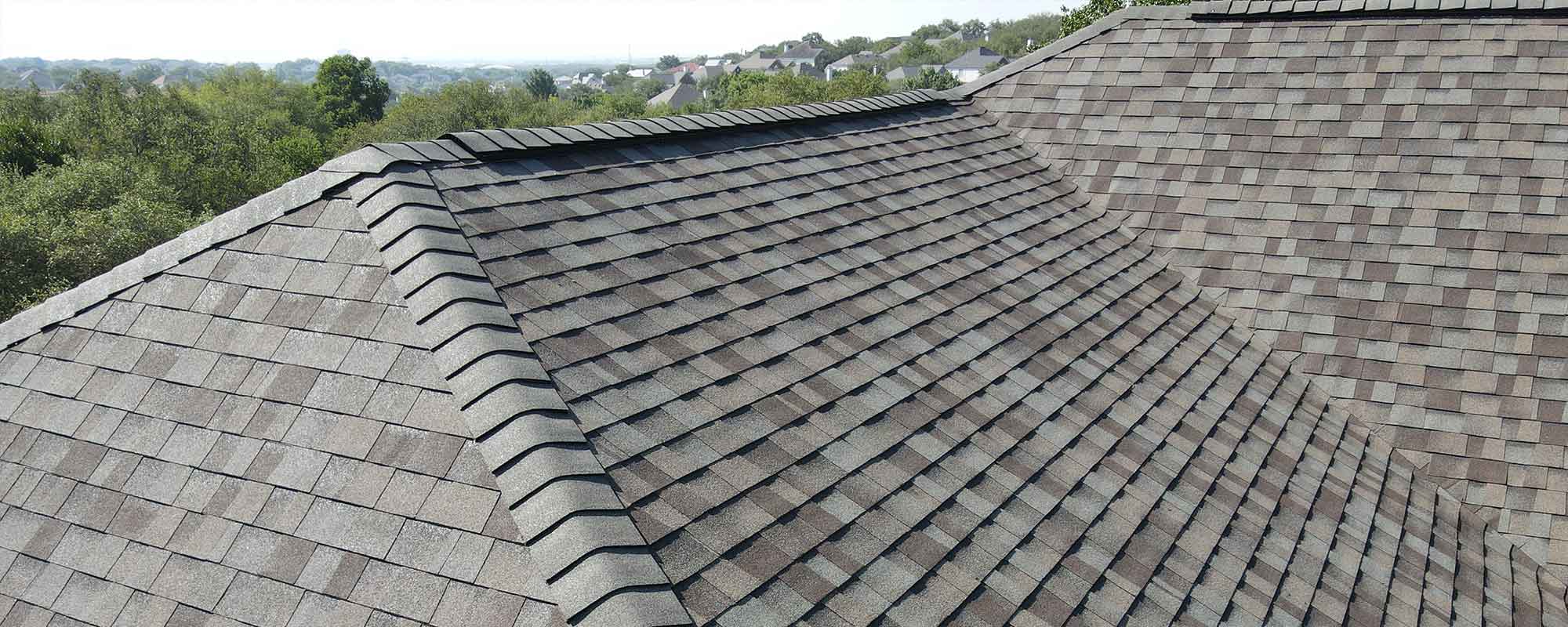
- Architectural/Dimensional Shingles: These shingles offer a more layered, dimensional look, mimicking the appearance of wood shakes or slate at a fraction of the cost. They are constructed with multiple layers of asphalt and fiberglass, making them more durable, wind-resistant, and longer-lasting (25-50 years or more) than 3-tab shingles. The higher upfront cost is often offset by their extended lifespan and reduced need for repairs, making them a more financially sound investment for many homeowners. The aesthetic appeal also contributes to curb appeal, potentially enhancing property value.
Premium Shingles: Investing in Longevity and Durability
Beyond standard asphalt, several premium roofing shingle materials offer enhanced durability, longevity, and aesthetic appeal, albeit at a higher initial cost. While these may seem like a significant investment, their extended lifespans and superior performance can translate into substantial financial benefits over the life of the roof.
- Wood Shakes and Shingles: Natural wood shingles offer a rustic charm and a unique aesthetic that can significantly enhance a property’s curb appeal and perceived value. However, they come with a higher initial cost and require more maintenance. Their lifespan can vary significantly based on wood type, climate, and maintenance, typically ranging from 20-40 years. Fire retardant treatments are often necessary, adding to the cost. The financial viability of wood shingles often hinges on specific architectural styles and the desire for a particular natural aesthetic.
- Metal Shingles: Metal roofing, available in shingle-like profiles (e.g., standing seam, stone-coated steel), offers exceptional durability and longevity, often lasting 50 years or more. While the upfront cost is considerably higher than asphalt shingles, their resistance to fire, wind, and extreme weather can lead to lower insurance premiums and significantly reduced maintenance costs. Their reflective properties can also contribute to energy savings by reducing cooling costs. The long-term financial return on metal shingles is often very strong, especially in areas prone to severe weather.
- Slate Shingles: Genuine slate roofing is the epitome of luxury and longevity, with lifespans that can exceed a century. The exceptional durability and timeless beauty come at a premium price, making it one of the most expensive roofing options. However, the financial argument for slate lies in its unparalleled lifespan; a slate roof, once installed, may never need to be replaced again, offering a profound long-term financial advantage for those who can afford the initial investment. The weight of slate also requires a robust roof structure, which can add to installation costs.
- Composite/Synthetic Shingles: These modern materials are designed to mimic the look of natural materials like slate or wood shakes but with enhanced durability and lower maintenance. They are often made from recycled plastics and rubber, offering an environmentally conscious option. Their lifespans can range from 30-50 years or more, and they generally offer good resistance to fire, impact, and fading. The financial advantage lies in their balance of aesthetics, durability, and a lifespan that often surpasses asphalt shingles without the extreme cost of natural slate or the specialized installation of some metal roofing systems.
Long-Term Financial Returns: Lifespan and Durability as Key Metrics
When evaluating the “best” roofing shingles from a financial perspective, lifespan and durability are paramount. A shingle’s ability to withstand the elements, resist damage, and maintain its integrity over time directly impacts how often you’ll need to spend money on repairs or full replacements.
The Impact of Climate and Weather on Shingle Longevity and Cost
Your local climate plays a significant role in determining the lifespan and financial performance of different roofing shingle types.
- High Wind Areas: Regions prone to high winds require shingles with excellent wind uplift resistance. Architectural asphalt shingles, metal shingles, and certain composite shingles are engineered to withstand stronger gusts, reducing the risk of damage and costly repairs. Investing in higher-rated wind-resistant shingles can save money in the long run by preventing wind-related failures.
- Hail-Prone Regions: In areas with frequent hailstorms, impact-resistant shingles are crucial. These shingles are designed to withstand the force of hailstones without cracking or breaking. While they may have a higher upfront cost, they can significantly reduce the likelihood of costly hail damage claims and subsequent repairs. Class 4 impact-rated shingles are often the most financially prudent choice in such environments.
- Extreme Temperatures and UV Exposure: Areas with intense sun and significant temperature fluctuations can cause asphalt shingles to degrade faster, leading to curling, cracking, and granule loss. Lighter-colored shingles or those with reflective coatings can help mitigate heat absorption, reducing energy costs. Metal and composite shingles often perform better under extreme UV exposure and temperature swings due to their inherent material properties.
Energy Efficiency and Its Financial Implications
The financial benefits of roofing shingles extend beyond their lifespan to include their impact on a building’s energy consumption.
- Cool Roofing Shingles: Some asphalt shingles are designed with reflective granules or coatings that reduce heat absorption, a concept known as “cool roofing.” These shingles can significantly lower a building’s cooling costs during warmer months, leading to tangible savings on energy bills. The initial investment for cool roofing shingles is often only marginally higher than standard asphalt shingles, making the energy savings a compelling financial incentive.
- Insulation and Ventilation Synergy: While not directly a shingle characteristic, the effectiveness of your roof’s insulation and ventilation system works in tandem with your shingles to manage internal temperatures. A well-ventilated attic and proper insulation can reduce the load on your air conditioning system, indirectly enhancing the financial performance of any roofing material by creating a more stable and efficient building envelope.
Calculating the Return on Investment (ROI) of Roofing Shingles
Determining the “best” roofing shingle from a financial standpoint necessitates a calculation of the return on investment (ROI). This involves comparing the total cost of ownership over the expected lifespan of the roofing system against its benefits, including durability, protection, and potential impact on property value.
Total Cost of Ownership: Beyond the Initial Price Tag
The total cost of ownership is a critical metric that moves beyond the immediate purchase price to encompass all expenses associated with a roofing material throughout its lifespan.
Maintenance and Repair Costs: Minimizing Long-Term Expenses

The frequency and cost of maintenance and repairs are significant factors in the long-term financial viability of any roofing shingle.
- Low-Maintenance Options: Materials like metal and composite shingles generally require minimal maintenance, often limited to occasional cleaning. This reduces the need for costly professional inspections and repairs, contributing to a lower total cost of ownership.
- Higher-Maintenance Materials: Wood shingles and shakes, while aesthetically appealing, require regular inspections, cleaning to prevent moss and algae growth, and potential treatments to maintain their integrity and fire resistance. Neglecting this maintenance can lead to premature deterioration and higher repair bills.
- Asphalt Shingle Longevity: Even asphalt shingles, particularly architectural grades, are designed for reasonable durability with limited maintenance. However, regular checks for granule loss, curling, or damaged sections are essential to address minor issues before they escalate into major, expensive repairs.
Potential for Property Value Enhancement
A new, high-quality roof can be a significant selling point, potentially increasing a property’s market value and making it more attractive to buyers.
- Aesthetic Appeal and Curb Appeal: Shingles that offer superior aesthetic qualities, such as architectural asphalt shingles, metal shingles mimicking premium materials, or even natural slate, can dramatically improve a home’s curb appeal, which is directly linked to its market value.
- Durability as a Selling Feature: A roof known for its longevity and resilience (like metal or slate) can be a major draw for prospective buyers, signaling a well-maintained property and a reduced likelihood of immediate replacement costs. This can command a higher sale price.
- Energy Efficiency as a Bonus: Shingles that contribute to energy efficiency, such as cool roofing options, can be an attractive feature for environmentally conscious buyers, potentially further enhancing the property’s value.
The ROI Calculation: Comparing Different Shingle Types
To truly understand the financial implications, it’s beneficial to consider hypothetical ROI scenarios.
- Scenario 1: Basic Asphalt Shingles:
- Initial Cost (material + installation): $10,000
- Lifespan: 20 years
- Estimated repair costs over lifespan: $2,000
- Total Cost of Ownership (20 years): $12,000
- Annualized Cost: $600/year
- Scenario 2: Architectural Asphalt Shingles:
- Initial Cost (material + installation): $15,000
- Lifespan: 30 years
- Estimated repair costs over lifespan: $1,000
- Total Cost of Ownership (30 years): $16,000
- Annualized Cost: $533/year
- Scenario 3: Metal Shingles:
- Initial Cost (material + installation): $30,000
- Lifespan: 50 years
- Estimated repair costs over lifespan: $500
- Total Cost of Ownership (50 years): $30,500
- Annualized Cost: $610/year
In these simplified examples, architectural asphalt shingles offer a lower annualized cost, suggesting a better ROI over their lifespan compared to basic asphalt shingles and even metal shingles when considering only the initial capital outlay spread over the lifespan. However, this calculation doesn’t factor in potential energy savings from cool metal roofing or the significantly higher durability and lower risk of catastrophic failure of metal. A comprehensive ROI analysis would also consider factors like insurance savings, potential increase in resale value, and the cost of money (financing).
Making the Financially Savvy Shingle Choice
Selecting the “best” roofing shingles is a decision that profoundly impacts your property’s financial health. It’s not simply about choosing the cheapest option upfront; it’s about making a strategic investment that balances immediate costs with long-term value, durability, and protection.
Budgetary Constraints vs. Long-Term Value Proposition
The most significant financial consideration for many property owners is their immediate budget. For those with limited funds, basic asphalt shingles might be the only feasible option. However, it’s crucial to understand that this often comes at the expense of long-term value.
- The True Cost of “Cheap”: While basic asphalt shingles offer the lowest entry price, their shorter lifespan and increased susceptibility to damage can lead to higher overall spending over time due to more frequent replacements and repairs. This can be a financially draining cycle, especially for homeowners on a tight budget.
- Investing in Durability: Opting for higher-quality shingles, such as architectural asphalt, metal, or composite, represents an investment in durability and longevity. While the initial cost is higher, the extended lifespan, reduced maintenance, and increased resistance to damage can lead to significant savings over the life of the roof, ultimately providing a better financial return.
The Role of Warranties in Financial Protection
Roofing shingle warranties are a crucial element of their financial protection. They offer a degree of assurance against manufacturing defects and, in some cases, performance issues.
Understanding Different Types of Warranties
- Manufacturer’s Warranty: This typically covers defects in the shingle material itself. It’s essential to understand the terms, including prorated versus non-prorated coverage, transferability, and the conditions under which the warranty is voided (e.g., improper installation, lack of maintenance).
- Workmanship Warranty: This is provided by the installer and covers issues arising from improper installation. A strong workmanship warranty from a reputable contractor adds another layer of financial security.
- Wind and Impact Warranties: Some shingles come with specific warranties against wind damage or hail impact. These are particularly valuable in areas prone to such weather events.
Maximizing Your Warranty’s Financial Benefit
To ensure you can leverage your warranty if needed, proper installation by certified professionals is paramount. Keeping all documentation, including receipts and installation records, is also essential. Understanding your warranty’s limitations and responsibilities can prevent costly disputes and ensure you receive the intended financial protection.
Seeking Professional Financial Advice for Roofing Decisions
While this article provides a comprehensive overview of the financial aspects of roofing shingles, complex financial decisions are often best made with professional guidance.
Consulting with Financial Advisors and Insurance Agents
- Financial Advisors: For significant investments like a new roof, consulting with a financial advisor can help you understand how the expenditure fits into your overall financial plan, explore financing options, and assess the long-term impact on your net worth.
- Insurance Agents: Discussing your roofing choices with your insurance agent can reveal potential discounts for impact-resistant or fire-resistant materials, or even changes in premiums based on the type of roof you choose. This can have a direct and ongoing impact on your homeownership costs.
The Contractor’s Role in Financial Planning
A reputable roofing contractor can be an invaluable resource for financial planning. They can provide detailed quotes, explain the cost breakdown of different materials and services, and offer insights into the long-term value of various options based on their experience in your local market. They can also advise on the best shingles for your specific climate and budget, helping you make a decision that is both financially prudent and practically sound. Ultimately, the “best” roofing shingles are those that provide the most robust protection and enduring value for your specific financial situation and property needs.
aViewFromTheCave is a participant in the Amazon Services LLC Associates Program, an affiliate advertising program designed to provide a means for sites to earn advertising fees by advertising and linking to Amazon.com. Amazon, the Amazon logo, AmazonSupply, and the AmazonSupply logo are trademarks of Amazon.com, Inc. or its affiliates. As an Amazon Associate we earn affiliate commissions from qualifying purchases.