
In the pursuit of a healthy lifestyle, consumers are often bombarded with conflicting advice and a dizzying array of options. When it comes to nutrient-dense foods that offer significant health benefits without breaking the bank, nuts stand out as a true champion. Far from being a mere indulgence, incorporating the “best” nuts into your diet can be a smart financial decision, offering a powerful return on investment in terms of your physical and, by extension, financial well-being. This exploration delves into the world of nuts, not just from a nutritional perspective, but through the lens of prudent personal finance, helping you make informed choices that nourish your body and your budget.
The Nutritional Powerhouses: Maximizing Your Health Spend
When we talk about the “best” nuts, we’re primarily referring to their ability to deliver a high concentration of essential nutrients. From a financial standpoint, this translates to maximizing the health benefits you receive for your expenditure. Investing in nutrient-rich foods like nuts can be a proactive strategy to reduce future healthcare costs, underscoring their value beyond simple sustenance.
The Trifecta of Essential Nutrients: Protein, Healthy Fats, and Fiber
The foundational appeal of nuts lies in their impressive macronutrient profile. They are excellent sources of plant-based protein, crucial for muscle repair and satiety, which can help curb impulsive, less healthy food purchases. Furthermore, nuts are packed with monounsaturated and polyunsaturated fats – the “good” fats that are vital for cardiovascular health, brain function, and reducing inflammation. This is particularly important as chronic diseases associated with poor diet are significant drivers of healthcare expenditure.
Almonds: The All-Rounder for Brain and Bone Health
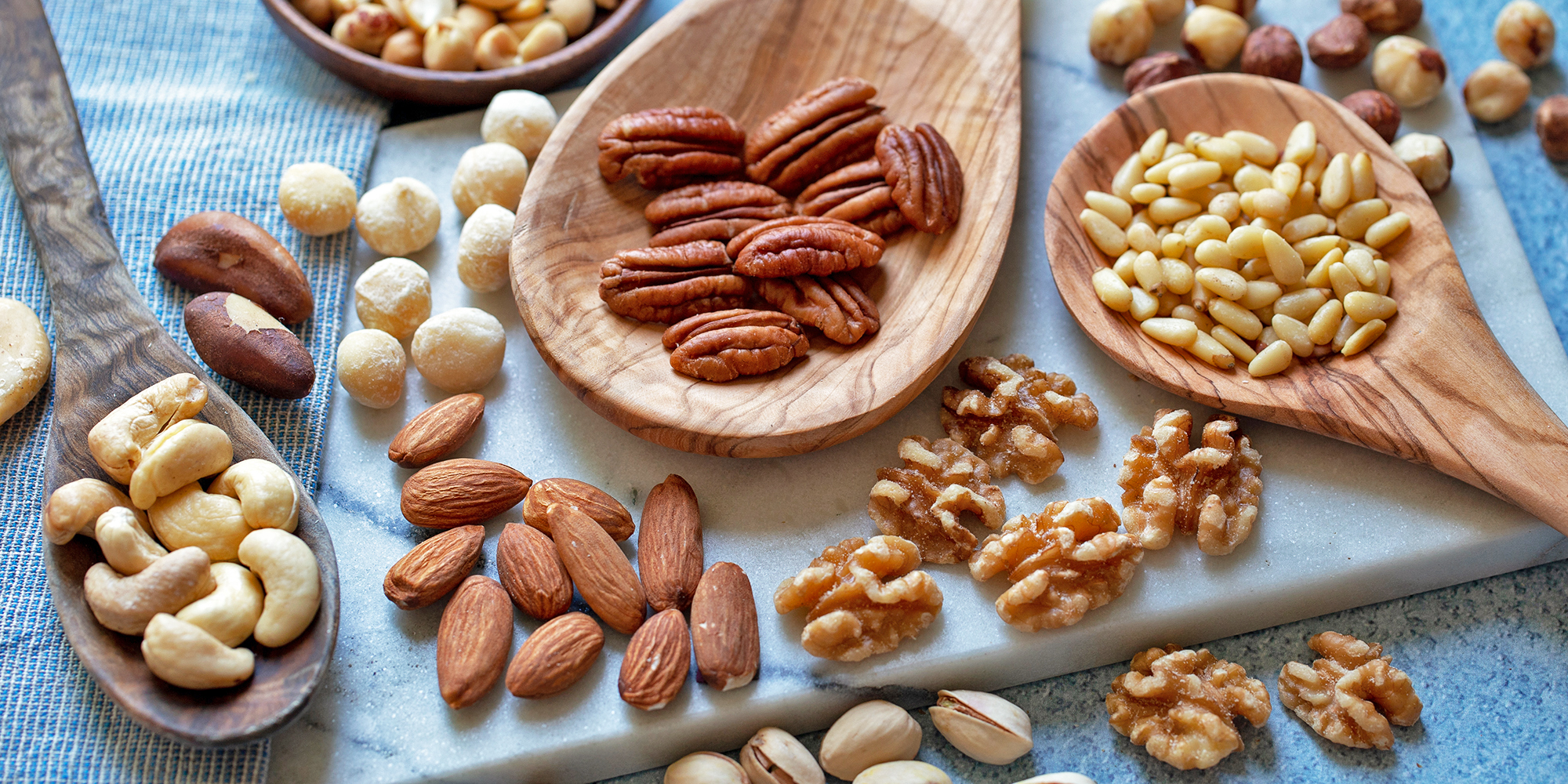
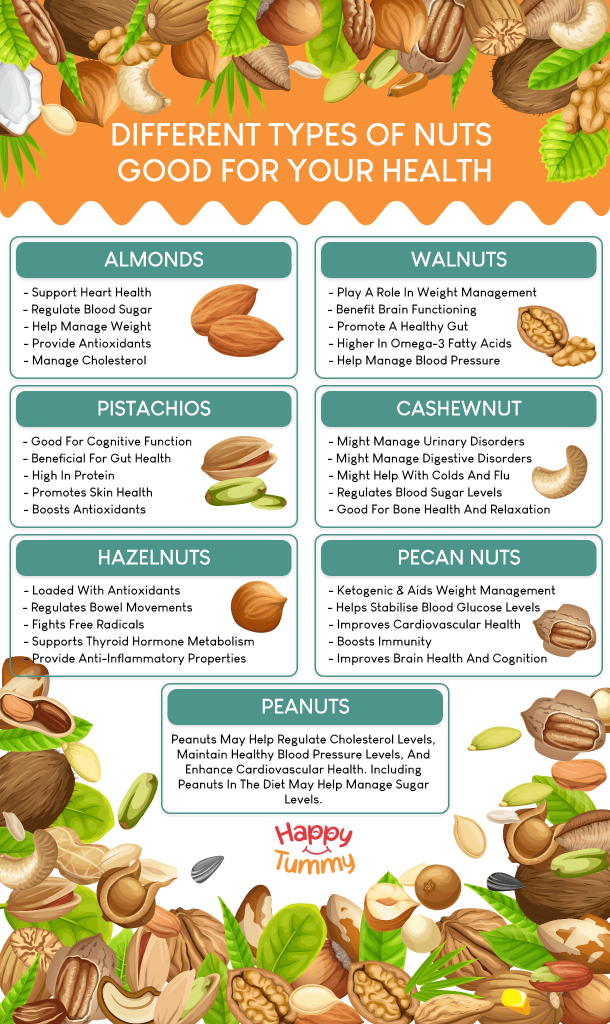
Almonds are a standout choice, often lauded for their rich content of Vitamin E, an antioxidant that protects cells from damage. They also provide a significant amount of magnesium, which plays a role in over 300 biochemical reactions in the body, including energy production and muscle function. Economically, almonds are widely available and offer a good balance of price and nutritional density. Their versatility means they can be incorporated into numerous meals and snacks, further optimizing their value. Consider the cost per serving when comparing different nut varieties; almonds often present a favorable ratio of nutritional benefits to price.
Walnuts: The Omega-3 Powerhouse for Cognitive Function
Walnuts are unique among nuts for their high content of alpha-linolenic acid (ALA), a plant-based omega-3 fatty acid. Omega-3s are renowned for their anti-inflammatory properties and their critical role in brain health. Investing in walnuts can be seen as an investment in cognitive longevity and reduced risk of conditions that can impair mental acuity, potentially saving on future healthcare interventions. While sometimes pricier than other nuts, their distinct health benefits, particularly for brain function, justify their inclusion in a balanced diet.
Pistachios: The Antioxidant-Rich Choice for Eye Health
Pistachios are not only a visually appealing snack but also a nutritional gem. They are packed with antioxidants, including lutein and zeaxanthin, which are crucial for eye health and can help protect against age-related macular degeneration. The investment in pistachios can contribute to long-term vision health, potentially delaying or mitigating the need for costly eye treatments. Their satisfying crunch and flavor profile also make them an excellent alternative to less healthy, more expensive processed snacks.
Micronutrient Marvels: Vitamins and Minerals that Save You Money
Beyond the macronutrients, nuts are replete with essential vitamins and minerals. These micronutrients are vital for countless bodily functions, and deficiencies can lead to a cascade of health problems, often requiring expensive medical attention.
Brazil Nuts: The Selenium Superstars for Thyroid Health
Brazil nuts are exceptionally high in selenium, a trace mineral that is crucial for thyroid function and has potent antioxidant properties. Adequate selenium intake is linked to a reduced risk of certain cancers and can support immune function. Given the importance of the thyroid in regulating metabolism, maintaining its health through nutrient-rich foods like Brazil nuts can prevent future metabolic disorders and related expenses. However, it’s important to consume them in moderation due to their high selenium content, ensuring you get the benefits without exceeding safe limits, thus avoiding potential health issues and associated costs.
Cashews: The Zinc and Copper Contributors for Immune Support
Cashews are a good source of zinc and copper, both of which are vital for a robust immune system. A strong immune system is your body’s first line of defense against illness, meaning fewer doctor visits and less reliance on costly medications. While often perceived as a more indulgent nut, their contribution to immune health makes them a valuable component of a cost-effective approach to well-being.
Smart Procurement and Utilization: Maximizing Value from Your Nut Investment
Purchasing nuts wisely and using them efficiently are key to unlocking their full financial and health benefits. Treating nuts as a strategic investment means understanding how to buy them at the best price and how to integrate them into your diet to get the most nutritional bang for your buck.
Bulk Buying and Smart Storage: Reducing Cost Per Serving
One of the most effective ways to maximize the financial value of nuts is through bulk purchasing. Buying larger quantities from reputable sources often leads to a lower cost per ounce or pound. This requires a commitment to proper storage to prevent spoilage and maintain freshness.
Airtight Containers and Refrigeration: Preserving Your Nut Stash
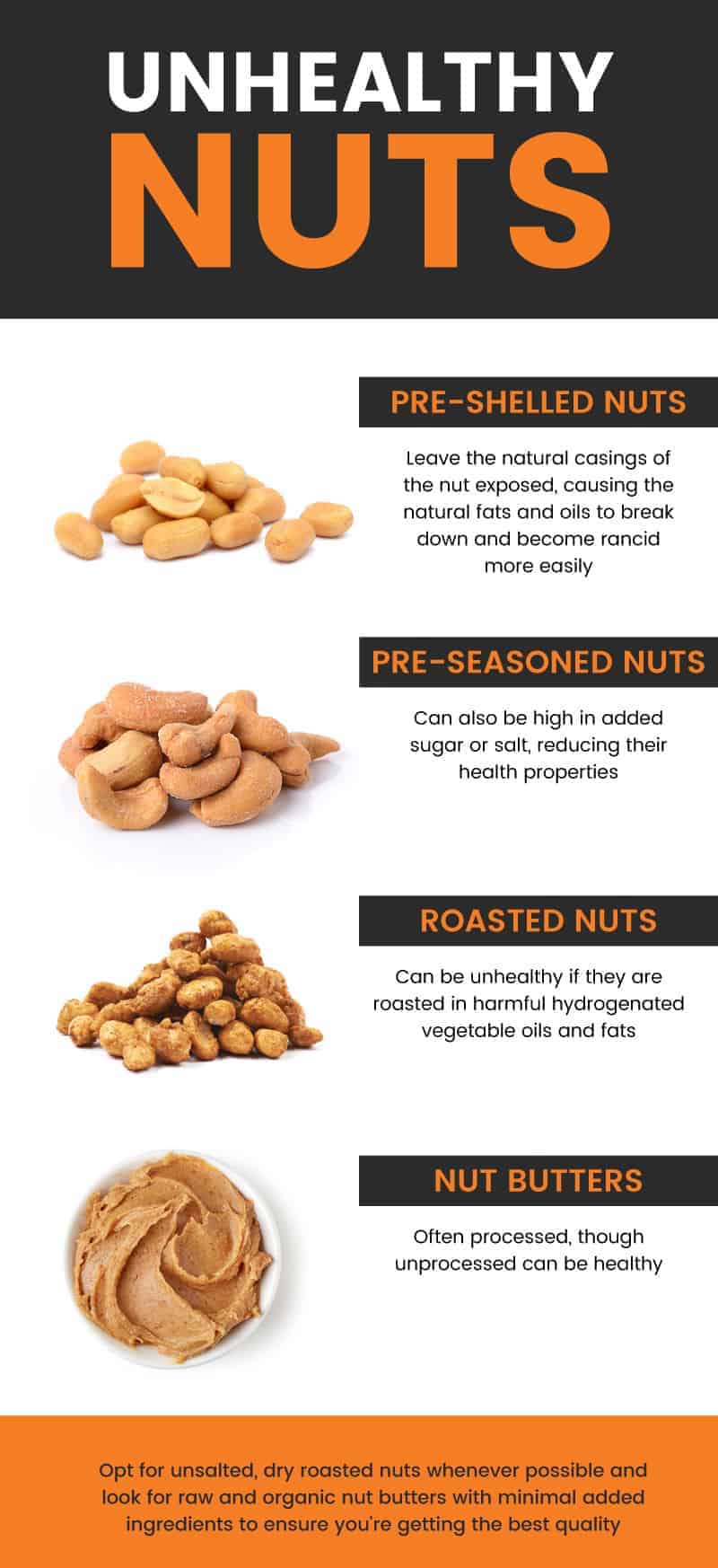
Nuts, especially those with higher fat content, can go rancid if not stored correctly. Investing in high-quality airtight containers and utilizing refrigeration or freezing can significantly extend their shelf life. This prevents waste, ensuring that every nut you purchase contributes to your health goals and doesn’t end up in the bin, representing lost money. Consider it an insurance policy on your healthy food investment.
Opting for Unroasted and Unsalted: Purity and Price Advantage
While convenience and taste are factors, opting for unroasted and unsalted nuts generally offers a better price point and avoids unnecessary additives that can detract from their health benefits. Roasting can diminish some nutrients, and added salt can contribute to increased blood pressure, a condition that can lead to significant long-term medical expenses. Unsalted nuts provide pure nutritional value, making them a more cost-effective choice for health-conscious individuals.
Versatile Ingredients: Integrating Nuts into Your Daily Budget
The true financial brilliance of nuts lies in their versatility. They are not just a snack; they are an ingredient that can enhance and elevate a wide range of meals, making healthy eating more sustainable and enjoyable without requiring constant expenditure on expensive health foods.
Breakfast Boosts: Adding Crunch and Nutrients to Your Morning Meal
Sprinkling chopped nuts onto oatmeal, yogurt, or whole-grain cereal is a simple and cost-effective way to elevate your breakfast. This adds protein, fiber, and healthy fats, promoting satiety and providing sustained energy throughout the morning. It’s a far more economical and nutritious start to the day than relying on processed breakfast foods or sugary pastries.
Savory and Sweet Applications: Enhancing Dishes Economically
Nuts can be incorporated into a myriad of savory dishes, from stir-fries and salads to pestos and crusts for baked goods. Their ability to add texture, flavor, and nutritional depth can transform simple, budget-friendly ingredients into more satisfying and wholesome meals. Similarly, in baking and desserts, nuts can replace less healthy fats and enhance the overall nutritional profile of a treat, making it a more guilt-free and beneficial indulgence. This culinary flexibility means you can stretch your food budget further while still enjoying delicious and nutritious meals.
Long-Term Financial Health: Nuts as an Investment in Preventative Care
The ultimate “best” aspect of nuts is their contribution to long-term financial health through preventative care. By supporting overall well-being, they can reduce the likelihood of developing chronic diseases, thereby minimizing future healthcare expenditures.
Cardiovascular Benefits: Saving on Heart Health
The healthy fats and fiber found in nuts are instrumental in managing cholesterol levels, blood pressure, and reducing inflammation – all key factors in preventing heart disease. Heart disease is a leading cause of death and a significant financial burden on individuals and healthcare systems. By making nuts a regular part of your diet, you are making a proactive financial investment in your cardiovascular health, potentially saving yourself substantial medical costs down the line.
Diabetes Prevention and Management: A Cost-Effective Dietary Strategy
Nuts have a low glycemic index and can help improve insulin sensitivity, making them an excellent food for managing and potentially preventing type 2 diabetes. Diabetes is a chronic condition that requires lifelong management, including medication, monitoring, and potential complications, all of which incur significant costs. Incorporating nuts into your diet is a delicious and affordable strategy for reducing your risk or managing this condition, ultimately saving money on healthcare.
Weight Management: Reducing Costs Associated with Obesity
The protein and fiber content in nuts promote satiety, helping to control appetite and prevent overeating. Effective weight management is crucial for overall health and can reduce the risk of numerous obesity-related health issues, such as sleep apnea, joint problems, and certain cancers. By aiding in weight management, nuts contribute to a healthier body and a lighter financial burden related to weight-induced health problems.
In conclusion, when considering “what are the best nuts for you,” it’s essential to look beyond mere taste and texture. By adopting a financially savvy approach, recognizing nuts as a potent source of essential nutrients, understanding smart procurement strategies, and appreciating their versatility, you can make a profound investment in your long-term health and financial well-being. The humble nut, when chosen and utilized wisely, is indeed one of the best investments you can make for a healthier, wealthier future.
aViewFromTheCave is a participant in the Amazon Services LLC Associates Program, an affiliate advertising program designed to provide a means for sites to earn advertising fees by advertising and linking to Amazon.com. Amazon, the Amazon logo, AmazonSupply, and the AmazonSupply logo are trademarks of Amazon.com, Inc. or its affiliates. As an Amazon Associate we earn affiliate commissions from qualifying purchases.