
In an era saturated with digital content, identifying the “best” movies on a platform like Netflix is less about arbitrary lists and more about understanding the sophisticated technology that underpins our viewing experience. Netflix, at its core, is a colossal tech company, and its prowess in software development, data science, and network infrastructure is precisely what enables users to discover, stream, and engage with cinematic gems. This article will explore how Netflix’s technological advancements, from intricate recommendation algorithms to cutting-edge streaming protocols, define and deliver what we perceive as the “best” movies available at any given moment, moving beyond simple content curation to a deep analysis of the tech that makes it all possible.

The Algorithmic Backbone of Netflix’s “Best”
At the heart of Netflix’s ability to surface compelling films is a highly advanced recommendation engine, a marvel of machine learning and data science. This isn’t merely a suggestion box; it’s a dynamic, evolving system that meticulously processes vast datasets to understand individual viewer preferences and align them with the ever-expanding library of content. The concept of “best” on Netflix is thus deeply personalized, sculpted by an intricate algorithmic intelligence designed to maximize user satisfaction and engagement.
The Power of Personalized Recommendations
Netflix pioneered the art of personalized recommendations, moving away from generic popularity charts to bespoke content suggestions. When you log in, the movies displayed prominently are not universally “the best,” but rather “the best for you,” based on your viewing history, ratings, watch patterns (what you paused, rewound, or skipped), genres you frequently explore, and even the time of day you typically watch. This level of granular personalization is driven by complex algorithms that identify subtle patterns and correlations within user behavior data, predicting with remarkable accuracy which films will resonate most deeply with an individual. It’s a continuous feedback loop: every interaction refines the algorithm, making future recommendations even more precise and, by extension, making your “best” selection more robust.
Evolving Beyond Simple Preferences
The recommendation engine doesn’t stop at explicit preferences. It also considers implicit signals. For instance, if you watch a foreign film with a specific director, the algorithm might infer a preference for that director’s style or a broader interest in international cinema, irrespective of language. It recognizes thematic similarities, directorial signatures, actor pairings, and even subtle narrative structures across disparate titles. Furthermore, Netflix employs collaborative filtering, comparing your viewing habits to millions of other users with similar tastes. This allows the system to recommend films you might love, even if they fall outside your established viewing patterns, simply because statistically, people like you have enjoyed them. This sophisticated cross-referencing is crucial for serendipitous discovery, constantly broadening what you might consider “best.”
The Role of Data Science in Content Curation
Beyond individual recommendations, data science plays a pivotal role in Netflix’s broader content strategy and curation. Insights derived from user engagement metrics, genre popularity trends, and geographical viewing patterns inform decisions about what content to acquire, produce, and highlight. For example, if data indicates a surge in demand for sci-fi thrillers featuring strong female leads in a particular region, Netflix’s algorithms might proactively push existing titles matching that criteria or even greenlight new productions. This data-driven approach ensures that the overall “best” offerings available on the platform are not static but are continually evolving to meet aggregate user demand and anticipate future trends, making the platform a dynamic reflection of global cinematic tastes, filtered through a technological lens.
Navigating the Netflix Interface: Tech for Optimal Discovery
Finding those “best” movies would be a daunting task without a thoughtfully designed interface. Netflix’s user experience (UX) and user interface (UI) are technological achievements in themselves, engineered to facilitate effortless navigation and discovery across its vast library. The platform is designed not just to stream content, but to serve as a sophisticated digital catalog, employing advanced search functions, intuitive categorization, and seamless cross-device synchronization to ensure a smooth journey from selection to playback.
Intuitive UI/UX for Seamless Browsing
Netflix’s UI is characterized by its clean design and highly intuitive navigation, which is a result of extensive A/B testing and user research. The horizontal rows of content, categorized by genre, mood, or personalized suggestions, are optimized for quick scanning and visual appeal. Dynamic thumbnails and short auto-playing trailers provide immediate context, helping users make informed choices without needing to click into each movie’s dedicated page. This design strategy minimizes friction, ensuring that users can spend less time searching and more time watching, enhancing the perception that the “best” movies are always just a scroll away. The continuous optimization of this interface is a testament to Netflix’s commitment to tech-driven user satisfaction.
Advanced Search and Filtering Capabilities
While personalized rows are excellent, sometimes a user knows exactly what they’re looking for. Netflix’s search functionality is robust, utilizing natural language processing (NLP) to understand queries beyond exact title matches. Users can search by actors, directors, genres, moods, themes, or even vague descriptions, and the system intelligently surfaces relevant results. Furthermore, advanced filtering options allow for refining searches by criteria such as language, release year, or awards, enabling users to pinpoint specific types of “best” films. This sophisticated search mechanism acts as a powerful technological tool, empowering users to cut through the noise and directly access the content most pertinent to their current preferences.
Bridging the Gap: Cross-Device Experience and Sync
A critical technological aspect of Netflix’s appeal is its ubiquitous availability and seamless cross-device synchronization. Whether you start a movie on your smart TV, pause it, and then resume on your tablet during a commute, the playback picks up exactly where you left off. This seamless experience is facilitated by a robust cloud infrastructure and sophisticated session management technologies. It ensures that the “best” movie experience is not confined to a single device or location but is fluid and adaptable to the user’s lifestyle. This technological harmony across various devices – from smartphones and tablets to gaming consoles and smart TVs – solidifies Netflix’s position as a leader in pervasive digital entertainment.
Behind the Stream: The Technology Delivering High-Quality Cinema
The “best” movie isn’t just about the narrative or performances; it’s also about the quality of its delivery. Netflix has consistently pushed the boundaries of streaming technology to ensure that its content is presented with optimal visual and auditory fidelity. This commitment to technical excellence translates directly into a more immersive and satisfying viewing experience, elevating the perceived quality of its film library.
From SD to 4K HDR: The Evolution of Video Streaming Standards

Netflix has been at the forefront of adopting and standardizing high-definition (HD), Ultra HD (UHD or 4K), and High Dynamic Range (HDR) video streaming. Delivering content in these formats requires substantial bandwidth, efficient compression algorithms (like HEVC/H.265), and robust server infrastructure. The technical challenge lies in delivering pristine video quality consistently across a multitude of devices and varying internet speeds. Films that showcase stunning cinematography or intricate visual effects particularly benefit from these advancements, making their “best” attributes truly shine. The platform’s continuous investment in these technologies ensures that the visual impact intended by filmmakers is preserved and transmitted directly to the viewer’s screen.
Adaptive Bitrate Streaming and Network Optimization
A key technology enabling consistent quality is Adaptive Bitrate Streaming (ABS). This system dynamically adjusts the video quality based on the user’s available bandwidth and network conditions. If your internet connection fluctuates, Netflix seamlessly scales the video quality up or down without interrupting playback, preventing buffering and ensuring a smooth viewing experience. This is crucial for maintaining the perception of “best” even under challenging network conditions. Furthermore, Netflix operates Open Connect, a vast global content delivery network (CDN) that strategically places servers closer to internet service providers (ISPs) and users. This reduces latency and improves streaming efficiency, a massive logistical and technical undertaking designed to provide a uniformly high-quality experience worldwide.
Immersive Audio Technologies: Dolby Atmos and Spatial Audio
The visual experience is only half the story; sound plays an equally vital role in cinematic immersion. Netflix has embraced advanced audio formats like Dolby Atmos, which delivers three-dimensional, object-based sound, creating a more enveloping soundscape. More recently, with the advent of Spatial Audio (especially on mobile devices and headphones), Netflix has further enhanced the auditory experience, allowing viewers to perceive sound coming from all directions. For films with rich sound design, these technologies significantly amplify the emotional and atmospheric impact, making them genuinely “best” experiences that transcend mere visual storytelling. This technological emphasis on audio fidelity ensures that the sonic intricacies intended by sound designers are fully realized, adding another layer of depth to the viewing experience.
Beyond the Screen: Future Tech Trends Shaping Your Netflix Experience
Netflix isn’t just reacting to current tech; it’s actively shaping the future of entertainment. The “best” movies of tomorrow on the platform will likely be defined by emerging technologies that offer new ways to create, interact with, and consume cinematic content. From artificial intelligence to virtual realities, these innovations promise to revolutionize how we discover and engage with stories.
The Rise of AI in Content Creation and Enhancement
Beyond recommendation algorithms, AI is increasingly being explored for content creation and enhancement. This could range from AI-powered tools assisting scriptwriters and animators to machine learning algorithms optimizing post-production processes like color grading and visual effects. We might see AI assisting in the localization of content, generating highly realistic dubs, or even creating personalized trailers that resonate more strongly with individual viewer preferences. The integration of AI throughout the content pipeline could lead to more efficient production, higher quality output, and more diverse storytelling, thereby expanding the pool of what can be considered “best” on the platform.
Interactive Storytelling and Experiential Cinema
Netflix has already experimented with interactive films (e.g., Black Mirror: Bandersnatch), allowing viewers to make choices that alter the narrative. This represents a nascent form of experiential cinema, blurring the lines between viewer and participant. As technology evolves, we can expect more sophisticated interactive elements, potentially leveraging real-time viewer input, biometric data, or even AI-driven character responses. These innovations promise a deeper level of engagement, transforming passive viewing into an active experience and introducing a new dimension to what defines a “best” film by offering a uniquely personalized narrative journey.
Metaverse Integration and VR/AR Streaming Potential
The concept of the metaverse and advancements in virtual and augmented reality (VR/AR) hold significant potential for future cinematic experiences. Imagine watching a movie in a shared virtual cinema with friends, or even stepping into a film’s world through VR, experiencing the narrative from an immersive first-person perspective. While still in its early stages for mainstream movie consumption, Netflix is likely exploring how these immersive technologies could fundamentally alter how we interact with and perceive films, potentially redefining the parameters of a “best” cinematic experience by making it a truly spatial and interactive event.
Identifying “Best” Through a Tech Lens: A Curated Selection Methodology
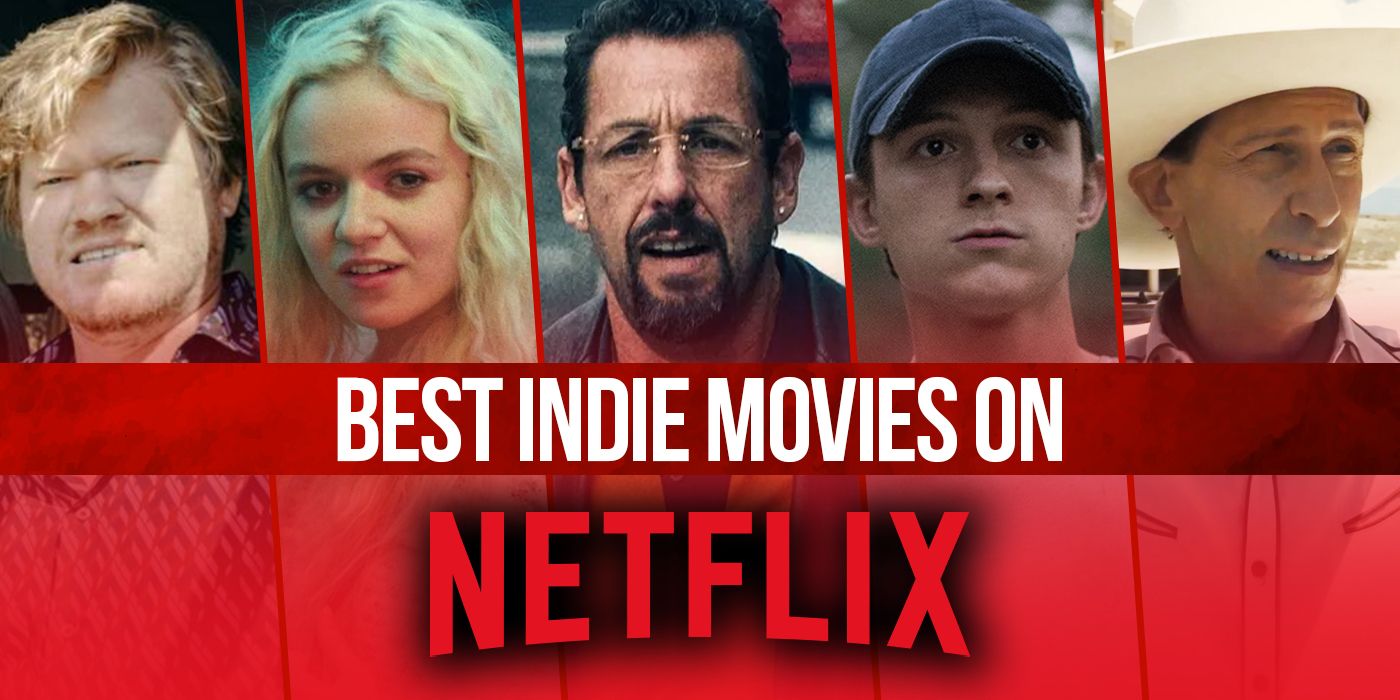
Ultimately, determining the “best movies on Netflix right now” isn’t a simple editorial decision but a multi-faceted assessment heavily influenced by Netflix’s technological capabilities and data insights. It involves a confluence of user engagement data, critical reception, and strategic content planning, all orchestrated by intelligent systems.
Leveraging User Engagement Metrics
What viewers actually watch, finish, rewind, rewatch, and rate provides invaluable data. Films with high completion rates, strong re-watchability, and positive engagement signals are naturally elevated by Netflix’s algorithms. These metrics, far more objective than mere critical reviews, directly reflect user satisfaction and are key indicators of a film’s perceived quality and entertainment value within the platform’s ecosystem. A movie that keeps users hooked and coming back is, by definition, a “best” film in the context of user experience.
Critical Acclaim & Algorithm Synergy
While algorithms prioritize personalization, Netflix also integrates signals from critical acclaim and industry awards. High ratings from reputable critics and recognition at major film festivals (which the platform often funds or acquires films from) contribute to a film’s overall visibility and algorithmic ranking. This synergy between human critical judgment and machine learning ensures that both artistic merit and popular appeal are considered, providing a balanced definition of “best” that caters to diverse tastes while upholding cinematic standards.
Anticipating Future Trends in Viewer Preferences
Netflix’s tech isn’t just reactive; it’s predictive. By analyzing vast amounts of data, the platform can anticipate future trends in viewer preferences, informing content acquisition and production strategies. This forward-looking approach ensures that the “best” movies available are not only relevant to current tastes but are also at the forefront of emerging cinematic interests, keeping the platform fresh and perpetually engaging.
In conclusion, “the best movies on Netflix right now” are not a static collection but a dynamically curated, algorithmically-driven, and technologically-delivered experience. From the personalized recommendations that greet you on your home screen to the seamless 4K HDR stream delivered to your device, every aspect of your cinematic journey is shaped by cutting-edge technology. Netflix’s continuous innovation in data science, user experience design, streaming infrastructure, and future entertainment formats ensures that it remains a dominant force, constantly redefining what it means to discover and enjoy the very best in global cinema.
aViewFromTheCave is a participant in the Amazon Services LLC Associates Program, an affiliate advertising program designed to provide a means for sites to earn advertising fees by advertising and linking to Amazon.com. Amazon, the Amazon logo, AmazonSupply, and the AmazonSupply logo are trademarks of Amazon.com, Inc. or its affiliates. As an Amazon Associate we earn affiliate commissions from qualifying purchases.