
The world of unmanned aerial vehicles (UAVs) has undergone a radical transformation over the last decade. Once the exclusive domain of military operations and high-end cinematic productions, drones have evolved into accessible consumer gadgets that blend sophisticated robotics, advanced AI, and high-definition imaging. For a beginner, entering the “drone-tech” ecosystem can be overwhelming due to the sheer variety of hardware specifications, software requirements, and regulatory frameworks.
Choosing the best drone for a beginner is no longer just about finding a toy that flies; it is about selecting a sophisticated piece of technology that offers stability, safety, and a manageable learning curve. In this guide, we will explore the current landscape of beginner-friendly drones, focusing on the technical innovations that make modern flight possible for novices.
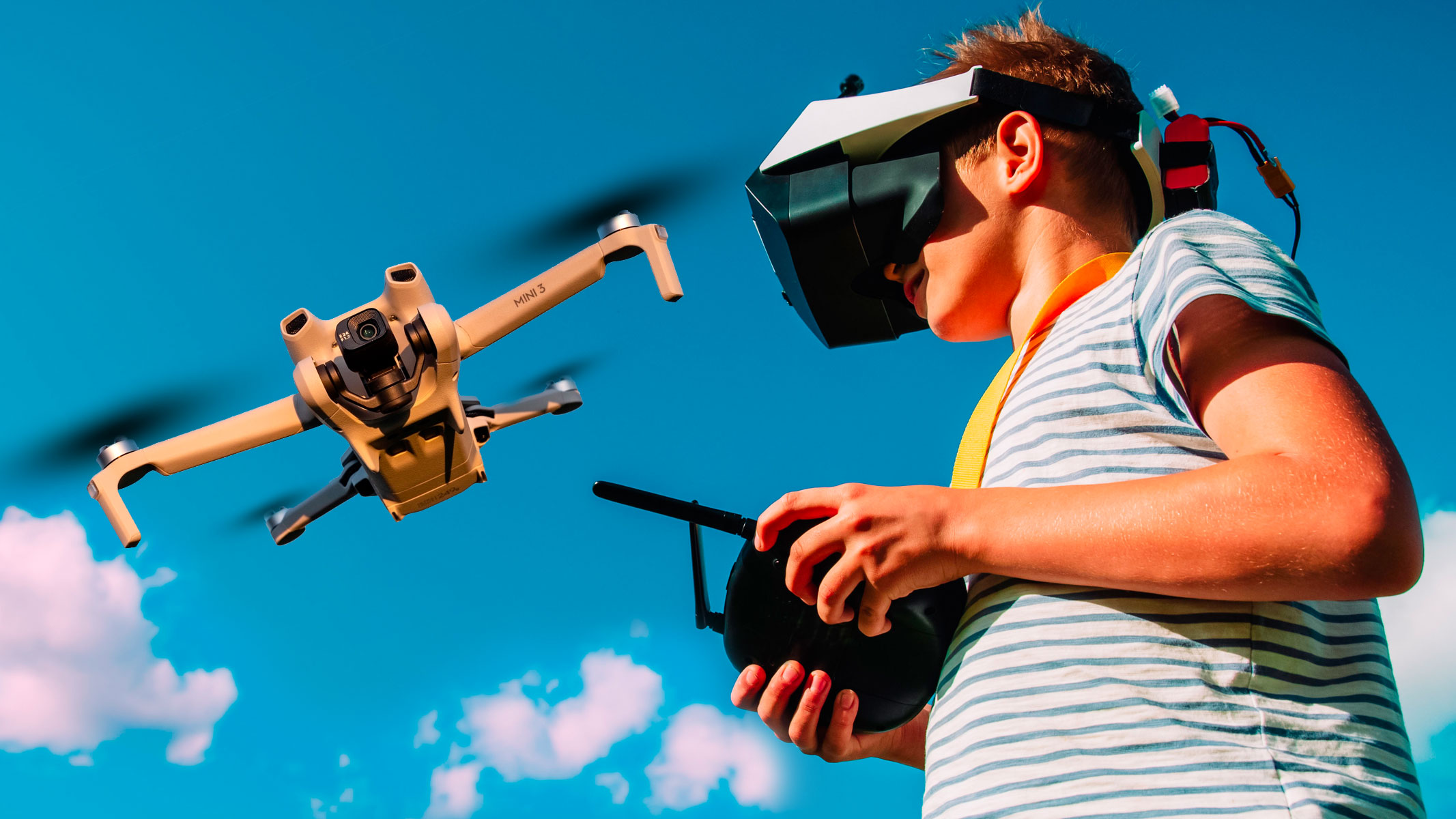
The Evolution of Beginner Drone Technology: From Manual to Autonomous
In the early days of consumer drones, flying required significant manual dexterity and an understanding of aerodynamics. Today, the “tech stack” inside an entry-level drone does most of the heavy lifting. The transition from purely mechanical devices to intelligent flying computers has lowered the barrier to entry significantly.
Flight Stabilization Systems and GPS Integration
The most critical piece of technology for a beginner is the flight controller, often referred to as the “brain” of the drone. Modern beginner drones utilize sophisticated Inertial Measurement Units (IMUs)—comprising accelerometers and gyroscopes—to maintain level flight even in moderate winds.
Furthermore, GPS (Global Positioning System) and GLONASS integration have revolutionized the beginner experience. By locking onto multiple satellites, a drone can “hover in place” without any input from the pilot. If the pilot lets go of the controls, the drone stays perfectly stationary in 3D space. This tech prevents the common “drifting” issues that plagued early models and led to frequent crashes.
Obstacle Avoidance and Sensor Suites
Technology that was once reserved for $2,000 professional rigs is now trickling down to beginner models. Advanced obstacle avoidance systems use binocular vision sensors, ultrasonic sensors, and infrared time-of-flight (ToF) sensors to map the environment in real-time. For a beginner, this tech acts as a digital safety net, preventing the drone from flying into trees, walls, or power lines by automatically braking or bypassing the obstacle.
Intelligent Return-to-Home (RTH) Safety Features
One of the greatest fears for a new pilot is losing the drone due to a signal disconnect or a low battery. Advanced RTH technology solves this by recording the “Home Point” via GPS coordinates upon takeoff. If the battery hits a critical level or the radio link is severed, the drone’s onboard computer calculates the most efficient path back to its starting point and lands autonomously.
Top Picks for 2024: Categorizing the Best Entry-Level Gadgets
When selecting a drone, it is essential to look at the hardware-software synergy. The best drones for beginners are those that offer a “Ready-to-Fly” (RTF) experience right out of the box.
The All-Rounder: DJI Mini 4 Pro
The DJI Mini series has long been the gold standard for beginners, primarily due to its weight. At under 249 grams, it avoids many of the strict registration requirements in various regions. However, despite its small size, the Mini 4 Pro is a tech powerhouse. It features omnidirectional obstacle sensing and a 1/1.3-inch CMOS sensor. For a beginner, the inclusion of “ActiveTrack 360” allows the drone to follow a subject autonomously, using AI to navigate complex environments without manual steering.
The Budget Choice: Potensic Atom SE
For those looking for a more affordable entry point without sacrificing essential tech, the Potensic Atom SE provides a compelling package. It lacks the advanced obstacle avoidance of the DJI models but compensates with a high-quality 4K camera and “ShakeVanish” technology. This electronic image stabilization (EIS) software helps smooth out shaky footage, making it a great tool for those wanting to learn the basics of aerial digital photography.
The Educational Choice: Ryze Tello
If the goal is to understand the intersection of drones and software engineering, the Ryze Tello is the premier choice. Powered by DJI flight tech and an Intel processor, the Tello is unique because it supports “Scratch,” a block-based visual programming language. Beginners can write code to command the drone to perform specific maneuvers, making it a dual-purpose tool for learning both flight and basic AI logic.
Essential Software and Mobile App Ecosystems
A drone is only as good as the software that controls it. Most modern drones rely on a smartphone or a dedicated smart controller to provide a First-Person View (FPV) and access to advanced settings.

DJI Fly vs. Competitor Interfaces
The user interface (UI) of a drone app can make or break the beginner experience. The “DJI Fly” app is designed with a minimalist aesthetic, hiding complex telemetry data behind intuitive icons. It provides “Academy” tutorials directly within the app, allowing users to watch instructional videos before their first flight. Competitors like Autel and Potensic have also optimized their apps to provide one-tap takeoff and landing buttons, which are essential “Quality of Life” tech features for novices.
Firmware Updates and Performance Optimization
Just like a smartphone or a PC, drones receive regular firmware updates. These updates are crucial as they often include “No-Fly Zone” (NFZ) database refreshes, improved battery management algorithms, and bug fixes for the flight controller. For a beginner, understanding how to sync the drone with a desktop or mobile app to perform these updates is a vital part of “drone hygiene.”
Third-Party Apps for Flight Planning and Airspace Safety
Beyond the manufacturer’s app, beginners should utilize third-party tech tools like “B4UFLY” or “AirMap.” These apps use real-time data to inform pilots of restricted airspaces, temporary flight restrictions (TFRs), and weather conditions. Integrating these digital tools into your pre-flight routine is a hallmark of a responsible tech-savvy pilot.
Understanding Camera Specs and Image Processing
For many beginners, a drone is essentially a “flying camera.” Therefore, understanding the tech behind the lens is vital.
Sensor Size and Resolution (4K vs. 2.7K)
The sensor is the heart of the camera. While many budget drones claim “4K” resolution, the actual quality depends on the sensor size. A larger sensor (like a 1-inch or 1/1.3-inch) can capture more light, which is essential for “Golden Hour” photography. Beginners should look for drones that offer HDR (High Dynamic Range) processing, which uses software to balance the bright sky and dark ground in a single frame.
Mechanical Gimbals vs. Electronic Image Stabilization (EIS)
This is a key technical distinction. A mechanical gimbal is a physical 3-axis motorized stabilizer that keeps the camera level regardless of how the drone tilts. EIS, on the other hand, uses software algorithms to crop and stabilize the image. For the best cinematic results, beginners should prioritize drones with a 3-axis mechanical gimbal, as it provides a professional look that software alone cannot replicate.
AI-Powered Shooting Modes: Quickshots and MasterShots
One of the most impressive tech features for beginners is the automation of cinematic movements. “Quickshots” are pre-programmed flight paths (like Dronie, Rocket, or Circle) where the drone uses computer vision to keep a subject in the center of the frame while executing a complex move. This allows a beginner to produce professional-grade video content without having to master coordinated stick movements.
Navigating the Digital Security and Regulatory Landscape
As drones become more connected, the “Tech” niche intersects heavily with digital security and regulatory compliance.
Data Privacy and Cloud Syncing
Modern drones often sync flight logs and media to the cloud. Beginners should be aware of where their data is being stored and the privacy settings within the manufacturer’s app. Most reputable brands now offer “Local Data Mode,” which disconnects the drone from the internet entirely during flight, ensuring that no sensitive location data is transmitted.
Remote ID Compliance
In many regions, including the United States (FAA) and Europe (EASA), drones are now required to have “Remote ID” technology. This is essentially a digital license plate that broadcasts the drone’s location, altitude, and serial number via Bluetooth or Wi-Fi. When buying a beginner drone, it is crucial to ensure the hardware is Remote ID compliant to avoid future hardware retrofitting or legal issues.
Safe Battery Management and Hardware Maintenance
The Lithium-Polymer (LiPo) batteries used in drones are high-performance energy cells that require intelligent management. Most beginner drones now feature “Smart Batteries” with built-in microchips that prevent overcharging and automatically discharge to a safe storage level if not used for several days. Understanding the tech behind battery cycles is essential for the longevity of the gadget.

Conclusion
The “best” drone for a beginner is no longer defined by the lowest price, but by the highest level of integrated technology that ensures a safe and successful flight. From the GPS-locked stability and AI-driven obstacle avoidance to the sophisticated software ecosystems that guide every takeoff, the modern drone is a masterpiece of consumer electronics.
By focusing on models that offer robust safety features, intuitive app interfaces, and high-quality image processing, newcomers can bypass the steep learning curves of the past. As drone technology continues to advance, the gap between “beginner” and “professional” hardware continues to shrink, allowing anyone with a smartphone and a sense of adventure to take to the skies with confidence.
aViewFromTheCave is a participant in the Amazon Services LLC Associates Program, an affiliate advertising program designed to provide a means for sites to earn advertising fees by advertising and linking to Amazon.com. Amazon, the Amazon logo, AmazonSupply, and the AmazonSupply logo are trademarks of Amazon.com, Inc. or its affiliates. As an Amazon Associate we earn affiliate commissions from qualifying purchases.