
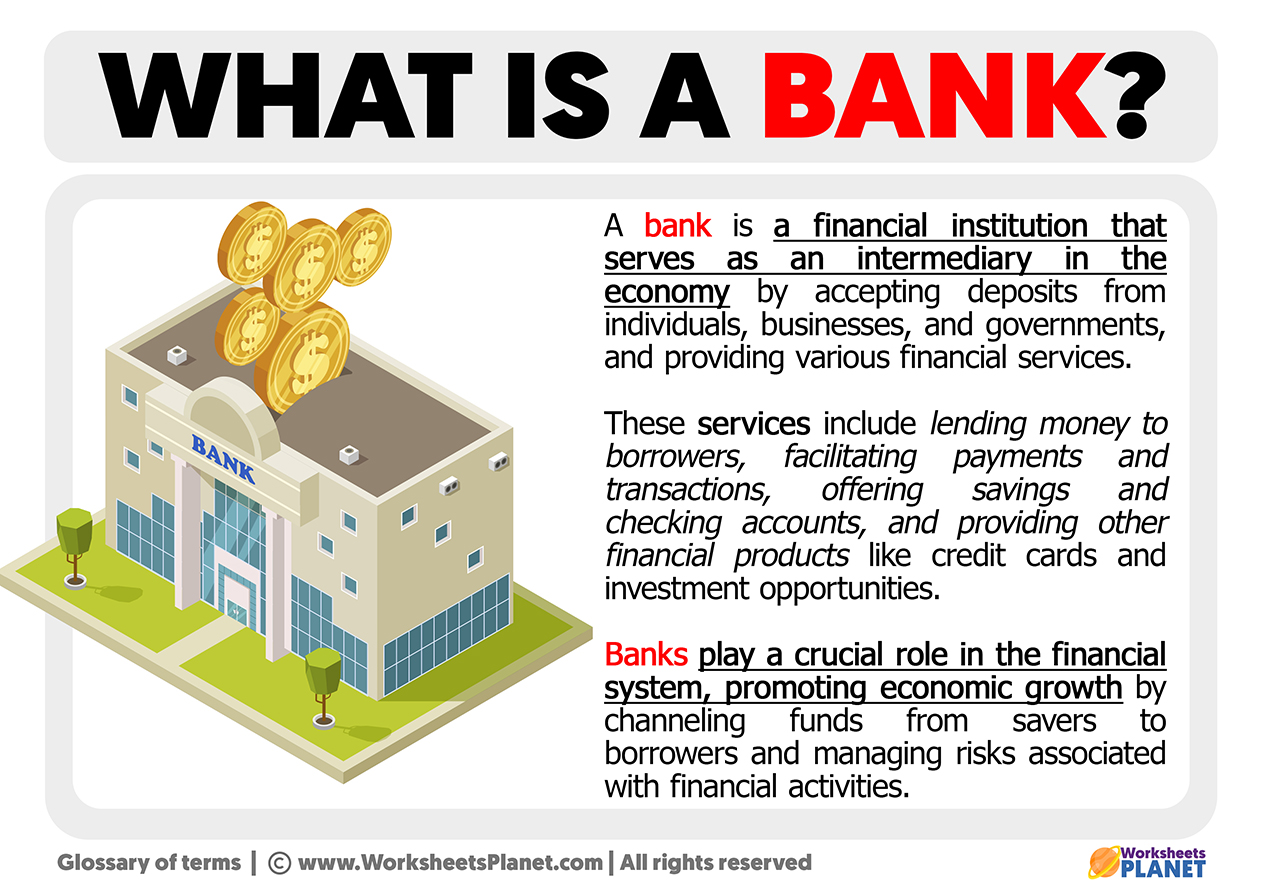
At the core of modern finance, banks stand as indispensable pillars, orchestrating the flow of money, facilitating commerce, and underpinning economic growth worldwide. Far from being mere repositories for cash, these institutions are complex, multi-faceted entities that serve a critical function in connecting savers with borrowers, managing risk, and providing a vast array of financial services essential for individuals, businesses, and governments alike. To truly understand the global economy and personal finance, one must first grasp the fundamental nature, operations, and profound importance of banks.
From the simple act of depositing a paycheck to the sophisticated financing of multinational corporations, banks are intertwined with nearly every financial decision and transaction we make. They are the engine rooms of liquidity, the gatekeepers of capital, and the innovators of financial instruments that drive progress. This article delves into the essence of what banks are, exploring their diverse forms, core functions, and their evolving role in an increasingly digital and interconnected world.
The Foundational Role of Banks in the Economic Ecosystem
Banks are not just commercial enterprises; they are integral components of a nation’s economic infrastructure. Their activities have far-reaching implications, influencing everything from interest rates and inflation to employment and global trade. Understanding their foundational role helps illuminate why they are so heavily regulated and why their stability is paramount.
Financial Intermediation: Bridging Savers and Borrowers
Perhaps the most fundamental role of banks is financial intermediation. In any economy, there are entities (individuals, businesses) with surplus funds – savers – and entities with a need for funds – borrowers. Banks act as crucial intermediaries, efficiently channeling these funds from those who have them to those who need them. Without banks, this process would be highly inefficient, requiring direct negotiation between countless individual savers and borrowers, leading to significant transaction costs, information asymmetry, and higher risk.
Banks aggregate deposits from numerous savers, offering them security and often a return (interest). They then lend these pooled funds to borrowers (individuals for mortgages, businesses for expansion, governments for public projects), charging interest. The difference between the interest earned on loans and the interest paid on deposits, along with fees for other services, forms a significant portion of a bank’s revenue. This intermediation facilitates capital formation, enabling investments that drive innovation, job creation, and economic expansion.
Facilitating Transactions and Payments
In an increasingly cashless and globalized world, banks are the indispensable backbone of payment systems. Whether it’s a direct deposit of a salary, an online purchase, an international wire transfer, or a simple debit card swipe, banks process billions of transactions daily. They provide the secure infrastructure for these transfers, ensuring that money moves efficiently and reliably between different accounts, institutions, and countries.
This function extends beyond mere processing. Banks offer various payment instruments like debit cards, credit cards, cheques, and digital wallets, each designed to meet different needs for convenience, security, and speed. Their role in clearing and settling payments prevents gridlock in the economy and ensures the smooth flow of goods and services, which is vital for both domestic and international trade. Without a robust banking system, the complex web of modern commerce would grind to a halt.
Managing Risk and Liquidity
Banks play a critical role in managing risk for both depositors and borrowers. For depositors, they offer security, often backed by deposit insurance schemes, safeguarding savings against institutional failure. For borrowers, banks assess creditworthiness, diversify their loan portfolios, and manage the inherent risks of lending money. They transform short-term, liquid deposits into longer-term, less liquid loans, a process known as maturity transformation.
Furthermore, banks provide liquidity to the market. They allow individuals and businesses to access their funds readily when needed, even if those funds are invested in longer-term assets. This ability to convert assets into cash quickly and cheaply is essential for economic stability. Banks also act as providers of emergency liquidity to the financial system, especially during periods of stress, though central banks often serve as the ultimate lender of last resort. Their ability to manage these risks and provide liquidity is fundamental to maintaining trust and stability in the financial system.
A Spectrum of Banking Institutions
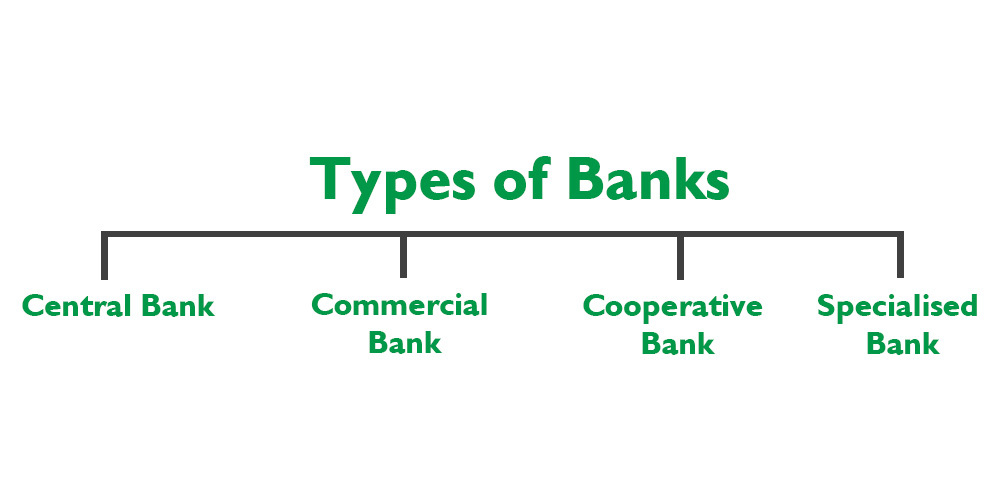
While the term “bank” often conjures a single image, the reality is a diverse ecosystem of institutions, each with specialized functions and target audiences. These entities, though distinct, often interact and collectively form the robust financial architecture of an economy.
Commercial Banks: The Everyday Financial Partner
Commercial banks are what most people envision when they think of a bank. These are retail banks that cater to individuals and small to medium-sized businesses. Their core services include accepting deposits (checking and savings accounts), providing loans (personal loans, mortgages, business loans), and offering various payment services (debit cards, online banking). They are the primary interface for daily financial needs, providing convenience and accessibility through branches, ATMs, and digital platforms. Their focus is on broad customer reach and a wide range of standardized financial products.
Investment Banks: Powering Capital Markets
In stark contrast to commercial banks, investment banks primarily serve corporations, governments, and institutional investors. They do not typically accept deposits from the general public. Instead, their expertise lies in capital markets. Key services include underwriting new stock and bond issues (helping companies raise capital), mergers and acquisitions (M&A) advisory, corporate restructuring, and facilitating trading in securities. Investment banks play a crucial role in allocating capital efficiently to large-scale projects and corporate transactions, driving innovation and structural changes in industries.
Central Banks: Stewards of Monetary Policy
Central banks are unique institutions, typically government-owned or state-controlled, that sit at the apex of a nation’s financial system. They do not interact with the public directly in terms of deposits or loans. Their primary mandate is to maintain monetary and financial stability. This involves managing the money supply, controlling inflation, setting key interest rates, supervising and regulating commercial banks, and acting as a lender of last resort to prevent financial crises. Examples include the Federal Reserve in the U.S., the European Central Bank (ECB), and the Bank of England. Their decisions profoundly impact economic conditions and the financial health of citizens and businesses.
Other Specialized Banking Entities
Beyond these major categories, the banking landscape includes several specialized institutions:
- Credit Unions: Member-owned financial cooperatives that provide similar services to commercial banks but typically focus on specific communities or groups. They are non-profit and often offer more favorable rates on deposits and loans to their members.
- Savings Banks: Traditionally focused on accepting savings deposits and providing mortgage loans, though many have evolved to offer a broader range of services.
- Online Banks (Neobanks/Challenger Banks): Digital-first banks that operate exclusively online, often without physical branches. They leverage technology to offer streamlined services, lower fees, and innovative user experiences, challenging traditional banking models.
- Development Banks: Institutions (often government-backed) providing financing for economic development projects, typically in developing countries or for specific sectors.
How Banks Operate: Core Functions and Services
The operational mechanics of banks are sophisticated, involving a blend of traditional practices and cutting-edge technology. Their core functions define their utility and economic impact.

Deposit-Taking: Securing Your Funds
The foundation of banking is deposit-taking. Banks offer various types of accounts—checking accounts for transactional ease, savings accounts for earning interest, and certificates of deposit (CDs) for higher returns over fixed periods. When you deposit money, the bank essentially owes you that money back on demand (or at a specified future date). These deposits form the capital pool that banks use to make loans and invest. The security of these deposits, often backed by government insurance schemes (like FDIC in the U.S.), is paramount to maintaining public trust in the banking system.
Lending: Fueling Growth and Aspirations
Lending is the engine of economic activity. Banks provide a diverse portfolio of loans to individuals (mortgages, auto loans, personal loans), businesses (working capital loans, equipment financing, lines of credit), and even governments. The lending process involves assessing creditworthiness, setting interest rates based on risk and market conditions, and structuring repayment terms. Through lending, banks enable homeownership, fund business expansion, stimulate consumer spending, and support public infrastructure projects, all contributing significantly to economic growth and development.
Payment Services: The Flow of Modern Commerce
As discussed, banks are central to payment systems. This involves not only processing transactions but also developing and maintaining the infrastructure for various payment methods. From ACH transfers and wire transfers to credit card networks and mobile payment apps, banks provide the secure rails over which money travels digitally. They also offer foreign exchange services, enabling international transactions and supporting global trade. The efficiency and security of these services are critical for the smooth functioning of both domestic and international economies.
Wealth Management and Advisory Services
Beyond basic banking, many institutions, particularly larger ones, offer sophisticated wealth management and advisory services. These include investment management (helping clients invest in stocks, bonds, and other assets), financial planning (retirement planning, estate planning), tax advisory, and trust services. These services cater to high-net-worth individuals, families, and institutions, providing tailored strategies to preserve, grow, and transfer wealth, further cementing the bank’s role as a comprehensive financial partner.
The Evolution of Banking: From Traditional to Digital
Banking has undergone profound transformations throughout history, adapting to technological advancements, economic shifts, and changing customer demands.
Historical Roots and Early Banking Practices
The concept of banking dates back to ancient civilizations, where merchants acted as money lenders and currency changers. The first formal banks emerged in medieval Italy, with families like the Medicis developing sophisticated systems for accepting deposits, issuing loans, and facilitating international trade. Early banking was localized and often based on trust between individuals. The establishment of central banks in later centuries brought greater standardization and regulatory oversight, laying the groundwork for the modern banking system. For centuries, banking remained a predominantly brick-and-mortar affair, characterized by personal relationships and manual ledger keeping.
The Digital Transformation: Online and Mobile Banking
The late 20th and early 21st centuries ushered in a radical digital transformation. The internet revolutionized banking by introducing online banking, allowing customers to manage accounts, pay bills, and transfer funds from anywhere with an internet connection. Mobile banking apps further enhanced convenience, making financial services accessible 24/7 via smartphones. This shift significantly reduced the reliance on physical branches, streamlined operations, and changed customer expectations, pushing banks to innovate rapidly. Digital channels have become the preferred mode of interaction for millions, fundamentally altering the customer experience and operational landscape of banking.
Emerging Trends: FinTech, Neobanks, and Blockchain
The pace of innovation continues to accelerate with the rise of FinTech (financial technology) companies. These agile startups often leverage cutting-edge technology to offer specialized financial services, sometimes directly competing with or partnering with traditional banks. Neobanks (or challenger banks) are digital-only institutions that are built on modern tech stacks, offering highly personalized, low-cost, and user-friendly banking experiences without the legacy burdens of traditional banks.
Furthermore, technologies like blockchain are poised to further disrupt the banking sector. While still in its early stages for mainstream banking applications, blockchain’s potential for secure, transparent, and immutable record-keeping could revolutionize payment systems, remittances, and trade finance, potentially leading to more efficient and cheaper transactions. Artificial intelligence (AI) and machine learning (ML) are also being rapidly adopted by banks for fraud detection, personalized customer service, credit scoring, and algorithmic trading, making banking smarter and more secure.
The Indispensable Importance of Banks for Individuals and Businesses
The broad range of functions and services offered by banks underscores their indispensable nature for nearly every facet of economic life.
For Individuals: Personal Finance Management and Security
For individuals, banks provide the essential tools for managing personal finances. Checking accounts facilitate daily spending, while savings accounts and investment options help individuals build wealth for future goals like retirement, education, or homeownership. Banks offer secure places to store money, protecting it from theft and providing deposit insurance. They also provide access to credit (mortgages, credit cards, personal loans), enabling individuals to make significant purchases or manage temporary cash flow needs. Without banks, personal finance management would be significantly more cumbersome, insecure, and less efficient, hindering wealth accumulation and financial stability for households.
For Businesses: Capital, Cash Flow, and Growth
Businesses, from startups to multinational corporations, rely heavily on banks for their survival and growth. Banks provide critical financing through various loan products, enabling businesses to invest in equipment, expand operations, develop new products, and meet payroll. Cash management services ensure efficient handling of incoming and outgoing payments, optimizing cash flow and liquidity. Trade finance solutions facilitate international commerce, while merchant services enable businesses to accept various forms of payment from customers. Banks are strategic partners, offering advice and solutions that are vital for business planning, risk management, and achieving sustainable growth in competitive markets.
Ensuring Financial Stability and Economic Development
At a macroeconomic level, a well-functioning banking system is crucial for national and global financial stability. Banks play a key role in implementing monetary policy set by central banks, which in turn influences inflation and economic growth. They act as shock absorbers in the financial system, helping to mitigate economic downturns by continuing to lend and process transactions. The stability and integrity of banks are so critical that they are subject to extensive regulation and oversight to prevent systemic risks that could trigger broader economic crises. By efficiently allocating capital and facilitating economic transactions, banks are fundamental drivers of economic development, fostering investment, innovation, and prosperity for nations and their citizens.
In conclusion, “what are the banks?” is a question that reveals the intricate network of institutions that are foundational to modern society. They are not static entities but dynamic players, constantly evolving to meet the demands of a changing world, yet always remaining essential for the flow of money, the creation of wealth, and the stability of the global economy.
aViewFromTheCave is a participant in the Amazon Services LLC Associates Program, an affiliate advertising program designed to provide a means for sites to earn advertising fees by advertising and linking to Amazon.com. Amazon, the Amazon logo, AmazonSupply, and the AmazonSupply logo are trademarks of Amazon.com, Inc. or its affiliates. As an Amazon Associate we earn affiliate commissions from qualifying purchases.