
In the traditional landscape of brand strategy and corporate marketing, the “loudest voice in the room” has historically been equated with leadership and influence. For decades, the archetypal brand ambassador or CEO was envisioned as a high-energy extrovert, thriving on public speaking, networking events, and constant social visibility. However, as the digital economy shifts toward authenticity, deep expertise, and niche community building, a new paradigm is emerging.
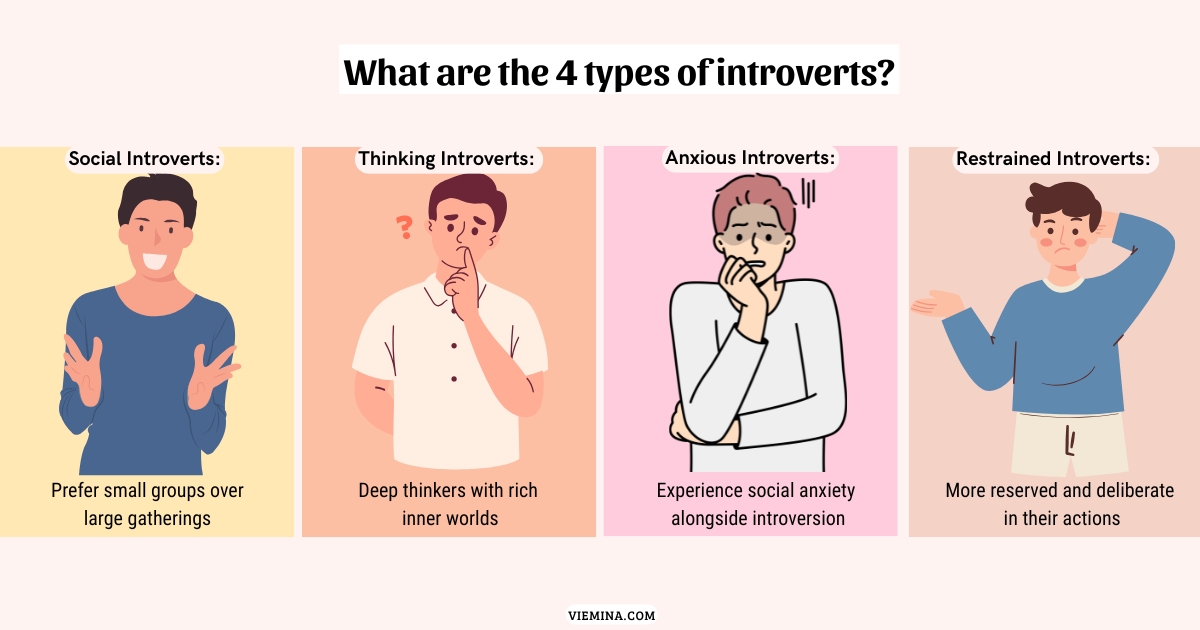
Psychologists often categorize introversion into four distinct nuances—Social, Thinking, Anxious, and Restrained (often referred to as the STAR model). In the context of brand strategy and personal branding, understanding these four types is no longer just a psychological exercise; it is a vital tool for crafting a sustainable, high-impact professional identity. Whether you are a solo entrepreneur building a personal brand or a marketing executive managing diverse talent, aligning your brand strategy with these specific introverted temperaments can unlock unprecedented levels of engagement and trust.
1. The Social and Thinking Introverts: Architects of Digital Authority
The first two types of introverts—Social and Thinking—represent the “content engines” of the modern brand landscape. While their methods differ, both types offer a unique advantage in creating high-value intellectual property that resonates with sophisticated audiences.
Social Introverts: Building Niche Communities
Social introverts are not “shy” in the traditional sense; rather, they prefer small, intimate groups over large, anonymous crowds. In the realm of personal branding, the Social Introvert is the master of the “Micro-Community.” Instead of chasing viral fame on broad platforms, these individuals excel at building high-trust, exclusive environments such as private Slack channels, mastermind groups, or boutique consulting firms.
From a brand strategy perspective, the Social Introvert should focus on “Depth over Breadth.” Their marketing funnel should prioritize high-touch interactions. Because they value meaningful connections, their brand voice often comes across as highly relatable and empathetic, making them ideal for service-based brands where client-provider trust is paramount.
Thinking Introverts: The Thought Leaders of Content Strategy
Thinking introverts are characterized by a high level of introspection and a rich inner creative life. They are not necessarily averse to social events, but they are often “lost in thought.” In branding, these are the quintessential “Thought Leaders.” They are the ones who produce 5,000-word white papers, complex data analyses, and visionary manifestos.
For a brand, a Thinking Introvert is a goldmine for SEO and authority building. Their tendency to over-analyze allows them to spot trends before they become mainstream. Their branding strategy should revolve around “Intellectual Weight.” By leaning into their natural inclination for deep work, they can position themselves as the “expert’s expert,” utilizing platforms like Substack or LinkedIn for long-form essays that establish a moat of specialized knowledge around their brand.
2. The Anxious and Restrained Introverts: Mastering Consistency and Reliability
While Social and Thinking introverts drive the creative and communal aspects of a brand, the Anxious and Restrained types provide the meticulousness and stability that define long-term corporate identity.
Anxious Introverts: Turning Perfectionism into a Quality Guardrail
Anxious introverts often feel a sense of unease in social situations, frequently ruminating on how they are perceived by others. While this is often viewed as a hurdle, in professional branding, it can be transformed into a superpower: Meticulous Quality Control.
An Anxious Introvert’s brand is rarely “sloppy.” Because they are hyper-aware of public perception, every piece of collateral, every tweet, and every client deliverable is vetted with extreme care. This translates to a brand identity centered on “Precision and Reliability.” To succeed without burnout, Anxious Introverts should utilize “Shielded Marketing”—leveraging scheduled content and polished, pre-recorded video rather than live-streaming. This allows them to maintain a high-quality brand presence while managing their internal need for control and certainty.
Restrained Introverts: The Power of Intentional Brand Longevity
Restrained introverts (sometimes called “Reserved”) operate at a slower, more deliberate pace. They don’t jump on every “trending audio” or marketing fad. They prefer to observe, process, and then act. In a fast-paced digital market, this “Restrained” approach can be a powerful differentiator.

In brand strategy, the Restrained Introvert represents “The Steady Hand.” Their branding doesn’t feel frantic or desperate. Instead, it feels timeless and grounded. These individuals are excellent at building “Legacy Brands”—companies that prioritize long-term stability over short-term spikes. Their marketing strategy should focus on “Predictable Excellence,” using automated systems and well-thought-out seasonal campaigns rather than the “hustle culture” of daily, high-octane posting.
3. Tailoring Brand Strategy to Your Temperament
Recognizing which type of introvert you—or your team members—fall into is only the first step. The second step is implementing a marketing framework that respects these boundaries while maximizing professional output. A brand that forces an Anxious Introvert into a “Live Video First” strategy will eventually collapse due to creator burnout; conversely, a Thinking Introvert who is denied the time for deep research will produce a shallow brand.
Choosing the Right Platforms for Each Type
Not all social media platforms are created equal, and your introverted type should dictate your primary channel:
- Social Introverts: Thrive on platforms that allow for two-way, intimate communication, such as Discord, private Facebook Groups, or niche forums.
- Thinking Introverts: Best suited for platforms that reward depth, such as Medium, personal blogs, or specialized podcasts where they can explore complex topics.
- Anxious Introverts: Excel on “asynchronous” platforms where they can edit and refine their message before it goes live—think Instagram (static posts), LinkedIn, or curated newsletters.
- Restrained Introverts: Benefit from “slow-burn” platforms like YouTube (with long production cycles) or Pinterest, where content has a long shelf-life and doesn’t require constant “real-time” presence.
The “Energy Audit” for Sustainable Visibility
In brand management, sustainability is key. Introverts often fail at personal branding because they attempt to mimic extroverted strategies, leading to “social exhaustion.” To prevent this, brands should conduct an Energy Audit.
This involves identifying which marketing tasks “charge” the brand (e.g., a Thinking Introvert writing a strategy) and which “drain” it (e.g., a Thinking Introvert attending a 500-person networking mixer). A successful brand strategy for an introvert involves outsourcing or automating the “draining” tasks while doubling down on the “charging” tasks. By doing so, the brand remains active and visible without the founder becoming a bottleneck due to exhaustion.
4. The “Quiet Revolution” in Corporate Identity
As we move further into an era of AI-generated noise and superficial influencer marketing, the “Introverted Brand” is becoming a premium asset. There is a growing market demand for brands that speak less but say more. This “Quiet Revolution” in branding prizes the very traits that the four types of introverts naturally possess: empathy, deep thought, meticulousness, and deliberation.
From Persona to Authenticity
For years, personal branding was about creating a “persona”—a mask that was often more extroverted than the person behind it. Today, the focus has shifted to “Authentic Identity.” Consumers and B2B clients can sense when a brand is performing. When a Thinking Introvert embraces their nature and shares their internal monologue, or when a Restrained Introvert demonstrates their slow, methodical process, it builds a level of “Brand Integrity” that extroverted flashiness cannot replicate.
Strategy over Volume
The core of introverted brand strategy is the realization that you do not need to be everywhere to be influential. By understanding the 4 types of introversion, leaders can craft strategies that focus on “Impact Points.” A single, well-researched article by a Thinking Introvert can generate more high-value leads than a month of daily “vlogging” by someone who isn’t naturally suited for the format.

Conclusion: The Strategic Advantage of the Introverted Mind
The myth that introversion is a barrier to successful branding is being dismantled by the data. In fact, some of the world’s most powerful personal and corporate brands—from Bill Gates to Brené Brown—are built on the foundations of introverted traits.
By categorizing introversion into Social, Thinking, Anxious, and Restrained types, we gain a roadmap for professional development. Social introverts build the tribes; Thinking introverts provide the wisdom; Anxious introverts ensure the quality; and Restrained introverts provide the longevity.
In the high-stakes world of brand strategy and personal marketing, the goal is not to “fix” introversion, but to weaponize it. When a brand is built in alignment with one’s natural temperament, visibility ceases to be a chore and becomes a natural extension of one’s expertise. The future of branding is not just about who speaks the loudest, but who speaks with the most intentionality, depth, and resonance. For the introvert, that is the ultimate competitive advantage.
aViewFromTheCave is a participant in the Amazon Services LLC Associates Program, an affiliate advertising program designed to provide a means for sites to earn advertising fees by advertising and linking to Amazon.com. Amazon, the Amazon logo, AmazonSupply, and the AmazonSupply logo are trademarks of Amazon.com, Inc. or its affiliates. As an Amazon Associate we earn affiliate commissions from qualifying purchases.