
The human circulatory system is a marvel of biological engineering, and at its very core lies blood – the vital fluid that transports oxygen, nutrients, hormones, and a host of other essential substances throughout our bodies. While often discussed in broad strokes, understanding the intricate composition of blood is crucial for diagnostics, research, and the development of advanced medical technologies. This article will delve into the four primary components of blood, exploring their individual functions and, importantly, the sophisticated technological tools that enable us to study and harness their power.

The Fluid Matrix: Plasma and its Technological Scrutiny
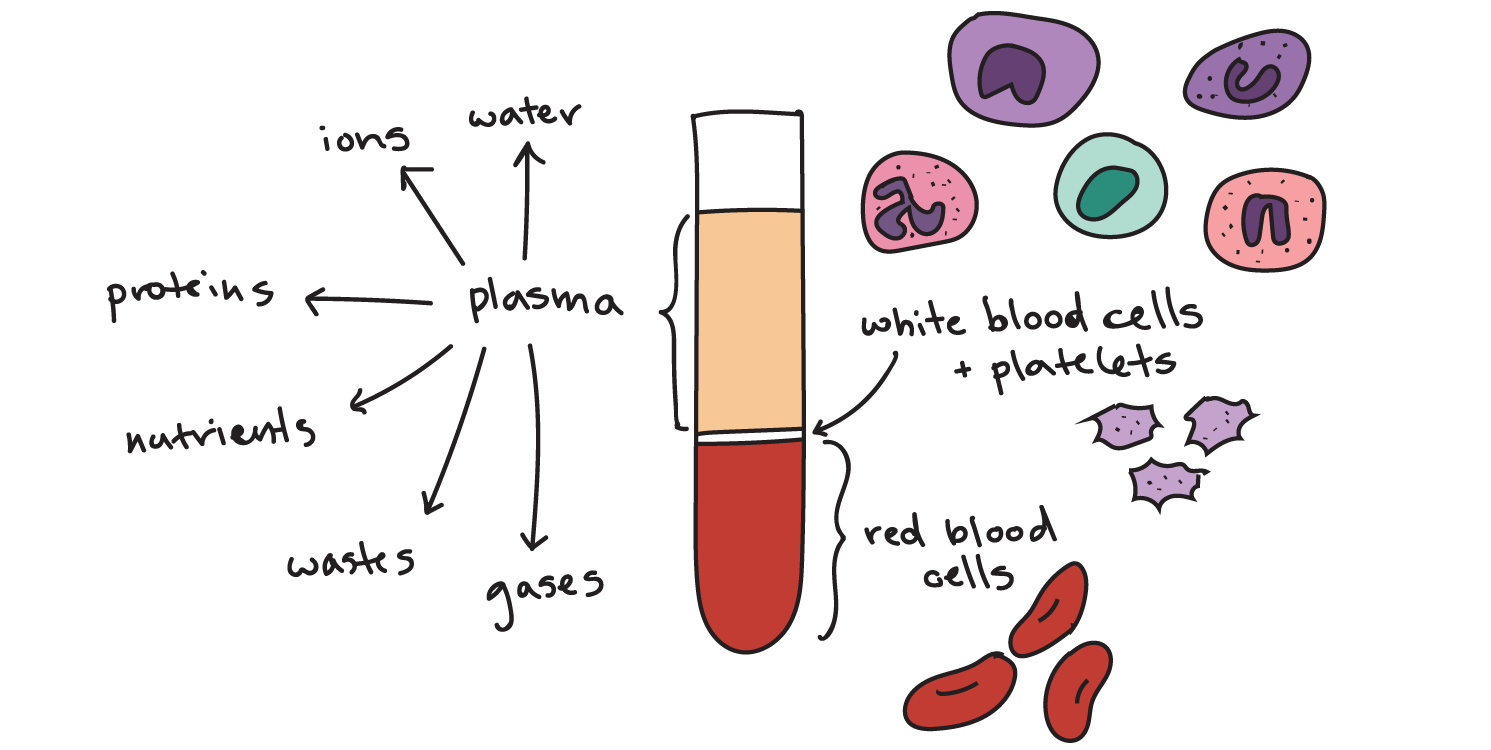
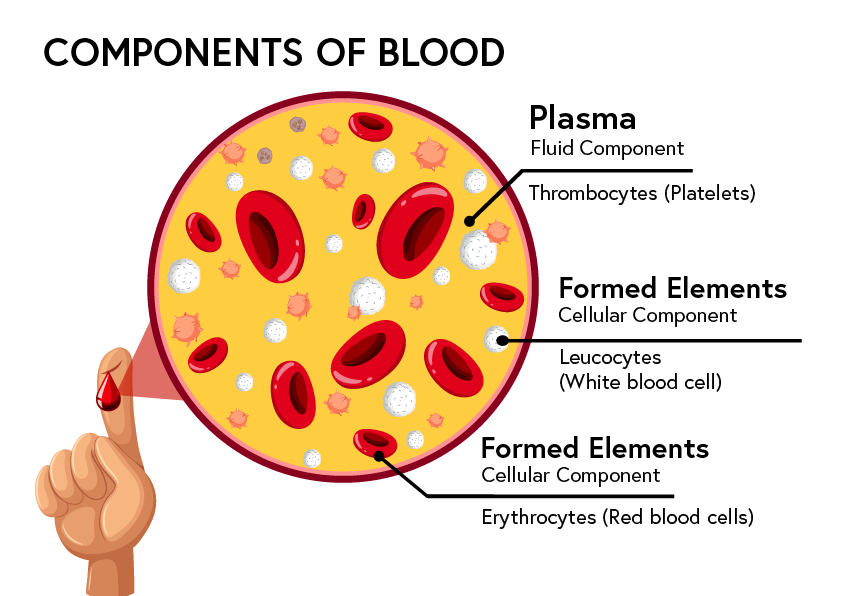
Plasma, comprising roughly 55% of blood’s volume, is the liquid component that suspends the other cellular elements. Far from being a simple carrier fluid, plasma is a complex biological soup, containing a multitude of proteins, glucose, electrolytes, hormones, and waste products. The accurate analysis of plasma composition is a cornerstone of modern diagnostics, and this is where technology plays an indispensable role.
High-Throughput Plasma Analysis and Automated Analyzers
The days of laborious manual blood sample analysis are largely behind us, thanks to the advent of automated clinical laboratory analyzers. These sophisticated machines, often employing principles of spectrophotometry, immunoassay, and electrochemistry, can process hundreds, if not thousands, of samples per hour. For plasma analysis, this means rapid and precise quantification of critical biomarkers. For instance, measuring glucose levels for diabetes management, albumin and globulin levels for liver and kidney function assessment, and electrolyte balance are all routinely performed by these automated systems.
Advancements in Proteomics and Biomarker Discovery
Beyond routine diagnostics, plasma is a rich source of biomarkers for early disease detection and personalized medicine. Technological leaps in proteomics, the large-scale study of proteins, have revolutionized our ability to identify and quantify subtle changes in plasma protein profiles. Techniques like mass spectrometry, coupled with advanced bioinformatics algorithms, can detect even minute quantities of specific proteins that may indicate the presence of cancer, neurodegenerative diseases, or inflammatory conditions long before overt symptoms appear. These technologies allow researchers to continuously refine our understanding of plasma’s role in health and disease, leading to the development of novel diagnostic tests and therapeutic targets.
The Role of Microfluidics in Plasma Separation and Analysis
Microfluidics, the science of manipulating fluids in channels with dimensions in the micrometer range, is another transformative technology impacting blood analysis. Microfluidic devices offer the potential for rapid, low-volume, and point-of-care blood testing. These devices can efficiently separate plasma from whole blood, and then perform multiple analytical tests on minute plasma volumes simultaneously. This is particularly valuable in resource-limited settings or for rapid triage in emergency situations. The miniaturization and automation offered by microfluidics promise a future where comprehensive blood analysis can be performed quickly and conveniently, closer to the patient.
The Oxygen Carriers: Red Blood Cells and Advanced Imaging
Red blood cells (RBCs), also known as erythrocytes, are the most abundant cellular component of blood, responsible for transporting oxygen from the lungs to the body’s tissues and carbon dioxide back to the lungs. Their characteristic biconcave disc shape maximizes surface area for gas exchange, and their flexibility allows them to navigate the narrowest capillaries. While their primary function is well-understood, technology enhances our ability to study their production, function, and dysfunction.
Automated Hematology Analyzers: Beyond Simple Counts
Modern hematology analyzers have evolved significantly from basic cell counters. These sophisticated instruments utilize a combination of light scattering, impedance, and fluorescence technologies to not only count RBCs but also to analyze their size, hemoglobin content, and various other parameters. Mean Corpuscular Volume (MCV), Mean Corpuscular Hemoglobin (MCH), and Red Cell Distribution Width (RDW) are just a few of the indices generated that provide crucial insights into the health and production of red blood cells. Abnormalities in these parameters can point towards various anemias, such as iron deficiency anemia or megaloblastic anemia, and allow for targeted investigation.
Advanced Microscopy and Flow Cytometry for RBC Analysis
Beyond automated counts, advanced microscopy techniques, including digital microscopy and confocal microscopy, offer unprecedented resolution for examining the morphology and internal structure of red blood cells. This is vital for identifying subtle abnormalities that may not be captured by automated analyzers. Flow cytometry, a powerful cell analysis technology, allows for the rapid enumeration and phenotyping of red blood cells. By labeling cells with fluorescent antibodies, researchers can identify specific cell surface markers and analyze cellular characteristics in a high-throughput manner. This is particularly useful in studying rare red blood cell disorders and for monitoring the effectiveness of certain therapies.
Technologies for Blood Substitutes and Oxygen Transport Enhancement
The critical role of oxygen transport has spurred significant technological innovation in the field of blood substitutes and oxygen-carrying technologies. While not directly analyzing blood components, these advancements are driven by the need to replicate or enhance RBC function. Research into hemoglobin-based oxygen carriers (HBOCs) and perfluorocarbons (PFCs) utilizes advanced chemical engineering and materials science. The development and testing of these technologies rely heavily on sophisticated analytical and functional assays that mimic physiological conditions, underscoring the technological synergy between understanding blood and developing its artificial counterparts.
The Defense Force: White Blood Cells and Immunological Technologies
White blood cells (WBCs), or leukocytes, are the soldiers of the immune system, defending the body against infection and disease. There are several types of WBCs, each with specialized roles in the immune response: neutrophils, lymphocytes, monocytes, eosinophils, and basophils. Analyzing the counts and types of WBCs is a fundamental diagnostic tool, and the technologies employed here are at the forefront of immunological research.
Flow Cytometry: Unraveling White Blood Cell Subpopulations
Flow cytometry is arguably the most powerful technological tool for analyzing white blood cells. By using fluorescently labeled antibodies that bind to specific cell surface or intracellular proteins (markers), flow cytometers can identify and quantify different types of WBCs with remarkable precision. This allows for the detailed analysis of immune cell populations, which is crucial for diagnosing and monitoring conditions like leukemia, lymphoma, HIV infection, and autoimmune diseases. Advanced flow cytometers can analyze up to 50 different parameters simultaneously on millions of cells per sample, providing an incredibly detailed snapshot of the immune system’s status.
Advanced Imaging for Cellular Morphology and Function
Beyond enumeration, advanced microscopy plays a vital role in examining the morphology and functional characteristics of white blood cells. Techniques like digital phase-contrast microscopy allow for the real-time observation of cell movement, phagocytosis (the engulfment of pathogens), and other dynamic immune responses. Confocal microscopy can provide detailed three-dimensional images of WBCs, revealing their intricate internal structures and interactions with other cells. These imaging technologies are instrumental in understanding the complex mechanisms of immune cell activation and function.
High-Throughput Screening and Next-Generation Sequencing in Immunology
The study of immune responses often involves analyzing a vast array of molecules, including cytokines and antibodies. High-throughput screening (HTS) platforms, employing microarrays and automated liquid handling systems, enable the simultaneous testing of thousands of immune-related substances. Furthermore, next-generation sequencing (NGS) technologies have revolutionized our ability to analyze the genetic and transcriptomic profiles of immune cells. This allows researchers to understand the molecular basis of immune responses, identify novel therapeutic targets for immunomodulation, and develop personalized immunotherapies.
The Clotting Agents: Platelets and Hemostasis Technologies
Platelets, also known as thrombocytes, are small, irregular-shaped cell fragments derived from megakaryocytes in the bone marrow. Their primary role is to initiate blood clotting (hemostasis) at sites of injury, preventing excessive blood loss. They aggregate at the wound site, forming a plug and releasing factors that trigger the coagulation cascade. Technological advancements in hematology and coagulation testing are critical for understanding platelet function and diagnosing bleeding or clotting disorders.
Automated Platelet Counting and Morphological Analysis
Similar to red and white blood cells, automated hematology analyzers are the workhorses for platelet counting. They utilize impedance or optical scatter methods to accurately enumerate platelets. Beyond simple counts, some advanced analyzers can also provide information on platelet size distribution (MPV – Mean Platelet Volume) and even assess platelet indices, which can offer insights into platelet activation or production. Technologies like plateletcrit (PCT) and platelet-large cell ratio (P-LCR) are also increasingly used to assess platelet mass and the presence of larger, potentially more reactive platelets.
Advanced Coagulation Analyzers and Thromboelastography
The intricate process of blood clotting involves a cascade of enzymatic reactions. Advanced coagulation analyzers utilize photometric or nephelometric methods to measure the activity of various clotting factors. Tests like Prothrombin Time (PT) and Activated Partial Thromboplastin Time (aPTT) are standard, but more sophisticated assays can assess the function of specific clotting factors or inhibitors. Thromboelastography (TEG) and Rotational Thromboelastometry (ROTEM) are advanced hemostasis monitoring technologies that provide a dynamic, real-time assessment of clot formation, strength, and fibrinolysis. These technologies are invaluable in managing patients with bleeding disorders, monitoring anticoagulant therapy, and in critical care settings.
Platelet Function Analyzers and Microfluidic Hemostasis Assays
Understanding the functional capacity of platelets is as important as their count. Platelet function analyzers employ various technologies, including aggregometry (measuring platelet aggregation in response to agonists) and flow cytometry-based methods, to assess platelet activation and aggregation capabilities. Recent advancements have seen the development of microfluidic devices that can mimic the complex shear forces experienced by platelets in vivo, allowing for more physiologically relevant assessment of platelet function. These technologies are crucial for diagnosing inherited or acquired platelet disorders and for guiding therapeutic interventions aimed at improving hemostasis.
In conclusion, while the fundamental components of blood have been known for centuries, the technological landscape has transformed our ability to analyze, understand, and even manipulate these vital elements. From the high-throughput analyzers in clinical labs to the cutting-edge research tools in proteomics and immunology, technology is continuously pushing the boundaries of our knowledge, leading to more accurate diagnoses, personalized treatments, and a deeper appreciation for the intricate workings of the human body.
aViewFromTheCave is a participant in the Amazon Services LLC Associates Program, an affiliate advertising program designed to provide a means for sites to earn advertising fees by advertising and linking to Amazon.com. Amazon, the Amazon logo, AmazonSupply, and the AmazonSupply logo are trademarks of Amazon.com, Inc. or its affiliates. As an Amazon Associate we earn affiliate commissions from qualifying purchases.