
Mexico is no longer just a destination for sun-seeking tourists; it has evolved into the 12th largest economy in the world and a primary destination for global capital. For investors, entrepreneurs, and financial analysts, understanding Mexico requires looking beyond the national borders and diving into the unique fiscal identities of its 32 federal entities. Each state offers a distinct economic profile, ranging from industrial powerhouses in the north to burgeoning tech hubs in the center and tourism-driven goldmines in the south.
This guide explores the 32 states of Mexico through the lens of “Money”—analyzing where the capital is flowing, how the “nearshoring” phenomenon is reshaping regional wealth, and where the most significant opportunities for ROI (Return on Investment) currently lie.
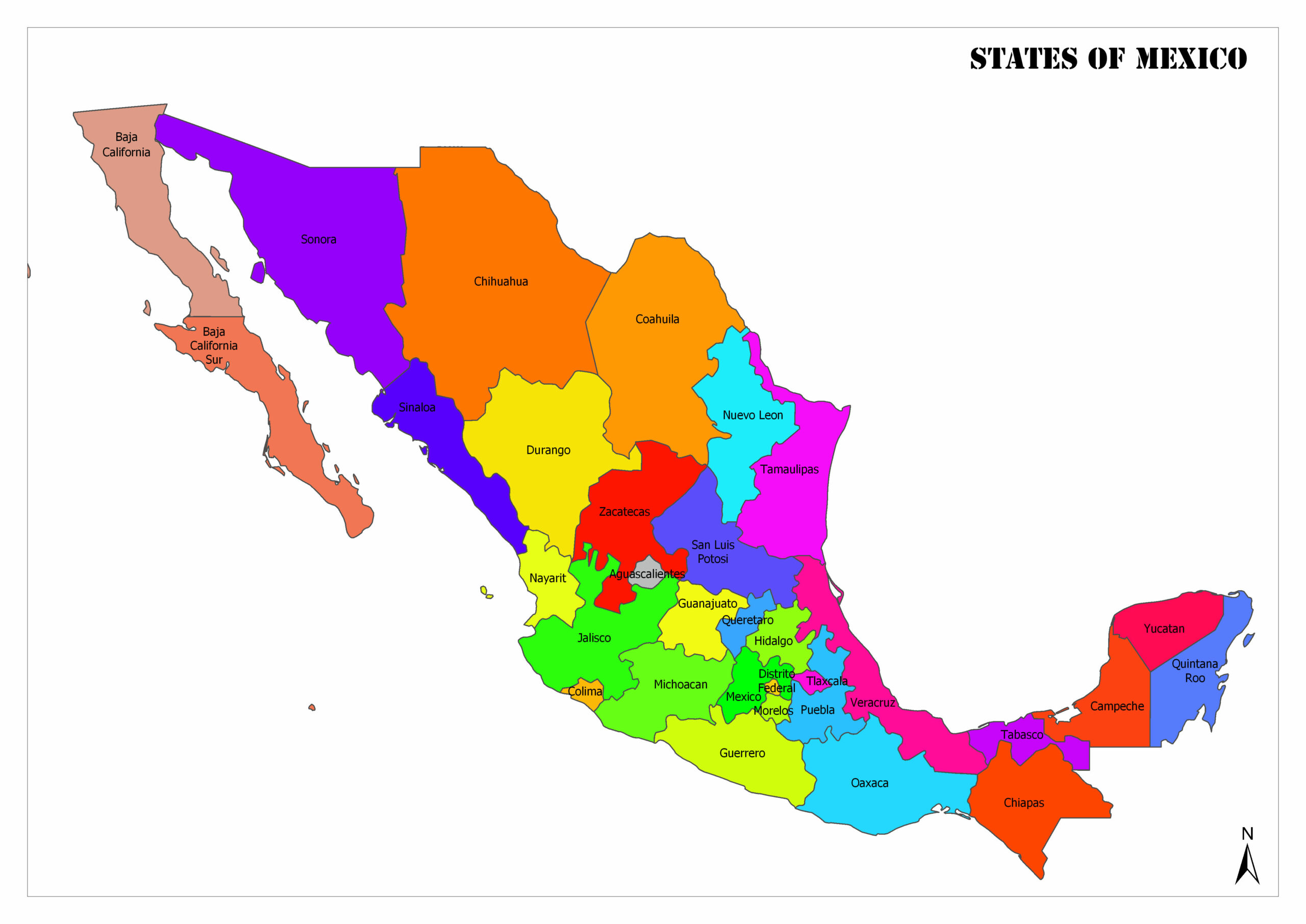
Mexico’s Economic Engines: Understanding the Financial Power of the 32 Entities
To understand the financial landscape of Mexico, one must recognize that the country functions as a mosaic of regional economies. While the nation is officially composed of 31 states and Mexico City (CDMX), the distribution of wealth and industrial capacity is highly concentrated in specific strategic zones.
The Dominance of Mexico City (CDMX) as a Financial Hub
Mexico City is the undisputed crown jewel of the nation’s economy. Contributing nearly 16% of the national GDP, the capital functions as the financial, corporate, and political heart of the country. For those looking at “Money” through the lens of venture capital and fintech, CDMX is the primary destination. It hosts the Mexican Stock Exchange (Bolsa Mexicana de Valores) and serves as the headquarters for almost every major multinational operating in Latin America. The city’s economy is heavily service-oriented, with a massive focus on banking, insurance, and professional services.
The Industrial Prowess of the Northern States (Nuevo León and Querétaro)
If Mexico City is the brain, the northern states are the muscle. Nuevo León, particularly its capital Monterrey, is a beacon of industrial wealth. Known as the industrial capital of Mexico, Monterrey is home to some of the country’s most significant conglomerates (CEMEX, Femsa, Alfa). The state is a magnet for Foreign Direct Investment (FDI), recently punctuated by massive announcements in the electric vehicle sector. Similarly, Querétaro, located in the central Bajío region, has carved out a lucrative niche in the aerospace and automotive sectors, boasting one of the highest rates of economic growth over the last decade.
Nearshoring: Why the Border States are Attracting Billions
The geographical proximity to the United States has turned border states like Baja California, Chihuahua, Coahuila, Sonora, and Tamaulipas into critical nodes of the global supply chain. “Nearshoring”—the practice of moving manufacturing closer to the end market—has sparked a real estate and industrial boom in these regions. Thousands of “maquiladoras” (export-oriented factories) drive the local economies, making these states essential for investors focused on logistics, manufacturing, and cross-border trade finance.
Analyzing Regional Wealth: GDP, Purchasing Power, and Income Distribution
The financial reality of the 32 states is marked by a significant “North-South” divide. Understanding this disparity is crucial for anyone looking at market entry or personal finance within the country.
The North-South Economic Divide
The northern states (such as Sonora, Chihuahua, and Coahuila) and central industrial states (like Aguascalientes and San Luis Potosí) generally report higher GDP per capita and lower poverty rates than the southern states. The south, including Chiapas, Oaxaca, and Guerrero, remains more reliant on agriculture and government transfers. However, from a “Money” perspective, the south is currently seeing unprecedented federal investment through massive infrastructure projects like the Tren Maya and the Interoceanic Corridor, which aim to bridge this economic gap and unlock the region’s untapped commercial potential.
Emerging Markets in the Bajío Region
The Bajío region, comprising states like Guanajuato, Querétaro, and parts of Jalisco and Michoacán, has become the “new middle class” engine of Mexico. This region has successfully diversified from pure agriculture into high-tech manufacturing. Guanajuato, for instance, has become one of the most important automotive clusters in the world. For investors, the Bajío represents a stable “Money” play, offering a combination of high-skilled labor and established export routes.
Tourism as a Revenue Pillar: Quintana Roo and Baja California Sur
In states like Quintana Roo (home to Cancun and Tulum) and Baja California Sur (Los Cabos), the economy is almost entirely driven by the “Dollar-based” tourism industry. These states operate differently from the rest of the country; their real estate markets are often denominated in USD, and their economic health is tied directly to global travel trends. For individuals looking at side hues in the “short-term rental” market or luxury hospitality, these states offer the highest liquidity and rental yields in the country.

Sector-Specific Investment Strategies Across the Mexican States
Investment in Mexico is not a “one size fits all” endeavor. Depending on your financial goals—be it passive income, business expansion, or capital appreciation—certain states stand out more than others.
Real Estate Opportunities in Emerging Tech Hubs
Jalisco, often referred to as the “Silicon Valley of Mexico,” is a prime example of where tech meets real estate. Guadalajara, its capital, has seen a surge in demand for high-end residential and commercial spaces to house a growing workforce of software engineers and tech entrepreneurs. For real estate investors, Jalisco offers a more balanced risk-reward profile than the saturated markets of Mexico City or the volatile tourism zones.
Agribusiness and Export Markets in Michoacán and Jalisco
If you are looking at “Money” through the lens of commodities and exports, Michoacán is the powerhouse. As the world’s leading producer of avocados, the state generates billions in export revenue annually. Similarly, Jalisco dominates the tequila industry, an “Appellation of Origin” product that ensures a global monopoly. Investing in the supply chain, logistics, or sustainable farming technology in these states provides exposure to high-growth consumer goods sectors.
Fintech and the Digital Economy in Urban Centers
The digital economy is thriving in Mexico’s “Big Three” urban centers: Mexico City, Monterrey, and Guadalajara. With a large unbanked population, the fintech sector is a goldmine for “Online Income” ventures and digital banking startups. From payment processors to micro-lending apps, the financial technology landscape is maturing rapidly, supported by a progressive Fintech Law that provides a clear regulatory framework for investors and developers.
Navigating the Financial Regulatory Environment for Foreign Investors
Managing money in Mexico requires an understanding of both federal and state-level regulations. While the 32 states share a common currency (the Mexican Peso – MXN), the ease of doing business can vary significantly between jurisdictions.
Understanding Local Tax Incentives and State-Specific Benefits
To attract FDI, many states offer specific incentives. For example, states like Puebla or Tlaxcala may offer payroll tax exemptions or subsidized land for large-scale industrial projects. On the other hand, the “Border Zone” offers a reduced Value Added Tax (VAT/IVA) of 8% compared to the national rate of 16% to stay competitive with U.S. markets. Smart financial planning involves analyzing these state-level nuances to maximize tax efficiency.
Currency Considerations and Managing the Mexican Peso (MXN)
The Mexican Peso has recently earned the nickname “The Super Peso” due to its surprising resilience and strength against the USD. This has implications for “Money” management: while it increases the purchasing power of Mexican companies for foreign machinery, it can tighten margins for exporters and those receiving remittances. Investors must employ sophisticated hedging strategies to manage currency risk, especially when dealing with long-term projects in states heavily reliant on export manufacturing.

Future Outlook: Identifying the Next Growth Frontier
As we look toward the next decade, the financial map of Mexico’s 32 states is likely to shift. The focus is moving toward sustainability and energy.
States like Sonora are positioning themselves as leaders in the “Green Economy” with the “Plan Sonora,” a massive solar energy initiative aimed at powering both the state and the neighboring U.S. markets. Meanwhile, the state of Veracruz is expected to see a massive influx of capital as the Interoceanic Corridor nears completion, potentially rivaling the Panama Canal for trade between the Atlantic and Pacific oceans.
In conclusion, the 32 states of Mexico represent 32 unique financial ecosystems. Whether it is the high-finance world of CDMX, the industrial might of Nuevo León, or the booming tourism of the Caribbean coast, the key to financial success in Mexico lies in regional specialization. By understanding the specific economic drivers, tax incentives, and growth trajectories of each state, investors can navigate this complex market with confidence and precision. Mexico is no longer just a neighbor to the north; it is a diverse, 32-pronged engine of global wealth generation.
aViewFromTheCave is a participant in the Amazon Services LLC Associates Program, an affiliate advertising program designed to provide a means for sites to earn advertising fees by advertising and linking to Amazon.com. Amazon, the Amazon logo, AmazonSupply, and the AmazonSupply logo are trademarks of Amazon.com, Inc. or its affiliates. As an Amazon Associate we earn affiliate commissions from qualifying purchases.