
In the dynamic world of personal finance, understanding mortgage rates is paramount for anyone looking to purchase a home or refinance an existing loan. Among the myriad of options available, the 15-year fixed mortgage stands out as a powerful financial tool for homeowners seeking a balance between long-term security and accelerated debt repayment. But what exactly are these rates, how are they determined, and why might they be the right choice for your financial journey? This comprehensive guide delves into the intricacies of 15-year fixed mortgage rates, offering insights for both prospective and current homeowners.
Understanding the Landscape of Fixed-Rate Mortgages
Before dissecting the specifics of the 15-year term, it’s crucial to grasp the fundamental concept of a fixed-rate mortgage. Unlike their adjustable-rate counterparts, fixed-rate mortgages offer a consistent interest rate for the entire duration of the loan. This stability translates into predictable monthly payments, providing homeowners with a clear financial roadmap and protection against market fluctuations.
The Basics of Fixed vs. Adjustable Rates
At its core, the choice between a fixed-rate and an adjustable-rate mortgage (ARM) hinges on a borrower’s risk tolerance and their outlook on future interest rate movements. A fixed-rate mortgage locks in your interest rate, meaning your principal and interest payment remains the same from your first payment to your last. This predictability is a significant advantage, particularly in times of rising interest rates, as it insulates your housing costs from market volatility.
Conversely, an ARM features an interest rate that can change periodically based on a predetermined index. While ARMs often start with a lower introductory rate, their payments can increase significantly if market rates climb, potentially straining a homeowner’s budget. For most long-term homeowners, the stability of a fixed rate is often a more reassuring option, offering peace of mind that their core housing expense will not unexpectedly surge.
Why Choose a Fixed Rate?
The appeal of a fixed-rate mortgage is multifaceted. Primarily, it offers budgetary certainty. Homeowners can meticulously plan their finances knowing exactly how much their mortgage payment will be each month. This makes budgeting for other expenses, savings, and investments significantly easier. Beyond predictability, fixed-rate mortgages are often preferred by those who plan to stay in their home for many years. Over a long tenure, the cumulative impact of rising rates on an ARM could far outweigh any initial savings, making the fixed rate a more cost-effective choice in the long run. It simplifies financial planning and eliminates the stress of monitoring economic indicators that could impact your housing costs.
The Unique Appeal of the 15-Year Term
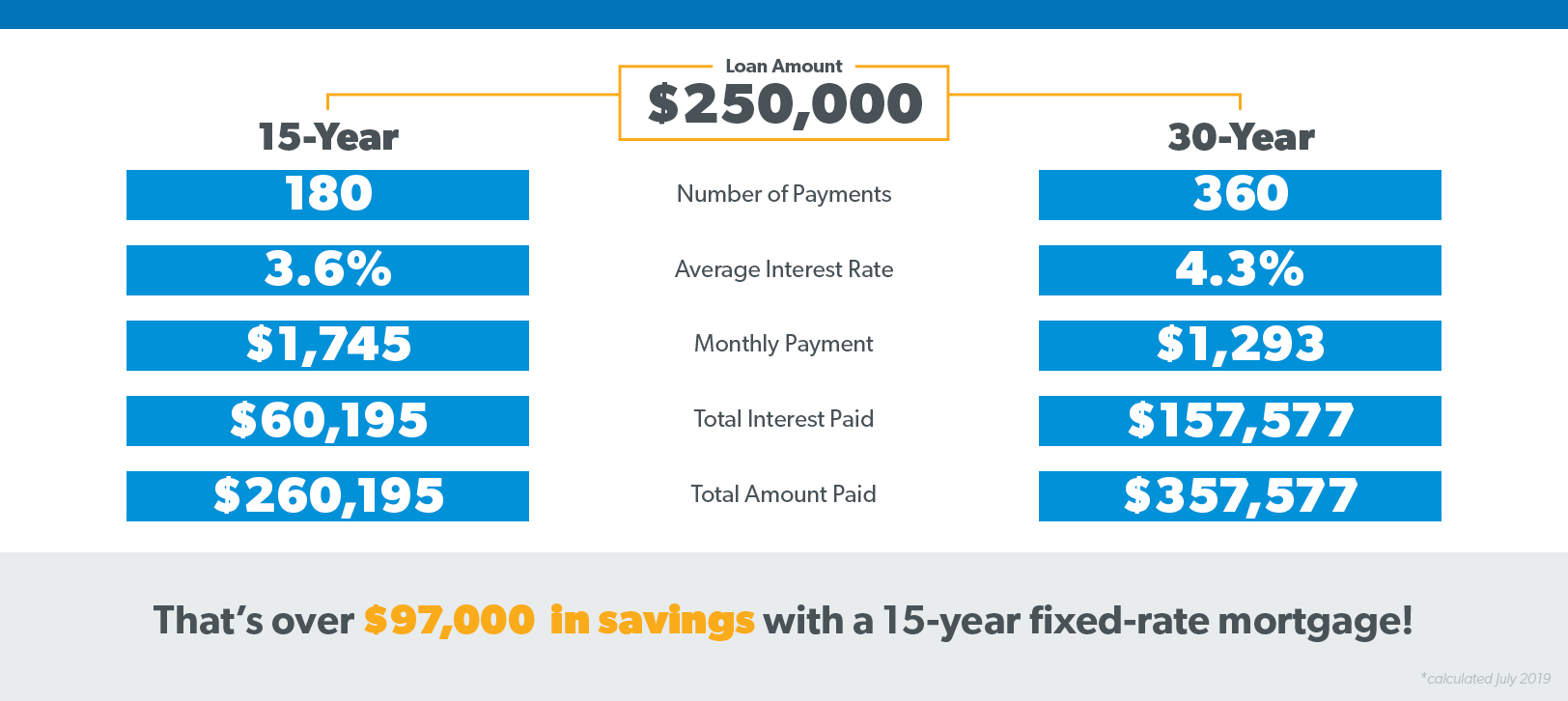
While 30-year fixed mortgages are often the standard, the 15-year fixed mortgage offers a compelling alternative for financially savvy borrowers. The primary allure of a 15-year term lies in two significant advantages: a lower overall interest cost and a faster path to homeownership. Because the loan is repaid over a shorter period, lenders typically offer a slightly lower interest rate compared to a 30-year fixed mortgage. This seemingly small difference can translate into tens or even hundreds of thousands of dollars in interest savings over the life of the loan.
Furthermore, a 15-year mortgage allows you to build equity in your home at a much quicker pace. This accelerated equity accumulation can be a substantial asset, providing greater financial flexibility, a stronger personal balance sheet, and quicker access to your home’s value should you need to borrow against it or sell. For those who prioritize debt freedom and long-term financial independence, the 15-year fixed mortgage is an attractive and powerful option.
Current Trends and Factors Influencing 15-Year Fixed Rates
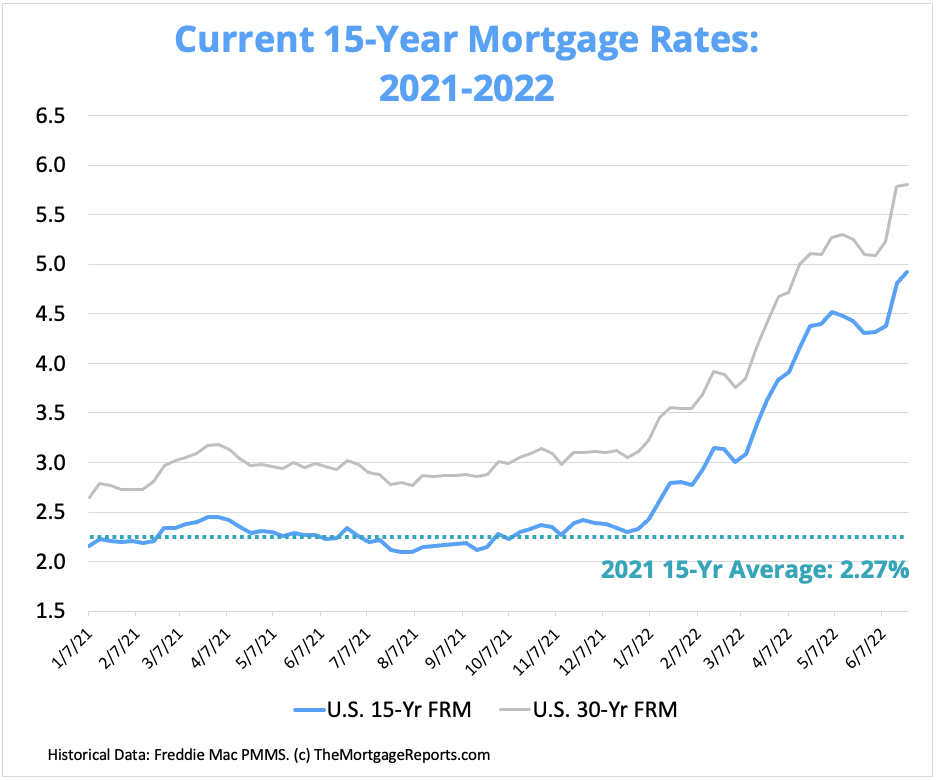
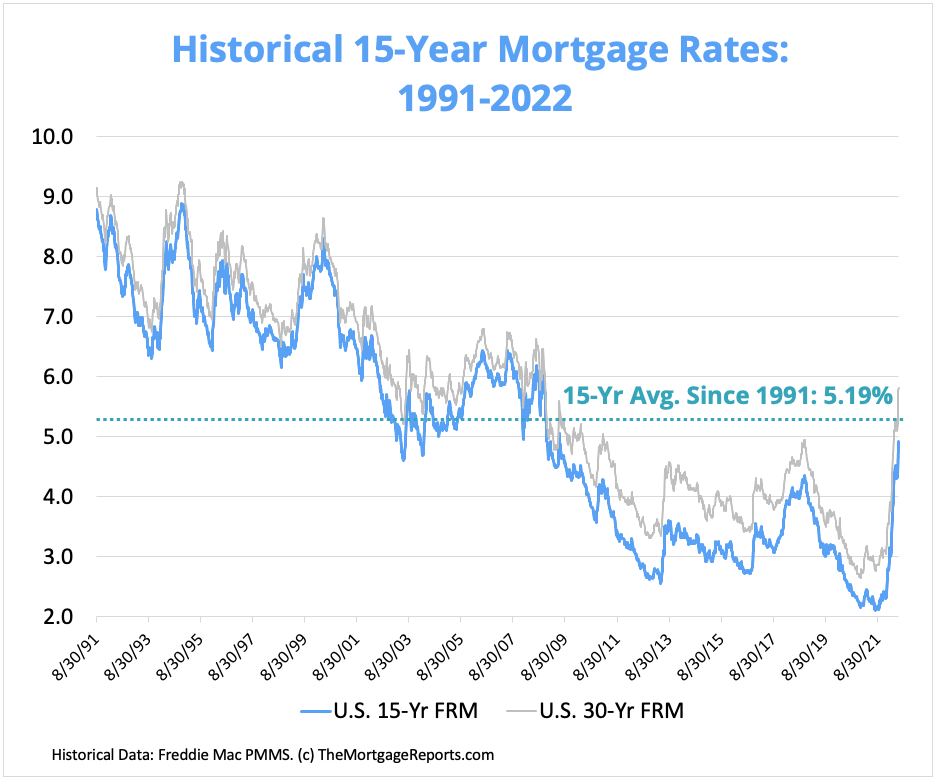
Mortgage rates are not static; they are a dynamic reflection of broader economic forces, financial market conditions, and even global events. Understanding these underlying factors is key to interpreting current rate environments and making informed decisions.
Economic Indicators at Play
Several critical economic indicators heavily influence 15-year fixed mortgage rates. The Federal Reserve’s monetary policy, particularly its decisions regarding the federal funds rate, plays a significant indirect role. While the Fed doesn’t directly set mortgage rates, its actions influence the cost of borrowing for banks, which then impacts the rates they offer consumers. For instance, when the Fed raises its benchmark rate to combat inflation, it typically signals a broader increase in borrowing costs across the economy, including mortgages.
Inflation is another major driver. Lenders charge interest to make a profit and account for the erosion of money’s purchasing power over time. If inflation is high or expected to rise, lenders will demand higher interest rates to ensure the real return on their loans remains positive.
Perhaps the most direct influence on fixed mortgage rates comes from the 10-year Treasury yield. Mortgage rates tend to track the yield on U.S. Treasury bonds, particularly the 10-year note, because both are long-term, fixed-income investments. When Treasury yields rise, mortgage rates usually follow suit.
The Role of the Mortgage Market
The broader mortgage market itself also plays a crucial role. The demand for mortgage-backed securities (MBS), which are investment vehicles comprised of pooled mortgages, directly affects rates. When investors are eager to purchase MBS, it increases demand, driving down yields and, consequently, mortgage rates. Conversely, a lack of demand for MBS will push rates higher. The financial health and risk appetite of major financial institutions and investors are therefore vital components in the rate equation. Competition among lenders also helps shape rates; a highly competitive market can push rates lower as institutions vie for borrowers.
Impact of Global Events
While domestic economic conditions are primary drivers, global events can also send ripples through the mortgage market. Geopolitical instability, major international economic shifts, or global health crises can trigger a “flight to safety,” where investors move their money into less risky assets like U.S. Treasury bonds. This increased demand for Treasuries can temporarily push down their yields, and by extension, mortgage rates. However, protracted global uncertainty can also lead to tighter lending conditions and higher rates as lenders become more risk-averse.
Advantages and Disadvantages of a 15-Year Fixed Mortgage
While the 15-year fixed mortgage offers compelling benefits, it’s essential to consider both its upsides and potential drawbacks to determine if it aligns with your personal financial situation.
Benefits: Lower Interest Paid, Faster Equity, Predictable Payments
The advantages of a 15-year fixed mortgage are substantial. As discussed, the most significant is the drastically lower total interest paid over the life of the loan. Because the repayment period is halved compared to a 30-year mortgage and the interest rate is typically lower, the cumulative savings can be immense. This directly translates to building equity at a much faster rate, which strengthens your personal balance sheet and provides more options later, such as using home equity for other investments or retirement. Lastly, the predictable monthly payments offer unparalleled financial stability and peace of mind, allowing for more precise long-term financial planning. You’ll know exactly when you’ll be mortgage-free, a significant psychological and financial milestone.
Drawbacks: Higher Monthly Payments, Less Financial Flexibility, Qualification Hurdles
Despite its numerous benefits, the 15-year fixed mortgage is not without its challenges. The most immediate and significant drawback is the higher monthly payment. By compressing the loan repayment into half the time, each monthly installment will be considerably larger than that of a 30-year loan, even with the lower interest rate. This necessitates a more robust monthly cash flow and less discretionary income.
This higher payment also means less financial flexibility. If an unexpected expense arises, or if your income temporarily decreases, meeting that higher mortgage obligation might be more challenging. For some, the added financial pressure could lead to cutting back on other important financial goals like retirement savings or emergency funds. Finally, qualification hurdles can be higher. Lenders assess your debt-to-income (DTI) ratio, and a higher mortgage payment means your DTI will be higher, potentially making it more difficult to qualify, especially if you have other significant debts.
How to Find the Best 15-Year Fixed Mortgage Rates
Securing the best possible 15-year fixed mortgage rate requires diligence, preparation, and strategic shopping. It’s not just about looking at advertised rates; it’s about understanding what influences your personal rate.
Credit Score and Financial Health
Your credit score is arguably the most critical factor in determining the interest rate you’ll be offered. Lenders use your credit score to assess your creditworthiness and the likelihood of you repaying the loan. A higher credit score (generally above 740-760) signals lower risk to lenders, which typically translates into lower interest rates. Before applying, review your credit report for errors and take steps to improve your score if necessary, such as paying down other debts or ensuring timely payments. Your overall financial health, including a stable income, low debt-to-income ratio, and a healthy down payment, also plays a significant role in securing favorable terms.
Shopping Around and Comparing Lenders
One of the biggest mistakes borrowers make is accepting the first rate they’re offered. Shopping around and comparing offers from multiple lenders is crucial. Rates can vary significantly between banks, credit unions, and online mortgage brokers, sometimes by as much as half a percentage point or more. Obtain at least three to five quotes within a short period (e.g., 14-45 days) to ensure your credit score isn’t negatively impacted by multiple inquiries. Focus not just on the interest rate, but also on the annual percentage rate (APR), closing costs, and lender fees.
Understanding APR vs. Interest Rate
While the interest rate is the headline number, the Annual Percentage Rate (APR) provides a more comprehensive picture of the true cost of borrowing. The interest rate represents the cost of borrowing money over the life of the loan. The APR, however, includes the interest rate plus other costs such as lender fees, discount points, and some closing costs, expressed as a yearly percentage. When comparing loan offers, always look at the APR, as it allows for a more accurate apples-to-apples comparison of the total cost of different loans. A lower interest rate might look appealing, but a higher APR due to excessive fees could make it a more expensive loan overall.
Locking in Your Rate
Once you find a rate you’re satisfied with, inquire about locking in your rate. A rate lock guarantees that the interest rate you’ve been quoted will remain the same for a specified period (e.g., 30, 45, or 60 days) while your loan application is being processed. This protects you from potential rate increases before your loan closes. Understand the terms of the lock, including its duration and any associated fees. If rates are volatile, a rate lock can provide invaluable peace of mind.
Is a 15-Year Fixed Mortgage Right for You?
The decision to choose a 15-year fixed mortgage is a significant financial one, requiring careful consideration of your personal circumstances, goals, and risk tolerance.
Assessing Your Financial Goals and Risk Tolerance
A 15-year fixed mortgage is an excellent choice for individuals or families with a stable and strong income who can comfortably afford the higher monthly payments without feeling financially stretched. If your primary financial goal is to pay off your home quickly, minimize interest costs, and achieve debt freedom sooner, this option aligns perfectly. It’s also well-suited for those who have a low risk tolerance and prioritize predictability over potential (but uncertain) financial flexibility. Consider your future earning potential, job security, and other financial commitments. Can you maintain these higher payments even if your financial situation experiences a minor setback?
Comparing with Other Mortgage Options
It’s wise to compare the 15-year fixed mortgage against other common options, primarily the 30-year fixed mortgage and, potentially, an ARM. If your budget is tighter, or if you anticipate relocating within a few years, a 30-year fixed mortgage might offer more manageable payments and greater initial flexibility. While it costs more in interest over time, the lower monthly obligation can free up cash flow for other investments, savings, or even just for more comfortable living. An ARM might be considered if you are certain you will sell or refinance before the adjustable period begins, but this carries inherent risks.
The Long-Term Financial Impact
The long-term financial impact of a 15-year fixed mortgage is profound. By shedding mortgage debt in half the time, you free up substantial monthly cash flow earlier in life, which can then be redirected towards retirement savings, college funds, or other wealth-building endeavors. This accelerates your journey towards financial independence and provides significant peace of mind. While the short-term burden of higher payments is real, the long-term benefits of reduced interest expense, rapid equity growth, and earlier debt freedom can make the 15-year fixed mortgage one of the most powerful financial decisions you can make on your path to lasting financial security.
aViewFromTheCave is a participant in the Amazon Services LLC Associates Program, an affiliate advertising program designed to provide a means for sites to earn advertising fees by advertising and linking to Amazon.com. Amazon, the Amazon logo, AmazonSupply, and the AmazonSupply logo are trademarks of Amazon.com, Inc. or its affiliates. As an Amazon Associate we earn affiliate commissions from qualifying purchases.