
Tesla, a pioneer in electric vehicle (EV) technology, has revolutionized the automotive industry, largely owing to the continuous innovation in its battery technology. At the heart of every Tesla vehicle lies a sophisticated battery pack, a complex marvel of chemical engineering and advanced materials science. Understanding what these batteries are made of goes beyond simply listing elements; it delves into the intricate interplay of components, proprietary designs, and manufacturing processes that enable their impressive range, performance, and longevity. This exploration is crucial for anyone keen to grasp the cutting edge of EV technology and its future trajectory.

The Core Chemistry: Lithium-ion Fundamentals
At their foundation, Tesla batteries are advanced lithium-ion (Li-ion) batteries, a technology prevalent in everything from smartphones to laptops. However, Tesla’s implementation pushes the boundaries of this chemistry for automotive applications, demanding higher energy density, power output, durability, and safety. The basic principle involves lithium ions moving between an anode and a cathode through an electrolyte during charge and discharge cycles.
Anode Materials: Graphite and Beyond
The anode, or negative electrode, in most current Li-ion batteries is predominantly made of graphite. Graphite is an excellent material for anodes due to its layered structure, which allows lithium ions to intercalate (insert themselves) into the layers during charging and de-intercalate during discharging. For years, synthetic graphite has been a staple, offering good cycle life and relatively low cost.
However, researchers, including those at Tesla, are constantly exploring alternatives and enhancements to graphite to boost energy density. Silicon, for instance, has gained significant attention because it can store significantly more lithium ions per unit volume than graphite. The challenge with silicon anodes lies in their tendency to expand and contract dramatically during charge cycles, leading to mechanical degradation and reduced battery life. Tesla, through its internal research and partnerships, is actively working on silicon-doped graphite anodes or other composite materials that leverage silicon’s energy density advantages while mitigating its drawbacks, potentially using binders and nanostructuring to maintain structural integrity. This evolution points towards incrementally higher energy density and faster charging capabilities.
Cathode Materials: The NMC and LFP Debate
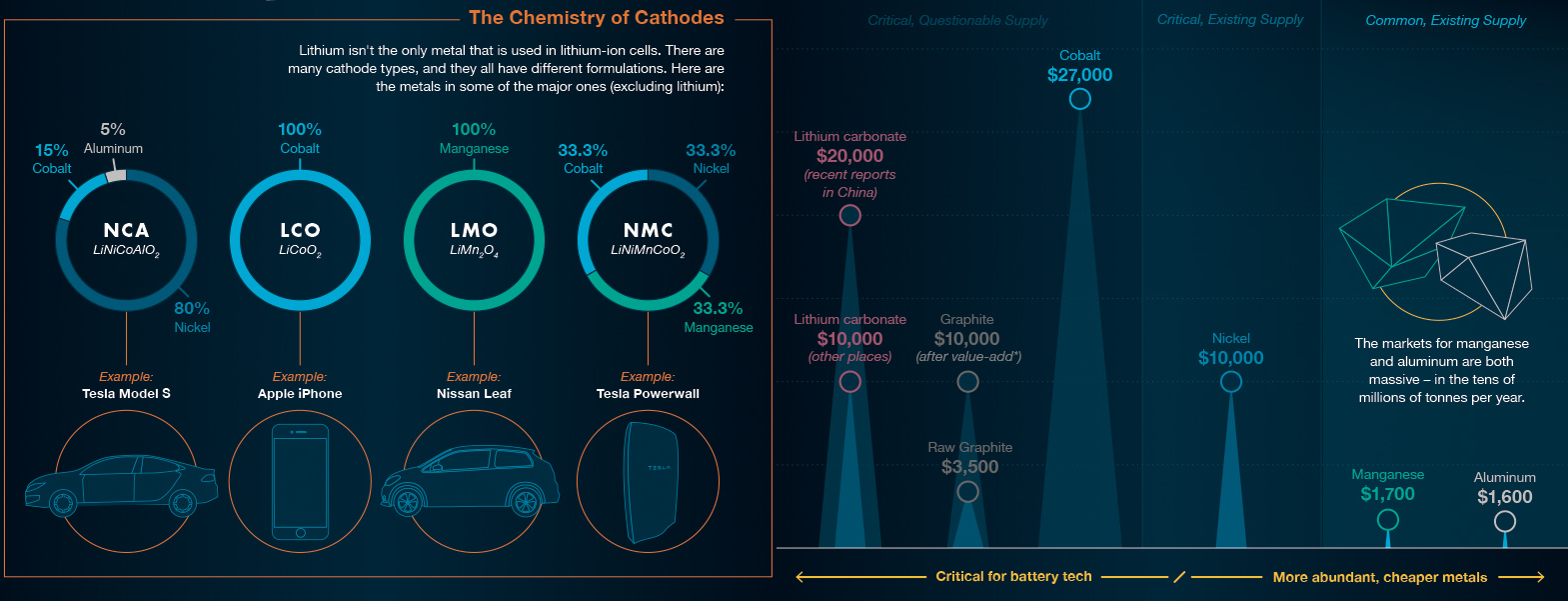
The cathode, or positive electrode, is where much of the strategic material variation occurs, significantly influencing a battery’s energy density, power, cost, and safety profile. Tesla has historically relied heavily on nickel-cobalt-aluminum (NCA) chemistry for its long-range vehicles, a variant of the broader nickel-manganese-cobalt (NMC) family.
-
NCA (Nickel-Cobalt-Aluminum): Known for its high energy density, NCA cathodes allow for greater range and power output, making them ideal for performance-oriented vehicles like the Model S and X, and many Model 3/Y variants. The high nickel content contributes to energy density, while cobalt and aluminum help stabilize the structure and improve power. However, cobalt is a controversial mineral due to ethical sourcing concerns and price volatility. Tesla has been proactive in reducing cobalt content in its NCA batteries over time.
-
LFP (Lithium Iron Phosphate): More recently, Tesla has significantly expanded its use of Lithium Iron Phosphate (LFP) batteries, particularly for its standard range vehicles in certain markets. LFP chemistry offers several compelling advantages: it’s typically more stable and safer, provides a longer cycle life (can be charged to 100% daily without significant degradation), and uses abundant and less expensive materials (iron and phosphate instead of nickel and cobalt). While LFP has a lower energy density than high-nickel chemistries, making vehicles heavier or offering less range for the same pack size, its benefits in cost, safety, and longevity make it an excellent choice for mainstream applications where extreme range isn’t the primary concern. This strategic diversification allows Tesla to optimize battery chemistry for specific vehicle models and market demands.
The choice between NMC/NCA and LFP often boils down to a trade-off between energy density (range/performance) and cost, safety, and supply chain considerations. Tesla’s approach is to utilize the right chemistry for the right application, ensuring flexibility and resilience in its battery strategy.
Electrolytes and Separators: Enabling Ion Flow
While the electrodes store and release energy, the electrolyte and separator are equally critical for the battery’s operation and safety.
-
Electrolyte: The electrolyte is the medium through which lithium ions travel between the anode and cathode. In most Li-ion batteries, it’s a liquid solution of lithium salts (e.g., LiPF6) dissolved in organic solvents. The electrolyte must be ionically conductive but electrically insulating. It plays a crucial role in battery performance and thermal management, as reactions within it can generate heat. Advancements in electrolyte formulations aim to improve ion transport, reduce internal resistance, enhance thermal stability, and enable faster charging, all while minimizing degradation over time. Research into solid-state electrolytes, which would replace the flammable liquid electrolyte, represents a major frontier for future battery technology, promising greater safety and potentially higher energy densities.
-
Separator: The separator is a thin, porous membrane placed between the anode and cathode to prevent them from directly touching (which would cause a short circuit) while allowing lithium ions to pass through freely. Typically made from polyolefin materials (like polyethylene or polypropylene), separators are engineered to be chemically stable and mechanically robust. A critical aspect of separator design is ensuring its integrity under various operating conditions, especially at high temperatures, to prevent thermal runaway. Advances in separator technology focus on thinner, stronger, and more heat-resistant materials, some incorporating ceramic coatings, to further enhance safety and performance.
Tesla’s Proprietary Innovations in Battery Design
Beyond the fundamental chemistry, Tesla’s batteries are distinguished by their unique physical design, thermal management, and sophisticated software controls. These proprietary innovations collectively contribute to the high performance, efficiency, and safety profile of their vehicles.
Cell Form Factors: From 18650 to 4680
Tesla has historically used cylindrical battery cells, a form factor initially popularized by companies like Panasonic.
-
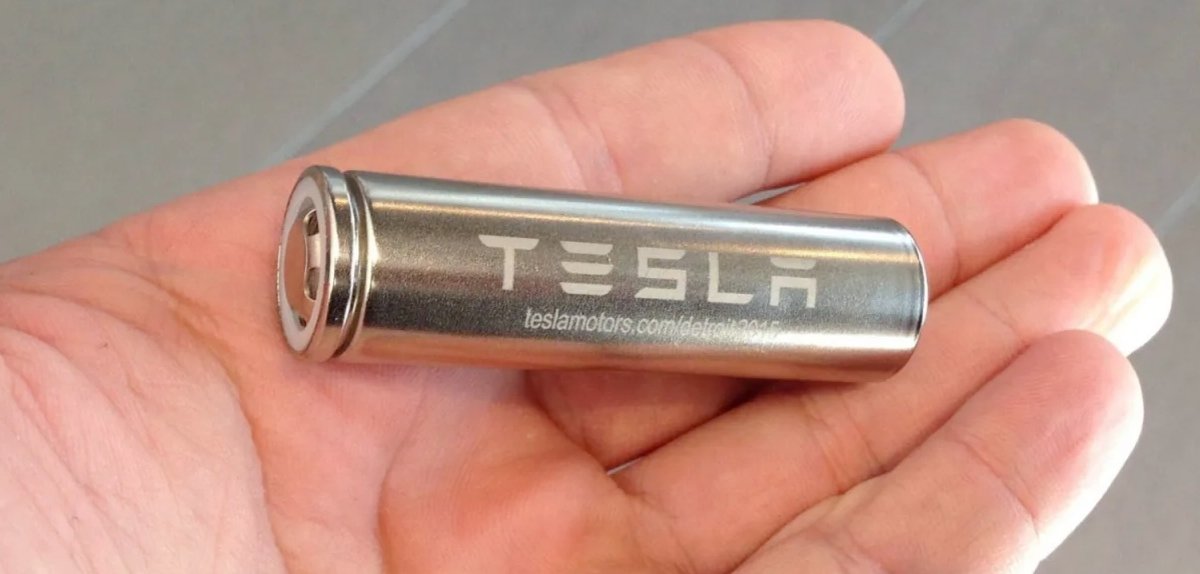
18650 Cells: For many years, Tesla’s battery packs, particularly in the Model S and X, were built using thousands of small 18650 cells (18mm diameter, 65mm length). These cells, similar to large AA batteries, are highly uniform, extensively manufactured, and have a long track record of reliability. The challenge with this approach was assembling and managing such a vast number of individual cells within a single pack, requiring complex wiring and cooling systems.
-
2170 Cells: With the introduction of the Model 3, Tesla transitioned to a larger 2170 cell format (21mm diameter, 70mm length), developed in collaboration with Panasonic. These cells offer a better volumetric energy density and are more cost-effective to produce per kilowatt-hour, requiring fewer cells per pack for the same capacity and simplifying pack assembly slightly.
-
4680 Cells: The most significant recent shift is the development and ramp-up of the 4680 cell (46mm diameter, 80mm length), introduced at Tesla’s Battery Day in 2020. This “tabless” design is a game-changer. By removing the tabs that typically connect the cell’s electrodes to the casing, the 4680 cell significantly reduces internal resistance, leading to less heat generation, faster charging speeds, and higher power output. The larger size also means fewer cells are needed per pack, simplifying manufacturing and reducing pack complexity. Furthermore, the 4680 cell is designed for “structural battery packs,” where the cells themselves become a structural component of the vehicle chassis, allowing for better weight distribution, increased rigidity, and further manufacturing cost savings. This innovation is not just about material composition but about a radical rethinking of battery engineering and vehicle integration.
Battery Pack Architecture and Thermal Management
A Tesla battery pack is far more than just a collection of cells. It’s an integrated system housed within a protective enclosure. The design typically involves grouping cells into modules, which are then assembled into the final pack. This modularity aids in manufacturing, serviceability, and thermal management.
Thermal management is paramount for Li-ion batteries. Operating outside their optimal temperature range (too hot or too cold) can drastically reduce performance, accelerate degradation, and even pose safety risks. Tesla employs sophisticated liquid cooling systems, often using a glycol-water mixture, that circulate through channels within the battery pack to maintain an ideal operating temperature. This precise thermal control ensures consistent performance across varied climates, prolongs battery life, and enables fast charging without excessive heat buildup. The ability to pre-condition the battery temperature for charging or driving also significantly contributes to the user experience and battery health.
Software and Battery Management Systems (BMS)
Perhaps one of the most underappreciated components of Tesla’s battery technology is its advanced Battery Management System (BMS). This sophisticated software and hardware system acts as the “brain” of the battery pack, constantly monitoring critical parameters such as voltage, current, temperature, and state of charge for each individual cell or module.
The BMS performs several vital functions:
- Safety: It prevents overcharging, over-discharging, and overheating, which are crucial for safety and longevity.
- Performance Optimization: It balances the charge across all cells, ensuring they discharge and charge uniformly to maximize range and power output.
- Health Monitoring: It tracks the degradation of the battery over time, estimating its remaining capacity and informing the user.
- Predictive Analytics: Tesla’s fleet learning allows its BMS to continuously improve, learning from real-world usage data across millions of miles to refine charging algorithms, thermal management strategies, and degradation models.
The BMS is deeply integrated with the vehicle’s powertrain and software, allowing for dynamic adjustments based on driving conditions, charging infrastructure, and even weather patterns. This intelligent management is a key differentiator, extending battery life and enhancing user experience beyond what raw chemistry alone could achieve.
Key Raw Materials and Supply Chain Considerations
The composition of Tesla batteries necessitates a diverse array of raw materials, many of which are classified as critical minerals. Sourcing these materials responsibly and sustainably is a complex global challenge that directly impacts production capacity, cost, and environmental footprint.
Lithium: The White Gold Rush
Lithium is the cornerstone element of Li-ion batteries, giving them their name. It is primarily sourced from two types of deposits:
- Brine Deposits: Found in salt flats, predominantly in South America (the “lithium triangle” of Chile, Argentina, and Bolivia). Extraction involves pumping brine to the surface and allowing it to evaporate, leaving behind lithium salts.
- Hard Rock Deposits: Found in minerals like spodumene, primarily in Australia, Canada, and Africa. Extraction involves mining and processing the ore.
As EV adoption accelerates, demand for lithium is surging, driving investment in new extraction technologies and regions. Tesla, like other automakers, is keen on securing long-term lithium supplies and exploring direct sourcing and refining options to control costs and ensure ethical practices.
Cobalt, Nickel, and Manganese: Balancing Performance and Ethics
These transition metals are vital components of the cathode, particularly in NMC/NCA chemistries, each contributing different properties:
- Nickel: Primarily responsible for high energy density, allowing for greater vehicle range. Tesla is actively pursuing high-nickel cathodes to maximize performance.
- Cobalt: Historically used to stabilize the cathode structure, prevent cracking, and improve power density. However, a significant portion of the world’s cobalt comes from the Democratic Republic of Congo, raising serious ethical concerns regarding child labor and unsafe mining practices. Tesla has committed to minimizing and eventually eliminating cobalt from its batteries through technological advancements and supply chain diligence.
- Manganese: Offers good stability and safety at a lower cost than cobalt, serving as a balance element in some NMC chemistries.
The industry’s drive to reduce cobalt is accelerating the development of higher-nickel cathodes and the broader adoption of LFP chemistry. Tesla’s approach reflects this, aiming for a more diverse and ethically sound material portfolio.
Graphite and Other Essential Elements
Graphite, as discussed, is the primary anode material, sourced from both natural deposits (primarily China) and synthetic production. Other essential materials include:
- Copper: Used for the anode current collector and wiring.
- Aluminum: Used for the cathode current collector and in some NCA cathodes.
- Plastics and Polymers: For the separator, cell casing, and other structural components.
- Steel: For the battery pack enclosure and various structural elements.
- Specialty Chemicals: For the electrolyte.
The entire supply chain for these materials is complex and global, requiring robust oversight to ensure environmental responsibility and ethical labor practices.
The Environmental and Ethical Landscape of Battery Production
The push for electric vehicles is fundamentally driven by environmental benefits, primarily the reduction of tailpipe emissions. However, the production of EV batteries themselves has its own environmental and ethical footprint, which the industry, including Tesla, is actively working to address.
Resource Extraction and Sustainability Challenges
The mining of lithium, cobalt, nickel, and other minerals can have significant local environmental impacts, including water usage, habitat disruption, and pollution if not managed responsibly. For example, brine extraction for lithium can be water-intensive in arid regions, and hard rock mining requires significant land disturbance. Ethical concerns surrounding cobalt mining in the DRC remain a critical issue, demanding stringent supply chain auditing and responsible sourcing initiatives.
Tesla has publicly stated its commitment to sustainable sourcing, engaging directly with mining companies that adhere to strict environmental and labor standards. The company is also exploring vertical integration and direct involvement in refining processes to gain more control over its supply chain and ensure best practices. The transition to LFP batteries is partly a response to these challenges, as LFP relies on more abundant and less ethically problematic materials.
Recycling and Second-Life Applications
To mitigate the environmental impact of battery production, closing the loop through recycling is paramount. Tesla has established an in-house recycling program for its battery packs, aiming for a “closed-loop” system where valuable materials are recovered and re-used in new battery manufacturing. Current recycling technologies can recover significant percentages of nickel, cobalt, copper, and aluminum, and ongoing research is improving lithium and graphite recovery rates.
Beyond direct recycling, the concept of “second-life” applications for EV batteries is gaining traction. When a battery’s capacity drops below the threshold suitable for automotive use (e.g., 70-80% of original capacity), it can still be repurposed for less demanding applications, such as stationary energy storage for homes or grid stabilization. This extends the useful life of the battery and defers recycling, further enhancing its environmental profile. Tesla’s Megapack and Powerwall products are examples of how such batteries could be utilized in their second life, creating a circular economy model.
Towards a More Ethical and Circular Economy
The future of Tesla battery production is inextricably linked to the development of a more ethical and circular economy. This involves:
- Responsible Sourcing: Ensuring that all raw materials are obtained in an environmentally sound and socially responsible manner.
- Sustainable Manufacturing: Reducing energy consumption, waste, and emissions during the battery production process. Tesla’s gigafactories are designed with sustainability in mind, aiming for net-zero impact.
- Increased Recycling: Investing in advanced recycling technologies to maximize material recovery and reduce reliance on virgin materials.
- Design for Disassembly and Recycling: Engineering batteries from the outset to be easily disassembled and their components recovered.
- Localization: Reducing the carbon footprint associated with global supply chains by sourcing and manufacturing closer to end markets.
These initiatives are crucial not only for environmental stewardship but also for ensuring the long-term viability and public acceptance of electric vehicle technology.
The Future of Tesla Battery Technology
The trajectory of Tesla’s battery technology is one of continuous innovation, driven by the relentless pursuit of higher energy density, lower costs, faster charging, and improved sustainability. The materials and designs currently in use are merely stepping stones to even more revolutionary advancements.
Solid-State Batteries: The Next Frontier?
One of the most anticipated breakthroughs in battery technology is the advent of solid-state batteries. Unlike current Li-ion batteries that use a liquid or gel electrolyte, solid-state batteries employ a solid electrolyte. This change promises several significant advantages:
- Higher Energy Density: Solid electrolytes are typically more stable, allowing for the use of pure lithium metal anodes, which could dramatically increase energy density, leading to much longer range or smaller, lighter battery packs.
- Enhanced Safety: Eliminating the flammable liquid electrolyte significantly reduces the risk of thermal runaway and fire.
- Faster Charging: Solid electrolytes could potentially enable ultra-fast charging rates.
- Longer Lifespan: Improved stability could lead to more charge cycles before degradation.
While still largely in the research and development phase for automotive applications, many companies, including those Tesla collaborates with, are investing heavily in solid-state technology. Tesla has expressed interest in this area, though they generally prioritize scalable, proven solutions. The transition to solid-state could represent another monumental shift in EV battery technology.
Dry Electrode Technology and Manufacturing Efficiency
Tesla’s “Battery Day” in 2020 highlighted several manufacturing innovations, most notably dry electrode technology. Traditional electrode manufacturing is energy-intensive, requiring the use of large amounts of solvent to create a slurry that is then coated onto metal foils and dried. This drying process consumes significant energy and requires solvent recovery systems.
Dry electrode technology, which Tesla acquired through its acquisition of Maxwell Technologies, eliminates the need for solvents. Instead, dry particles are processed into a film that is then pressed onto the current collector. This process is far more efficient, reduces manufacturing complexity and cost, and has a smaller environmental footprint. The successful scaling of dry electrode manufacturing is a critical component of Tesla’s strategy to significantly reduce battery production costs and increase output. This innovation is less about the materials making up the battery and more about the process of putting them together, which ultimately impacts cost, scale, and environmental impact.
Reducing Reliance on Critical Minerals
The long-term vision for Tesla, and the wider EV industry, involves a concerted effort to reduce reliance on critical and ethically challenging minerals. This pursuit manifests in several ways:
- Cobalt Reduction/Elimination: As discussed, the move to higher-nickel and LFP chemistries directly addresses this.
- Alternative Chemistries: Exploring chemistries beyond Li-ion, such as sodium-ion batteries, which use abundant and cheap sodium instead of lithium. While currently less energy-dense, sodium-ion could find applications in stationary storage or lower-range vehicles.
- Increased Recycling Efficiency: Investing in technologies that can recover a higher percentage of all materials, including lithium, from end-of-life batteries, making the supply chain more circular and less dependent on virgin mining.
- Material Substitution: Research into replacing less sustainable materials with more abundant and environmentally friendly alternatives where possible, without sacrificing performance.
Tesla’s battery technology is a dynamic field, constantly evolving. From the fundamental elements of lithium, nickel, cobalt, and iron to sophisticated pack designs, thermal management, and AI-driven software, every component is meticulously engineered. The continuous innovation in materials science, manufacturing processes, and integrated systems underscores Tesla’s commitment to pushing the boundaries of electric mobility, ultimately shaping a more sustainable and technologically advanced future.
aViewFromTheCave is a participant in the Amazon Services LLC Associates Program, an affiliate advertising program designed to provide a means for sites to earn advertising fees by advertising and linking to Amazon.com. Amazon, the Amazon logo, AmazonSupply, and the AmazonSupply logo are trademarks of Amazon.com, Inc. or its affiliates. As an Amazon Associate we earn affiliate commissions from qualifying purchases.