
In the intricate world of real estate and personal finance, the term “tenant” carries significant weight, forming the bedrock of countless housing arrangements and investment strategies. At its core, a tenant is an individual or entity who occupies land or property owned by another, typically under a lease or rental agreement, in exchange for regular payments—known as rent. This seemingly simple definition unlocks a complex web of financial implications, legal responsibilities, and economic dynamics that affect individuals, families, businesses, and investors alike. Understanding “what are tenants” is not just about a dictionary definition; it’s about grasping a fundamental component of our economic system, personal budgeting, and wealth creation. This article will delve into the multifaceted role of tenants, exploring their financial obligations, their place in a landlord’s investment portfolio, and the broader economic landscape shaped by tenancy.
Understanding the Core Concept of Tenancy
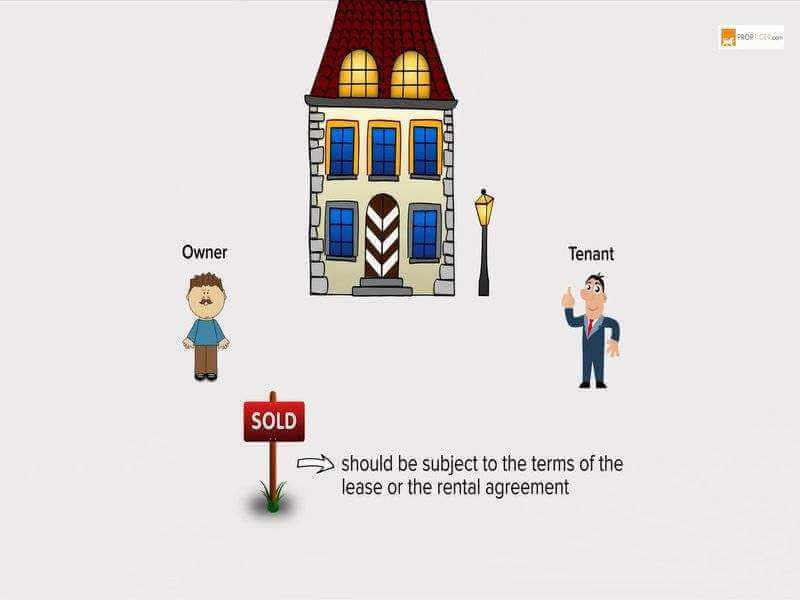
The relationship between a tenant and a property owner (landlord) is one of the oldest forms of economic exchange, predicated on the provision of shelter or space for a monetary consideration. This arrangement is more than just occupying a property; it’s a financial contract with a defined set of terms and expectations for both parties.
Defining the Tenant
A tenant is essentially a temporary occupant or user of a property, granted specific rights and responsibilities by the property owner. This occupancy is not permanent ownership but a contractual right to use and enjoy the premises for a specified period. From a financial perspective, a tenant is a consistent revenue stream for a landlord, contributing to the property’s cash flow and potentially its overall investment return. For the tenant, it represents a significant portion of their monthly expenditures, directly impacting their personal budget and financial stability. This relationship is typically established through a formal agreement, central to which are the financial terms.
The Lease Agreement: A Financial Contract
The bedrock of the tenant-landlord relationship is the lease agreement, a legally binding contract that outlines the terms of the tenancy. This document is primarily a financial instrument, detailing the rent amount, due dates, late fees, security deposit requirements, and responsibilities for utilities and repairs. For the tenant, the lease dictates their financial commitments for the duration of their occupancy. For the landlord, it guarantees a predictable income stream, outlining the financial parameters of their investment. Understanding every clause of a lease, particularly those concerning financial obligations and penalties, is crucial for both parties to avoid future monetary disputes. It quantifies the financial risk and reward for each stakeholder.
Key Players in the Rental Ecosystem
Beyond the tenant and landlord, the rental ecosystem often involves other financial stakeholders. Property managers, for instance, are often employed by landlords to handle day-to-day operations, including rent collection, maintenance coordination, and tenant communication. Their fees are a significant cost for landlords, impacting their net rental income. Real estate agents may facilitate the initial leasing process, earning commissions that are part of the transaction costs. Financial institutions play a role in providing mortgages to landlords, making the property available for rent in the first place. All these players interact within a financial framework, where the tenant’s rent payment is often the primary driver of capital flow through the system.
The Financial Landscape for Tenants
For an individual or business, being a tenant is a significant financial commitment that shapes their budget, spending habits, and long-term financial planning. It involves more than just a monthly rent check; it encompasses a broader array of costs and financial considerations.
Rent: The Primary Financial Obligation
Rent is the cornerstone of a tenant’s financial responsibility. It is the agreed-upon sum paid periodically (typically monthly) for the right to occupy the property. The amount of rent is influenced by numerous factors, including location, property size, amenities, market demand, and economic conditions. For many, rent constitutes the largest single monthly expense, directly impacting their disposable income and ability to save or invest. Prudent financial planning requires tenants to allocate a significant portion of their income to housing, often following rules of thumb like the 30% rule (no more than 30% of gross income towards housing costs), though this can vary significantly in high-cost areas. Failure to meet rent obligations is the most common cause of tenancy termination, underscoring its financial gravity.
Beyond Rent: Security Deposits and Other Costs
While rent is regular, other financial obligations exist. A security deposit is almost universally required, acting as a financial safeguard for the landlord against potential damages or unpaid rent. This sum, often equivalent to one or two months’ rent, must be budgeted for upfront and can represent a substantial initial outlay for a tenant. Utilities (electricity, gas, water, internet), though sometimes included in rent, are often separate expenses that tenants must factor into their monthly budget. Other potential costs include pet fees, parking fees, application fees, and even renter’s insurance premiums, which protect the tenant’s personal belongings from financial loss. These cumulative costs can significantly increase the total financial burden of renting.
Budgeting for Rental Living
Effective budgeting is paramount for tenants to maintain financial stability. This involves accurately tracking all rental-related expenses—rent, deposits, utilities, insurance, and other fees—and ensuring they align with one’s income. Tools like spreadsheets, budgeting apps, or financial advisors can assist tenants in creating a sustainable financial plan that accommodates their housing costs while allowing for savings, debt repayment, and discretionary spending. A well-structured budget helps tenants avoid financial strain, maintain a good payment history, and build a positive financial reputation.
Renting vs. Owning: A Financial Comparison
The decision between renting and owning is a pivotal financial choice for many. Renting offers flexibility and predictable monthly costs (excluding utility fluctuations), often requiring less upfront capital compared to a home purchase (down payment, closing costs). Tenants avoid property taxes, homeowner’s insurance (beyond renter’s insurance), and major maintenance expenses, which are significant financial responsibilities for homeowners. However, renting doesn’t build equity, which is a key wealth-building aspect of homeownership. The financial comparison hinges on individual circumstances, market conditions, and long-term financial goals, with each option presenting distinct financial advantages and disadvantages.
Tenants from the Landlord’s Investment Viewpoint
For property owners, tenants are not just occupants; they are the lifeblood of their real estate investment. A landlord’s financial success is intrinsically linked to their tenants’ reliability, responsible behavior, and consistent rent payments.
Generating Rental Income and ROI
The primary financial motivation for a landlord is the generation of rental income. This consistent cash flow helps cover mortgage payments, property taxes, insurance, and maintenance costs, ideally leaving a profit. The return on investment (ROI) for a rental property is heavily dependent on the occupancy rate and the ability to command competitive rents. Vacancies represent a direct financial loss, as expenses continue without income. Therefore, attracting and retaining good tenants is paramount to maximizing ROI and ensuring the financial viability of the investment.
Tenant Screening: Mitigating Financial Risk
One of the most critical aspects of property management from a financial perspective is tenant screening. Landlords employ rigorous processes to assess potential tenants’ financial reliability, including credit checks, employment verification, income verification, and rental history checks. A tenant with a strong credit score, stable income, and positive rental history is perceived as a lower financial risk, less likely to default on rent or cause property damage. Conversely, a tenant with a poor financial record can lead to lost income, legal fees for eviction, and repair costs, significantly eroding a landlord’s investment returns. Effective screening is a direct strategy for financial risk management.
Property Management Costs and Tenant Impact
While tenants contribute rental income, they also influence a landlord’s operational costs. Regular maintenance, repairs due to wear and tear, and sometimes even damage beyond normal use, are expenses that reduce net income. High tenant turnover leads to advertising costs, cleaning expenses, and potential periods of vacancy. Landlords must budget for these costs, which directly affect their profit margins. Happy, long-term tenants can reduce turnover costs and are often more communicative about minor issues, allowing for proactive maintenance that prevents more expensive repairs down the line, thus positively impacting the landlord’s financial bottom line.
Maintaining Property Value Through Responsible Tenancy
Beyond direct income, tenants indirectly influence the long-term value of a property. Responsible tenants who maintain the property well, report issues promptly, and adhere to lease terms help preserve the asset’s condition. Conversely, negligent tenants can cause significant damage, leading to substantial repair costs and a depreciation in property value. The reputation of a rental property or complex, often shaped by its tenants, can also influence future rental demand and property valuation. Landlords are therefore invested not just in receiving rent, but in fostering responsible tenancy to protect and enhance their asset’s financial worth.
Legal and Financial Protections and Responsibilities
The tenant-landlord relationship is governed by a framework of laws designed to balance the rights and responsibilities of both parties, particularly concerning financial matters. These legal safeguards and obligations are crucial for maintaining a fair and stable housing market.
Tenant Rights and Financial Safeguards
Tenants are afforded several key financial rights. These often include the right to a habitable living environment, meaning the landlord must ensure the property meets basic safety and health standards. If a landlord fails to make necessary repairs, tenants in some jurisdictions may have the right to withhold rent (in an escrow account) or make repairs and deduct the cost from future rent, though these actions usually require specific legal procedures. Tenants also have rights regarding their security deposit, including limits on the amount a landlord can charge, timelines for its return, and itemized deductions for damages. These rights protect tenants from financial exploitation and ensure they receive fair treatment.
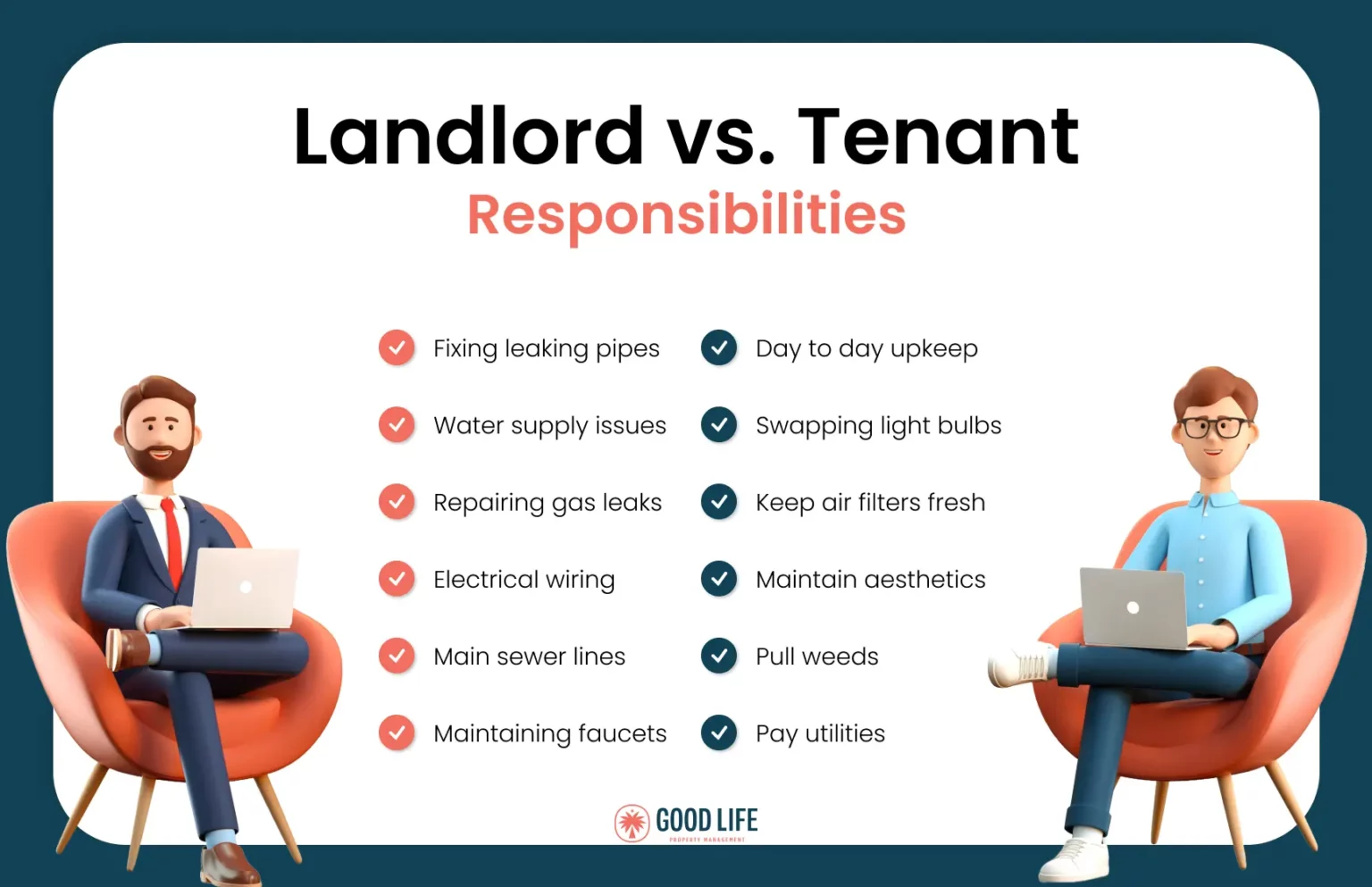
Landlord Responsibilities and Financial Obligations
Landlords, in turn, have financial responsibilities to their tenants. They are typically obligated to maintain the property, ensuring it remains safe and habitable, which involves allocating a portion of their rental income for ongoing maintenance and emergency repairs. Landlords must also manage security deposits according to state laws, often requiring them to be held in separate, interest-bearing accounts. Failure to adhere to these legal and financial obligations can result in monetary penalties, lawsuits, and damage to their reputation as a property owner, directly impacting their financial viability.
Navigating Disputes and Financial Resolutions
Disputes between tenants and landlords often have a financial underpinning—unpaid rent, disagreements over security deposit deductions, or costs of property damage. Legal frameworks are in place to mediate and resolve these conflicts, often through small claims courts or specialized housing courts. Both parties must understand their rights and the legal process for seeking financial redress. For instance, landlords must follow specific eviction procedures for non-payment of rent, and tenants must provide proper notice before vacating to avoid financial penalties. The financial implications of legal disputes, including court costs and potential judgments, underscore the importance of clear communication and adherence to the lease agreement.
The Future of Tenancy and Personal Finance
The landscape of tenancy is continuously evolving, influenced by economic shifts, technological advancements, and changing societal preferences, all of which have profound implications for personal finance and investment strategies.
Shifting Housing Markets and Affordability
Global economic trends, urbanization, and demographic shifts are constantly reshaping housing markets. In many urban centers, the cost of homeownership has become prohibitively high, pushing a larger segment of the population into long-term tenancy. This trend makes renting a necessity rather than a choice for many, impacting personal finance by dictating how much income is allocated to housing versus savings and investments. Landlords, conversely, face increasing demand but also heightened regulatory scrutiny and the challenge of balancing profitability with social responsibility and affordability. The ongoing debate around rent control and affordable housing directly influences the financial calculus for both tenants and landlords.
Technology’s Role in Modern Tenancy
Technology is increasingly streamlining the financial aspects of tenancy. Online payment portals simplify rent collection and provide tenants with convenient tracking of their payments, contributing to better financial record-keeping. Digital lease agreements, virtual property tours, and online tenant screening tools make the rental process more efficient, reducing administrative costs for landlords and making the search process easier for tenants. Financial management apps often integrate rental payments, helping tenants budget and landlords track income and expenses more effectively. While not a tech article, it’s clear that financial technology (FinTech) is enhancing the transaction and management of tenancy.
Tenancy as a Lifestyle and Financial Strategy
For a growing number of individuals, renting is becoming a deliberate lifestyle and financial strategy. It offers unparalleled flexibility, allowing individuals to move for career opportunities or personal reasons without the transaction costs and market volatility associated with buying and selling property. From a financial perspective, it frees up capital that would otherwise be tied up in a down payment and property maintenance, allowing for investment in other assets, retirement accounts, or entrepreneurial ventures. For younger generations, who may prioritize experiences over ownership, or those in dynamic career fields, tenancy provides a financial agility that homeownership often cannot match. This shift redefines traditional notions of wealth accumulation and personal financial planning.
In conclusion, “what are tenants” extends far beyond a simple definition, touching upon fundamental aspects of personal finance, real estate investment, and economic stability. Tenants are critical cogs in the housing market, representing both significant financial commitments for individuals and vital revenue streams for property owners. Understanding the financial intricacies of tenancy—from budgeting for rent and deposits to navigating legal and financial responsibilities—is essential for everyone involved. As housing markets continue to evolve, the role of tenants will remain central to discussions about affordability, investment, and the future of living.
aViewFromTheCave is a participant in the Amazon Services LLC Associates Program, an affiliate advertising program designed to provide a means for sites to earn advertising fees by advertising and linking to Amazon.com. Amazon, the Amazon logo, AmazonSupply, and the AmazonSupply logo are trademarks of Amazon.com, Inc. or its affiliates. As an Amazon Associate we earn affiliate commissions from qualifying purchases.