
In the grand architecture of modern civilization, few systems are as vital yet as misunderstood as the electrical grid. We interact with the “user interface” of this system every time we flick a switch or plug in a smartphone, but the complex machinery that facilitates this delivery remains largely hidden behind chain-link fences and warning signs. At the heart of this network lies the substation. Far from being simple clusters of grey boxes and tangled wires, substations are sophisticated technological hubs that manage the transformation, regulation, and distribution of energy. As we transition toward a digital, decentralized, and green energy future, the technology within these substations is undergoing a radical transformation.
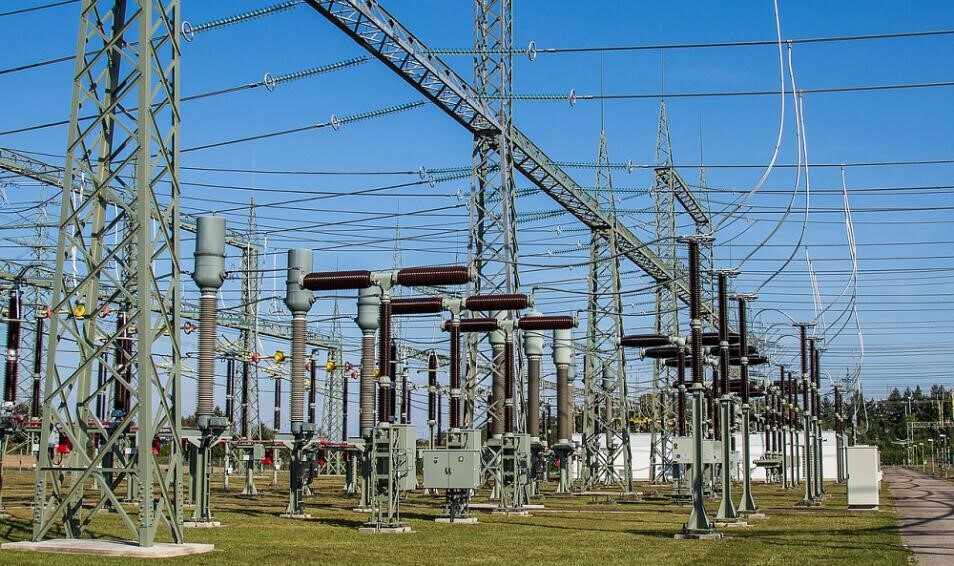
The Anatomy of a Substation: Engineering the Flow of Energy
To understand what a substation is, one must first view the electrical grid as a high-speed logistical network. Power plants generate electricity, but that energy is rarely at the correct “pressure” (voltage) for efficient long-distance travel or safe residential use. Substations act as the critical switching and transformation points that ensure energy moves efficiently from the point of origin to the end-user.
Transformers and Voltage Regulation
The most recognizable component of any substation is the transformer. Based on the principles of electromagnetic induction, transformers are the primary tech responsible for changing voltage levels. For long-distance transmission, step-up transformers increase voltage to hundreds of thousands of volts to minimize energy loss caused by resistance in the wires. Conversely, when power reaches a city or industrial park, step-down transformers reduce that voltage to levels safe for localized distribution. Modern transformers are increasingly equipped with “Load Tap Changers” (LTCs), which allow for real-time voltage adjustment to maintain stability even as demand fluctuates.
Circuit Breakers and Protective Relays
If the transformer is the heart of the substation, the protective relays and circuit breakers are its nervous system and immune response. In a fraction of a second, these components must detect faults—such as a lightning strike or a downed line—and isolate the affected section of the grid. Older vacuum or oil-filled breakers are being replaced by high-tech Gas-Insulated Switchgear (GIS), which uses sulfur hexafluoride (SF6) or newer eco-friendly gas alternatives to extinguish electrical arcs in a compact, controlled environment.
Busbars and Distribution Architecture
Within the substation, energy is directed through a system of thick conductors known as busbars. Think of these as the “motherboard” of the substation. They allow power to be routed from multiple incoming lines to various outgoing feeders. The configuration of these busbars determines the substation’s reliability; for instance, a “breaker-and-a-half” scheme ensures that if one piece of equipment fails, the power can be instantly rerouted without an outage.
Types of Substations and Their Specialized Roles
Not all substations are created equal. Depending on their location in the grid and the specific technological requirements of the surrounding area, they serve distinct functions.
Transmission Substations: The High-Voltage Gatekeepers
Located at the intersections of the high-voltage “highways” of the grid, transmission substations handle the highest power levels. Their primary role is to connect different transmission lines and ensure that bulk power can be moved across states or even countries. These facilities are often the largest and require the most advanced cooling and insulation technologies due to the immense heat generated by high-current throughput.
Distribution Substations: Bringing Power to the Edge
These are the substations most commonly seen in suburban and urban environments. They take the medium-voltage electricity from the transmission network and “step it down” to the low voltages used by homes and small businesses. In modern tech-centric cities, distribution substations are increasingly “undergrounded” or enclosed in aesthetically pleasing buildings to protect the sensitive hardware from environmental hazards and to save space.
Collector Substations: Integrating Renewable Energy
With the rise of wind and solar farms, a new category of substation has emerged: the collector substation. Unlike traditional facilities that receive power from a single large plant, collector substations aggregate power from hundreds of individual wind turbines or thousands of solar panels. These sites require advanced power electronics to handle the “intermittency” of renewable energy—ensuring that a sudden cloud over a solar farm doesn’t cause a voltage spike or drop that destabilizes the wider grid.
The Digital Revolution: Moving Toward the Smart Substation
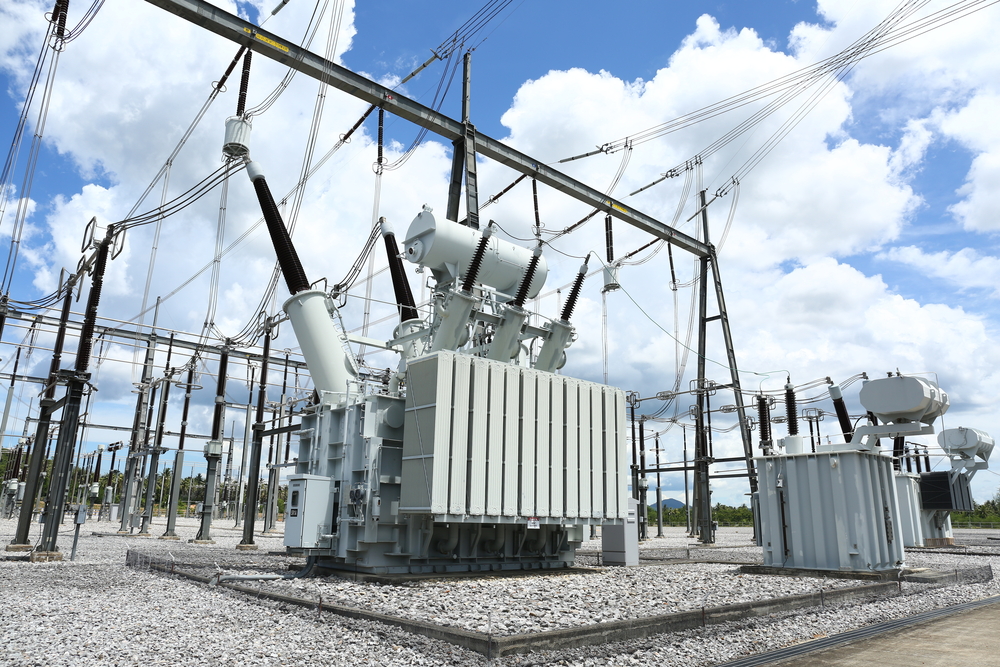
For decades, substations were purely mechanical and analog. Today, we are in the midst of a “Digital Substation” revolution, where copper wiring is being replaced by fiber optics and manual switches by automated algorithms.
IEC 61850 and the Digital Bus
The global standard for substation automation, IEC 61850, has changed the way these facilities communicate. In a traditional substation, thousands of copper wires run between primary equipment and the control house. In a digital substation, these are replaced by a “Process Bus”—a high-speed fiber-optic network. This reduces the physical footprint of the facility, lowers costs, and allows for near-instantaneous data sharing between devices.
IoT and Remote Monitoring Systems
Modern substations are now packed with Internet of Things (IoT) sensors. These sensors monitor everything from the dissolved gas levels in transformer oil (an early indicator of failure) to the temperature of bushings and the acoustic signature of mechanical parts. This data is transmitted in real-time to a central command center, allowing utility companies to monitor the health of their infrastructure without sending a technician to a remote site.
AI-Driven Predictive Maintenance
The influx of data from digital substations has paved the way for Artificial Intelligence (AI) and Machine Learning (ML). Rather than performing maintenance on a fixed schedule (e.g., once every two years), AI models can predict exactly when a component is likely to fail based on its performance data. This “Predictive Maintenance” saves millions of dollars in repair costs and prevents catastrophic blackouts by replacing aging tech before it breaks.
Security and Resilience in a Connected Grid
As substations become more digitized and connected to the internet, they also become targets for digital threats. The technology used to protect these hubs has had to evolve alongside the risks.
Cybersecurity for Critical Infrastructure
Substations now utilize Industrial Control Systems (ICS) and SCADA (Supervisory Control and Data Acquisition) software. Protecting these requires a multi-layered tech approach: hardware firewalls, “air-gapping” (physically isolating sensitive networks from the public internet), and encrypted communication protocols. Modern substations often employ “Intrusion Detection Systems” (IDS) specifically tuned to recognize the unique patterns of industrial network traffic.
Physical Shielding and Fault Tolerance
Beyond digital threats, substations must be resilient against physical disruptions. This includes “Hardening” technology, such as ballistic-resistant shielding for transformers and advanced lightning protection systems. Furthermore, the rise of “Microgrids” allows a substation to “island” itself—disconnecting from the main grid during a failure and using local battery storage or generators to keep critical local infrastructure (like hospitals) powered.
The Future of Substation Technology: Decarbonization and Solid-State
The next decade will see the most significant shift in substation technology since the days of Nikola Tesla. As we move toward a “Net Zero” world, the hardware itself is changing.
Solid-State Transformers and DC Microgrids
The traditional copper-and-iron transformer is being challenged by the Solid-State Transformer (SST). Using high-power semiconductors, SSTs are smaller, more efficient, and can handle both Alternating Current (AC) and Direct Current (DC). This is crucial as more devices—from Electric Vehicles (EVs) to LED lighting—operate on DC power. Future substations may act as DC-to-AC bridges, facilitating the rapid charging of EV fleets without overwhelming the local grid.
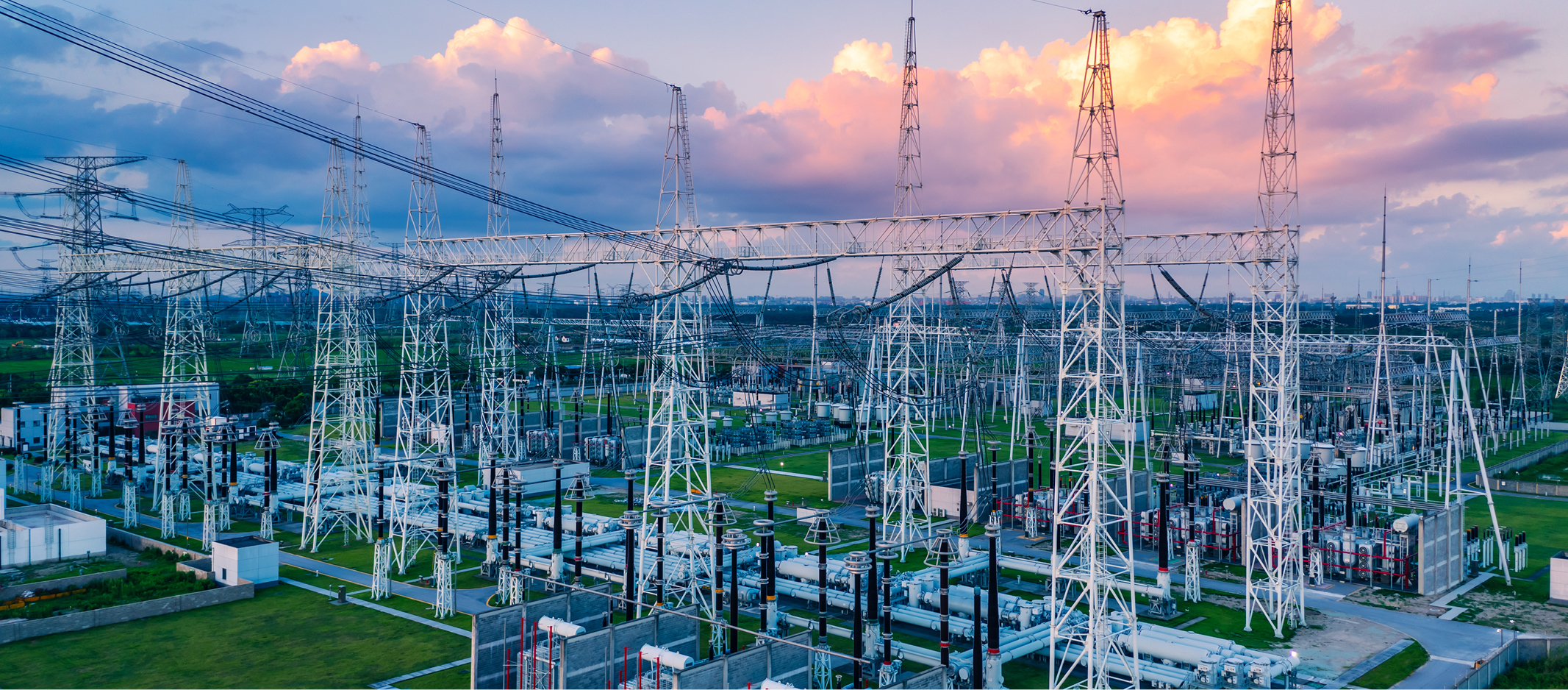
Modular and Mobile Substation Units
In response to the need for rapid grid expansion and disaster recovery, modular substations are becoming a major trend. These are “plug-and-play” units housed in shipping containers that can be factory-tested and shipped to a site for immediate installation. This modular tech allows for the quick scaling of power capacity in rapidly growing tech hubs or the restoration of power in areas hit by natural disasters.
In conclusion, substations are no longer static pieces of industrial equipment; they are dynamic, intelligent nodes in a global technological network. By integrating AI, IoT, and advanced power electronics, the modern substation is evolving to meet the demands of a high-tech society that requires 24/7 reliability and a rapid transition to renewable energy. Understanding the technology within these fences is key to understanding how our digital world remains powered, protected, and prepared for the future.
aViewFromTheCave is a participant in the Amazon Services LLC Associates Program, an affiliate advertising program designed to provide a means for sites to earn advertising fees by advertising and linking to Amazon.com. Amazon, the Amazon logo, AmazonSupply, and the AmazonSupply logo are trademarks of Amazon.com, Inc. or its affiliates. As an Amazon Associate we earn affiliate commissions from qualifying purchases.