
In the complex landscape of project delivery, particularly within construction, engineering, and manufacturing, the term “submittals” often arises, sometimes overlooked as mere administrative tasks. However, to truly understand the operational and financial health of a business engaged in large-scale projects, grasping the fundamental role and profound financial impact of submittals is paramount. Far from being simple paperwork, submittals represent critical gateways in a project’s lifecycle, directly influencing budgets, schedules, risk profiles, and ultimately, profitability.
The Financial Imperative of Submittals in Project Management
At its core, a submittal is a document, sample, or piece of information provided by a contractor, subcontractor, or supplier to the project owner or their authorized representative (e.g., architect, engineer) for review and approval. This seemingly straightforward process is, in fact, a crucial control mechanism designed to ensure that all materials, equipment, and methods proposed for incorporation into a project meet the specified requirements, standards, and design intent. From a business finance perspective, the effectiveness of submittal management directly correlates with the ability to control costs, manage cash flow, and mitigate financial risk throughout a project.

Defining Submittals: More Than Just Paperwork
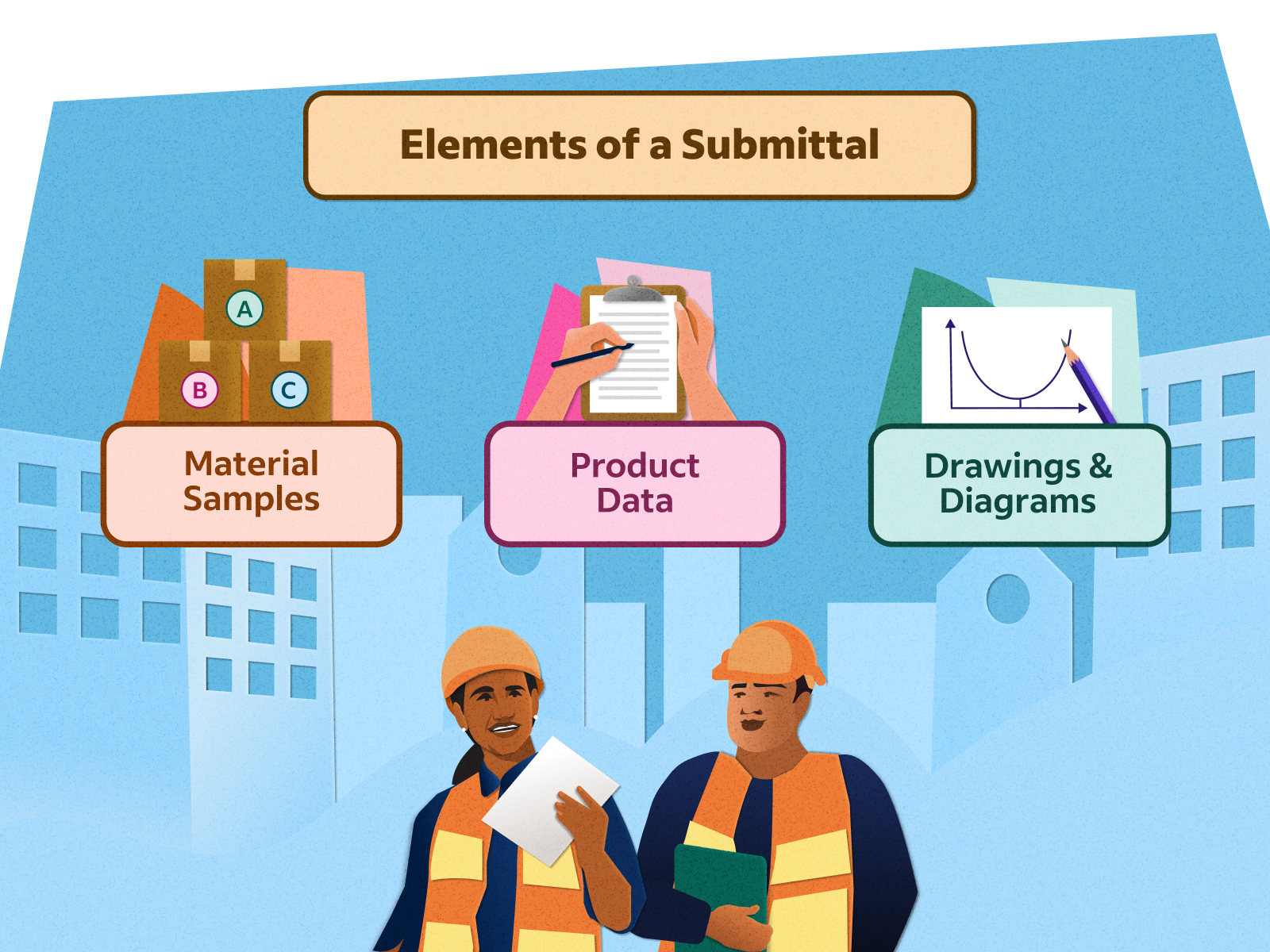
Submittals encompass a wide array of items, each carrying its own set of financial implications. These can include:
- Product Data: Manufacturer’s brochures, specifications, and installation instructions for materials and equipment. Financial impact: Ensures procured items meet specifications, preventing costly rework or substitutions.
- Shop Drawings: Detailed drawings showing how components will be fabricated or installed, often deviating slightly from design drawings to reflect real-world conditions. Financial impact: Critical for constructability, avoiding clashes and field errors that lead to change orders and delays.
- Samples: Physical examples of materials (e.g., brick, carpet, paint colors). Financial impact: Guarantees aesthetic and quality alignment, preventing rejection of delivered materials and associated disposal/reprocurement costs.
- Test Reports: Documentation verifying material properties or system performance. Financial impact: Confirms compliance with performance criteria, reducing liability and potential warranty claims.
- Certifications: Proof that personnel or materials meet specific standards or qualifications. Financial impact: Essential for regulatory compliance, avoiding fines and project shutdowns.
- Schedules: Construction schedules, submittal schedules, payment schedules. Financial impact: While the construction schedule is distinct, the submittal schedule directly influences project sequencing and payment milestones, impacting cash flow.
Each of these items represents a point of financial control. An unapproved material, an incorrectly fabricated component, or a delayed piece of equipment can trigger a cascade of adverse financial consequences, from direct material waste to liquidated damages for late completion.
The Lifecycle of a Submittal and Its Cost Implications
The submittal process typically follows a structured path:
- Preparation: The contractor gathers necessary documentation from subcontractors and suppliers, ensuring it aligns with project specifications. This involves internal labor costs for compilation and review.
- Submission: The package is submitted to the owner/architect/engineer. Delays here can push back subsequent activities, incurring indirect costs.
- Review and Approval: The design team reviews the submittal for compliance. This phase is critical for project schedule and cash flow. Slow or incomplete reviews can lead to:
- Extended Overhead: Project management teams remain on site longer than planned, increasing non-recoverable general conditions.
- Accelerated Costs: To recover lost time, costly overtime or expedited material shipments may be required.
- Supply Chain Disruptions: Materials ordered before approval might be incorrect, leading to reordering, storage costs, and potential material price increases.
- Cash Flow Stagnation: Payment milestones often hinge on material delivery and installation, which are dependent on submittal approvals. Delays here can disrupt a contractor’s cash flow, straining working capital.
- Resubmission: If a submittal is rejected or requires revisions, the cycle repeats. Each iteration adds administrative costs, extends lead times, and elevates the risk of project delays.
- Approved Status: Once approved, the contractor can proceed with procurement, fabrication, or installation, unlocking subsequent project phases and associated payment claims.
Understanding this lifecycle from a financial lens highlights that efficient submittal management isn’t merely good project practice; it’s a direct driver of financial performance, minimizing waste and optimizing resource allocation.
Mitigating Financial Risk Through Effective Submittal Management
For businesses operating on tight margins and complex contractual agreements, robust submittal management is a non-negotiable component of financial risk mitigation. It acts as a proactive defense against unforeseen costs and disputes.
Avoiding Cost Overruns and Schedule Delays
The most direct financial consequence of poor submittal management is cost overruns and schedule delays. When submittals are late, incomplete, or rejected, the ripple effect can be devastating:
- Direct Costs: Rework, material reordering, expedited shipping fees, increased labor costs due to inefficiencies, and penalties for late delivery of owner-furnished equipment.
- Indirect Costs: Extended general conditions (superintendent salaries, site office rental, utilities), increased financing costs due to longer project duration, and potential liquidated damages stipulated in contracts.
- Loss of Opportunity: Capital tied up in a delayed project cannot be deployed elsewhere, impacting a firm’s ability to bid on or execute new projects.
A proactive approach to submittals, including a detailed submittal log, clear communication protocols, and realistic lead times, provides early warning signs of potential bottlenecks, allowing financial managers to anticipate and budget for potential impacts or explore mitigation strategies.
Ensuring Compliance and Preventing Disputes

Submittals serve as the primary documented proof that materials and methods comply with contractual requirements, building codes, and industry standards. From a financial perspective, this compliance is critical for several reasons:
- Avoiding Fines and Legal Penalties: Non-compliant work can lead to regulatory fines, stop-work orders, and substantial legal costs.
- Reducing Warranty Claims: Approved submittals ensure quality components are installed correctly, reducing the likelihood of defects and subsequent warranty claims, which can be a significant long-term financial drain.
- Minimizing Change Orders and Claims: Discrepancies between approved submittals and actual installations are a common source of costly change orders and contractual disputes. Clear, approved submittals provide a definitive basis for work, reducing ambiguity that can lead to financial disagreements. In cases where disputes do arise, thoroughly documented submittals offer crucial evidence to support claims or defend against counter-claims, thereby protecting a business’s financial position.
Impact on Cash Flow and Working Capital
For any business, especially those in project-based industries, managing cash flow is paramount. Submittals significantly influence a company’s working capital:
- Payment Milestones: Many project payment schedules are tied to the approval and installation of specific materials or completion of certain phases, which are directly dependent on approved submittals. Delays in submittal approvals can delay payments, creating cash flow gaps.
- Material Procurement: Ordering materials requires upfront capital. If submittals are delayed, materials might be ordered later, affecting project progress, or worse, ordered prematurely and then rejected, tying up capital in unusable inventory.
- Subcontractor Payments: Contractors rely on timely payments from owners to pay their subcontractors. A breakdown in the submittal process can disrupt this chain, leading to strained relationships, potential liens, and even legal action, all of which have direct financial consequences.
Effective submittal management ensures a smoother progression of work, which translates into more predictable revenue streams and better management of accounts payable and receivable, optimizing working capital utilization.
Submittals as a Strategic Financial Tool
Beyond risk mitigation, submittals can be viewed as a strategic financial tool that, when managed effectively, can enhance project profitability and foster long-term business growth.
Enhancing Project Profitability and Predictability
By streamlining the submittal process, businesses can achieve greater project predictability. This enables more accurate financial forecasting, better resource allocation, and a higher likelihood of completing projects on budget and on schedule.
- Reduced Waste: Fewer rejections mean less wasted material, less rework, and fewer labor hours spent correcting errors, all directly boosting profit margins.
- Improved Efficiency: An optimized submittal workflow leads to a more efficient overall project, allowing teams to move from one task to the next seamlessly, minimizing unproductive time.
- Enhanced Reputation: Delivering projects on time and within budget, a direct outcome of effective submittal management, strengthens a company’s reputation. This can lead to repeat business, preferred bidder status, and the ability to command higher margins on future projects, representing a significant long-term financial advantage.
Leveraging Technology for Financial Control
The manual management of submittals can be a labor-intensive and error-prone process. Modern project management software and construction financial management systems now offer integrated submittal tracking features.
- Centralized Documentation: Digital platforms provide a single source of truth for all submittals, reducing the risk of lost documents and improving accessibility for all stakeholders.
- Automated Workflows: Automation can streamline the review and approval process, sending reminders, flagging overdue items, and accelerating decision-making, which directly impacts project timelines and cash flow.
- Real-time Visibility: Financial managers gain real-time insights into the status of critical submittals, allowing them to foresee potential financial impacts and take corrective action proactively. This transparency is invaluable for cash flow forecasting and risk assessment.
- Audit Trails: Digital systems create comprehensive audit trails, essential for dispute resolution and demonstrating due diligence, thereby protecting the company’s financial interests.
Investing in such technology can yield significant returns by improving operational efficiency, reducing administrative costs, and enhancing financial control.
The Role of Skilled Management in Financial Outcomes
Ultimately, the financial success tied to submittals hinges on the expertise of project and financial managers. A deep understanding of project specifications, contractual obligations, and the interdependencies of the submittal process is critical. Skilled managers:
- Proactively Plan: Develop comprehensive submittal schedules that align with the master project schedule and procurement timelines.
- Communicate Effectively: Maintain open lines of communication with all stakeholders (owner, architect, subcontractors, suppliers) to expedite reviews and resolve issues swiftly.
- Anticipate Risks: Identify potential submittal bottlenecks early and develop contingency plans to mitigate financial repercussions.
- Enforce Accountability: Ensure all parties adhere to their responsibilities and contractual obligations regarding submittal submissions and reviews.
By recognizing submittals not as an administrative burden but as a fundamental financial control point, businesses can transform their approach, turning a potential source of cost and delay into a strategic lever for project success and sustained profitability. In an industry where margins are often thin, mastering the art and science of submittal management is not just good practice—it’s essential for financial survival and growth.
aViewFromTheCave is a participant in the Amazon Services LLC Associates Program, an affiliate advertising program designed to provide a means for sites to earn advertising fees by advertising and linking to Amazon.com. Amazon, the Amazon logo, AmazonSupply, and the AmazonSupply logo are trademarks of Amazon.com, Inc. or its affiliates. As an Amazon Associate we earn affiliate commissions from qualifying purchases.