
The intersection of hardware engineering and biological science has produced some of the most life-saving innovations of the 21st century. Among these, the stent stands as a masterpiece of precision technology. While often discussed in medical contexts, a stent is, at its core, a sophisticated mechanical solution to a complex fluid dynamics problem within the human body. As medical technology (MedTech) continues to evolve, the question of what stents are used for has expanded from simple structural support to include drug-delivery systems, smart monitoring, and bioresorbable engineering.

In the modern tech landscape, stents represent the pinnacle of “Human Infrastructure Technology.” They are no longer just passive mesh tubes; they are active, engineered devices designed to integrate seamlessly with biological systems to maintain critical pathways. This article explores the technological architecture, the material science, and the future-forward innovations that define what stents are used for today.
Engineering the Human Infrastructure: The Fundamental Role of Stents
To understand what stents are used for from a technological perspective, one must view the human body as a series of complex piping and filtration systems. Over time, these pathways—whether they are arteries, bile ducts, or airways—can become compromised by blockages or structural failures.
Precision Mechanical Support for Vascular Systems
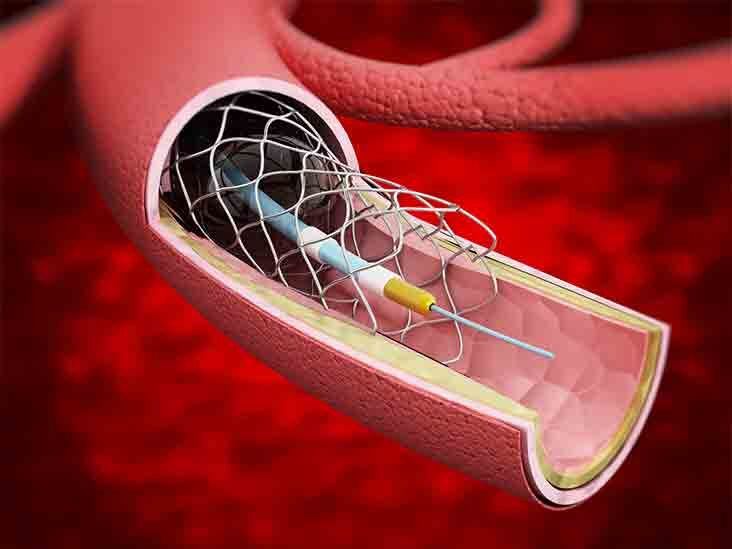
The most common application of stent technology is in the cardiovascular system. When an artery becomes narrowed due to the buildup of plaque, the fluid dynamics of blood flow are disrupted, leading to potential system failure (heart attack or stroke). A stent acts as a mechanical scaffold. Engineered with incredible tensile strength yet enough flexibility to navigate the tortuous paths of the human anatomy, the stent is deployed to “re-shore” the walls of the vessel. This process, known as angioplasty and stenting, ensures that the structural integrity of the “bio-conduit” is maintained, allowing for optimal throughput of oxygenated blood.
Beyond Cardiology: Expanding into Non-Vascular Tech
While heart health is the primary driver of stent innovation, the technology is increasingly used in non-vascular applications. In the field of gastroenterology and urology, stents are used to bypass obstructions in the esophagus, bile ducts, or ureters. In these cases, the stent is a specialized piece of hardware designed to withstand different environmental pressures—such as the corrosive nature of digestive enzymes or the muscular contractions of the urinary tract. The engineering challenge here lies in “biocompatibility”—ensuring the device’s material does not trigger an immune response while performing its mechanical duty.
The Technological Evolution of Stent Design
The history of stent technology is a narrative of iterative improvement, moving from “dumb” hardware to “active” devices. This evolution mirrors the trajectory of software development: starting with a basic framework and adding layers of functionality and intelligence over time.
From Bare-Metal to Drug-Eluting Systems
The first generation of stents were “Bare-Metal Stents” (BMS). These were essentially high-grade stainless steel or cobalt-chromium meshes. However, the tech community realized a significant “bug” in this version: the body’s natural healing process often caused scar tissue to grow over the metal, re-narrowing the vessel (restenosis).
The “version 2.0” solution was the Drug-Eluting Stent (DES). This innovation integrated pharmacology with mechanical engineering. The metal scaffold was coated with a polymer containing specialized medication that is released over time. This “timed-release” hardware prevents the overgrowth of cells, significantly reducing the failure rate of the device. This shift transformed the stent from a simple structural tool into a sophisticated localized delivery platform.
Bioresorbable Scaffolds: The Rise of “Temporary” Hardware
The latest frontier in stent technology is the Bioresorbable Vascular Scaffold (BVS). In the tech world, we might compare this to “ephemeral data” or self-destructing code. The engineering philosophy behind BVS is that once a vessel has been opened and healed, the permanent presence of a metal implant may be unnecessary or even detrimental.
Bioresorbable stents are made from polymers or magnesium alloys that provide the necessary mechanical support for a set period (usually several months) before being naturally absorbed by the body. This represents a paradigm shift in MedTech: creating hardware that performs its function and then leaves no trace, returning the biological system to its native state.
Smart Stents and the Internet of Medical Things (IoMT)
As we enter the era of Industry 4.0, the “Internet of Medical Things” (IoMT) is redefining what stents are used for. We are moving toward a future where “dumb” implants are replaced by “smart” connected devices capable of real-time data transmission.

Integrating Micro-Sensors for Real-Time Monitoring
Research is currently underway to develop stents equipped with micro-electromechanical systems (MEMS). These “smart stents” would contain pressure and flow sensors capable of monitoring the hemodynamic environment from within the artery.
From a tech standpoint, this is a massive leap in telemetry. Instead of a patient needing an invasive procedure or an expensive MRI to check the status of an implant, the stent itself could wirelessly transmit data to an external receiver or a smartphone app. This allows for the early detection of restenosis or clotting before the patient even experiences symptoms, moving healthcare from a reactive model to a predictive, data-driven model.
Data-Driven Post-Operative Care
The integration of stents into the IoMT ecosystem allows for a more granular approach to post-operative care. By analyzing the data streamed from a smart stent, AI algorithms can predict how a patient is recovering and whether their lifestyle or medication adherence is affecting the performance of the device. This turns a mechanical implant into a continuous diagnostic tool, providing a feedback loop that was previously impossible in interventional medicine.
Advanced Manufacturing: 3D Printing and Nanotechnology
The manufacturing process behind stents is as technologically advanced as the devices themselves. To achieve the level of precision required for an object that is often only a few millimeters in diameter, engineers utilize cutting-edge fabrication techniques.
Patient-Specific Geometry via Additive Manufacturing
One of the most exciting developments in the niche of MedTech is the use of 3D printing (additive manufacturing) to create custom stents. Every human body is unique, yet for decades, stents have come in standardized sizes.
Using high-resolution CT scans, engineers can now create a digital twin of a patient’s vascular system. This data is fed into a 3D printer that can manufacture a “patient-specific” stent, tailored to the exact curvature and diameter of that individual’s anatomy. This precision engineering reduces the risk of the stent shifting (migration) or causing damage to the vessel walls, showcasing how customized tech hardware can improve biological outcomes.
Nanocoatings and Biocompatible Surface Engineering
At the nanoscale, the surface of a stent is a high-tech battlefield. Engineers use nanotechnology to create surfaces that are “thromboresistant”—meaning they actively repel the formation of blood clots. This involves manipulating the molecular structure of the stent’s surface or applying nano-thin layers of carbon or specialized polymers. By controlling the interface between the synthetic material and the biological environment at a molecular level, developers can create devices that are more durable and “invisible” to the body’s immune system.
The Future Landscape: AI and Predictive Stenting
The final frontier of what stents are used for lies in the marriage of interventional hardware with Artificial Intelligence. We are seeing a move toward a holistic “tech stack” for vascular health where the stent is just one component.
Predictive Modeling for Stent Placement
Before a stent is even inserted, AI-powered software is now used to simulate blood flow (computational fluid dynamics). By creating a digital model of the patient’s blockage, doctors and engineers can “test” different stent types and placements in a virtual environment to see which configuration provides the best long-term outcome. This “simulation-first” approach is common in aerospace and software engineering, and its application in MedTech is drastically increasing the success rates of complex procedures.
Toward Autonomous Interventional Robotics
The delivery of stents is also being revolutionized by robotics. Traditionally, a surgeon manually threads a catheter through the body to place a stent. Today, robotic-assisted platforms allow for sub-millimeter precision in stent deployment. In the future, as AI becomes more integrated into these robotic systems, we may see semi-autonomous “smart delivery” where the system assists the human operator in navigating the complex “network” of the human body, ensuring the stent is deployed in the optimal location every single time.
Conclusion
When we ask, “What are stents used for?” the answer in the modern era is far more complex than it was thirty years ago. In the world of technology and bio-engineering, stents are used as structural anchors, localized drug-delivery systems, data-gathering sensors, and platforms for customized additive manufacturing.
They represent the perfect synthesis of mechanical engineering, material science, and digital connectivity. As we continue to shrink sensors, refine 3D printing, and improve AI modeling, the stent will continue to evolve. It is no longer just a piece of metal in a tube; it is a critical component of the high-tech infrastructure that sustains human life.
aViewFromTheCave is a participant in the Amazon Services LLC Associates Program, an affiliate advertising program designed to provide a means for sites to earn advertising fees by advertising and linking to Amazon.com. Amazon, the Amazon logo, AmazonSupply, and the AmazonSupply logo are trademarks of Amazon.com, Inc. or its affiliates. As an Amazon Associate we earn affiliate commissions from qualifying purchases.