
The world of music production, mixing, and mastering has evolved dramatically, especially with the advent of digital audio workstations (DAWs). Within this evolving landscape, the term “stems” has become increasingly prevalent, signifying a crucial element in how music is handled professionally. For those outside the inner circle of audio engineers and producers, the concept of stems can seem a bit abstract. This article aims to demystify what stems are in music, why they are important, and how they are utilized across various facets of the music industry, with a particular focus on their technological implications.

The Genesis and Definition of Musical Stems
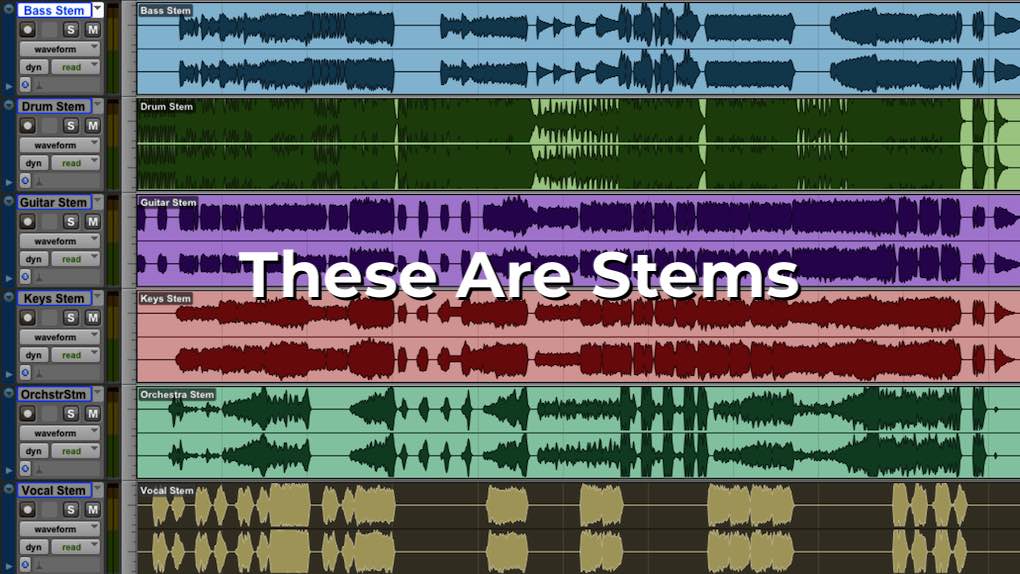
At its core, a music stem is a pre-mixed audio file containing a group of related tracks from a larger project. Think of it as a cohesive unit of sound that has been bounced down from multiple individual tracks but not yet combined into the final stereo master. This might include all the drum tracks (kick, snare, hi-hat, toms), all the bass guitar tracks, all the lead vocals, or all the background vocals. The key characteristic of a stem is that it represents a distinct musical element or section that can be manipulated, mixed, or replaced independently of other stems.
Individual Tracks vs. Grouped Stems
To truly understand stems, it’s helpful to contrast them with individual tracks. In a typical music production project, a producer might record dozens, even hundreds, of individual tracks. This could include multiple takes of a lead vocal, several microphones on a drum kit, and various synthesizer parts. While these individual tracks offer the utmost flexibility, they can become unwieldy for certain stages of the production and distribution process.
Stems, therefore, emerge as a practical solution. Instead of delivering hundreds of individual WAV files, a producer might group the kick, snare, and hi-hat into a “Drum Stem,” the bass guitar and sub-bass synth into a “Bass Stem,” and all the vocal harmonies into a “Background Vocal Stem.” This process of “bouncing” or “exporting” groups of tracks into single audio files is the fundamental mechanism behind stem creation. The decision of what constitutes a “stem” is not rigidly defined and can vary depending on the project’s complexity and the intended use of the stems. Some might consider all instruments except vocals as a single “instrumental stem,” while others might create separate stems for guitars, keyboards, and orchestral elements.
The Purpose of Grouping: Balancing Flexibility and Manageability
The primary purpose of creating stems is to strike a balance between the granular control offered by individual tracks and the manageability required for later stages. Imagine a scenario where a song is being remixed. The remixer needs access to the individual elements to rearrange, add new parts, or change the effects. Providing them with every single recorded track can be overwhelming and might lead to unintended sonic alterations if not handled with extreme care. By providing stems, the remixer gets the flexibility to isolate and manipulate entire sections (like drums or vocals) while maintaining a degree of pre-determined sonic integrity within those groups.
Similarly, when a song is being prepared for synchronization in film, television, or video games, stems are invaluable. A music supervisor might need to quickly mute the vocals for a dialogue-heavy scene or adjust the overall loudness of the instrumental bed. Having stems allows for quick and precise adjustments without having to re-mix the entire song from scratch. This technological efficiency is a cornerstone of modern audio post-production workflows.
The Technological Foundations of Stem Creation and Usage
The ability to create and manipulate stems is deeply intertwined with advancements in digital audio technology. The software and hardware that enable this process have become increasingly sophisticated, making stem-based workflows more accessible and powerful than ever before.
Digital Audio Workstations (DAWs) and Stem Export
The cornerstone of stem creation lies within Digital Audio Workstations (DAWs). Software like Ableton Live, Pro Tools, Logic Pro X, FL Studio, and Cubase provide users with powerful tools to record, edit, mix, and export audio. Within these DAWs, the process of creating stems typically involves:
- Grouping Tracks: Users can group related tracks (e.g., all drum tracks) within the DAW. This grouping allows for easier management, application of group effects, and importantly, simultaneous export.
- Bus Routing and Aux Sends: Advanced routing capabilities in DAWs allow producers to send multiple tracks to an auxiliary (aux) bus. This aux bus can then be treated as a single output, effectively creating a pre-mixed group of instruments. Effects can be applied to this bus, shaping the overall sound of the stem before it’s exported.
- Exporting Options: DAWs offer robust export functionalities. Producers can select specific track groups or aux bus outputs and export them as individual audio files. Common export formats for stems include WAV or AIFF, preserving the uncompressed audio quality of the bounced group. Key export settings include sample rate, bit depth, and channel count (typically stereo for stems).
The technological precision of DAWs ensures that when a stem is exported, it retains the relative levels and sonic characteristics of the grouped tracks as intended by the producer. This is crucial for maintaining the artistic vision throughout the post-production and distribution process.
Plug-ins and Digital Signal Processing (DSP)
The sonic character of a stem is often shaped by digital audio plug-ins, which are software effects that can be applied to audio signals within a DAW. These plug-ins, powered by Digital Signal Processing (DSP), are essential for creating professional-sounding stems. Common plug-ins used during stem creation include:
- Equalizers (EQs): Used to adjust the tonal balance of a stem, cutting or boosting specific frequencies. For example, an EQ might be used to remove mud from a drum stem or add clarity to a vocal stem.
- Compressors: Used to control the dynamic range of a stem, making the loud parts quieter and the quiet parts louder, resulting in a more consistent and powerful sound. A drum bus compressor, for instance, is a staple for adding punch and cohesion to a drum stem.
- Reverbs and Delays: Used to create a sense of space and depth. Applying a shared reverb to all the background vocal tracks before bouncing them into a single stem can create a cohesive and ethereal vocal texture.
- Limiters: Often used on the final output bus of a stem to prevent clipping and maximize perceived loudness.
The sophisticated algorithms within these plug-ins, executed by the computer’s processing power, are what allow for the fine-tuning and professional polish of each stem. The ability to apply these effects on a group level before exporting streamlines the workflow significantly.
File Formats and Metadata: The Technical Backbone
The technical specifications of how stems are saved and delivered are also critical. While uncompressed WAV or AIFF files are standard for high-quality stems, the naming conventions and metadata associated with these files are equally important for seamless integration into other workflows.
- Naming Conventions: Clear and consistent naming is paramount. Stems are typically named descriptively, such as “SongTitleDrumStemL.wav” and “SongTitleDrumStemR.wav” (for stereo drums), or “SongTitle_VocalStem.wav.” This ensures that anyone receiving the stems can immediately identify their contents.
- Metadata: While not always explicitly part of the audio file itself, accompanying metadata (often in separate documents or within project notes) can detail the sample rate, bit depth, and any specific processing applied. This technical information is vital for compatibility and proper implementation in subsequent stages.
This attention to technical detail, from file format to naming, ensures that stems function as intended, regardless of who is handling them or in what environment they are being used.
Practical Applications of Stems in the Modern Music Ecosystem
The technological advancements in stem creation have opened up a plethora of practical applications across the music industry, impacting everything from creative remixing to commercial distribution and licensing.
Remixing and Live Performance
The rise of electronic dance music (EDM) and the popularity of remixes have made stems an indispensable tool for DJs and producers. When a producer grants stems for a track, it allows remixers to:
- Isolate Elements: A remixer can easily pull out the lead vocal to create a new vocal arrangement, or isolate the drum loop to build a completely different rhythmic foundation.
- Rearrange and Recontextualize: Stems provide the building blocks for creative reinterpretation. A remixer can take the original chord progression and instrumental bed, but introduce new vocal edits or entirely new instrumental sections, all while maintaining a coherent sonic relationship with the original song’s core elements.
- Control Dynamics and Effects: With access to grouped elements, remixers can apply their own unique processing, EQ, and effects to specific parts of the original track, transforming its sound without having to recreate it from scratch.
Live performers, particularly DJs using controllers with sampling capabilities or software like Serato DJ or Traktor, can also benefit from stems. They can trigger individual stems of a track on the fly, creating unique live mixes, instrumental breakdowns, or acapella sections during their sets. This allows for a more dynamic and personalized live performance.
Film, Television, and Game Synchronization
The process of syncing music to visual media often requires precise control over the audio. Stems are a godsend for music supervisors, sound designers, and editors:
- Vocal Isolation for Dialogue: In scenes where dialogue is crucial, a music supervisor might need to completely mute the vocals of a song playing in the background. With vocal stems, this can be achieved instantly without affecting the instrumental music.
- Adjusting Music for Scenes: If a scene requires less intensity, the instrumental stem can be brought down in volume while keeping the vocals prominent, or vice-versa. Similarly, specific instruments might need to be emphasized or reduced for dramatic effect.
- Sound Design Integration: Sound designers can use instrumental stems as a base layer for building soundscapes. They might extract specific percussive elements from a drum stem to use as Foley sounds or layer synthesized textures over a vocal stem for atmospheric effects.
- Licensing Flexibility: When licensing music for sync, providing stems can offer greater flexibility for the end user. Instead of licensing the full stereo master, they might license specific stems, allowing for more tailored integration into their project and potentially simplifying the licensing process for certain use cases.
Mastering and Archiving
While not the primary use, stems can also play a role in mastering and long-term archiving.
- Mastering Adjustments: In some cases, a mastering engineer might request stems to have finer control over the final mix. They could, for instance, adjust the overall loudness of the drums independently of the vocals or apply specific mastering processing to the instrumental bus.
- Future-Proofing: In the realm of archiving, providing stems alongside the final stereo master offers a more comprehensive record of the original production. Should future technologies emerge that allow for even more advanced audio manipulation, having access to the individual stem groups would be invaluable for creative or archival purposes.
The technological framework that supports stem creation and distribution is a testament to the ongoing innovation in the music production sphere, enabling a more flexible, efficient, and creatively liberating approach to music.
The Future of Stems: AI and Evolving Workflows
As technology continues its relentless march forward, the concept and application of stems are also likely to evolve. Artificial intelligence (AI) is poised to play a significant role in how we create, manipulate, and even deconstruct audio, further refining the utility of stems.
AI-Powered Stem Separation
One of the most exciting developments is the emergence of AI-powered stem separation tools. These algorithms can analyze a finished stereo track and intelligently separate it into its constituent stems – vocals, drums, bass, and other instruments. While currently not always perfect, these tools offer remarkable capabilities:
- Deconstructing Existing Tracks: This technology allows users to effectively create stems from commercially released songs, opening up possibilities for remixing, karaoke tracks, or educational purposes where original stems are unavailable.
- Assisting Producers: For producers who may have lost original project files or are working with less-than-ideal recordings, AI stem separation can be a lifesaver, providing usable individual elements to work with.
- Educational Value: Students learning about music production can use these tools to deconstruct songs they admire, understanding how different elements are layered and mixed.
The technological sophistication of these AI models, trained on vast datasets of music, is rapidly improving, making them an increasingly integrated part of the music production toolkit.
New Formats and Interactive Audio
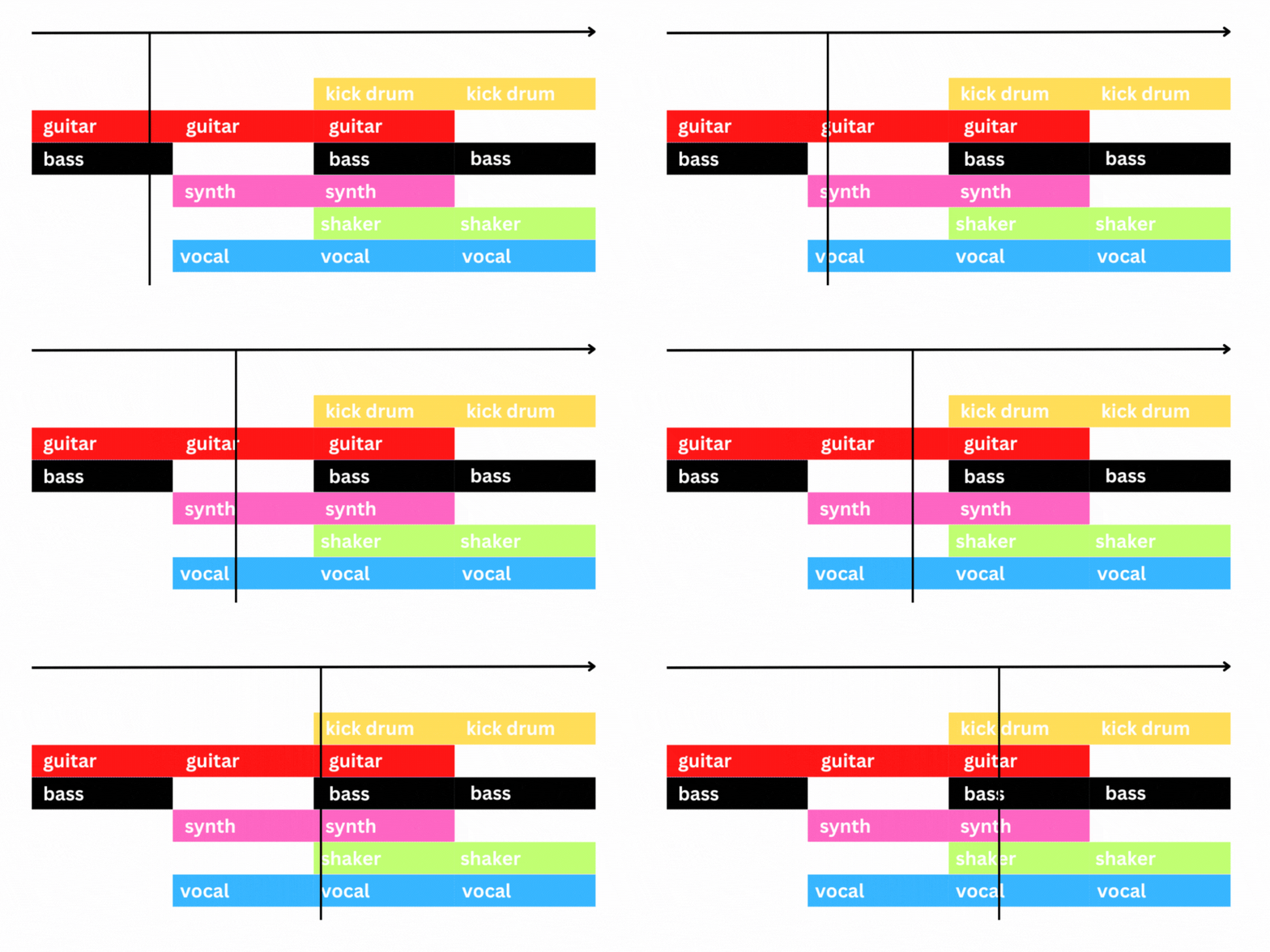
The concept of stems might also expand beyond traditional audio files. As interactive audio experiences become more prevalent in gaming and virtual reality, the idea of “stems” could evolve into more dynamic data formats. Imagine a game soundtrack where the intensity of the music dynamically adjusts based on player actions, not by simply fading elements in and out, but by actively re-composing or re-arranging stem-like components in real-time.
This could involve:
- Granular Control: Stems might become even more granular, with individual instrument tracks or even loopable sections of a stem being the fundamental units of control.
- Metadata-Rich Stems: Future stem formats might incorporate richer metadata, including performance nuances, expressive intentions, or even instructions for AI to generate variations.
- Adaptive Music Systems: This push towards interactive audio will necessitate more sophisticated delivery formats that allow for real-time manipulation and composition, building upon the foundational principles of stem organization.
The ongoing development in AI and interactive audio promises to transform how we perceive and utilize musical components, with stems likely to remain a fundamental concept, albeit in potentially more sophisticated and dynamic forms. The technological landscape is constantly shifting, and the evolution of stems is a clear indicator of how innovation continues to shape the future of music creation, manipulation, and consumption.
aViewFromTheCave is a participant in the Amazon Services LLC Associates Program, an affiliate advertising program designed to provide a means for sites to earn advertising fees by advertising and linking to Amazon.com. Amazon, the Amazon logo, AmazonSupply, and the AmazonSupply logo are trademarks of Amazon.com, Inc. or its affiliates. As an Amazon Associate we earn affiliate commissions from qualifying purchases.