
Sour beers represent a vibrant and complex category within the world of craft brewing, distinguished by their characteristic tartness and often challenging flavor profiles. While many associate beer with sweetness or bitterness, sours deliberately embrace acidity, creating a sensory experience that can range from pleasantly puckering to intensely vinegary. This distinctiveness stems from a unique brewing process that incorporates wild yeasts and bacteria, transforming traditional beer ingredients into something entirely new. Far from being a niche anomaly, sour beers have experienced a significant resurgence in popularity, captivating adventurous palates and demanding a deeper understanding of their origins, production, and diverse manifestations.

The Biological Alchemy of Sour Beer Production
The fundamental difference between a sour beer and its more conventional counterparts lies in the fermentation process. While most beers rely on Saccharomyces cerevisiae or Saccharomyces pastorianus for their primary fermentation, sours often invite a wider microbial cast. This deliberate inclusion of “wild” or “non-traditional” microorganisms is the cornerstone of their characteristic tang.
The Role of Wild Yeasts and Bacteria
At the heart of sour beer production are the symbiotic relationships between various yeasts and bacteria. The most prominent players include:
- Lactic Acid Bacteria (LAB): Primarily Lactobacillus and Pediococcus, these bacteria convert sugars into lactic acid. Lactic acid is the same compound responsible for the sourness in yogurt, cheese, and sourdough bread. Its presence lends a clean, often bright, tartness to the beer. The specific strain and the conditions under which it ferments significantly influence the resulting acidity’s character and intensity.
- Brettanomyces Yeast: Often referred to as “brett,” this wild yeast strain is a crucial component in many traditional sour beers, particularly those of Belgian origin like Lambics and Gueuzes. Unlike Saccharomyces, brett yeast produces a spectrum of complex flavor compounds beyond simple acidity. These can include notes of barnyard, leather, horse blanket, earthy undertones, and a distinct funk. While some may find these aromas challenging initially, they contribute immensely to the depth and longevity of a well-crafted sour. Brettanomyces also contributes to the beer’s aging potential, as it continues to evolve and develop flavor over time.
- Acetic Acid Bacteria: While less commonly desired in large quantities, certain strains of acetic acid bacteria (like Acetobacter) can contribute to vinegar-like notes. In most well-executed sours, their presence is carefully managed or limited to avoid an overwhelmingly vinegary character.
Fermentation Strategies: From Spontaneous to Inoculated
The methods employed to introduce these microorganisms are as varied as the beers themselves, each dictating a unique trajectory for the fermentation and flavor development.
- Spontaneous Fermentation: This is the most traditional and, arguably, the most unpredictable method, famously employed in the Pajottenland region of Belgium for Lambics. Brewers leave their wort (unfermented beer) exposed to the ambient air in large coolships. The hope is that wild yeasts and bacteria naturally present in the brewery environment, the wood of the coolship, and the air itself will inoculate the wort. This process can take months, or even years, to reach completion, and the results are highly dependent on the specific microbial ecosystem of the brewery. Each batch is a unique reflection of its environment and the capricious nature of wild fermentation.
- Inoculated Fermentation (Kettle Souring): A more controlled and predictable approach, kettle souring involves intentionally adding specific strains of lactic acid bacteria to the wort after it has been boiled but before primary fermentation with Saccharomyces begins. The wort is held at a warm temperature (typically 85-110°F / 29-43°C) for 12-72 hours, allowing the LAB to proliferate and produce lactic acid. Once the desired level of acidity is reached, the wort is boiled again to kill the bacteria and then cooled to pitch the primary yeast. This method allows brewers to achieve a predictable sourness much faster and with less risk of undesirable off-flavors.
- Mixed-Culture Fermentation: This approach combines elements of both spontaneous and inoculated methods. Brewers may intentionally pitch specific strains of Lactobacillus or Pediococcus alongside Saccharomyces and Brettanomyces. This offers more control than spontaneous fermentation while still allowing for the complexity that wild yeasts can impart. Aging in wooden barrels, often previously used for wine or spirits, is also a common practice in mixed-culture sour production, as the porous wood can harbor and contribute additional microbial populations and flavor compounds.
The Diverse Spectrum of Sour Beer Styles
The term “sour beer” is a broad umbrella encompassing a fascinating array of styles, each with its own distinct history, flavor profile, and brewing traditions. While the common thread is acidity, the character and intensity of that sourness, along with supporting flavors, create a rich tapestry for exploration.
Belgian-Inspired Sours: A Legacy of Complexity
Belgium is the undisputed historical heartland of sour beer, with traditions stretching back centuries. These beers are renowned for their depth, complexity, and often, their long aging potential.
- Lambic: The foundational sour beer of Belgium, brewed exclusively in the Pajottenland region using spontaneously fermented wort. Traditional Lambics are unblended and aged for at least three years in oak barrels. They are known for their intense sourness, barnyard funk from brettanomyces, and often, a subtle, pleasant earthiness.
- Gueuze: A blend of young (one-year-old) and old (two- or three-year-old) Lambics. The blending process is crucial, as it creates a more balanced and complex profile, with the young Lambic providing fresh acidity and the old Lambic contributing mature funk and depth. Gueuzes are often referred to as the “Champagne of Belgium” due to their effervescence and sophisticated character.
- Flanders Red Ale: A distinctly malty and sour ale from the West Flanders region. It undergoes a long aging period, typically in oak foeders (large wooden vats), and develops a prominent sourness balanced by fruity notes reminiscent of cherries and plums, often with hints of oak and vanilla. The sourness is primarily lactic, but can also have acetic undertones.
- Oud Bruin (Old Brown Ale): Similar to Flanders Red but originating from East Flanders, Oud Bruin is generally less intensely sour and more malty, with notes of caramel, toffee, and dark fruit. It also undergoes a lengthy aging process, which contributes to its complexity and mellows its acidity.
American Wild Ales: Innovation and Experimentation
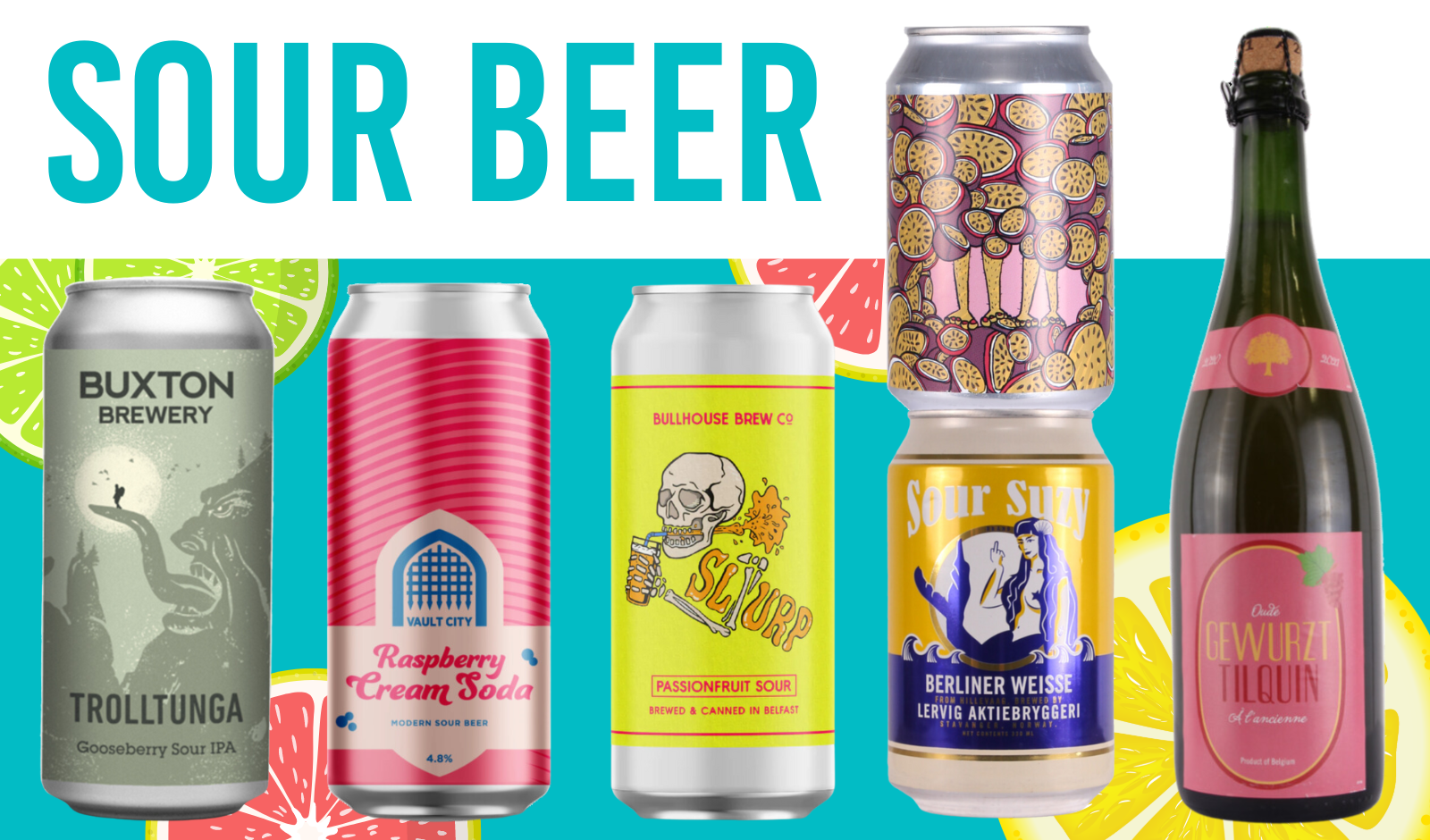
The American craft beer scene has enthusiastically embraced and expanded upon the concept of sour beers, often leading to innovative and boundary-pushing creations. These are frequently referred to as “American Wild Ales” to distinguish them from their traditional Belgian counterparts, though many utilize similar brewing techniques.
- Gose: A tart, lightly salted wheat beer originating from Leipzig, Germany. The sourness comes from lactic acid bacteria, while coriander and sea salt are traditional additions, creating a uniquely refreshing and slightly savory profile. Modern American Gose variations often feature fruit additions.
- Berliner Weisse: Another German style, this is a very pale, highly carbonated, and tart wheat beer. It’s traditionally served with a shot of syrup (woodruff or raspberry) to temper its extreme sourness, a practice that has seen modern interpretations forgo the syrup in favor of more direct fruit integration.
- Fruited Sours: A broad and incredibly popular category, these sours feature significant additions of fruit, either during fermentation or post-fermentation. The fruit can enhance the existing tartness, add sweetness, and introduce a wide spectrum of fruity aromas and flavors, from berries and stone fruits to tropical varieties. This category often overlaps with kettle souring for approachable, fruit-forward tartness.
- Wood-Aged Sours: Many American brewers utilize oak barrels for aging their sour beers, whether they are mimicking Belgian styles or creating entirely new ones. The wood imparts tannins, oak flavors, and can also be a source of microflora, further contributing to the beer’s complexity and aging potential.
The Art of Appreciation: Tasting and Pairing Sour Beers
Appreciating sour beers requires an open mind and a willingness to engage with a different flavor paradigm. The acidity, while potentially challenging, is the key to their unique character and makes them surprisingly versatile in food pairings.
Deconstructing the Sour Flavor Profile
When tasting a sour beer, pay attention to the following elements:
- Acidity Type: Is it a bright, clean lactic sourness, or does it have a more vinegary, acetic bite? Is there a subtle funk from brettanomyces present?
- Intensity: How puckering is the beer? Does the acidity linger, or does it fade quickly?
- Fruity Notes: Many sours exhibit fruit-like characteristics, whether from the malt bill, yeast, or intentional fruit additions. Look for notes of citrus, stone fruit, berries, or tropical fruits.
- Earthy/Funky Undertones: In beers that utilize wild yeasts, notes of barnyard, leather, or damp earth can be present. These are not flaws but rather integral components of the complexity.
- Malt Backbone: Some sours, like Flanders Red and Oud Bruin, have a more pronounced malt character that balances the acidity with notes of caramel, toast, or dark fruit.
- Carbonation: The level of carbonation can significantly impact the perceived acidity. Higher carbonation can amplify the tartness, while lower carbonation can mellow it.
Strategic Food Pairings for Tartness
The acidity in sour beers makes them excellent palate cleansers and surprisingly effective companions to a variety of foods.
- Rich and Fatty Foods: The acidity cuts through the richness of dishes like pork belly, duck confit, or fatty cheeses, providing a refreshing counterpoint and preventing palate fatigue.
- Spicy Foods: A tart Gose or a bright fruited sour can beautifully complement the heat of spicy cuisines like Thai or Mexican food, offering a cooling sensation.
- Salads and Light Appetizers: The brightness of a sour beer can echo the freshness of a salad or the tang of vinaigrette-based appetizers.
- Seafood: Tart beers, particularly those with citrus notes, can pair well with delicate seafood dishes, enhancing their flavors without overpowering them.
- Desserts: While seemingly counterintuitive, certain sours can be fantastic with desserts. A less intensely sour fruit-forward ale can complement berry tarts or fruit crumbles, while a richer Flanders Red can stand up to a dark chocolate cake.
- Cheeses: Sour beers are renowned for their affinity with cheese. Tart, acidic beers pair well with creamy, rich cheeses, while funkier sours can complement aged, complex varieties.
The Future of Sour Beer: Evolution and Accessibility
The journey of sour beers from a traditional, often niche, Belgian beverage to a globally recognized and celebrated category is a testament to the innovation and adventurous spirit of brewers and consumers alike.
Continued Innovation and Accessibility
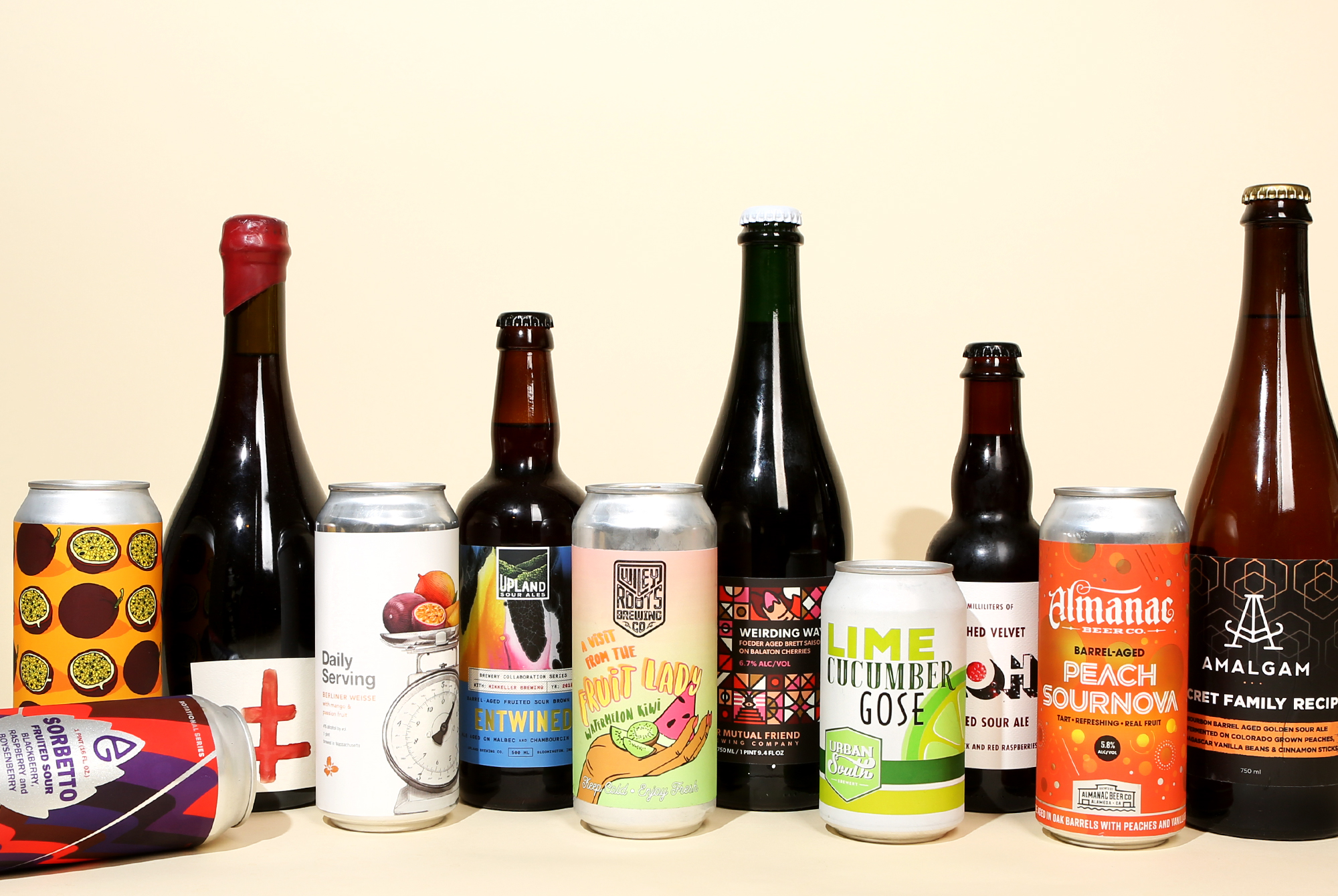
Brewers continue to push the boundaries of sour beer production, experimenting with new fermentation techniques, novel fruit combinations, and innovative aging processes. The rise of kettle souring and fruited sours has made the style more approachable for a wider audience, offering a gateway into the more complex and challenging traditional styles. This increased accessibility, coupled with a growing appreciation for the intricate flavors and aromas, suggests a bright future for sour beers.
The Enduring Appeal of Complexity
Ultimately, the enduring appeal of sour beers lies in their complexity and their ability to surprise and delight. They challenge conventional notions of what beer “should” taste like, offering a diverse and dynamic drinking experience. From the subtle tang of a well-executed Gose to the profound funk of a vintage Lambic, sour beers invite exploration and reward the adventurous palate with a world of nuanced flavors and aromas that continue to evolve. As brewing techniques advance and consumer palates broaden, the sour beer landscape will undoubtedly continue to expand, offering an ever-richer tapestry of tart, complex, and utterly captivating brews.
aViewFromTheCave is a participant in the Amazon Services LLC Associates Program, an affiliate advertising program designed to provide a means for sites to earn advertising fees by advertising and linking to Amazon.com. Amazon, the Amazon logo, AmazonSupply, and the AmazonSupply logo are trademarks of Amazon.com, Inc. or its affiliates. As an Amazon Associate we earn affiliate commissions from qualifying purchases.