
In an era defined by the rapid-fire dissemination of information, the concept of “unbiased news” has become increasingly elusive. The digital revolution has democratized information, but it has simultaneously created echo chambers, algorithmic filter bubbles, and a proliferation of misinformation. For tech enthusiasts, developers, and digital citizens, the challenge is no longer finding information, but filtering it. Technology is both the cause of this fragmentation and its potential cure. By leveraging advanced software, artificial intelligence, and sophisticated data-driven platforms, we can identify news sources that prioritize objective reporting over ideological narratives.

The Role of AI and Machine Learning in Combatting Media Bias
The first step in finding unbiased news is understanding how technology can be used to audit and analyze content. In the past, “neutrality” was a subjective assessment made by media critics. Today, natural language processing (NLP) and machine learning (ML) allow for a more quantitative approach to identifying bias.
Algorithmic Neutrality vs. Curated Bias
Most users consume news through social media feeds or search engines. These platforms use algorithms designed to maximize engagement, which often means showing users content that reinforces their existing beliefs. However, a new generation of news aggregators is using algorithms for the opposite purpose: to highlight diverse perspectives. These “neutrality algorithms” analyze the sentiment, word choice, and framing of a story across hundreds of outlets to determine the “center” of a narrative. By stripping away emotionally charged adjectives and focusing on verifiable data points, these AI tools help identify where a source sits on the political or social spectrum.
Natural Language Processing in Real-Time Fact-Checking
NLP technology has advanced to the point where it can identify “loaded language” in real-time. Sophisticated software can now scan an article and flag phrases that are designed to trigger an emotional response rather than provide factual information. For example, tech-driven platforms can compare a specific news report against a database of verified primary sources—such as legislative transcripts or scientific papers—to provide a “reliability score.” This technical layer of scrutiny provides a buffer between the reader and potential manipulation, making it easier to identify outlets that consistently adhere to factual reporting.
Top Technology Platforms for Objective News Aggregation
While traditional news outlets strive for objectivity, the most effective way to consume unbiased news in the digital age is through platforms that aggregate information from a technical, data-centric perspective. These platforms do not produce news; they provide the infrastructure to analyze it.
Ground News and the Bias Spectrum
One of the most powerful tools in the modern tech stack for news consumption is Ground News. Ground News is a news comparison platform that uses data analytics to show readers the ideological lean of every story. It categorizes outlets into “Left,” “Center,” and “Right,” and provides a “Blindspot” feature that highlights stories being ignored by one side of the political spectrum. This technical approach allows users to see the “meta-data” of news consumption, revealing how different outlets frame the same event. By visualizing the distribution of coverage, Ground News empowers users to find the common denominator of truth.
AllSides: The Data-Driven Approach to Balance
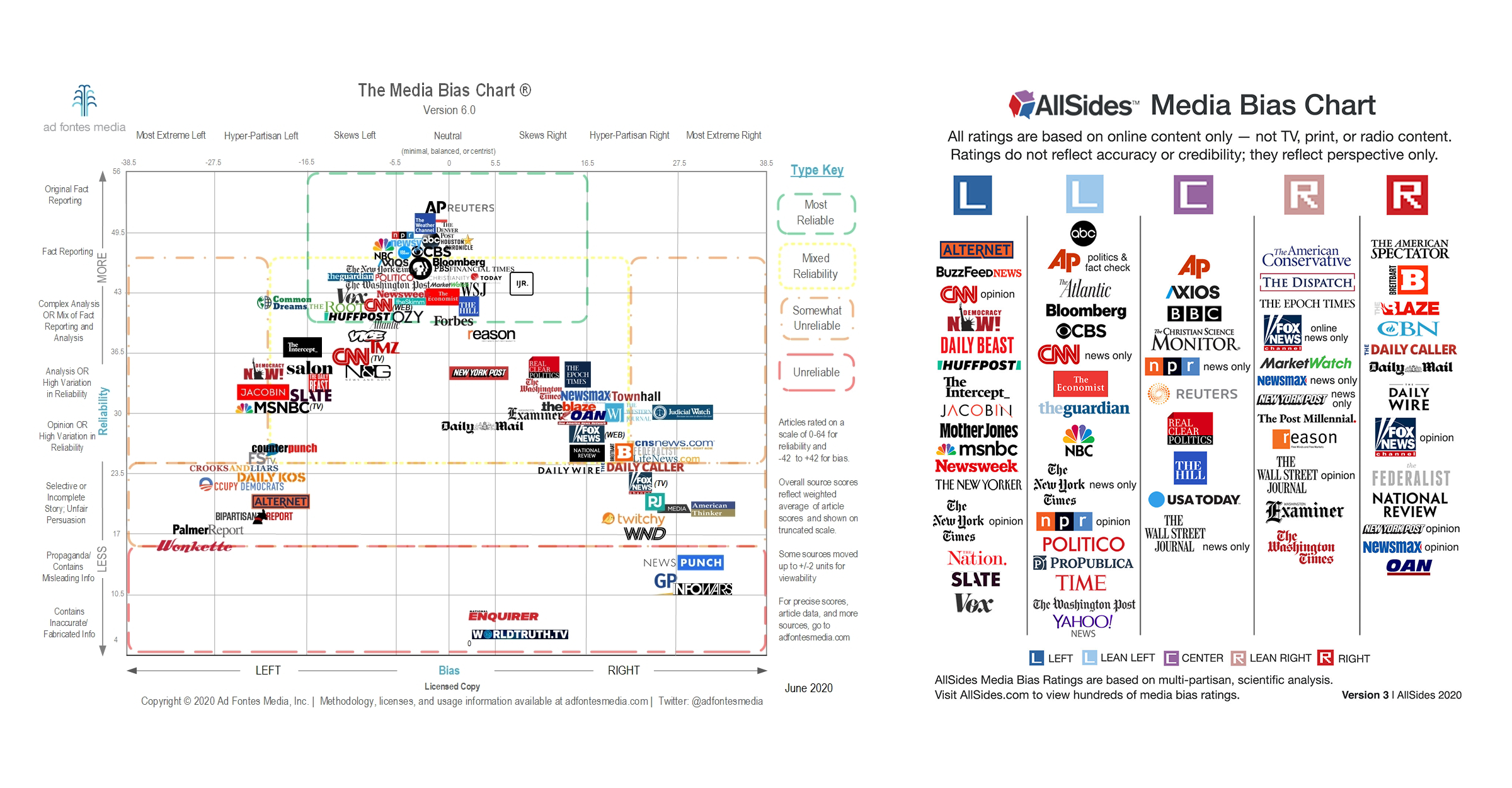
AllSides is another essential digital tool for those seeking objective information. Unlike traditional aggregators, AllSides uses a proprietary “Bias Rating” system that combines editorial reviews, blind bias surveys, and independent research. Their “Balanced Search” and “Headline Roundups” allow users to see three different versions of the same story side-by-side. This technical layout forces the reader to acknowledge the framing used by different sources, effectively training the user’s brain to filter out the noise and focus on the core facts that remain consistent across all reports.
Reuters and the Associated Press: The Infrastructure of Global News
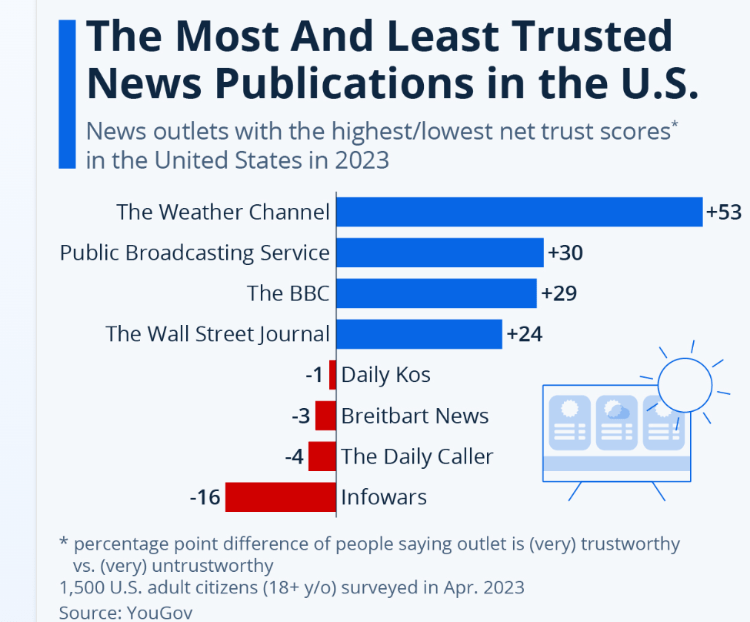
When looking for the raw data of news, one must look at the organizations that provide the technical infrastructure for global reporting: Reuters and the Associated Press (AP). These are “wire services” that sell their reporting to other outlets. Because their business model depends on being a reliable source for thousands of different clients with varying ideologies, their technical standard for “objectivity” is extremely high. Their reports are often minimalist, focusing on the who, what, where, and when without the why that often introduces editorial bias. For a tech-savvy consumer, reading the “wire” directly is the equivalent of looking at the source code of a news story before it has been processed by a specific “user interface” or ideological filter.
Digital Tools for Personal Media Literacy and Verification
Beyond choosing the right platforms, individual users can employ specific software and browser-based tools to ensure the news they consume is unbiased and accurate. In the tech world, we value verification over trust; the same principle should apply to information.
Browser Extensions for Bias Detection
There are several browser extensions, such as “The Factual” or “Ad Fontes Media,” that integrate directly into your web experience. These tools analyze the article you are currently reading and provide an instant “credibility grade.” The Factual, for example, uses an algorithm to grade articles based on four metrics: the quality of the sources cited, the expertise of the author, the historical reliability of the site, and the neutrality of the tone. This provides a data-driven safety net, alerting the user when they have strayed into highly speculative or biased digital territory.
Verifying Synthetic Media and Deepfakes
As we move further into the decade, “unbiased news” will be threatened not just by slanted writing, but by synthetic media. The rise of deepfakes—AI-generated images, audio, and video—means that “seeing is no longer believing.” Tech-literate news consumers must utilize verification tools like InVID or Google’s “About This Image” feature. These tools allow users to perform reverse image searches and metadata analysis to determine the provenance of a piece of media. Identifying the digital fingerprint of a video or photo is now a critical component of determining whether a news source is providing an unbiased account of reality or a manipulated fabrication.
The Future of Decentralized Journalism and Blockchain Provenance
The next frontier in the quest for unbiased news lies in decentralized technology. As trust in centralized media institutions wanes, developers are looking to blockchain and Web3 protocols to create a more transparent information ecosystem.
Eliminating Centralized Gatekeepers
The primary driver of bias in news is often the commercial or political interest of the organization’s owners. Decentralized news platforms aim to solve this by removing the central “gatekeeper.” Using peer-to-peer protocols, news can be published to a decentralized ledger where it cannot be altered or deleted by a corporate entity. This technical architecture ensures that the “historical record” remains intact, preventing the “memory hole” effect common in digital media where articles are edited or removed after the fact to suit a changing narrative.
Tokenized Incentive Models for Accuracy
Blockchain technology also allows for the creation of “prediction markets” and “reputation protocols” for journalists. In these systems, reporters stake tokens on the accuracy of their reporting. If a story is proven false through a decentralized fact-checking process, the reporter loses their stake. Conversely, consistently accurate and unbiased reporting increases their digital reputation score. This shifts the incentive structure of news from “clicks and outrage” to “accuracy and verification,” using the principles of game theory and cryptography to foster a more objective media environment.
Conclusion: The Technical Path to Truth
In the digital age, finding unbiased news is not about finding a single “perfect” source; it is about utilizing the right suite of technological tools to synthesize information from multiple reliable streams. By moving away from passive consumption on social media and toward active, data-driven analysis, we can overcome the inherent biases of the modern media landscape.
Leveraging AI-driven aggregators like Ground News, utilizing browser extensions that grade credibility, and keeping an eye on the emerging world of decentralized journalism allows us to build a “tech stack” for truth. The responsibility for objectivity has shifted from the publisher to the consumer. Through the strategic use of software, algorithms, and digital verification techniques, we can ensure that our understanding of the world is based on data and facts rather than curated narratives and algorithmic manipulation. In the world of technology, data is king—and in the world of news, data is the only reliable path to an unbiased perspective.
aViewFromTheCave is a participant in the Amazon Services LLC Associates Program, an affiliate advertising program designed to provide a means for sites to earn advertising fees by advertising and linking to Amazon.com. Amazon, the Amazon logo, AmazonSupply, and the AmazonSupply logo are trademarks of Amazon.com, Inc. or its affiliates. As an Amazon Associate we earn affiliate commissions from qualifying purchases.