
The global pharmaceutical industry is anchored by several “evergreen” sectors, but few are as consistently profitable or as high-growth as the anti-inflammatory drug market. For the modern investor, understanding “what are some anti-inflammatory drugs” is not merely a question of medical curiosity; it is a gateway into analyzing one of the most resilient segments of the healthcare economy. As chronic diseases rise globally and aging populations in developed nations increase, the demand for inflammation management has turned these medications into cornerstone assets for institutional and retail portfolios alike.
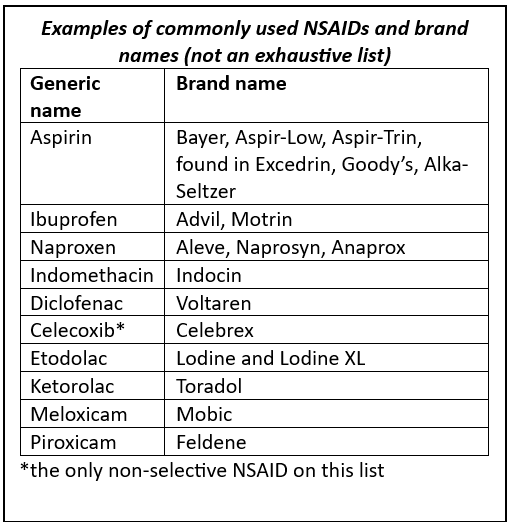
From over-the-counter staples to complex, high-margin biologics, anti-inflammatory drugs represent a diverse asset class. This guide examines the financial landscape of these drugs, the companies that dominate the space, and the investment strategies required to navigate this complex sector.
1. Understanding the Market Landscape: Why Anti-Inflammatory Drugs are Financial Powerhouses
To understand the financial viability of anti-inflammatory medications, one must first categorize them by their market function and revenue potential. The market is generally split between low-cost, high-volume generics and high-cost, specialized biological treatments.
The Classification of NSAIDs and Steroids from a Revenue Perspective
Non-Steroidal Anti-Inflammatory Drugs (NSAIDs), such as Ibuprofen (Advil/Motrin), Naproxen (Aleve), and Aspirin, are the workhorses of the pharmaceutical retail sector. While these drugs are no longer protected by patents, they serve as “cash cows” for consumer health divisions. Their value lies in brand loyalty and massive sales volume. For a company like Bayer or Haleon, these drugs provide steady, predictable cash flow that can be reinvested into higher-risk research and development (R&D).
Corticosteroids, such as Prednisone and Dexamethasone, represent another foundational segment. While inexpensive to produce, their ubiquity in treating everything from asthma to autoimmune flare-ups ensures a permanent place in the global supply chain. For investors, these represent the “defensive” side of a healthcare portfolio—products that will remain in demand regardless of economic downturns.
Biological Response Modifiers: The High-Margin Frontiers
The real excitement for growth-oriented investors lies in “biologics.” Unlike chemically synthesized NSAIDs, biologics are derived from living organisms. Drugs like Adalimumab (Humira), Etanercept (Enbrel), and Infliximab (Remicade) have historically topped the charts of the world’s best-selling drugs. Humira, for instance, generated over $20 billion in annual revenue for AbbVie at its peak. These drugs are used to treat chronic, debilitating conditions like rheumatoid arthritis and Crohn’s disease, commanding premium pricing and offering substantial profit margins.
2. Key Players and Brand Dominance in the Anti-Inflammatory Sector
When asking what the primary anti-inflammatory drugs are from a business perspective, one must look at the corporate titans that hold the intellectual property and distribution networks.
Blue-Chip Leaders: Pfizer, Johnson & Johnson, and AbbVie
Investment in the anti-inflammatory space is often a play on pharmaceutical “blue chips.” AbbVie has long been the leader in this space due to its immunology portfolio. However, as patents expire, companies like Pfizer and Johnson & Johnson (J&J) have diversified their offerings. J&J’s Stelara and Tremfya are prime examples of next-generation anti-inflammatories that are filling the revenue gaps left by older medications. These companies offer investors a combination of dividend stability and exposure to cutting-edge medical breakthroughs.

The Rise of Biosimilars and Their Impact on Profit Margins
A critical financial shift is currently occurring: the “Patent Cliff.” When a blockbuster anti-inflammatory drug like Humira loses patent protection, the market is flooded with biosimilars. Unlike generic versions of simple chemicals, biosimilars are complex and expensive to manufacture, which prevents the price from dropping to near-zero. Companies like Amgen and Samsung Bioepis are leading the charge in the biosimilar market, capturing market share from original innovators while maintaining healthier margins than traditional generic manufacturers.
3. Investment Strategies: Navigating the Pharmaceutical Pipeline
Investing in anti-inflammatory drugs requires more than just looking at current sales; it requires a deep dive into the “pipeline”—the future drugs currently in clinical trials.
Analyzing Clinical Trial Data for Risk Mitigation
The lifecycle of an anti-inflammatory drug begins years before it hits the shelf. For investors, the “Phase II” and “Phase III” trial announcements are the primary catalysts for stock price movement. When a company develops a new “JAK inhibitor” (a class of anti-inflammatory drugs like Xeljanz), the success of clinical trials can lead to billions in projected revenue. Conversely, a failure in Phase III can wipe out years of R&D investment. Diversified investors often look for “platform companies”—those with multiple anti-inflammatory candidates in the pipeline to mitigate the risk of a single trial failure.
Dividend Stocks vs. Growth Bio-Techs in the Inflammation Space
Investors must decide between two distinct paths in this niche:
- The Dividend Path: Investing in established giants like Roche or Novartis. These companies have established anti-inflammatory portfolios and provide consistent dividends, making them ideal for wealth preservation.
- The Growth Path: Investing in small-to-mid-cap biotech firms focusing on “orphan diseases” or specific inflammatory pathways. These stocks are more volatile but offer the potential for exponential gains if they are acquired by a larger firm looking to bolster its immunology portfolio.
4. Emerging Trends and the Future of Financial Growth in Immunology
The question of “what are some anti-inflammatory drugs” is evolving. The future of this market is being shaped by technology and a shift toward precision medicine, which promises new revenue streams for savvy investors.
The Impact of Patent Cliffs on Corporate Valuation
The pharmaceutical industry operates on a timer. Every major anti-inflammatory drug has a “Loss of Exclusivity” (LOE) date. Investors must track these dates religiously. When a drug faces the patent cliff, the parent company’s valuation often dips, providing a potential “buy the dip” opportunity if the company has a strong pipeline of replacement drugs. Understanding the legal landscape of patent extensions and “evergreening” strategies is a core skill for any serious healthcare investor.
Personalized Medicine: The Next Billion-Dollar Revenue Stream
We are moving away from “one-size-fits-all” anti-inflammatories like Ibuprofen toward personalized treatments. The future involves drugs tailored to an individual’s genetic makeup to treat systemic inflammation. This shift is creating a new sub-sector: Companion Diagnostics. Companies that produce the tests to determine which anti-inflammatory drug will work best for a specific patient are becoming integral parts of the value chain. This “precision immunology” market is expected to see significant CAGR (Compound Annual Growth Rate) over the next decade, offering a fresh frontier for capital allocation.

Conclusion: The Financial Vitality of Inflammation Management
In the world of finance, the search for “what are some anti-inflammatory drugs” reveals a robust, multi-faceted industry that powers a significant portion of the global healthcare economy. Whether it is the high-volume reliability of over-the-counter NSAIDs or the high-margin innovation of biological modifiers, the inflammation sector offers a range of opportunities for every type of investor.
As we look toward the future, the convergence of aging demographics and technological breakthroughs in drug delivery ensures that anti-inflammatory medications will remain a cornerstone of the pharmaceutical market. For the investor, the key to success lies in balancing the stability of blue-chip “cash cows” with the high-growth potential of biotech innovators. By staying informed on patent lifecycles, clinical trial progress, and the shift toward personalized medicine, one can turn a basic understanding of medicine into a sophisticated strategy for long-term financial growth.
aViewFromTheCave is a participant in the Amazon Services LLC Associates Program, an affiliate advertising program designed to provide a means for sites to earn advertising fees by advertising and linking to Amazon.com. Amazon, the Amazon logo, AmazonSupply, and the AmazonSupply logo are trademarks of Amazon.com, Inc. or its affiliates. As an Amazon Associate we earn affiliate commissions from qualifying purchases.