
Wind, an omnipresent natural force, is far more than just a fleeting breeze; it represents a fundamental resource with profound advantages that are increasingly being leveraged through sophisticated technological innovation. From ancient mariners harnessing its power for global exploration to modern engineers designing colossal turbines that feed entire nations, the utility of wind has evolved dramatically. In an era acutely focused on sustainability, energy independence, and technological advancement, understanding the multifaceted advantages of wind, particularly through a technological lens, is paramount. This article delves into the core benefits of wind, exploring how technological breakthroughs unlock its potential and shape our future.
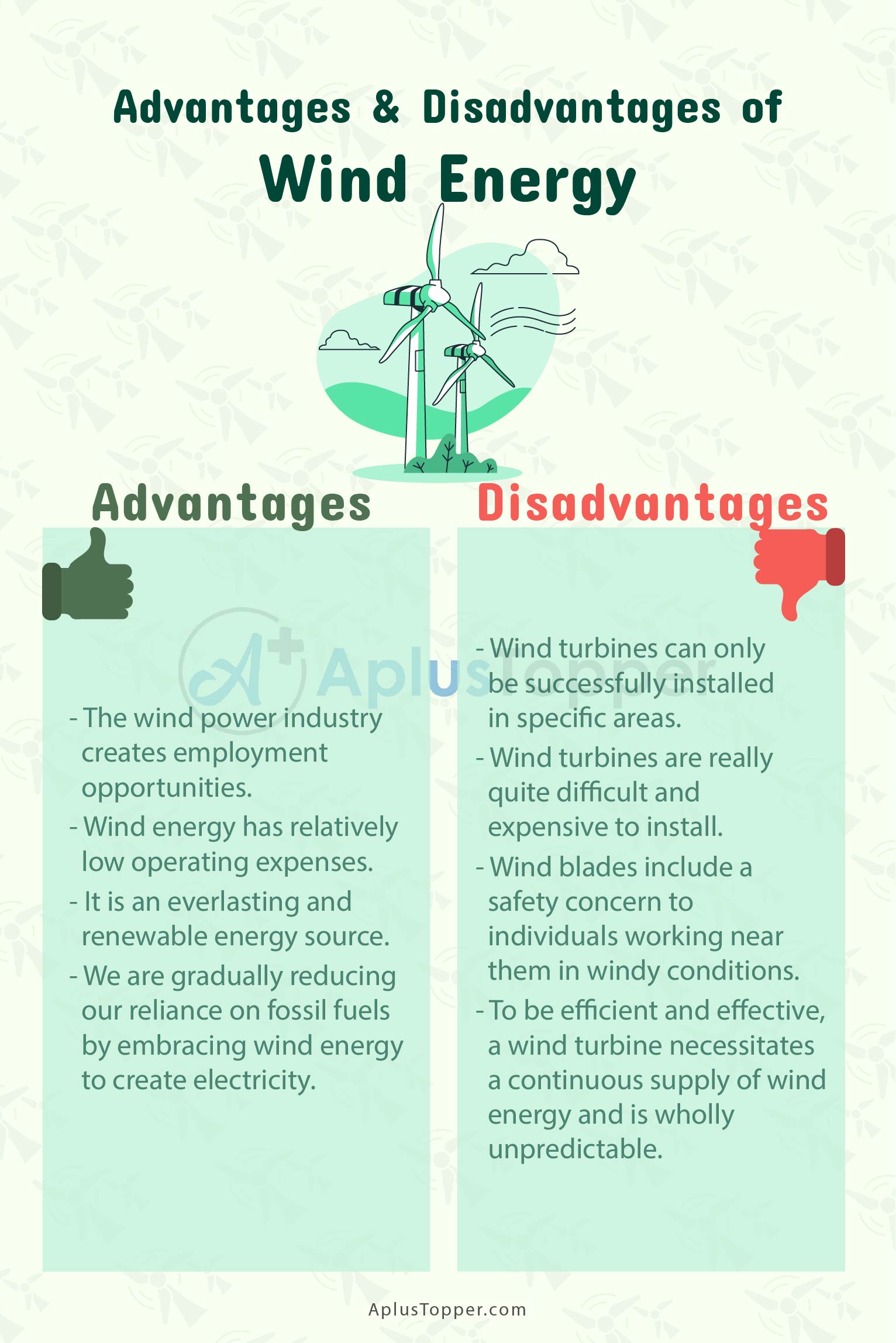
Wind as a Cornerstone of Sustainable Energy Technology
The most prominent advantage of wind in the 21st century lies in its pivotal role as a sustainable energy source. Unlike fossil fuels, which are finite and carry significant environmental baggage, wind offers a clean, inexhaustible alternative, positioning it at the forefront of the global energy transition.
Renewable and Abundant Source
At its core, wind is a perpetually regenerating resource. Driven by solar radiation unevenly heating the Earth’s surface and the planet’s rotation, air masses are in constant motion, creating an endless supply of kinetic energy. Modern wind technology, primarily through advanced wind turbines, effectively captures this kinetic energy and converts it into electricity. This inexhaustible nature stands in stark contrast to conventional energy sources like coal, oil, and natural gas, which are finite, require extensive extraction processes, and are subject to depletion and price volatility. The sheer abundance of wind, particularly in coastal areas, high altitudes, and vast plains, means that with the right technological infrastructure, it can provide a reliable and long-term energy solution for a significant portion of global demand, without fear of running out.
Reducing Carbon Footprint and Air Pollution
Perhaps one of the most critical advantages of wind from an environmental perspective is its virtually zero operational emissions. Once a wind turbine is manufactured and installed, it generates electricity without burning fuel, thus producing no greenhouse gases—carbon dioxide, methane, or nitrous oxide—which are primary contributors to climate change. This directly translates to a reduced carbon footprint for energy production. Furthermore, wind power generation does not release harmful air pollutants such as sulfur dioxide, nitrogen oxides, and particulate matter, which are associated with serious public health issues like respiratory diseases, heart conditions, and smog. By displacing fossil fuel-based generation, wind technology plays a crucial role in improving air quality, protecting ecosystems, and mitigating the adverse health impacts linked to conventional power plants, representing a clean energy dividend that benefits all life on Earth.
Driving Energy Independence and Security
Reliance on imported fossil fuels often creates geopolitical vulnerabilities and economic instability. Nations dependent on foreign oil and gas are susceptible to supply chain disruptions, price spikes influenced by international conflicts, and the political leverage of energy-exporting countries. Wind technology offers a powerful antidote to this predicament by fostering energy independence. By harnessing domestic wind resources, countries can reduce their reliance on external energy suppliers, thereby enhancing their national security and economic stability. Localized wind farms contribute to a more diversified energy portfolio, making national grids more resilient against global market fluctuations and disruptions. This localized production also keeps energy dollars circulating within the national economy, supporting domestic industries and creating jobs, further cementing the strategic advantage of wind power in the context of global energy policy.
Technological Advancements Enhancing Wind Power Efficiency
The journey from simple windmills to sophisticated wind farms is a testament to relentless technological innovation. Each generation of wind turbine technology brings greater efficiency, reliability, and cost-effectiveness, pushing the boundaries of what’s possible in renewable energy.
Evolution of Turbine Design and Materials
The modern wind turbine is a marvel of engineering, far removed from its rudimentary ancestors. Significant advancements have been made in aerodynamic design, with rotor blades now meticulously sculpted to maximize energy capture even at lower wind speeds. Materials science has played a crucial role, with lightweight, incredibly strong composites (such as fiberglass and carbon fiber reinforced polymers) enabling the construction of longer blades and taller towers. Taller towers allow turbines to access stronger, more consistent winds at higher altitudes, while longer blades sweep a greater area, capturing more energy. Furthermore, sophisticated gearboxes and direct-drive generators have improved efficiency and reduced maintenance requirements. These design and material innovations are constantly evolving, leading to turbines that are not only more powerful but also more durable, quieter, and aesthetically integrated into their environments.
Offshore Wind Technology Innovations
While onshore wind has seen substantial growth, the true frontier of wind technology lies offshore. Offshore wind farms benefit from stronger, more consistent winds unhindered by landmasses or urban structures. However, building and maintaining structures in challenging marine environments present unique technological hurdles. Innovations in offshore wind technology include specialized foundations (e.g., monopiles, jackets, tripods, gravity-based structures), advanced installation vessels capable of operating in deep waters, and robust components designed to withstand harsh saltwater conditions. A significant leap forward is the development of floating offshore wind platforms, which can be moored in waters too deep for traditional fixed-bottom foundations. This technology unlocks vast wind resources in deep-water regions globally, opening up new horizons for energy generation and drastically expanding the potential geographic reach of wind power.
Integration with Smart Grids and Energy Storage
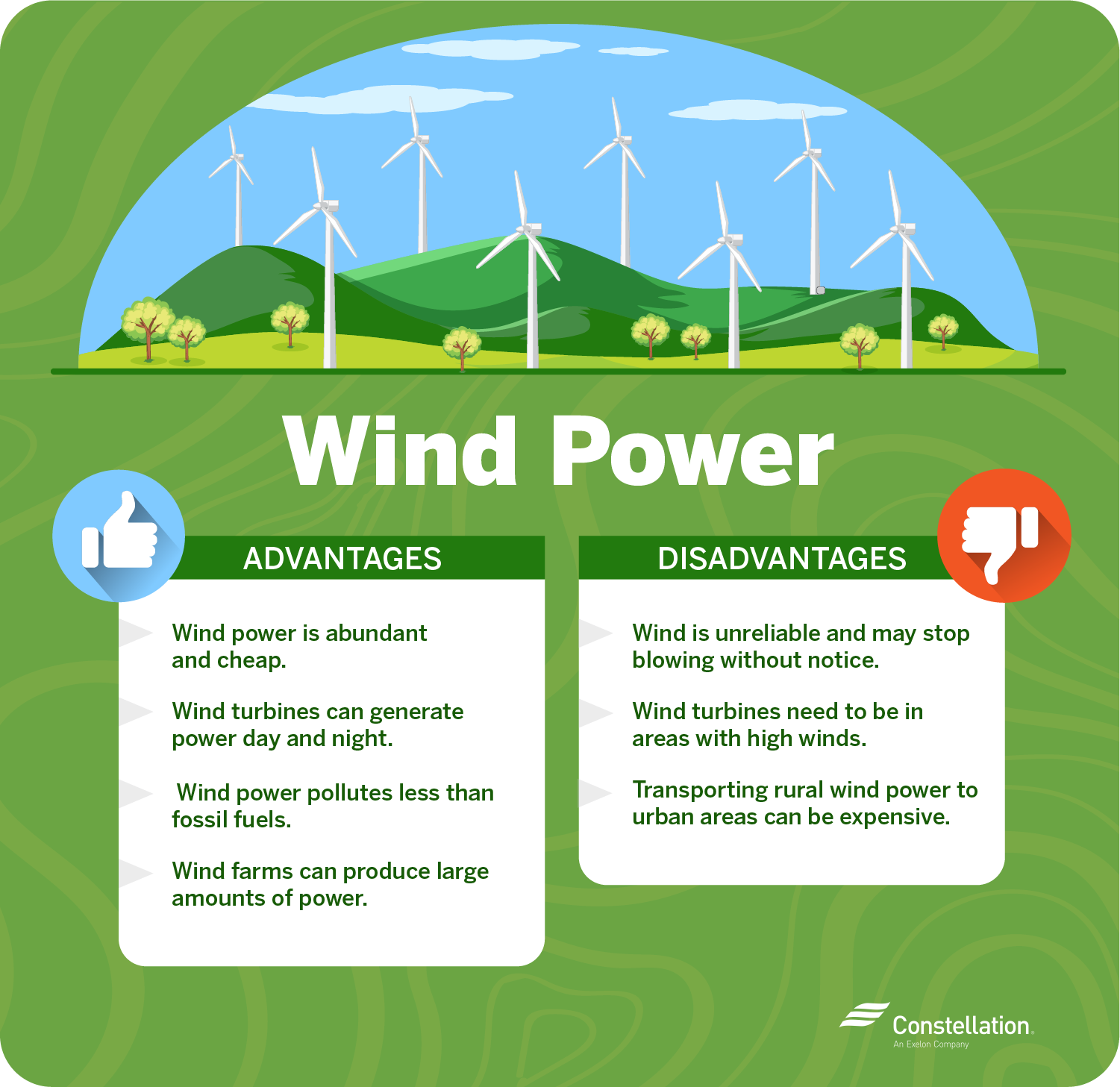
The intermittent nature of wind—it only generates power when the wind blows—has historically been cited as a challenge. However, technological advancements in grid integration and energy storage are increasingly mitigating this issue. Smart grid technologies utilize advanced sensors, digital communication, and control systems to optimize the flow of electricity, balancing supply from various renewable sources with demand. This allows grid operators to better predict wind patterns and manage the variable output from wind farms. Concurrently, breakthroughs in energy storage solutions, particularly large-scale battery systems (like lithium-ion and flow batteries), pumped-hydro storage, and even hydrogen production (power-to-gas), enable surplus wind energy to be stored when generation exceeds demand and released when needed. This seamless integration transforms wind power from a variable source into a reliable, dispatchable component of the energy mix, making grids more resilient, efficient, and capable of handling higher penetrations of renewable energy.
Economic and Social Technological Benefits of Wind Energy
Beyond environmental and technical efficiencies, the adoption of wind technology brings substantial economic and social advantages, fostering growth and stability within communities and national economies.
Job Creation in Green Technology Sectors
The burgeoning wind energy industry is a significant engine for job creation across a diverse range of skilled professions. From research and development of new turbine designs to manufacturing components, project management, construction, installation, operation, and maintenance of wind farms, the sector creates high-quality jobs. These roles span engineering, metallurgy, composites manufacturing, electrical trades, logistics, environmental consulting, and data analytics. As the global transition to renewable energy accelerates, the demand for these specialized skills will only grow, offering long-term career opportunities and stimulating local economies through direct and indirect employment. This shift represents a broader reorientation of the labor market towards green technologies, fostering a skilled workforce prepared for the future.
Regional Economic Development Through Infrastructure Projects
The development of wind energy projects often involves substantial capital investment in rural and coastal areas, leading to significant regional economic development. These projects necessitate the construction of new infrastructure, including access roads, transmission lines, and port facilities for offshore wind, creating demand for local businesses and contractors. Land lease payments to farmers and landowners provide a stable, long-term revenue stream, diversifying their income beyond agriculture. Additionally, local taxes generated by wind farms contribute to public services such as schools, hospitals, and infrastructure improvements, directly benefiting community residents. The scale of these projects can revitalize local economies, attracting further investment and stimulating ancillary businesses, thereby transforming economically depressed regions into hubs of clean energy production.
Cost Reduction and Price Stability in Energy Markets
Initially, wind power required significant subsidies to compete with established fossil fuel technologies. However, thanks to technological advancements, economies of scale, and improved manufacturing processes, the cost of wind energy has plummeted dramatically over the past decade. It is now one of the most competitive forms of new electricity generation globally, often cheaper than new coal or gas plants. This cost reduction translates to lower electricity bills for consumers and businesses, providing a powerful economic advantage. Furthermore, because wind requires no fuel, its operational costs are insulated from volatile international fossil fuel markets. This insensitivity to fuel price fluctuations offers greater price stability for electricity, providing predictability for businesses and consumers and shielding economies from the sharp price increases that characterize traditional energy sources.
The Future of Wind Technology: Pushing Boundaries
The trajectory of wind technology is one of continuous innovation, with researchers and engineers constantly exploring new frontiers to enhance its capabilities and expand its reach. The future promises even more sophisticated and integrated wind solutions.
Advanced Analytics and AI for Predictive Maintenance
The future of wind energy management lies heavily in data science and artificial intelligence. Modern wind turbines are equipped with thousands of sensors that collect vast amounts of operational data. Advanced analytics and AI algorithms can process this data to predict potential component failures before they occur, enabling proactive, predictive maintenance rather than reactive repairs. This approach significantly reduces downtime, optimizes maintenance schedules, extends the lifespan of turbines, and lowers operational costs. Furthermore, AI can optimize turbine performance in real-time by adjusting blade pitch and yaw based on immediate wind conditions, maximizing energy capture and efficiency. This intelligent management of wind assets ensures higher reliability and a more efficient return on investment.
Floating Wind Turbines and Deep-Water Opportunities
As discussed earlier, floating offshore wind technology is poised for a major expansion. Currently, most offshore wind farms are fixed to the seabed in relatively shallow waters. However, the vast majority of the world’s strong offshore wind resources are located in deeper waters, beyond the practical limits of fixed-bottom foundations. Floating platforms, tethered to the seabed with mooring lines, unlock these previously inaccessible deep-water sites. This technology is still in its nascent stages but holds immense promise for countries with extensive coastlines and deep waters, such as Japan, the US West Coast, and Norway. As manufacturing processes scale and costs decrease, floating wind farms could dramatically increase the global capacity for wind energy production, opening up entirely new markets and energy security pathways.
Hybrid Renewable Energy Systems
The future of renewable energy is likely to be characterized by integrated, hybrid systems. Pairing wind power with other renewable sources, such as solar PV, and linking them with advanced battery storage or hydrogen production, offers a robust and resilient energy solution. For instance, wind often generates more power during the night or in winter, complementing solar’s daytime and summer peak production. Hybrid systems optimize land use, share grid connection infrastructure, and provide a more consistent and reliable power supply than single-source systems. This convergence of technologies ensures that the combined output is more stable and predictable, maximizing the efficiency of renewable resources and accelerating the transition to a fully decarbonized energy grid.
In conclusion, the advantages of wind are numerous and profound, extending from its inherent renewability and environmental cleanliness to its capacity to drive economic growth and enhance energy security. These benefits are not static; they are continually amplified and refined through relentless technological innovation. As we look towards a sustainable future, wind technology stands as an indispensable pillar, embodying the ingenuity and determination required to harness nature’s power for the betterment of humanity and the planet.
aViewFromTheCave is a participant in the Amazon Services LLC Associates Program, an affiliate advertising program designed to provide a means for sites to earn advertising fees by advertising and linking to Amazon.com. Amazon, the Amazon logo, AmazonSupply, and the AmazonSupply logo are trademarks of Amazon.com, Inc. or its affiliates. As an Amazon Associate we earn affiliate commissions from qualifying purchases.