
The pursuit of understanding Mars, our enigmatic planetary neighbor, hinges on a myriad of scientific and technological innovations. Among the foundational concepts crucial to every Martian mission, from the pioneering Sojourner to the ambitious Perseverance, is the “sol.” Far more than just a calendar quirk, a sol represents the very rhythm of life, or rather, the rhythm of operation, for the sophisticated technology we send to the Red Planet. In the realm of space technology, understanding and adapting to the Martian sol is not merely an academic exercise; it’s a critical engineering challenge, a cornerstone of mission planning, and a testament to human ingenuity in designing autonomous systems for an extraterrestrial environment.
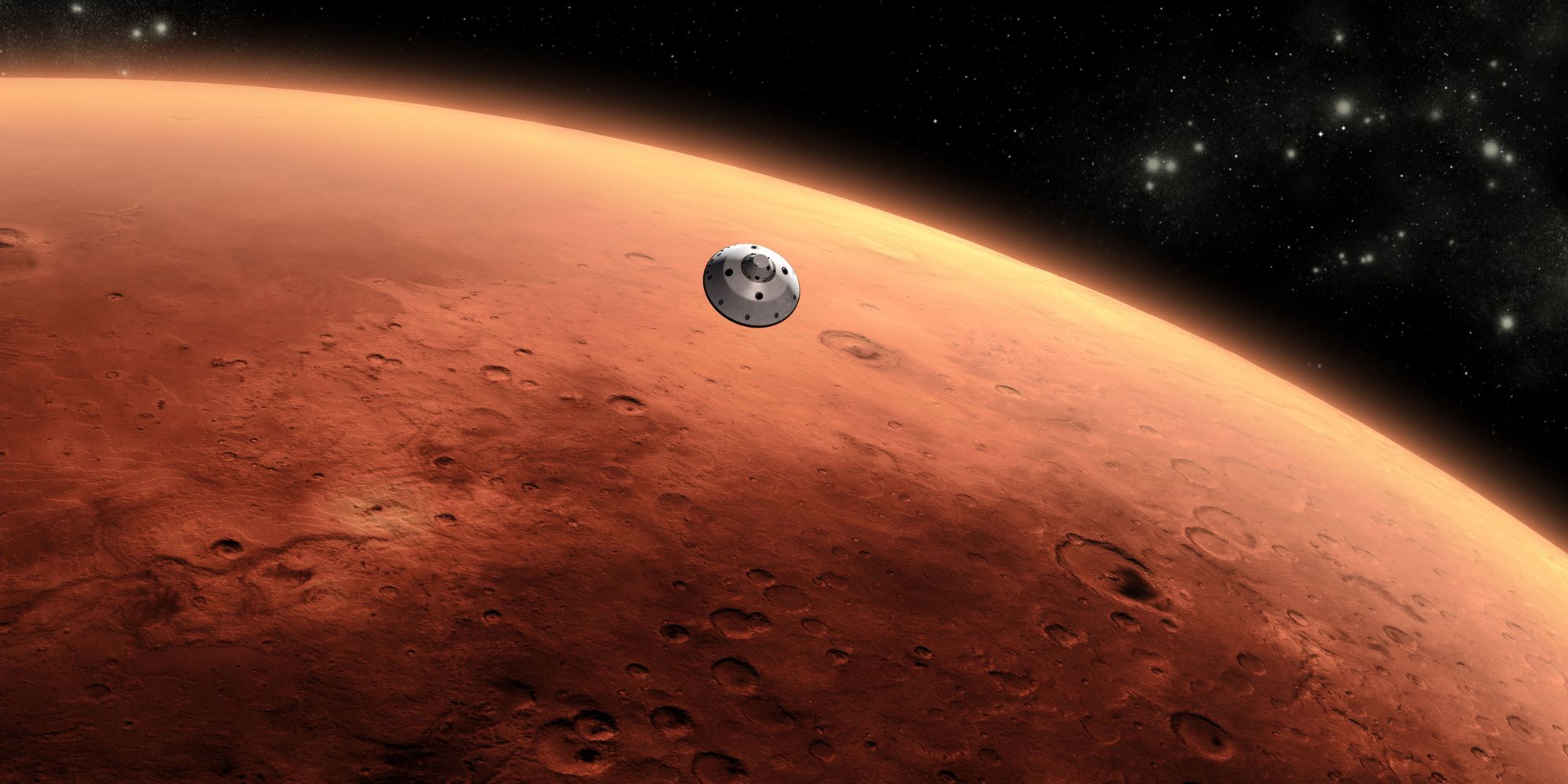
The Fundamental Unit of Time for Martian Missions
To grasp the intricacies of Martian exploration, one must first understand its unique temporal beat. The concept of a “sol” emerged from the practical necessity of accurately tracking time for robotic missions operating on Mars, diverging from Earth’s familiar 24-hour cycle.
Defining a Sol: More Than Just a Day
A sol is simply a solar day on Mars. While intrinsically linked to the planet’s rotation, it’s not identical to an Earth day. Specifically, one Martian sol lasts approximately 24 hours, 39 minutes, and 35.244 seconds of Earth time. This seemingly small difference accumulates significantly over weeks and months, making it impossible to operate Martian missions using an Earth-based clock without constant, disorienting adjustments. For this reason, mission controllers, scientists, and engineers adopted the sol as the primary unit of time, simplifying scheduling and operational planning for our robotic emissaries. Each mission begins counting sols from its landing date, creating a localized Martian timeline that dictates every action.
The Earth-Mars Time Discrepancy: Why Sols Matter
The slight but persistent discrepancy between Earth and Martian days poses a fundamental challenge for mission design and ground control operations. If a rover were to operate on Earth time, its daily schedule would drift by roughly 40 minutes each day relative to the Martian sun. This drift would quickly lead to scheduling chaos, as crucial activities like solar panel charging, sample collection, and data transmission are heavily dependent on specific lighting conditions and energy availability.
Imagine a scenario where a rover team on Earth works a standard 9-to-5 shift. If they followed Earth time for a Mars mission, their “day” on Mars would start 40 minutes earlier each subsequent Earth day. Within a few weeks, their work schedule would have shifted by several hours, potentially forcing them to work through the night just to synchronize with the Martian daylight. This logistical nightmare underscores why the adoption of the sol was not just convenient, but essential. It allows for a stable, predictable operational rhythm that aligns with Martian environmental cycles, critical for optimizing the performance and longevity of sophisticated robotic systems.
Historical Context: The Necessity of a Martian Calendar
The concept of a “sol” gained prominence and formal adoption with the advent of NASA’s Mars Pathfinder mission in 1997, which deployed the first Mars rover, Sojourner. Before this, landers like Viking 1 and 2 had also contended with the Martian day, but the operational complexity introduced by a mobile rover truly solidified the need for a dedicated Martian timescale. Scientists and engineers recognized that a consistent, planet-specific time unit was vital for coordinating complex sequences of events, managing power resources, and tracking long-term scientific experiments. This led to the development of sophisticated software and operational protocols that allowed ground teams to “live on Mars time,” albeit in shifts, ensuring that they could effectively command and monitor the rovers during their active Martian daylight hours. This historical precedent firmly established the sol as an indispensable tool in the lexicon of interplanetary exploration.
Technological Operations and the Martian Sol
The Martian sol is not just a theoretical concept; it’s the very backbone upon which all technological operations on Mars are built. From the power systems that energize our rovers to the AI that assists in decision-making, every component must be designed and programmed with the sol in mind.
Rover Schedules and Daily Operations: A Sol-Based Approach
Modern Mars rovers, such as Curiosity and Perseverance, are essentially mobile robotic laboratories, each equipped with an array of scientific instruments, cameras, and communication systems. Their daily activities are meticulously planned and executed on a sol-by-sol basis. Each sol begins with a wake-up sequence, followed by diagnostic checks, instrument calibration, and then the execution of pre-programmed commands. These commands are often uplinked from Earth the previous Martian night, outlining a precise sequence of movements, observations, and data collection tasks tailored to the expected conditions of the upcoming Martian day. The software architecture governing these operations is incredibly robust, allowing for autonomous execution throughout the sol, even with the significant communication delays between Earth and Mars. This sol-based scheduling ensures optimal use of daylight for scientific activities and movement, maximizing the mission’s output while managing energy consumption.
Power Management and Solar Energy Cycles
For solar-powered assets like the Spirit and Opportunity rovers, and even for RTG-powered rovers like Curiosity and Perseverance which still leverage solar energy for auxiliary systems, the Martian sol is intrinsically linked to power management. The duration of daylight dictates the solar panels’ ability to generate electricity, recharging batteries for night-time operations and powering daytime instruments. Engineers meticulously plan activities to coincide with peak solar illumination, scheduling energy-intensive tasks, such as driving or drilling, during the brightest part of the sol. As the sol transitions into night, temperatures plummet, requiring onboard heaters to protect sensitive electronics from extreme cold. This entire energy cycle, from solar charging to thermal management, is directly timed by the sol, making it a critical factor in the hardware design and operational software for power systems.
Data Transmission Windows and Communication Protocols
Communicating with Mars requires precise timing due to the vast interplanetary distances and the planetary alignment of Earth and Mars. Data transmission windows are often scheduled around specific times of the Martian sol when the rover has line-of-sight with an orbiting relay satellite (like the Mars Reconnaissance Orbiter) or directly with Earth. These communication sessions are short and precious, demanding highly efficient data compression algorithms and robust error correction protocols. The data collected throughout the Martian day — including scientific observations, telemetry, and images — is stored onboard and then transmitted during these predefined windows. The software that manages this data pipeline, from collection to storage and transmission, is meticulously synchronized with the Martian sol, ensuring that valuable information is relayed back to Earth without loss, enabling scientists to plan the next sol’s activities.
Automation and AI in Sol-Driven Planning
With the increasing complexity and autonomy of Martian missions, artificial intelligence (AI) and advanced automation play a vital role in sol-driven planning. Rovers like Perseverance incorporate enhanced autonomy features that allow them to make more independent decisions about navigation, hazard avoidance, and even selecting scientific targets within the framework of a sol’s objectives. AI algorithms help optimize routes, prioritize data collection, and manage power consumption more efficiently than ever before. This level of automation reduces the need for constant, real-time commands from Earth, allowing rovers to be more productive during their limited operational windows each sol. Future missions envision even greater AI integration, with systems capable of adapting to unexpected conditions and maximizing scientific returns across multiple sols without extensive human intervention.
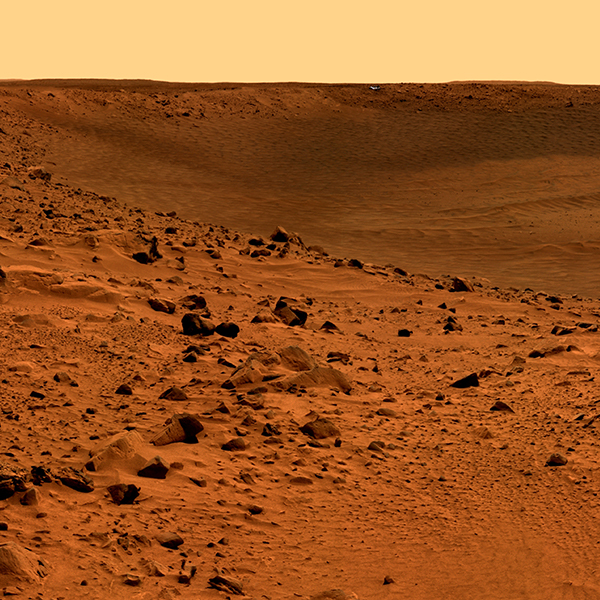
Engineering Challenges and Solutions on a Martian Timetable
Operating complex machinery on Mars introduces a unique set of engineering challenges, all magnified by the constraints of the Martian sol. Designing technology that can withstand these conditions requires innovative solutions.
Adapting Terrestrial Technology to Martian Rhythms
Earth-based technology is typically designed for Earth’s environment and 24-hour cycle. Transporting and adapting this technology to Mars, where a sol is longer and conditions are harsher, demands significant engineering foresight. Everything from electronic components to mechanical actuators must be robust enough to endure extreme temperature fluctuations, high radiation levels, and the subtle differences in gravity over a prolonged period defined by sols. Engineers must account for material fatigue over thousands of Martian days, ensuring that components can function reliably for years beyond their initial warranty. This adaptation involves rigorous testing in simulated Martian environments, ensuring that the technology is not only functional but resilient to the Red Planet’s unique rhythm.
Thermal Management During the Martian Night
The extended Martian night, lasting nearly 12 hours of Earth time, presents a significant thermal management challenge. Temperatures on Mars can plunge to -100°C (-148°F) or even lower, threatening to freeze sensitive electronics and instruments. To combat this, rovers are equipped with sophisticated thermal control systems, including radioisotope heater units (RHUs), electrical heaters, and multi-layer insulation. These systems consume precious power, especially during the long Martian night. Engineers must carefully balance the need for warmth with energy conservation, scheduling heating cycles and power-down states to align with the sol’s progression from day to night. This precise management ensures the integrity of the hardware, allowing the rover to “wake up” safely each new sol.
Software Development for Autonomous Sol-Based Operations
The software running on Mars rovers is arguably one of the most critical pieces of technology enabling sol-based operations. It must be robust, fault-tolerant, and capable of executing complex command sequences autonomously. Given the communication delays, software engineers must program in contingencies and decision-making capabilities that allow the rover to adapt to unforeseen circumstances (e.g., unexpected obstacles, instrument malfunctions) without immediate human input. This involves developing sophisticated command sequencing tools, error handling protocols, and health monitoring systems that operate within the sol’s timeframe. Updates and patches can take sols to transmit and install, making initial software deployment and long-term maintenance an intricate dance with the Martian clock.
Human-in-the-Loop: Managing Earth-Bound Teams on Martian Time
While rovers operate autonomously, human teams on Earth remain “in the loop.” These teams, consisting of scientists, engineers, and mission planners, often adopt a modified work schedule to synchronize with the Martian sol. This can involve shifting work hours by 40 minutes each Earth day, a practice known as “Mars Time.” This “living on Mars time” is a significant human engineering challenge, requiring dedication and flexibility from team members. Specialized software tools are developed to aid in this synchronization, providing Earth-based teams with real-time visualizations of Martian conditions, rover status, and upcoming sol schedules, effectively bridging the temporal gap between two planets.
The Future of Martian Sols: Human Exploration and Beyond
As humanity sets its sights on eventually sending humans to Mars, the concept of the sol will evolve from merely dictating robotic operations to shaping human daily life and planetary infrastructure.
Designing Habitats and Life Support for Sols
For human missions, habitats and life support systems must be meticulously designed to account for the longer Martian sol. This impacts everything from psychological well-being to energy generation. Lighting systems within habitats will need to mimic the natural Martian day-night cycle to regulate astronaut circadian rhythms. Power systems, especially those relying on solar energy, will need to generate and store enough energy to sustain operations through the extended Martian night. Water recycling, air purification, and food production systems will also need to be optimized for a sol-based operational rhythm, ensuring sustainability and resource efficiency.
Human-Machine Interfaces for Sol-Synchronized Crews
Future Mars crews will operate advanced technology, and their human-machine interfaces must be intuitive and synchronized with the Martian sol. Control panels, diagnostic tools, and communication systems will display time in sols, rather than Earth days, requiring astronauts to natively think and plan in Martian time. Augmented reality and virtual reality tools could help astronauts visualize sol-based schedules and coordinate tasks with robotic assets. The design of these interfaces will be crucial for minimizing cognitive load and maximizing operational efficiency for crews living and working on the Red Planet.
Long-Term Mission Planning and Sustainability
Long-term human presence on Mars, potentially spanning thousands of sols, demands unprecedented levels of sustainability and resilience from our technology. Infrastructure for power generation, resource extraction, manufacturing, and waste management will all be engineered to function seamlessly across countless Martian days. Predictive maintenance software, AI-driven resource allocation, and autonomous repair systems will become essential for ensuring continuous operations over extended periods, minimizing human intervention and maximizing the lifespan of critical systems. The very concept of “uptime” will be measured in sols.
The Role of Sols in Interplanetary Travel Standards
As we venture further into the solar system, standardized timekeeping across different celestial bodies will become increasingly important. The success of the “sol” for Mars missions may pave the way for similar planet-specific time units for missions to the Moon, Venus, or other destinations. Establishing such interplanetary time standards, supported by robust synchronization technology, will be crucial for coordinating multi-planetary missions, establishing communication networks, and ensuring the smooth operation of future space exploration endeavors.

Conclusion: Sols as a Cornerstone of Martian Tech Advancement
The unassuming “sol” is far more than just a unit of time; it is a fundamental principle that has profoundly shaped the technology and operational strategies of every successful mission to Mars. From the design of power systems and the development of sophisticated autonomous software to the coordination of Earth-bound mission control, the Martian day dictates the rhythm of our exploration. As we push the boundaries of robotic and human presence on the Red Planet, the sol will continue to be a critical factor, driving innovation in technological adaptation, system resilience, and human-machine interaction. Understanding what a sol is, therefore, is not just understanding a scientific curiosity, but appreciating the foundational technical challenge that enables humanity’s persistent quest to unlock the secrets of Mars.
aViewFromTheCave is a participant in the Amazon Services LLC Associates Program, an affiliate advertising program designed to provide a means for sites to earn advertising fees by advertising and linking to Amazon.com. Amazon, the Amazon logo, AmazonSupply, and the AmazonSupply logo are trademarks of Amazon.com, Inc. or its affiliates. As an Amazon Associate we earn affiliate commissions from qualifying purchases.