
In the contemporary marketplace, a brand is no longer just a logo, a product, or a tagline. It is a living entity that exists within the complex web of human relationships, cultural expectations, and social structures. To build a brand that resonates on a global scale, one must look beyond traditional marketing metrics and delve into the world of sociology. Sociological concepts—the fundamental building blocks used to understand how societies function and how individuals interact within them—have become the secret weapons of the world’s most successful brand strategists.

By applying sociological concepts to brand strategy, companies can move from being mere vendors to becoming cultural icons. This article explores how understanding the social fabric, symbolic interactionism, and collective identity can transform a corporate identity into a powerful social force.
Understanding the Social Fabric: Why Branding is Applied Sociology
At its core, branding is the study of people in groups. While psychology focuses on the individual mind, sociology focuses on the collective. For a brand to achieve “market resonance,” it must understand the social fabric of its target audience—the invisible threads of values, beliefs, and norms that bind a community together.
From Consumer to Community
The traditional marketing model views the individual as a “consumer”—a solitary actor making rational purchasing decisions. Sociology challenges this by viewing the individual as a “social actor.” People do not buy products in a vacuum; they buy them to signal belonging, to perform a role, or to adhere to the norms of their social circle. When a brand shifts its focus from “selling to a consumer” to “nurturing a community,” it taps into the sociological need for affiliation. Brands like CrossFit or Harley-Davidson are not just selling fitness or motorcycles; they are providing a social structure where individuals find a sense of place and purpose.
The Power of Symbolic Interactionism
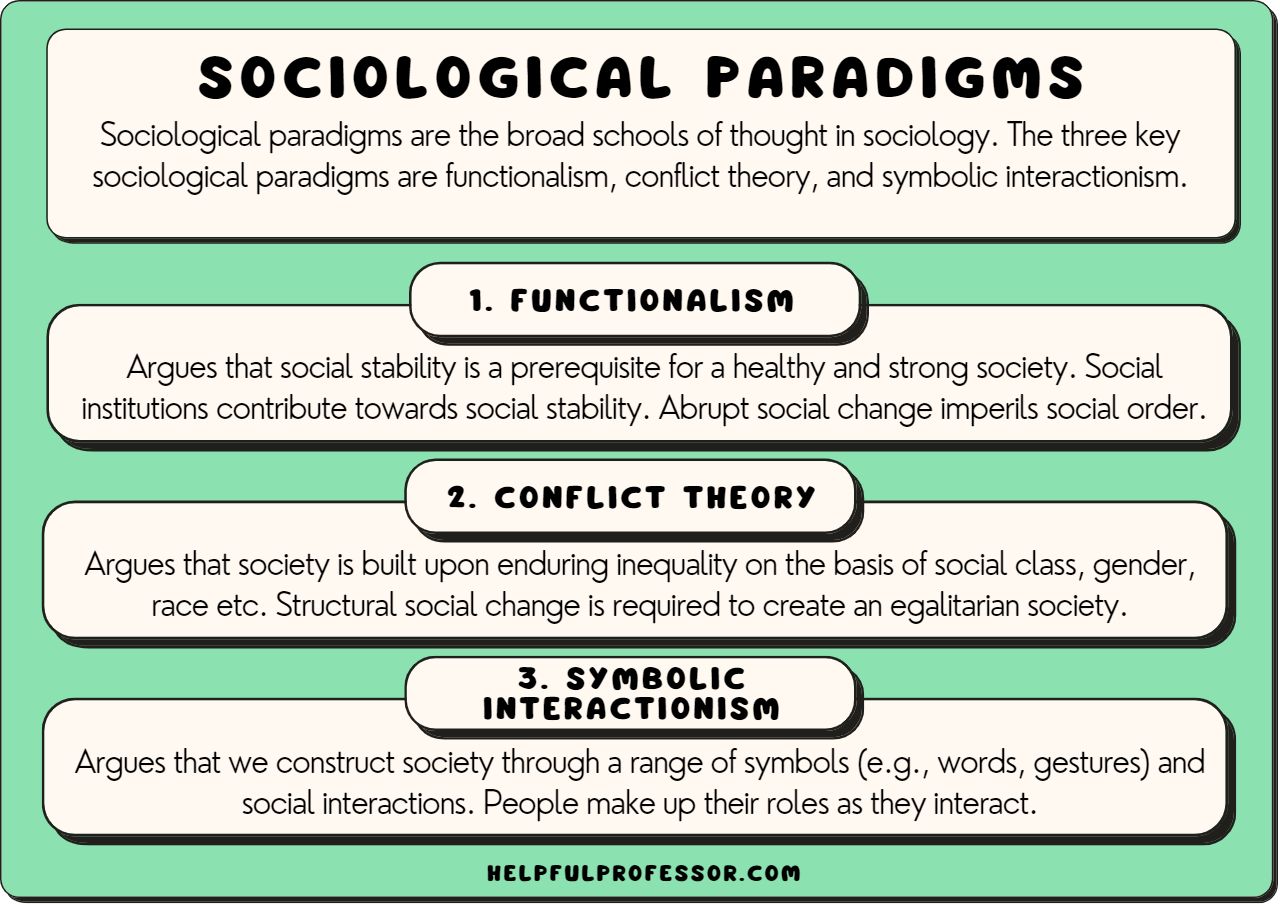
Symbolic interactionism is a major sociological perspective that suggests people act toward things based on the meaning those things have for them. These meanings are derived from social interaction and modified through interpretation. In the niche of brand strategy, this is the foundation of brand equity. A diamond ring is chemically just carbon, but sociologically, it is a symbol of commitment and status. Brand strategy is essentially the management of symbols. When a strategist develops a brand’s visual identity, they are crafting a symbol that will be interpreted by the public. If the symbol aligns with the audience’s social reality, the brand gains immediate and profound value.
Key Sociological Concepts for Brand Identity
To build a robust corporate identity, strategists must employ specific sociological tools that categorize and explain human behavior. These concepts allow a brand to move beyond surface-level aesthetics and into the realm of deep-seated identity.
Social Identity Theory and Tribalism
Social Identity Theory posits that a person’s sense of who they are is based on their group membership. This leads to “in-group” and “out-group” dynamics. In branding, this is often referred to as “tribalism.” A brand that successfully leverages this concept creates a strong “in-group” feeling among its users. For example, the historic rivalry between Apple and PC users was built on social identity. Apple did not just sell computers; they sold an identity of being “creative,” “rebellious,” and “different.” By defining who their “tribe” was (and, crucially, who it was not), they built a brand loyalty that borders on the religious.
Cultural Capital and Prestige
French sociologist Pierre Bourdieu introduced the concept of “cultural capital”—the social assets of a person (education, intellect, style of speech, etc.) that promote social mobility in a stratified society. Brands often act as a form of “objectified cultural capital.” Owning a specific brand of watch, driving a certain car, or even carrying a specific tote bag from a high-end grocery store signals to the world that the individual possesses a certain level of taste and social standing. Brand strategists use this concept to position products within different social strata, ensuring that the brand’s “prestige” aligns with the aspirations of its target demographic.

Applying Collective Consciousness to Market Positioning
Émile Durkheim, one of the founding fathers of sociology, coined the term “collective consciousness” to describe the set of shared beliefs, ideas, and moral attitudes which operate as a unifying force within society. For a brand to achieve mass-market dominance, it must tap into this collective consciousness.
Creating Shared Rituals
Societies are sustained through rituals—repeated, patterned behaviors that reinforce social bonds. Successful brands create their own rituals. Think of the “unboxing” experience, the “Pumpkin Spice Latte” season at Starbucks, or the “Drop” culture in streetwear. These are not just sales events; they are social rituals that provide a sense of rhythm and shared experience for the community. When a brand integrates itself into the daily or seasonal rituals of a society, it becomes a permanent fixture of the culture rather than a passing trend.
The Role of Norms and Values
Every social group is governed by norms (expected behaviors) and values (what is considered important). A brand that aligns itself with the evolving values of its audience—such as sustainability, inclusivity, or transparency—gains a “social license to operate.” Conversely, a brand that violates social norms can face immediate “cancelation” or social ostracization. Strategic branding involves a constant environmental scan of the sociological landscape to ensure the brand’s values remain congruent with the collective consciousness of its audience.
Sociological Research Methods in Brand Strategy
To apply these concepts effectively, brand strategists must move beyond quantitative surveys and embrace qualitative sociological research methods. This allows for a deeper understanding of the “why” behind the “what.”
Ethnography and Digital Tribes
Ethnography involves the systematic study of people and cultures from the inside. In the digital age, this has evolved into “netnography”—the study of online communities. Brand strategists use ethnographic methods to observe how people interact with products in their natural environments. By lurking in Reddit forums, analyzing Discord servers, or observing TikTok subcultures, strategists can identify “unmet social needs.” This research reveals the slang, the pain points, and the shared jokes of a “digital tribe,” allowing the brand to communicate in an authentic voice that feels like an insider rather than an intruder.
Analyzing Social Stratification for Niche Targeting
Social stratification refers to a society’s categorization of its people into rankings of socioeconomic tiers based on factors like wealth, income, race, education, and power. For a brand, understanding stratification is essential for effective market segmentation. A “Value” brand and a “Luxury” brand are operating in different social strata and must therefore use different sociological cues. Strategic branding analyzes these layers to tailor messaging that resonates with the specific lived experiences of a particular social class, avoiding the “tone-deaf” marketing that occurs when a brand fails to recognize its place in the social hierarchy.
The Future of Sociologically-Informed Branding
As we move further into an era defined by social media fragmentation and global connectivity, the importance of sociological concepts in branding will only grow. The brands that survive the next decade will be those that view themselves not as sellers of commodities, but as architects of social meaning.
The shift toward “purpose-driven branding” is, at its heart, a sociological shift. It is a recognition that businesses are social institutions that have a role to play in the functioning of the greater whole. By mastering concepts like social capital, symbolic interactionism, and collective identity, brand strategists can build corporate identities that are resilient, meaningful, and deeply integrated into the human experience.
In conclusion, “What are sociological concepts?” is not just a question for academics; it is the fundamental question for any brand builder looking to create a lasting legacy. When we understand the social forces that drive us, we can build brands that don’t just occupy a space in the market, but a place in the hearts and lives of the community. Understanding the “social” in “social media” and the “identity” in “brand identity” is the key to unlocking the next frontier of strategic marketing.
aViewFromTheCave is a participant in the Amazon Services LLC Associates Program, an affiliate advertising program designed to provide a means for sites to earn advertising fees by advertising and linking to Amazon.com. Amazon, the Amazon logo, AmazonSupply, and the AmazonSupply logo are trademarks of Amazon.com, Inc. or its affiliates. As an Amazon Associate we earn affiliate commissions from qualifying purchases.