
Financial success is rarely the result of luck; it is almost always the product of intentional planning and disciplined execution. In the world of personal finance, investing, and business management, the difference between those who build wealth and those who remain stagnant is often the framework they use to set their objectives. This is where the SMART goals methodology becomes an indispensable tool. By transforming vague desires into concrete, actionable plans, individuals and business owners can navigate the complexities of the modern economy with precision.
The SMART acronym—Specific, Measurable, Achievable, Relevant, and Time-bound—serves as a roadmap for financial clarity. In this guide, we will explore various SMART goals examples tailored specifically to the “Money” niche, covering personal finance, investment strategies, and business growth.
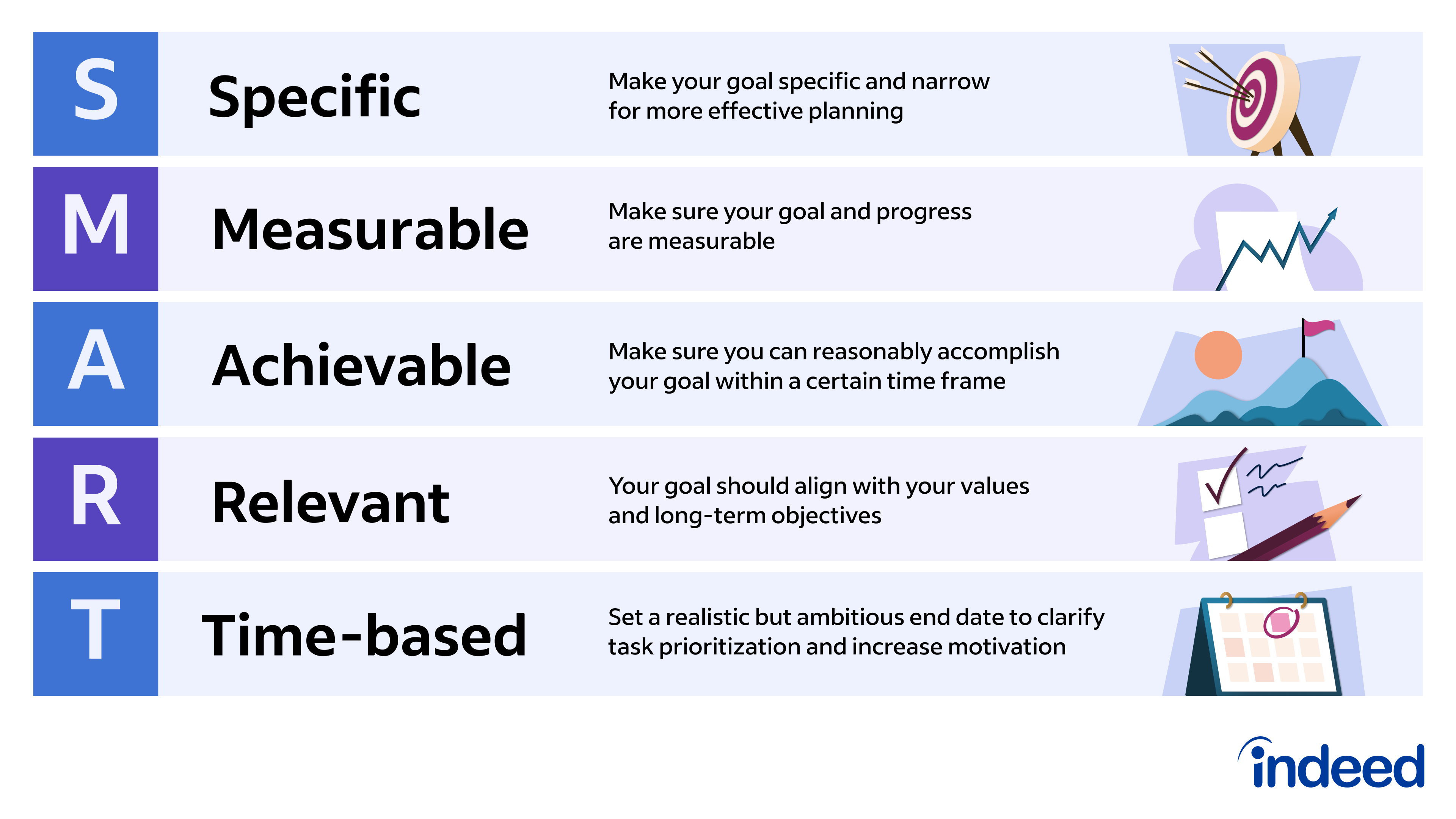
Understanding the SMART Framework in a Financial Context
Before diving into specific examples, it is crucial to understand how each element of the SMART framework applies to financial planning. Money management requires a higher degree of granularity than many other life domains because the metrics are inherently numerical and subject to external market forces.
Specificity in Wealth Creation
A vague goal like “I want to be rich” lacks the direction necessary for action. In a financial context, specificity means defining exactly what wealth looks like. Is it a specific net worth? Is it a certain amount of liquid cash in a high-yield savings account? Or is it the ability to cover all living expenses through dividends? Specificity eliminates ambiguity, allowing you to focus your energy on a singular financial target.
Measuring Your Net Worth and Progress
Financial goals are naturally measurable because they involve currency. However, measurement goes beyond just looking at a bank balance. It involves tracking debt-to-income ratios, investment returns (ROI), and savings rates. By establishing clear metrics, you can determine whether your current financial habits are moving the needle or if you need to pivot your strategy.
The Importance of Time-Bound Financial Milestones
Time is perhaps the most significant variable in finance due to the power of compound interest. A goal without a deadline is merely a wish. Whether you are looking at a fiscal quarter, a tax year, or a decade-long retirement plan, setting a “Time-bound” parameter creates a sense of urgency and allows for the calculation of the required monthly or weekly contributions needed to reach the end goal.
SMART Goal Examples for Personal Finance Management
Personal finance is the foundation of all wealth. Without a structured approach to budgeting and debt management, even high earners can find themselves living paycheck to paycheck. Below are SMART goal examples designed to stabilize and grow personal capital.
Building an Ironclad Emergency Fund
Vague Goal: I need to save more money for emergencies.
SMART Goal: I will save $10,000 in a dedicated high-yield savings account within the next 12 months to serve as a six-month emergency fund. I will achieve this by automating a $834 monthly transfer from my primary checking account every payday.
-
Specific: $10,000 for a six-month emergency fund.
-
Measurable: Progress can be tracked via bank statements.
-
Achievable: Based on a monthly contribution of $834, assuming the budget allows.
-
Relevant: Protects against financial shocks and prevents going into debt.
-
Time-bound: 12-month deadline.
Strategic Debt Elimination
Vague Goal: I want to pay off my credit cards.
SMART Goal: I will pay off my $5,000 credit card balance by December 31st of this year. I will do this by applying the “Debt Avalanche” method, paying $450 per month toward the highest-interest card while maintaining minimum payments on others, and allocating 50% of any work bonuses toward the principal.
-
Specific: $5,000 credit card debt elimination using the Avalanche method.
-
Measurable: The balance reduces each month until it hit zero.
-
Achievable: Requires a consistent monthly payment and bonus allocation.
-
Relevant: Reducing high-interest debt increases disposable income and improves credit scores.
-
Time-bound: Deadline of December 31st.
SMART Goal Examples for Investing and Long-Term Wealth
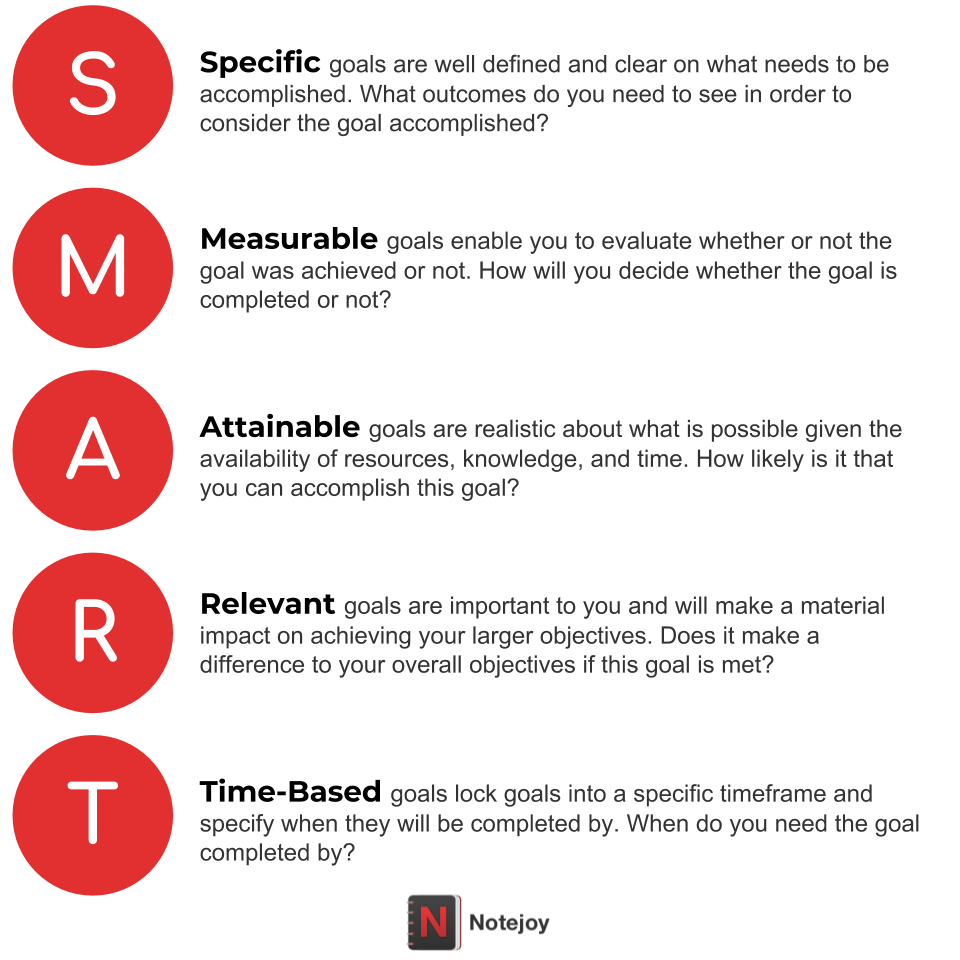
Once a personal financial foundation is set, the focus shifts to making money work for you. Investing requires a different set of SMART goals that account for risk tolerance and market cycles.
Diversifying the Investment Portfolio
Vague Goal: I want to start investing in stocks.
SMART Goal: By the end of Q4, I will have a diversified investment portfolio consisting of 70% low-cost index funds and 30% bonds/fixed income. I will achieve this by moving $2,000 every month from my savings into a brokerage account and rebalancing the portfolio on the first of every month.
-
Specific: 70/30 split between index funds and bonds.
-
Measurable: Portfolio allocation percentages can be viewed through the brokerage dashboard.
-
Achievable: Using a fixed monthly contribution ($2,000).
-
Relevant: Diversification mitigates risk and ensures long-term steady growth.
-
Time-bound: Completion by the end of Q4.
Generating Passive Income Streams
Vague Goal: I want to earn passive income.
SMART Goal: I will build a dividend-producing portfolio that generates $500 in monthly passive income within the next 24 months. I will accomplish this by identifying high-quality dividend-growth stocks and investing $1,500 monthly, reinvesting all dividends (DRIP) to accelerate the compounding effect.
-
Specific: $500 monthly passive income via dividends.
-
Measurable: Dividend payouts are tracked monthly.
-
Achievable: Achieved through consistent capital injection and reinvestment.
-
Relevant: Passive income provides financial freedom and reduces reliance on active labor.
-
Time-bound: 24-month timeframe.
SMART Goal Examples for Business Finance and Online Income
For entrepreneurs and side-hustlers, SMART goals are the lifeblood of scalability. Financial goals in business often revolve around revenue growth, profit margins, and operational efficiency.
Scaling Monthly Recurring Revenue (MRR)
Vague Goal: I want my online business to make more money.
SMART Goal: I will increase the Monthly Recurring Revenue (MRR) of my SaaS platform by 20% over the next six months. This will be achieved by increasing the marketing budget by 10% and improving the customer retention rate by 5% through a new automated email onboarding sequence.
-
Specific: 20% increase in MRR through marketing and retention.
-
Measurable: MRR is a standard business metric tracked in accounting software.
-
Achievable: 20% growth is realistic with targeted marketing and retention efforts.
-
Relevant: MRR is the most critical metric for the long-term valuation of a digital business.
-
Time-bound: Six-month target.
Optimizing Business Operational Costs
Vague Goal: I need to cut business expenses.
SMART Goal: I will reduce total business operational expenses by 15% by the end of the fiscal year. I will achieve this by conducting a full audit of all software subscriptions, renegotiating contracts with three primary vendors, and shifting to a remote-first model to save on office overhead.
-
Specific: 15% reduction in operational expenses.
-
Measurable: Can be verified by comparing P&L (Profit and Loss) statements.
-
Achievable: Auditing subscriptions and renegotiating contracts are highly actionable tasks.
-
Relevant: Lowering expenses directly increases the net profit margin.
-
Time-bound: Completion by the end of the fiscal year.
Implementing and Auditing Your Financial SMART Goals
Setting the goal is only the beginning. The financial world is dynamic, with inflation, market crashes, and tax law changes constantly shifting the landscape. Therefore, the implementation phase must include a process for tracking and auditing.
Utilizing Financial Tools for Tracking
To ensure your SMART goals remain “Measurable,” you must leverage technology. Personal finance apps like Empower or Mint, and business accounting software like QuickBooks or Xero, provide real-time data on your progress. For investors, tools that track “dividend snowballs” or portfolio “beta” can provide the necessary insight into whether the “Specific” aspects of the goal are being met. Without automated tracking, the cognitive load of manual calculation often leads to goal abandonment.
Re-evaluating Goals During Market Volatility
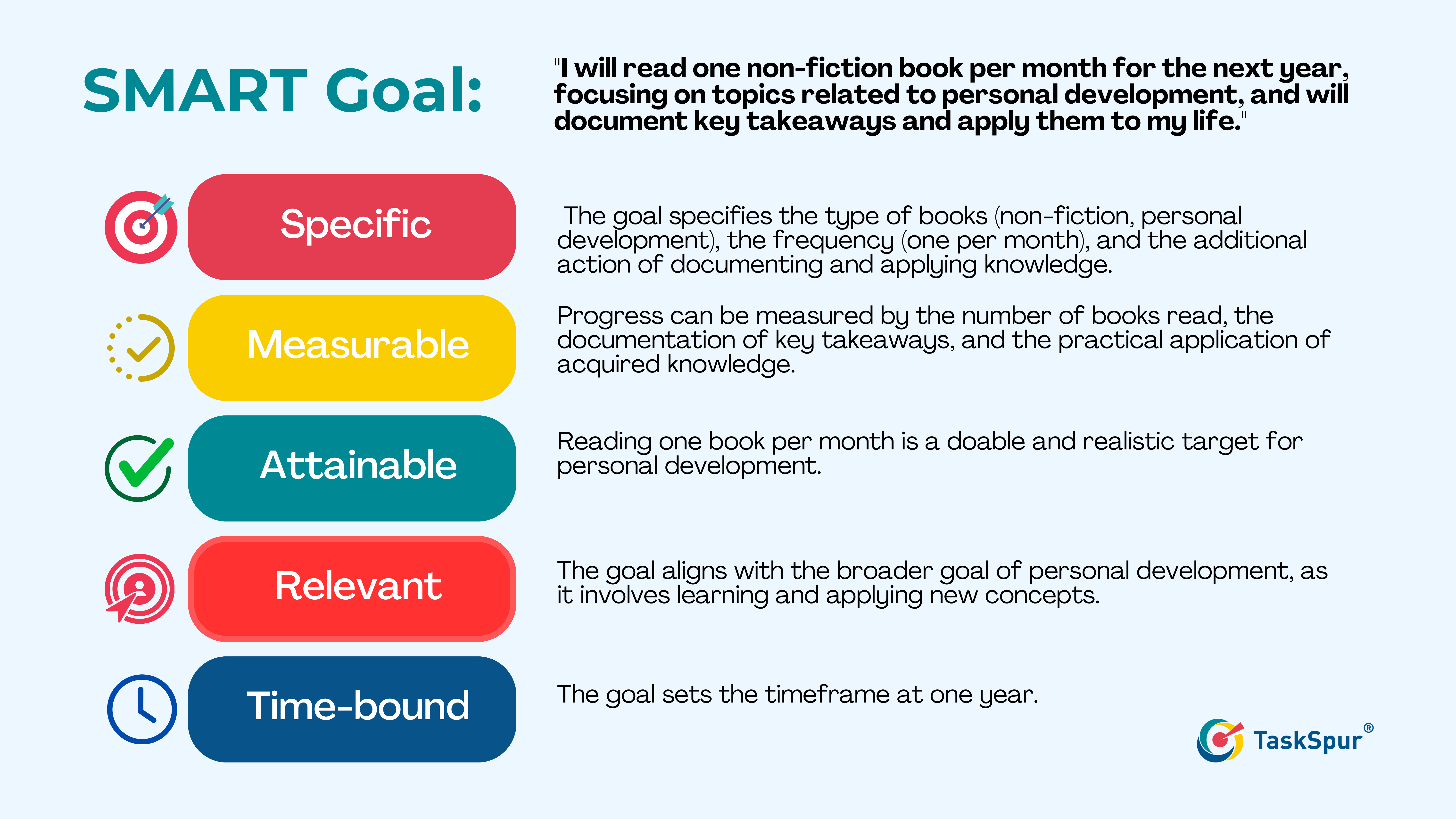
A key aspect of the “Achievable” and “Relevant” parts of a SMART goal is flexibility. If the economy enters a recession, a goal to “increase investment contributions by 50%” might no longer be achievable or relevant if your primary income source is at risk. Financial SMART goals should be audited quarterly. This isn’t an excuse to give up; rather, it is an opportunity to adjust the “Time-bound” element or the “Specific” numerical target to reflect the current economic reality. This ensures that your goals remain a source of motivation rather than a source of discouragement.
By applying the SMART framework to your money—whether it’s the $10 in your pocket or a $10 million corporate budget—you transform the abstract concept of “wealth” into a series of logical, manageable steps. Start with one goal, define its parameters strictly, and watch as your financial clarity leads to unprecedented growth.
aViewFromTheCave is a participant in the Amazon Services LLC Associates Program, an affiliate advertising program designed to provide a means for sites to earn advertising fees by advertising and linking to Amazon.com. Amazon, the Amazon logo, AmazonSupply, and the AmazonSupply logo are trademarks of Amazon.com, Inc. or its affiliates. As an Amazon Associate we earn affiliate commissions from qualifying purchases.