
The seemingly simple question of “what are sinks made of” unlocks a complex tapestry of financial considerations for both consumers and businesses. Far from being a mere aesthetic choice, the material composition of a sink directly impacts its upfront cost, long-term durability, maintenance expenses, and even its contribution to property value. Understanding these material economics is crucial for making financially sound decisions, whether you’re a homeowner renovating a kitchen, a designer specifying finishes, or a manufacturer navigating supply chains and market demand.
The Economics of Material Selection
Every material used in sink manufacturing presents a distinct financial profile. From raw material costs and manufacturing complexity to installation expenses and expected lifespan, the choice of material is a critical determinant of total cost of ownership and return on investment.
Stainless Steel: The Budget-Friendly Workhorse
Stainless steel remains one of the most popular sink materials, largely due to its compelling combination of affordability, durability, and practicality. Primarily an alloy of steel, chromium, and sometimes nickel, its inherent resistance to rust, corrosion, and heat makes it a cost-effective choice for high-traffic kitchens.
- Upfront Cost: Generally the most budget-friendly option, making it accessible for various income brackets.
- Durability and Lifespan: While prone to scratching and water spots, stainless steel is incredibly robust, resisting chips and cracks. A well-maintained stainless steel sink can last for decades, minimizing replacement costs.
- Maintenance Expenses: Easy to clean and sanitize, requiring minimal specialized cleaning products. This contributes to lower ongoing maintenance costs compared to more delicate materials.
- Resale Value: A functional and clean stainless steel sink offers reliable utility, though it may not significantly boost property value in the same way a premium material might. It’s seen as a standard, expected fixture.
Cast Iron: Durability as an Investment
Cast iron sinks are renowned for their exceptional strength and classic appeal. Typically coated with a thick layer of enamel or porcelain, these sinks offer a substantial, high-quality feel that often justifies a higher initial investment.
- Upfront Cost: Significantly higher than stainless steel, reflecting the density of the material and the intensive manufacturing process involved in casting and enameling.
- Durability and Lifespan: Extremely heavy and durable, cast iron sinks are resistant to dents and vibrations. The porcelain enamel finish, however, can chip or scratch if subjected to heavy impact, leading to potential repair costs or aesthetic degradation. With proper care, they can last a lifetime, becoming a lasting asset.
- Maintenance Expenses: The smooth, non-porous surface is easy to clean. Care must be taken to avoid abrasive cleaners that can dull the enamel. Minor chips can sometimes be repaired, but extensive damage may necessitate replacement, representing a substantial expense.
- Resale Value: A well-maintained cast iron sink, especially in classic or desirable colors, can be a significant selling point, signaling quality and craftsmanship to potential homebuyers and potentially enhancing property value.
Porcelain/Ceramic: Aesthetic Value and Maintenance Costs
While often grouped, porcelain and ceramic sinks differ slightly in composition but share similar financial implications. Both offer a smooth, glossy finish and a wide range of colors and styles, often favored for bathrooms or kitchens aiming for a traditional or farmhouse aesthetic.
- Upfront Cost: Mid-range to high, depending on the quality of ceramic/porcelain and the complexity of design. Fireclay sinks, a type of ceramic, tend to be on the higher end due to their specific firing process and durability.
- Durability and Lifespan: While hard, porcelain and ceramic are more susceptible to chips, cracks, and heavy staining than stainless steel or even enameled cast iron if the surface is compromised. This vulnerability can lead to unexpected repair or replacement costs.
- Maintenance Expenses: Non-porous surfaces are easy to wipe clean. However, certain foods or chemicals can stain, requiring specific cleaning agents. Chips expose the underlying material, which can lead to further damage or discoloration if not addressed promptly.
- Resale Value: A pristine porcelain or ceramic sink can contribute positively to a home’s aesthetic appeal and perceived value, particularly in bathrooms. However, visible chips or stains can detract from value.
Composite Materials: Blending Cost and Performance
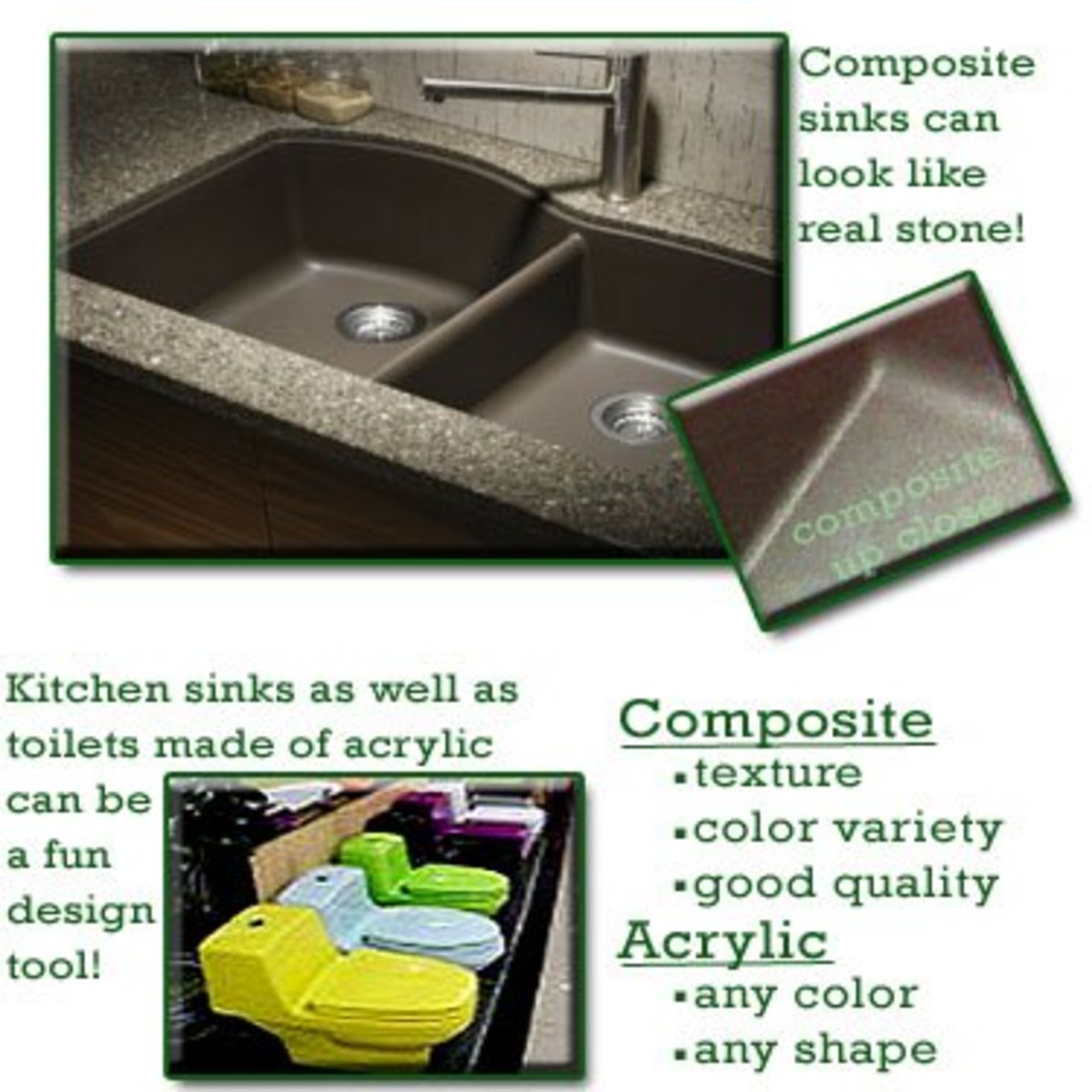
Composite sinks, often made from a blend of quartz or granite particles and acrylic resins, represent a modern solution that aims to balance durability, aesthetics, and cost-effectiveness. Brands like Silgranit are popular examples in this category.
- Upfront Cost: Typically fall in the mid-to-high range, often positioned between high-end stainless steel and cast iron or natural stone.
- Durability and Lifespan: Highly resistant to scratches, chips, heat, and stains, making them incredibly durable and low-maintenance. Their homogeneous composition means color runs all the way through, making minor damage less noticeable. This resilience extends their lifespan and reduces long-term replacement risk.
- Maintenance Expenses: Very easy to clean with standard household cleaners, requiring little specialized care. Their non-porous nature inhibits bacterial growth, a health benefit that indirectly saves on harsh sanitizers.
- Resale Value: As a newer, robust option, high-quality composite sinks can be an attractive feature for homebuyers, especially those seeking contemporary aesthetics and low maintenance. They are increasingly seen as a valuable upgrade.
Natural Stone/Copper: High-End Assets and Specialized Upkeep
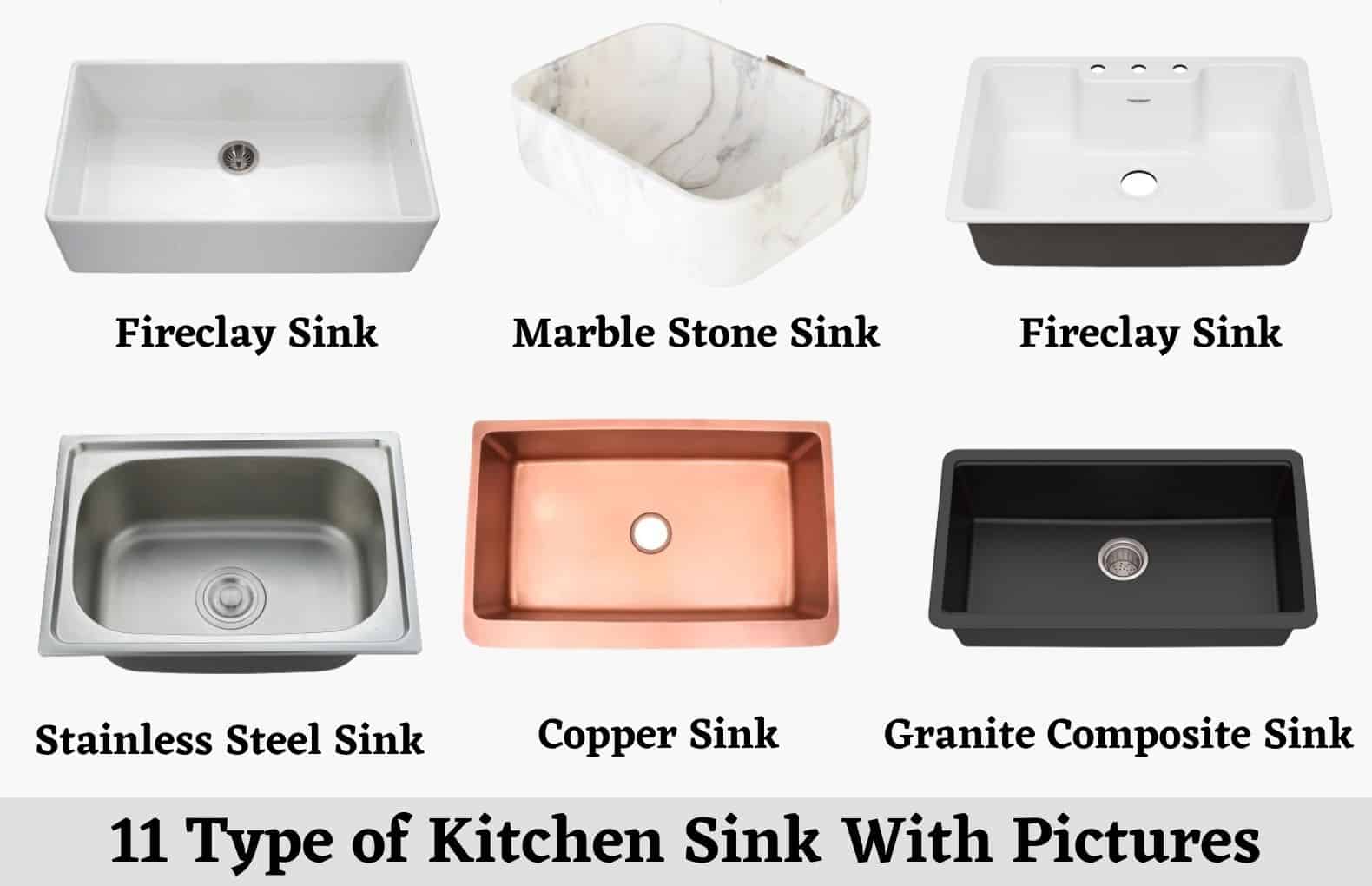
Materials like granite, marble, travertine, or solid copper represent the luxury end of the sink market. These choices are often driven by a desire for unique aesthetics and premium finishes, but come with significant financial considerations.
- Upfront Cost: By far the most expensive options, reflecting the rarity of the raw materials, the intensive crafting process, and specialized installation requirements.
- Durability and Lifespan: Natural stone is extremely heavy and durable, but also porous and susceptible to staining and etching if not properly sealed and maintained. Copper is naturally antimicrobial and develops a unique patina over time, but can dent easily and react to acidic foods. Their longevity is excellent, provided meticulous care is given.
- Maintenance Expenses: Both require specific, ongoing maintenance. Natural stone needs regular sealing to prevent stains and etching, and special pH-neutral cleaners. Copper requires gentle cleaning to preserve its patina or specific polishing to maintain a bright finish. These specialized care routines translate to higher ongoing maintenance costs.
- Resale Value: A perfectly maintained natural stone or copper sink in a high-end kitchen or bathroom can be a powerful statement piece, significantly elevating the perceived luxury and market value of a property. However, neglected or damaged units can become a liability, requiring expensive restoration.
Long-Term Value and ROI in Home Improvement
Choosing a sink material isn’t just about the immediate purchase price; it’s an investment in your home’s future. The return on investment (ROI) is influenced by durability, aesthetic appeal, and how well it integrates with other home features.
Impact on Property Resale Value
For homeowners, the choice of sink material can subtly, or sometimes dramatically, influence a property’s appeal and value during resale. While a basic, functional sink is expected, an upgraded, well-maintained sink made from premium materials can contribute to a positive impression, signaling quality and attention to detail throughout the home. Conversely, a visibly worn, chipped, or outdated sink can detract from a home’s perceived value and require an allowance for replacement in a buyer’s offer.
Hidden Costs of Cheap Materials
Opting for the cheapest sink purely based on upfront cost can lead to higher expenses down the line. Inferior materials may:
- Require frequent repairs or early replacement: Increasing labor and material costs over the life of the home.
- Be more susceptible to damage: Leading to plumbing issues or water damage to surrounding cabinetry.
- Offer poor insulation: Contributing to noisy dishwashing or water drumming.
- Show wear quickly: Diminishing the aesthetic appeal of the kitchen or bathroom and potentially impacting resale value sooner than expected.
These hidden costs can quickly erode any initial savings, making a slightly higher initial investment in quality a wiser financial decision in the long run.
Business Finance Perspective: Manufacturing and Retail Margins
From a business standpoint, the choice of sink material is paramount to profitability, market positioning, and supply chain management. Manufacturers and retailers constantly weigh material costs against market demand, production efficiency, and competitive pricing strategies.
Supply Chain and Material Sourcing Costs
Manufacturers must meticulously manage the sourcing of raw materials. Volatility in global commodity markets for steel, copper, or the specialized resins for composites directly impacts production costs. Efficient supply chain management, bulk purchasing, and strategic partnerships are crucial for maintaining competitive pricing and healthy margins. The weight and fragility of certain materials (like cast iron or natural stone) also influence shipping and logistics costs, which are factored into the final price.
Pricing Strategies and Market Positioning
The material composition dictates a sink’s natural price point and its target market.
- Mass Market: Stainless steel and basic porcelain sinks cater to the broad consumer base, emphasizing volume and affordability.
- Mid-Market: High-quality composites and well-designed enameled cast iron target consumers willing to pay more for enhanced durability, aesthetics, and features.
- Luxury Market: Natural stone and artisan copper sinks are positioned for high-end projects, where uniqueness, craftsmanship, and bespoke design justify premium pricing and higher profit margins on individual units.
Businesses must carefully align their product offerings with their brand identity and target demographic, ensuring that the financial investment in material acquisition and manufacturing translates into viable retail pricing and sustainable profitability.
Making an Informed Financial Decision
Ultimately, the best sink material choice is one that balances financial capability with functional requirements, aesthetic preferences, and long-term value. Whether you prioritize upfront savings, extreme durability, classic elegance, or modern convenience, understanding the financial implications of each material is key. For consumers, it means evaluating total cost of ownership, including potential repairs and impact on home value. For businesses, it involves strategic sourcing, efficient manufacturing, and astute pricing to ensure market competitiveness and profitability within the dynamic home improvement sector.
aViewFromTheCave is a participant in the Amazon Services LLC Associates Program, an affiliate advertising program designed to provide a means for sites to earn advertising fees by advertising and linking to Amazon.com. Amazon, the Amazon logo, AmazonSupply, and the AmazonSupply logo are trademarks of Amazon.com, Inc. or its affiliates. As an Amazon Associate we earn affiliate commissions from qualifying purchases.