
In the traditional medical landscape, identifying the signs of alcoholism—clinically referred to as Alcohol Use Disorder (AUD)—has historically relied on self-reporting and late-stage physical symptoms. However, as we move deeper into the era of the Internet of Medical Things (IoMT) and advanced data analytics, the methodology for detection is shifting. Technology is moving the “signs” of alcoholism from the realm of subjective observation into the realm of objective, real-time data.
By leveraging artificial intelligence, wearable sensors, and digital phenotyping, the tech industry is providing healthcare providers and individuals with unprecedented tools to catch the early warning signs of dependency. This article explores the intersection of high-tech innovation and addiction science, highlighting how software and hardware are redefining our understanding of AUD.
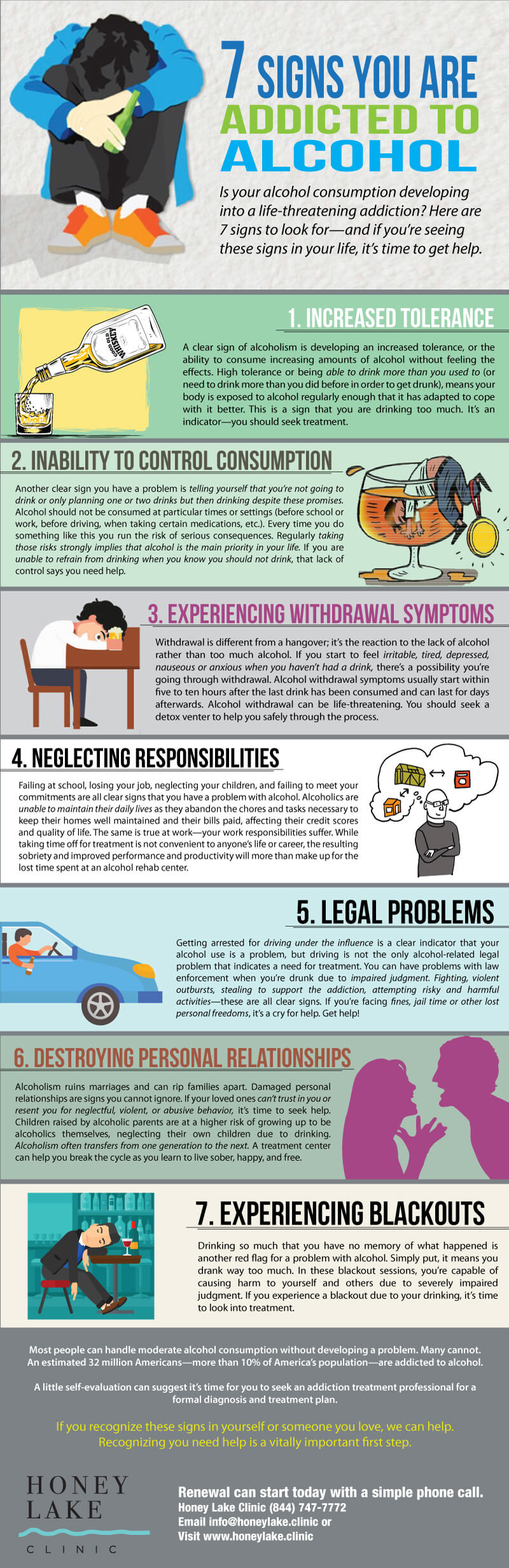
The Rise of Digital Phenotyping in Substance Use Detection
Digital phenotyping is an emerging field in health technology that involves the moment-by-moment quantification of the individual-level human phenotype in situ, using data from personal digital devices. When it comes to the signs of alcoholism, our smartphones act as a mirror to our behavioral health.
Defining Digital Phenotyping for AUD
In the context of alcoholism, digital phenotyping refers to the collection of passive data—such as typing speed, GPS location frequency, and social media sentiment—to identify changes in cognitive and motor functions. Unlike a traditional blood test, which provides a snapshot of a single moment, digital phenotyping provides a continuous narrative of a user’s state. For instance, an algorithm might detect a “sign” of intoxication based on increased typos or a decrease in fine motor precision while navigating a touch interface.
The Shift from Reactive to Proactive Detection
Traditionally, the signs of alcoholism were only addressed once they became life-altering: job loss, liver damage, or legal issues. Technology is flipping this script. Proactive detection through software allows for “Just-in-Time Adaptive Interventions” (JITAIs). If a user’s smartphone detects they are in a high-risk location (like a bar they used to frequent) or if their gait—measured by the phone’s accelerometer—shows signs of impairment, the device can trigger a supportive notification or alert a designated counselor before a relapse or heavy drinking episode fully occurs.
Wearable Technology and Physiological Biomarkers
While smartphones track behavior, wearables track biology. The latest generation of gadgets is moving beyond step counting to monitor the physiological signals that serve as the early signs of alcoholism and acute intoxication.
Transdermal Alcohol Monitoring (TAM)
One of the most significant breakthroughs in tech-driven detection is Transdermal Alcohol Monitoring. Devices like the BACtrack Skyn or various specialized wristbands use fuel-cell technology to detect ethanol molecules excreted through the skin. This tech allows for non-invasive, continuous monitoring. For those in early recovery or high-risk categories, these wearables provide a “digital record” of sobriety, flagging a slip-up immediately. This automation removes the “dishonesty” factor often associated with the signs of alcoholism in clinical settings.
Heart Rate Variability (HRV) and Sleep Architecture
Smartwatches from companies like Oura, Apple, and Garmin are becoming sophisticated enough to detect the secondary physiological signs of alcoholism. Chronic alcohol consumption significantly impacts the autonomic nervous system, which is reflected in Heart Rate Variability (HRV). A consistent, unexplained drop in HRV, combined with a spike in resting heart rate and disrupted REM sleep, can be a digital “red flag.” AI-driven apps can now aggregate this data to show users the direct correlation between their alcohol intake and their body’s stress response, often identifying a problem long before the user is willing to admit it.
AI and Natural Language Processing: The Linguistic Signs of Dependency
Artificial Intelligence, specifically Natural Language Processing (NLP), is being utilized to analyze the way people communicate as a means of identifying the signs of alcoholism. Our “digital footprint” in the form of texts, emails, and social media posts contains subtle linguistic markers of mental health struggles.

NLP and Social Media Analysis
Researchers are developing AI models that scan social media activity for patterns associated with AUD. These models look for more than just mentions of “drinking” or “party.” They analyze sentiment, the time of day posts are made, and the complexity of language. A shift toward more impulsive, emotionally volatile, or linguistically simplified posts can indicate the cognitive decline or emotional instability associated with the early signs of alcoholism. By identifying these patterns, AI can help clinicians intervene when a patient’s “digital voice” begins to change.
App Usage Patterns as Behavioral Indicators
The way we interact with our apps—the “metadate” of our lives—is often as telling as the content itself. A sign of alcoholism might be identified by an AI analyzing late-night app usage, increased frequency of food delivery orders associated with hangovers, or a sudden drop-off in the use of productivity and fitness apps. These subtle shifts in the “digital routine” are difficult for a human to track but are easily flagged by machine learning algorithms designed to spot deviations from a healthy baseline.
The Role of Telehealth and Integrated Care Platforms
The identification of the signs of alcoholism is only half the battle; the other half is the integration of that data into a treatment framework. Telehealth and specialized software platforms are bridging the gap between data collection and clinical action.
Remote Patient Monitoring (RPM) for AUD
Remote Patient Monitoring (RPM) platforms allow healthcare providers to receive real-time data from a patient’s wearables and apps. If the “signs of alcoholism” appear in the data—such as a positive transdermal reading or a significant physiological anomaly—the platform can automatically alert a physician. This creates a “safety net” that exists outside the doctor’s office, providing a level of oversight that was previously impossible.
Digital Therapeutics (DTx)
The tech industry is also seeing the rise of Digital Therapeutics—software cleared by regulatory bodies (like the FDA) to treat medical conditions. Apps like Pear Therapeutics’ reSET use cognitive behavioral therapy (CBT) modules to address the psychological signs of alcoholism. These apps track a user’s cravings and triggers, using data analytics to provide customized recovery paths. The tech doesn’t just identify the problem; it provides the solution in the user’s pocket.
Privacy, Ethics, and the Future of Digital Monitoring
As we develop more powerful tools to identify the signs of alcoholism through tech, we must navigate the complex landscape of digital ethics and privacy.
The Challenge of Digital Stigma
There is a fine line between “supportive monitoring” and “digital surveillance.” The signs of alcoholism are highly sensitive data points. If this information is leaked or misused by employers or insurance companies, it could lead to a new form of “digital stigma.” Tech developers must prioritize end-to-end encryption and strict data-governance protocols to ensure that the tools meant to help users don’t end up harming their social or professional standing.
Consent and Autonomy in Data Collection
For tech-driven detection to be effective and ethical, the user must remain in control. The future of this niche lies in “opt-in” ecosystems where users choose to share their physiological and behavioral data with their care teams. As AI becomes more predictive, the industry must ensure that algorithms are transparent and that users are educated on how their “digital signs” are being interpreted.

Conclusion: The New Paradigm of Recovery
The signs of alcoholism are no longer just physical symptoms or behavioral red flags observable only by close friends and family. Through the lens of technology, these signs have become data points—measurable, trackable, and actionable. From the raw sensor data of a wearable device to the complex linguistic analysis of an AI, technology is providing a more nuanced and earlier look into the development of Alcohol Use Disorder.
As these tools continue to evolve, the goal remains the same: to move from a world of reactive treatment to one of proactive, data-driven wellness. By integrating the power of AI, the precision of wearables, and the accessibility of telehealth, the tech industry is not just identifying the signs of alcoholism; it is fundamentally changing the way we approach recovery and human health in the digital age.
aViewFromTheCave is a participant in the Amazon Services LLC Associates Program, an affiliate advertising program designed to provide a means for sites to earn advertising fees by advertising and linking to Amazon.com. Amazon, the Amazon logo, AmazonSupply, and the AmazonSupply logo are trademarks of Amazon.com, Inc. or its affiliates. As an Amazon Associate we earn affiliate commissions from qualifying purchases.