
In the dynamic world of e-commerce, the ability to seamlessly accept payments is not just a convenience; it’s the lifeblood of a thriving online business. For merchants leveraging the Shopify platform, “Shopify Payments” stands as a foundational financial tool, integral to their operational efficiency and profitability. At its core, Shopify Payments is Shopify’s proprietary payment gateway, designed specifically for stores hosted on its platform. It eliminates the need for third-party payment providers by integrating payment processing directly into the Shopify ecosystem, offering a unified solution for managing sales, payouts, and financial reporting.
This native integration brings a multitude of financial advantages, simplifying complex payment processes and allowing merchants to focus more on growth and less on administrative overhead. From streamlined transaction handling and transparent fee structures to robust fraud prevention and enhanced conversion at checkout, Shopify Payments is crafted to optimize the financial performance of any e-commerce venture. Understanding its full scope and capabilities is essential for any merchant aiming to maximize revenue, minimize costs, and build a resilient online business model.
The Financial Advantage of Native Integration
The fundamental appeal of Shopify Payments lies in its deep integration with the Shopify platform. Unlike external payment gateways that require separate accounts, integrations, and dashboards, Shopify Payments operates as an intrinsic component of your Shopify store. This native design translates into tangible financial benefits, primarily through enhanced operational efficiency and simplified cost management.
Streamlined Transaction Processing
For any online business, the efficiency with which transactions are processed directly impacts cash flow and customer satisfaction. Shopify Payments simplifies this critical function by offering a single, unified system. Merchants no longer need to navigate between their Shopify admin and a third-party payment processor’s dashboard. All aspects of a transaction – from initial order placement and payment authorization to capture, refund, and payout – are managed directly within the Shopify interface.
This centralization significantly reduces administrative time and effort. Merchants can quickly review payment statuses, initiate refunds, and track payouts without juggling multiple logins or data exports. The result is a more agile financial operation, where the time saved on administrative tasks can be reallocated to strategic activities like marketing, product development, or customer service, ultimately contributing to business growth and profitability. Moreover, the inherent compatibility ensures fewer technical glitches or integration issues that could otherwise lead to lost sales or customer frustration, both of which have direct financial consequences.
Simplified Fee Structures and Transparent Costs
One of the most compelling financial benefits of Shopify Payments is its straightforward and often cost-saving fee structure. When using an external payment gateway with Shopify, merchants typically incur two sets of fees: the transaction fee charged by Shopify itself (which varies by plan) and the processing fee charged by the third-party gateway. With Shopify Payments, the additional Shopify transaction fee is waived entirely. Merchants only pay a single processing fee per transaction, which varies based on their Shopify plan (Basic, Shopify, Advanced) and the type of card used (online vs. in-person).
This consolidated fee model makes cost management much more transparent and predictable. Merchants can easily understand their true cost of processing payments without hidden charges or complex calculations. For businesses operating on higher-tier Shopify plans, the lower processing rates offered by Shopify Payments can lead to significant savings as transaction volumes increase. Furthermore, any currency conversion fees for international sales are clearly outlined, ensuring merchants have a complete picture of the financial impact of global sales. This transparency is crucial for accurate financial forecasting and margin analysis.
Unified Financial Reporting and Reconciliation
Effective financial management hinges on accurate and accessible data. Shopify Payments excels in this regard by providing unified financial reporting that pulls all transaction, refund, and payout data into a single, comprehensive dashboard within the Shopify admin. This eliminates the cumbersome process of manually reconciling data from disparate sources – a common headache for businesses using separate e-commerce and payment platforms.
Merchants can generate detailed reports on sales, refunds, chargebacks, and payouts with ease. This consolidated data simplifies bookkeeping, tax preparation, and overall financial analysis. Accountants and bookkeepers appreciate the clarity and completeness of the reports, reducing the time and potential for errors associated with manual data entry or cross-referencing. The ability to quickly identify trends, monitor cash flow, and verify payouts directly within Shopify empowers merchants with better financial control, leading to more informed decision-making and a clearer understanding of their business’s financial health.
Maximizing Revenue and Minimizing Risk
Beyond operational efficiencies, Shopify Payments directly contributes to a merchant’s bottom line by enhancing sales opportunities and fortifying defenses against financial risks such as fraud. These capabilities are crucial for sustained profitability and business stability in the competitive e-commerce landscape.
Enhanced Conversion Rates at Checkout
The checkout experience is a critical determinant of whether a browsing customer becomes a paying customer. Shopify Payments is engineered to optimize this experience, thereby boosting conversion rates. Its seamless integration means customers encounter a consistent, trustworthy, and fast checkout flow, reducing friction and minimizing the likelihood of abandoned carts. Customers are less likely to drop off when they don’t have to navigate to an external site or encounter unfamiliar payment interfaces.
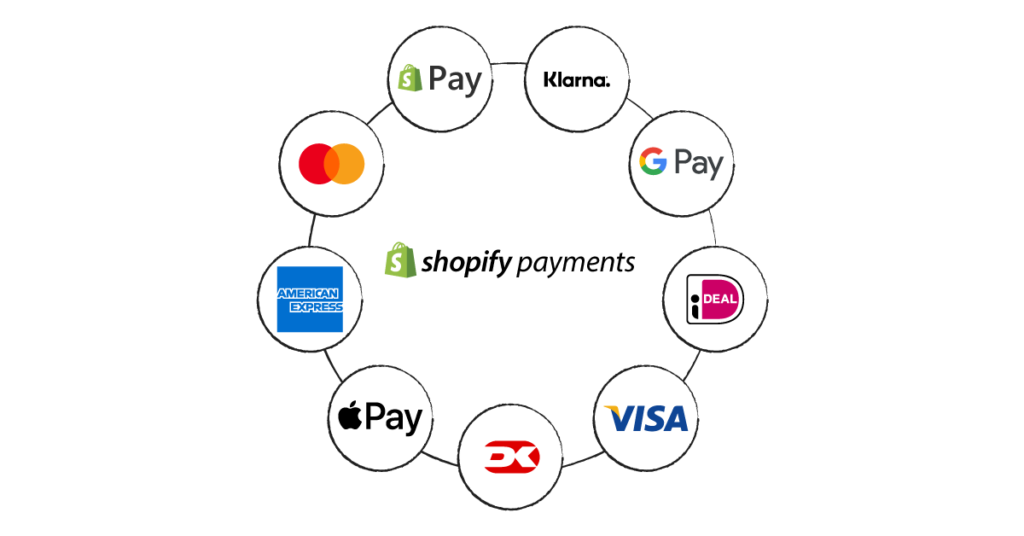
Furthermore, Shopify Payments supports a wide array of payment methods, including major credit and debit cards (Visa, MasterCard, American Express, Discover), as well as accelerated checkout options like Shop Pay. Shop Pay, in particular, allows customers to save their shipping and payment information for lightning-fast one-click purchases, significantly reducing checkout time. This convenience translates directly into higher conversion rates, especially on mobile devices, where cumbersome form filling can be a major deterrent. For merchants, every percentage point increase in conversion means more completed sales and a healthier revenue stream.
Robust Fraud Prevention Tools
Online fraud and chargebacks represent significant financial risks for e-commerce businesses, potentially leading to lost revenue, goods, and additional administrative costs. Shopify Payments comes equipped with built-in fraud analysis tools designed to help merchants identify and mitigate these risks. These tools leverage machine learning to flag potentially fraudulent transactions, providing merchants with risk indicators based on various factors like IP address, billing address discrepancies, and transaction velocity.
While not guaranteeing complete protection, these features empower merchants to make informed decisions about fulfilling orders, potentially preventing financial losses. For example, if an order is flagged as high risk, the merchant can choose to investigate further or cancel the order before shipping. Shopify also offers guidance and tools to help merchants respond to chargebacks, providing data and evidence that can aid in disputing claims. By reducing the incidence of successful fraudulent transactions and providing support during chargeback disputes, Shopify Payments helps protect a merchant’s financial assets and maintain a healthy profit margin.
Efficient Payout Management
The speed and reliability of receiving funds from sales are paramount for business cash flow. Shopify Payments offers transparent and efficient payout management. Funds from successful transactions are typically paid out directly to the merchant’s bank account on a consistent schedule, usually within 2-3 business days in eligible regions after the transaction is captured. This reliable payout schedule allows businesses to better manage their operating capital, plan inventory purchases, and cover other expenses without unnecessary delays.
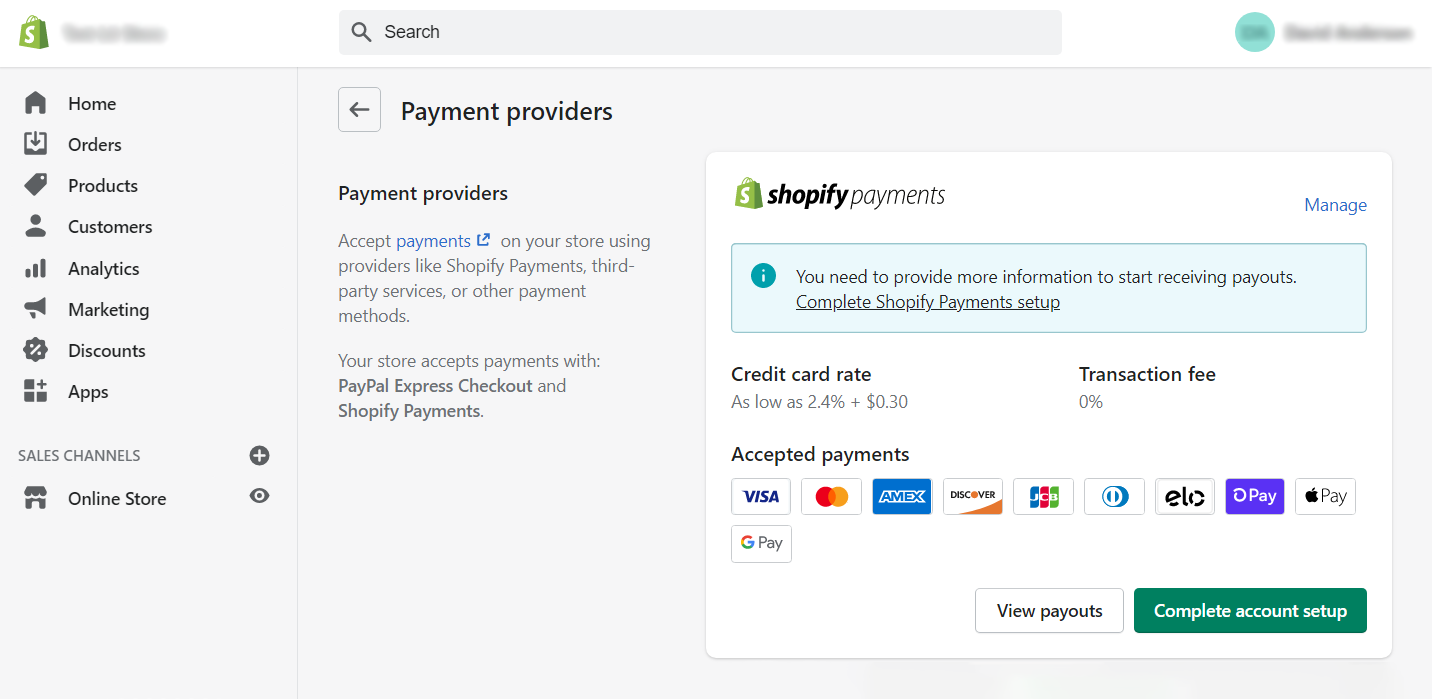
Merchants can easily track their payout schedules and view detailed breakdowns of each payout, including gross sales, processing fees, and any refunds issued. This level of detail ensures clarity and helps in reconciling bank statements. The absence of complex withholding periods or cumbersome withdrawal processes often associated with some third-party processors further contributes to a smoother cash flow, which is vital for the day-to-day financial health and long-term sustainability of an online business.
Beyond Basic Processing: Value-Added Financial Features
Shopify Payments extends its utility beyond just transactional processing, offering integrated features that unlock additional revenue streams and enhance financial operations. These value-added capabilities are designed to give merchants a competitive edge and support diverse business models.
Accelerating Sales with Shop Pay
Shop Pay is a powerful accelerated checkout experience integrated directly into Shopify Payments. For customers, it offers the convenience of saving their shipping and payment information for future purchases across any Shopify store, enabling one-click checkout. For merchants, Shop Pay translates into higher conversion rates—up to 1.72x higher than regular checkouts and 1.5x higher than other accelerated checkouts. This speed and ease drastically reduce cart abandonment, especially on mobile, which directly contributes to increased sales volume and revenue.
Furthermore, Shop Pay also integrates with Shop Pay Installments, allowing customers to pay for their purchases in flexible installments. This buy now, pay later (BNPL) option, powered by Affirm, can significantly increase average order value (AOV) and appeal to a broader customer base by making higher-priced items more accessible. Offering flexible payment options has a direct financial impact, broadening market reach and boosting total sales, thereby enhancing the merchant’s financial performance.
Managing Subscriptions and Recurring Revenue
For businesses built on a subscription model or offering recurring products/services, Shopify Payments provides the robust infrastructure needed to manage these complex revenue streams. While often requiring a compatible subscription app from the Shopify App Store, Shopify Payments seamlessly integrates to facilitate recurring billing cycles, automated payment retries for failed payments, and easy management of customer subscriptions.
The ability to reliably process recurring payments is critical for predictable income streams and building customer lifetime value. Shopify Payments handles the technical aspects of securely storing customer payment information (tokenization) and processing scheduled charges, minimizing payment failures and ensuring a steady flow of subscription revenue. This capability is invaluable for businesses seeking financial stability through recurring income models, allowing them to accurately forecast revenue and plan for future growth.
International Sales and Currency Handling
Expanding into international markets is a significant growth strategy for many e-commerce businesses, but it often comes with currency conversion complexities and challenges. Shopify Payments simplifies global commerce by allowing merchants to sell and accept payments in multiple currencies. Through Shopify Markets, merchants can display prices in local currencies, and customers can complete purchases in their preferred currency using Shopify Payments.
While there are currency conversion fees associated with these transactions, the system handles the conversion automatically, depositing the equivalent amount in the merchant’s primary currency. This localized experience builds trust with international customers, reduces friction at checkout, and ultimately opens up new revenue opportunities by expanding the merchant’s global customer base. The financial benefit is clear: access to larger markets and the ability to capture sales that might otherwise be lost due to currency barriers or unfamiliar payment processes.
Considerations and Best Practices for Merchants
While Shopify Payments offers substantial advantages, like any financial tool, it comes with specific requirements and responsibilities. Merchants should be aware of these aspects to ensure smooth operations and maximize the benefits.
Understanding Eligibility and Setup
Not all businesses or regions are eligible for Shopify Payments. Eligibility depends on the merchant’s country of operation, business type, and compliance with Shopify’s terms of service and acceptable use policy. Certain high-risk industries or product categories may be restricted. Merchants must ensure their business is legally established and adheres to all local regulations.
Setting up Shopify Payments is generally straightforward within the Shopify admin, requiring verification of business details, bank account information, and sometimes identity verification. It’s crucial to provide accurate and complete information to avoid delays in activation and payout processing. Understanding these prerequisites is the first step toward leveraging this powerful financial tool.
Managing Chargebacks and Disputes
Chargebacks, where a customer disputes a transaction with their bank, can be financially damaging. While Shopify Payments offers fraud analysis, merchants are ultimately responsible for chargeback management. When a chargeback occurs, Shopify Payments facilitates the dispute process by allowing merchants to submit evidence directly through their admin.
Best practices include maintaining meticulous records of orders, shipping confirmations, customer communications, and product descriptions. Swift responses with compelling evidence are key to successfully disputing chargebacks. Implementing strong fraud prevention measures, ensuring clear return policies, and providing excellent customer service can help minimize chargeback rates and protect your financial integrity.

Scaling Your Business with Shopify Payments
Shopify Payments is designed to scale with your business. Whether you’re a budding startup or a rapidly growing enterprise, the platform handles increasing transaction volumes seamlessly. As your business grows and moves to higher Shopify plans, you also benefit from lower transaction rates, further enhancing profitability.
Its robust infrastructure can process millions of transactions, ensuring that payment processing remains a reliable asset rather than a bottleneck during periods of high demand. This scalability means merchants don’t have to worry about outgrowing their payment solution, allowing them to focus on expanding their product lines, marketing efforts, and customer base, confident that their financial operations are supported.
Shopify Payments is more than just a payment processor; it’s an integrated financial ecosystem designed to empower Shopify merchants. By simplifying transaction management, optimizing costs, enhancing sales conversions, mitigating risks, and supporting global expansion, it serves as a critical financial tool for any e-commerce business aiming for sustainable growth and profitability. Its native integration into the Shopify platform ensures a cohesive and efficient operation, allowing merchants to focus on what they do best: building and selling great products.
aViewFromTheCave is a participant in the Amazon Services LLC Associates Program, an affiliate advertising program designed to provide a means for sites to earn advertising fees by advertising and linking to Amazon.com. Amazon, the Amazon logo, AmazonSupply, and the AmazonSupply logo are trademarks of Amazon.com, Inc. or its affiliates. As an Amazon Associate we earn affiliate commissions from qualifying purchases.