
Understanding scrap copper prices is crucial for a diverse range of stakeholders, from individuals engaging in side hustles to large industrial businesses, and even astute investors. Copper, often dubbed “Dr. Copper” for its perceived ability to predict economic shifts, is a foundational metal in global infrastructure, manufacturing, and technology. Its high conductivity, malleability, and corrosion resistance make it indispensable, leading to a robust demand for both virgin and recycled material. Consequently, the value of scrap copper is not a static figure but a dynamic reflection of global economic health, industrial activity, and market dynamics. For anyone looking to buy, sell, or simply comprehend the underlying currents of commodity markets, deciphering the forces that dictate these prices is an exercise in financial acumen.
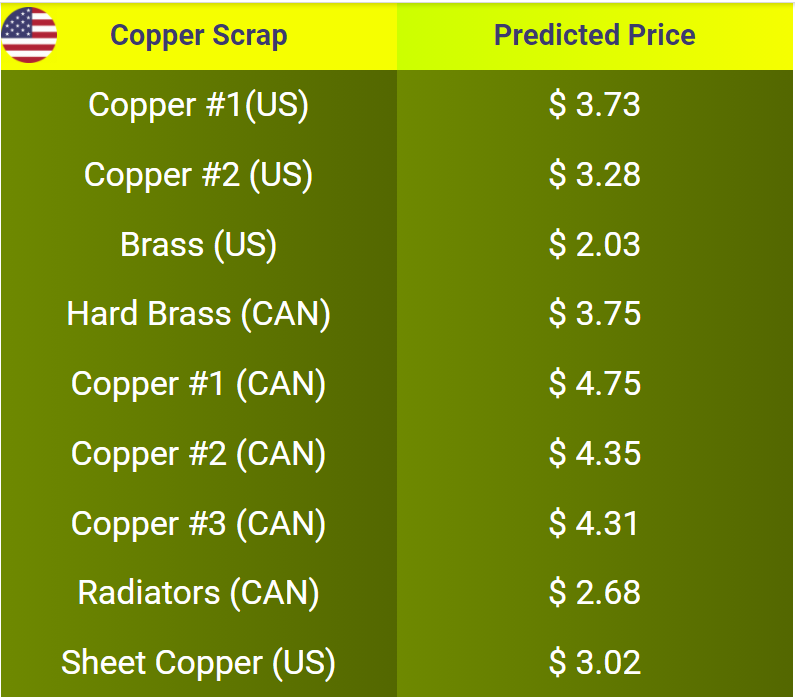
The Fundamentals of Scrap Copper Valuation
The price of scrap copper is determined by a confluence of factors, starting with its quality and extending to the intricate web of global commodity markets and local operational costs. Grasping these foundational elements is essential for accurately assessing the value of any copper material.
Grades of Scrap Copper
Not all copper is created equal in the eyes of a recycler. The purity and condition of scrap copper significantly impact its value, leading to a tiered pricing structure. The cleaner and purer the copper, the less processing it requires, and thus, the higher its price.
- Bare Bright Copper: This is the most valuable grade, consisting of clean, unalloyed, uncoated, untarnished copper wire or cable with a minimum gauge of 16 AWG. It must be free of insulation, terminals, or any other contaminants. Its high purity means minimal processing is needed before it can be re-melted.
- #1 Copper: This grade includes clean, unalloyed copper tubing, bus bars, punchings, clippings, or heavy gauge wire that is free of insulation, solder, paint, or excessive oxidation. It generally contains a minimum of 99.7% copper.
- #2 Copper: This category covers unalloyed copper that contains minor impurities such as solder, light oxidation, or paint. It might include mixed copper tubing with brass fittings, burnt or tinned copper wire, or copper with some surface corrosion. Its purity typically ranges from 94-96%.
- Insulated Copper Wire: This broad category varies widely in value based on the copper content relative to the insulation. Common sub-grades include:
- Heavy Insulated Wire: Larger gauge wires (e.g., household Romex, automotive harnesses) with a significant amount of copper.
- Light Insulated Wire: Smaller gauge wires (e.g., communication cables, appliance cords) with lower copper recovery percentages.
- Data Wire/Category Cable: Often low copper content, sometimes with steel or aluminum components, resulting in lower prices.
- Brass/Bronze: While alloys, not pure copper, they are often processed in conjunction with copper and their prices are heavily influenced by copper values, along with zinc (for brass) or tin (for bronze).
Global Commodity Markets
The bedrock of scrap copper pricing lies in the global commodity markets, particularly the London Metal Exchange (LME) and the COMEX division of the New York Mercantile Exchange (NYMEX). These exchanges provide benchmark prices for refined copper futures contracts, reflecting global supply and demand. Scrap copper prices are typically quoted as a discount to these virgin copper benchmarks. This discount accounts for the costs associated with collecting, sorting, processing, and refining the scrap back into a usable form. Fluctuations in LME or COMEX prices are almost immediately reflected in the prices offered for scrap, making daily monitoring of these markets essential for anyone trading copper.
Regional and Local Market Influences
While global benchmarks set the overarching trend, regional and local factors introduce variability. These include:
- Local Demand: The presence of nearby smelters, foundries, or manufacturers that consume scrap copper can create higher local demand, potentially reducing transportation costs for buyers and leading to better prices for sellers.
- Transportation Costs: The cost of moving scrap copper from collection points to processing facilities is a significant factor. Higher fuel prices or longer distances can diminish the net value of the scrap.
- Competition Among Buyers: In areas with multiple scrap yards or processors, competition can drive prices up slightly. Conversely, a lack of local buyers may result in lower offers.
- Processing Capabilities: Scrap yards with advanced sorting and processing equipment may be able to handle lower-grade materials more efficiently, potentially offering better prices for mixed loads.
- Currency Exchange Rates: For internationally traded scrap or where local currencies fluctuate against the US dollar (the primary currency for commodity trading), exchange rates can significantly impact the profitability for buyers and sellers.
Key Factors Driving Scrap Copper Prices
Copper’s price volatility is legendary, making it imperative to understand the multifaceted forces that create this dynamic environment. These factors extend beyond immediate supply and demand to encompass broader economic, political, and technological trends.
Industrial Demand
Copper is a vital component in countless industries, and their collective health directly correlates with copper prices.
- Construction: Residential and commercial building requires vast amounts of copper for electrical wiring, plumbing, and roofing.
- Automotive: Modern vehicles, particularly electric vehicles (EVs), use significantly more copper than traditional internal combustion engine cars for motors, batteries, and charging infrastructure.
- Electronics: From circuit boards to connectors, copper is fundamental to electronic devices.
- Renewable Energy: Solar panels, wind turbines, and the grid infrastructure required to support them are highly copper-intensive.
- Infrastructure Development: Large-scale public works projects, such as smart cities, public transportation, and power grid upgrades, consume substantial quantities of copper.
Economic Health and Indicators
Copper prices often serve as a leading economic indicator. A robust global economy typically signals higher industrial output and construction, translating into increased demand for copper.
- GDP Growth: Strong Gross Domestic Product growth across major economies generally boosts copper consumption.
- Manufacturing Output: Indices measuring manufacturing activity (e.g., PMI) are closely watched, as increased production often means more copper usage.
- Interest Rates and Inflation: Central bank policies influence borrowing costs and investment. Higher interest rates can slow economic activity, dampening demand. Inflation can also make raw materials more expensive, but persistent inflation might also be a sign of a strong economy, driving up commodity prices.
- Geopolitical Stability: Major conflicts or political instability in key copper-producing or consuming regions can disrupt supply chains or impact demand, leading to price swings.
Supply Dynamics
The availability of copper from mines and recycling efforts plays a critical role in pricing.
- Mining Output: New mine discoveries, production disruptions (e.g., strikes, natural disasters), or changes in mining regulations can affect the global supply of virgin copper.
- Recycling Rates: The efficiency and volume of copper recycling contribute significantly to overall supply. As a highly recyclable material, scrap copper forms a substantial part of the copper supply chain.
- Inventory Levels: Stock levels in major commodity exchanges (LME, COMEX) indicate the immediate balance between supply and demand. Falling inventories often signal tightening supply and higher prices.
Currency Fluctuations
Since commodities like copper are predominantly priced in US dollars, the strength or weakness of the dollar can impact prices for non-dollar denominated buyers. A stronger US dollar makes dollar-denominated copper more expensive for holders of other currencies, potentially dampening demand and pushing prices down. Conversely, a weaker dollar can make copper more attractive, leading to higher prices.
Energy Costs
The copper industry is energy-intensive. Mining, smelting, refining, and transporting copper all require significant energy inputs. Spikes in crude oil or electricity prices can increase production costs, which are then passed on through higher copper prices.
Technological Advancements in Recycling
Innovation in recycling technology can lead to more efficient recovery of copper from complex waste streams. While this might increase overall supply from recycling, it can also stabilize the cost of processing, potentially buffering against extreme price volatility.
Navigating the Market: How to Get the Best Price for Your Scrap Copper
For individuals and businesses looking to sell scrap copper, maximizing returns requires a strategic approach. It’s not just about finding a buyer; it’s about making informed decisions.
Knowing Your Material
The most fundamental step is to accurately identify and sort your scrap copper. Separate bare bright from #1, #1 from #2, and different types of insulated wire. Removing non-copper contaminants (steel, plastic, insulation where possible) can significantly upgrade your material’s grade and, consequently, its value. A clean load of a higher grade will always fetch a better price per pound than a mixed, contaminated load.

Monitoring Market Trends
Stay informed about current copper prices. Websites that track LME and COMEX copper futures are invaluable. Many local scrap yards also post daily prices, often updating them in real-time or at least daily to reflect global market shifts. Patience can sometimes pay off; if prices are historically low, waiting for an uptick might yield better returns, provided storage costs don’t negate the gain.
Choosing the Right Buyer
Not all scrap yards are created equal. Research local and regional buyers.
- Local Scrap Yards: Convenient for smaller quantities, but prices might be slightly lower due to their own processing and transportation costs to larger facilities.
- Larger Processors/Recyclers: Often offer better prices for larger volumes or higher grades due to their economies of scale and direct access to end-users.
- Brokers: For very large industrial quantities, a broker might connect you directly with a smelter or refiner, potentially offering the best rates but requiring specific certifications and logistical capabilities.
Look for buyers with good reputations for fair weighing practices and transparent pricing. Don’t hesitate to call multiple yards for quotes before transporting your material.
Weighing and Documentation
Always ensure your material is weighed accurately. Many reputable scrap yards have certified scales. Request a weight ticket or receipt that clearly details the type of material, its weight, and the price per pound, along with the total payout. This documentation is crucial for your records and for verifying the transaction.
Volume and Relationships
For businesses or frequent sellers, developing a strong relationship with a specific scrap yard can lead to better long-term rates or more favorable payment terms. Larger volumes generally command higher prices per pound, as they reduce the buyer’s per-unit processing and administrative costs. Negotiating a long-term contract for consistent large-volume supply is also an option for industrial generators of scrap.
The Investment Angle: Copper as a Financial Asset
Beyond its physical utility, copper also holds significant appeal as a financial asset, offering various avenues for investment within the “Money” niche. Its role as an economic bellwether and a critical component in future technologies makes it attractive to investors.
Direct Commodity Investment
Investors can gain exposure to copper price movements without physically holding the metal.
- Futures Contracts: These are agreements to buy or sell a specific quantity of copper at a predetermined price on a future date. They are highly liquid but also high-risk due to leverage.
- Exchange-Traded Funds (ETFs) and Exchange-Traded Notes (ETNs): These financial instruments track the price of copper (often via futures contracts) or a basket of commodities that include copper. They offer a more accessible way for retail investors to participate in commodity markets.
Investing in Copper-Related Equities
Another approach is to invest in companies whose fortunes are tied to copper prices.
- Mining Companies: Shares of major copper mining companies (e.g., Freeport-McMoRan, Glencore, Rio Tinto) will generally appreciate when copper prices rise.
- Refiners and Processors: Companies involved in the smelting, refining, and processing of copper.
- Manufacturing Firms: Industries heavily reliant on copper, such as electrical component manufacturers or EV battery producers, can also offer indirect exposure.
Economic Hedging and Diversification
Copper can play a role in a diversified investment portfolio. As a tangible asset, it can sometimes act as a hedge against inflation, and its unique economic sensitivity can provide diversification benefits, particularly during periods of economic expansion where other assets might be lagging.
The Future Outlook for Scrap Copper Prices
The trajectory of scrap copper prices is strongly linked to global macroeconomic trends and the ongoing energy transition.
The Green Transition
The global push towards decarbonization is arguably the most significant long-term driver for copper demand.
- Electrification: The shift from fossil fuels to electricity for transportation, heating, and industrial processes requires vast amounts of copper for wiring, motors, and transformers.
- Electric Vehicles (EVs): EVs use significantly more copper per vehicle than traditional cars, for their batteries, motors, and charging infrastructure.
- Renewable Energy Infrastructure: Solar farms, wind parks, and the expanded grid necessary to transmit this power are highly copper-intensive.
This “green demand” is expected to create a structural deficit in copper supply over the coming decades, potentially pushing both virgin and scrap copper prices higher.
Urbanization and Infrastructure Development
Rapid urbanization and infrastructure upgrades, particularly in emerging economies in Asia and Africa, will continue to fuel substantial demand for copper in construction, utilities, and telecommunications.
Potential Headwinds
While the outlook is generally positive, potential headwinds exist.
- Economic Slowdowns: A severe global recession could temporarily dampen industrial demand, leading to price corrections.
- New Material Substitutions: While challenging for most applications, innovations in materials science could potentially reduce copper’s dominance in certain niche areas, though a widespread replacement is unlikely given copper’s unique properties.
- Oversupply from New Mines: Significant new mine discoveries and accelerated production could temporarily lead to oversupply, though this is often offset by depleting existing reserves and rising demand.
Sustainability and Circular Economy
The increasing global emphasis on sustainability and the circular economy will likely bolster the value and importance of scrap copper. As companies strive to reduce their carbon footprint and governments implement stricter recycling mandates, the demand for recycled copper, with its lower environmental impact compared to virgin mining, is set to grow. This trend could further stabilize or boost scrap copper prices in the long run.
In conclusion, scrap copper prices are a complex interplay of material purity, global market dynamics, industrial demand, economic health, and future-looking trends like the green energy transition. For individuals, businesses, and investors alike, a comprehensive understanding of these factors is paramount for making informed financial decisions in this vital commodity market.
aViewFromTheCave is a participant in the Amazon Services LLC Associates Program, an affiliate advertising program designed to provide a means for sites to earn advertising fees by advertising and linking to Amazon.com. Amazon, the Amazon logo, AmazonSupply, and the AmazonSupply logo are trademarks of Amazon.com, Inc. or its affiliates. As an Amazon Associate we earn affiliate commissions from qualifying purchases.