
The intricate system of currency employed by the Roman Empire was far more than a mere medium of exchange; it was a cornerstone of its vast economy, an instrument of imperial power, and a fascinating precursor to many aspects of modern finance. While many colloquially refer to them simply as “Roman coins,” the actual nomenclature for these ancient financial tools varied significantly across different periods of Roman history, reflecting changes in metallurgy, economic policy, and political structure. Understanding these denominations and their roles provides invaluable insight into the financial mechanics of one of history’s most dominant civilizations.
The Foundations of Roman Monetary System
Rome’s journey from a nascent republic to an expansive empire involved a profound evolution of its monetary system, moving from rudimentary forms of exchange to a sophisticated coinage designed for a complex economy. This progression was not merely technological but deeply economic, reflecting the growing needs of trade, taxation, and military expenditure.
From Barter to Early Coinage
In its earliest days, before the standardized minting of coins, Roman transactions often relied on a system of barter, supplemented by the use of aes rude (“rough bronze”) – irregular lumps of bronze weighed out for each transaction. This represented a rudimentary form of commodity money, where the intrinsic value of the metal itself was the basis of exchange. As the Republic matured, this evolved into aes signatum (“signed bronze”), large cast bronze ingots marked with symbols (like cattle or eagles) that indicated an officially sanctioned weight and purity. This marked a crucial step towards standardizing value, reducing the need for constant weighing, and laying the groundwork for a true monetary system. The inherent challenge with these early forms was their bulkiness and the administrative overhead of verifying weight and purity, making large-scale transactions cumbersome.
The Republic’s Standardized Silver
The mid-3rd century BCE witnessed a transformative shift with the introduction of true struck coinage, designed for wider circulation and greater efficiency in financial dealings. Initially, Rome adopted the didrachm, a Greek-influenced silver coin, but soon developed its own distinctly Roman denominations. The most significant of these was the denarius, introduced around 211 BCE. This silver coin, whose name literally means “containing ten [asses],” quickly became the backbone of the Roman economy. Its introduction coincided with the Second Punic War, highlighting the state’s need for a robust and easily transferable currency to fund its military campaigns and consolidate its growing territorial influence. The denarius provided a stable and widely accepted unit of account, simplifying trade and taxation across a burgeoning empire. Alongside the denarius, other coins like the victoriatus (a silver coin named for the depiction of Victoria) also circulated, though the denarius ultimately emerged as the dominant silver standard.
Major Denominations and Their Economic Impact
The Roman monetary system, particularly after the reforms of Augustus, was characterized by a bimetallic standard of gold and silver, supplemented by base metal coinage. Each denomination played a specific role in the economy, reflecting different levels of wealth and transactional needs, and their values were carefully managed—or mismanaged—by the imperial authorities, with significant financial consequences.
The Denarius: Rome’s Silver Standard
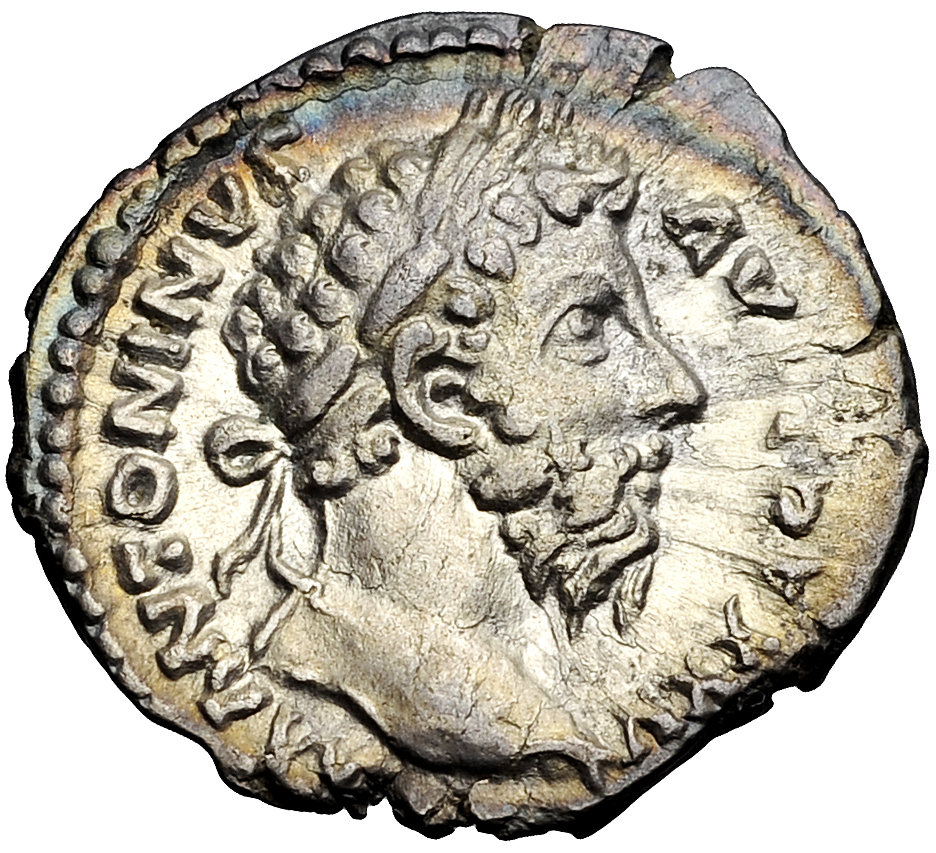
The denarius remained the primary silver coin for centuries, serving as the essential unit for everyday transactions, wages, and military pay. Initially, a denarius contained a high percentage of pure silver, making it a reliable store of value. However, over time, particularly from the reign of Nero onwards, the denarius became subject to significant debasement. Emperors, facing financial pressures from military expenditures, public works, and lavish spending, gradually reduced the silver content, replacing it with cheaper base metals like copper. This inflationary policy had profound economic consequences, leading to price increases, a decline in purchasing power, and often, economic instability. The antoninianus, a larger, double-denarius coin introduced by Caracalla, was an attempt to maintain value but was also rapidly debased, ultimately contributing to the economic crises of the 3rd century CE.
The Aureus: A Golden Investment
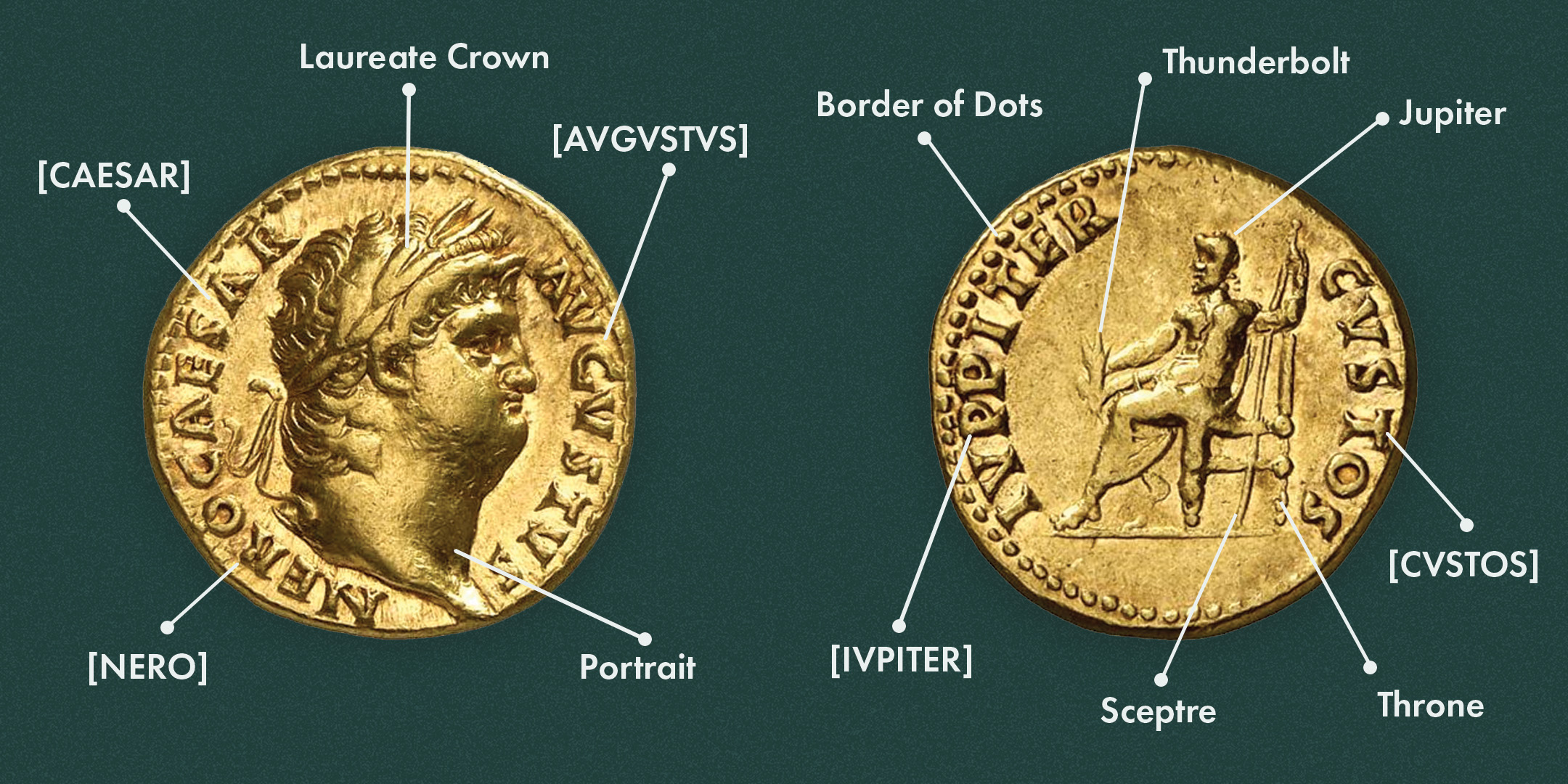
The aureus was the imperial gold coin, introduced during the late Republic but standardized and made a cornerstone of the monetary system by Augustus. Valued at 25 denarii, the aureus was the coin of choice for large transactions, imperial salaries, and significant wealth storage. It represented financial stability and imperial might, often depicting emperors and their achievements, projecting an image of prosperity and authority. Unlike the denarius, the aureus generally maintained a higher degree of purity for longer periods, largely because gold was less susceptible to manipulation for inflationary purposes without causing severe economic backlash. Owning aurei was a clear indicator of wealth and often served as a form of long-term investment or a secure means of transferring large sums. Later, Constantine the Great would replace the aureus with the solidus, another gold coin that became exceptionally stable and influential, underpinning the Byzantine economy for centuries and serving as a model for medieval European coinage.
Lesser Denominations: Asses, Sestertii, and Dupondii
Below the silver and gold standards, Rome also minted a range of base metal coins for smaller transactions. The as (plural: asses), a bronze or copper coin, was the oldest Roman denomination, initially a large cast coin, later a smaller struck one. It served as the foundational unit, with the denarius originally valued at 10 asses. The sestertius (plural: sestertii), originally a small silver coin, was reintroduced as a large brass coin by Augustus, valued at 4 asses. These substantial coins were popular for public displays of imperial messages and were often used for medium-sized transactions. The dupondius, a brass coin valued at 2 asses, sat between the as and the sestertius. These bronze and brass coins were crucial for the everyday economy, allowing for granular financial exchanges in markets and among common citizens. Their presence ensured that the monetary system catered to all levels of economic activity, from imperial spending to daily purchases.

Understanding Purchasing Power and Inflation
Understanding Roman coins isn’t just about their names; it’s about their economic weight. The purchasing power of these coins varied immensely across different periods and regions. For instance, an average legionary’s pay during the early Principate might have been around 225 denarii per year, a sum that needed to cover living expenses, equipment, and savings. The debasement of the silver denarius led to significant inflation, diminishing the real wages of soldiers and civilians alike. This economic instability was a major factor contributing to social unrest and military disaffection during the Crisis of the Third Century. Emperors like Diocletian attempted comprehensive price edicts (e.g., the Edict on Maximum Prices) to combat inflation, but these measures were largely ineffective, demonstrating the complex interplay between currency management, market forces, and political stability, a lesson echoed in modern financial history.
Roman Coins in Modern Finance: Investment and Collectibility
Today, Roman coins transcend their historical function to occupy a unique niche in modern finance as tangible assets, often falling under the umbrella of numismatics—the study and collection of currency. For many, these ancient artifacts represent not just history, but a distinct investment class with its own market dynamics and value drivers.
Numismatics as a Tangible Asset Class
Collecting Roman coins is a passion for many, but it is also increasingly recognized as a viable form of investment. Unlike traditional paper currencies or digital assets, Roman coins are tangible, finite, and carry intrinsic historical value. Their appeal as investments stems from their limited supply and growing demand from collectors, historians, and investors seeking diversification outside conventional markets. As a tangible asset, Roman coins can offer a hedge against inflation and market volatility, much like art or other rare collectibles, provided the investor possesses the requisite knowledge and acts with due diligence. This investment strategy requires a long-term perspective, as significant appreciation often takes time.
Factors Influencing Value: Rarity, Condition, and Provenance
The financial value of a Roman coin is determined by several critical factors. Rarity is paramount; coins struck in limited numbers, for short periods, or those commemorating rare events or obscure emperors, command higher prices. For example, a rare aureus of an ephemeral emperor can be worth substantially more than a common denarius of Augustus. Condition is equally crucial, often assessed using standardized grading scales (e.g., from Fair to Uncirculated). A coin with sharp details, minimal wear, and an attractive patina will fetch a premium over a heavily worn or damaged specimen. Provenance, the documented history of ownership, also adds significant value, especially for rare or high-value coins, as it verifies authenticity and can prevent issues related to illicit excavation or trade. Coins from well-known collections or with documented auction histories are often more desirable and command higher prices. Understanding these factors is essential for anyone considering Roman coins as an investment.
Market Dynamics and Authentication
The market for Roman coins is global, with active trading among specialized dealers, auction houses, and online platforms. Investors must navigate this market carefully, as counterfeits and misattributed coins are a concern. Authentication by reputable numismatic experts or grading services (like NGC Ancients or PCGS Currency) is highly recommended for significant purchases. These services provide expert opinions on authenticity, grade the coin’s condition, and often encapsulate them in tamper-evident holders, enhancing liquidity and buyer confidence. Like any specialized market, prices can fluctuate based on economic trends, new archaeological finds, and shifts in collector preferences, making informed analysis and expert consultation indispensable for sound financial decisions.
The Enduring Financial Legacy of Roman Coinage
The sophisticated monetary system of Rome, with its diverse denominations and imperial oversight, left an indelible mark on subsequent financial practices and laid many of the conceptual foundations for modern economic systems.
Standardization and Imperial Economic Control
The Roman emphasis on standardized coinage, particularly the relatively stable gold aureus and solidus, provided a powerful tool for imperial economic control. A unified currency facilitated trade across vast distances, simplified taxation, and ensured that soldiers could be paid reliably regardless of their station. This level of monetary integration was unprecedented and contributed significantly to the cohesion and longevity of the empire. The ability of the central government to mint, manage, and, at times, manipulate its currency underscores the power of a centralized monetary authority, a concept that underpins contemporary central banking. While debasement caused issues, the aspiration for a universal, stable currency within a vast economic zone was a testament to Roman financial ingenuity.
The Roman Influence on Western Monetary Systems
Many aspects of Roman coinage profoundly influenced the development of Western monetary systems. The very concept of a standardized, government-backed currency, complete with portraits of rulers and symbolic imagery, was largely inherited from Rome. The stability of the solidus, in particular, set a benchmark for gold coinage that endured for over a millennium, influencing the creation of gold standards in various medieval and early modern European states. Even the names of some Roman denominations, like the denarius, are echoed in later currencies (e.g., the dinar in many Arab countries, or the penny’s abbreviation ‘d.’ for denarius in pre-decimal British currency). The Roman experience with inflation, debasement, and attempts at price controls offers timeless lessons on the complexities of monetary policy and its impact on economic stability, making these ancient coins not just historical artifacts but practical case studies in financial management.
aViewFromTheCave is a participant in the Amazon Services LLC Associates Program, an affiliate advertising program designed to provide a means for sites to earn advertising fees by advertising and linking to Amazon.com. Amazon, the Amazon logo, AmazonSupply, and the AmazonSupply logo are trademarks of Amazon.com, Inc. or its affiliates. As an Amazon Associate we earn affiliate commissions from qualifying purchases.