
In the world of high-stakes real estate and commercial land investment, the value of an asset is rarely determined by the soil alone. Instead, value is often dictated by the invisible legal threads that tie a property to the natural resources surrounding it. Among these, water rights represent one of the most critical—and often misunderstood—components of property valuation. Specifically, riparian water rights serve as a fundamental legal doctrine that can either significantly appreciate a property’s market value or, if misunderstood, lead to catastrophic financial liability.

For investors, business owners, and financial planners, understanding riparian rights is not merely a legal exercise; it is a core component of due diligence. As water becomes an increasingly scarce commodity, the “liquid gold” attached to a deed can define the long-term ROI of an acquisition.
1. Understanding Riparian Rights as a Financial Asset
At its core, the riparian doctrine is a system for allocating water among those who possess land along its path. Originating from English Common Law and widely utilized in the eastern United States, this doctrine grants landowners whose property touches a natural body of water (such as a river, stream, or lake) the right to make “reasonable use” of that water.
The Core Principles of Riparian Ownership
From a financial perspective, riparian rights are “appurtenant” to the land, meaning they are a permanent part of the real estate asset. Unlike other forms of water rights that can be sold separately (like a stock or a bond), riparian rights usually transfer automatically with the title. This makes the physical boundary of the property a direct gateway to a vital resource.
The two primary pillars of these rights are:
- The Right of Access: The owner has the legal right to access the water for navigation, fishing, and domestic use.
- Reasonable Use: The owner may divert or use the water for various purposes—such as irrigation, manufacturing, or power generation—provided their use does not unreasonably interfere with the rights of other downstream riparian owners.
Water as a Multiplier for Property Valuation
In the “Money” niche, we look at multipliers. A 100-acre plot of arid land might be valued at a baseline rate, but that same acreage with deeded riparian rights to a high-flow river can command a premium of 30% to 200% higher. This is because the water acts as a utility that the owner does not have to pay a municipality for. For commercial agricultural operations or industrial plants, this “free” access to water represents a massive reduction in operational expenditures (OPEX), which directly boosts the Net Operating Income (NOI) and the eventual exit price of the property.
2. Riparian vs. Prior Appropriation: Navigating Regional Financial Risks
For the savvy investor, geography dictates the legal framework—and the legal framework dictates the risk profile. In the United States, water law is split roughly down the middle of the country, creating two very different financial landscapes.
The Eastern Model: Riparianism and Shared Risk
In the humid Eastern U.S., the Riparian Doctrine prevails. The financial advantage here is that rights are generally “equal.” If you own land on the water, you have a right to it. However, the risk is “uncertainty.” Because the law relies on the “reasonable use” standard, a drought could lead to a court re-evaluating what is “reasonable,” potentially forcing you to scale back operations to accommodate your neighbors. This creates a shared-risk environment where your asset’s utility is tied to the behavior of the entire watershed.
The Western Model: Prior Appropriation and Marketable Rights
In the more arid Western U.S., the “Prior Appropriation” doctrine takes over. This is the “First in time, first in right” rule. Here, water rights are often decoupled from the land itself and can be bought, sold, or leased like a commodity.
- Senior Rights: These are the “Blue Chip” stocks of the water world. They have the oldest priority dates and are rarely shut off, making the land they are attached to incredibly stable and valuable.
- Junior Rights: These are speculative. In a dry year, a junior right holder may receive zero water, rendering a multi-million dollar farming operation worthless for that season.
Investors moving between these regions must adjust their financial models. In a riparian system, you are buying a shared natural resource. In a prior appropriation system, you are buying a specific, ranked priority in a queue.
3. The Economic Implications of Water Scarcity and Regulation
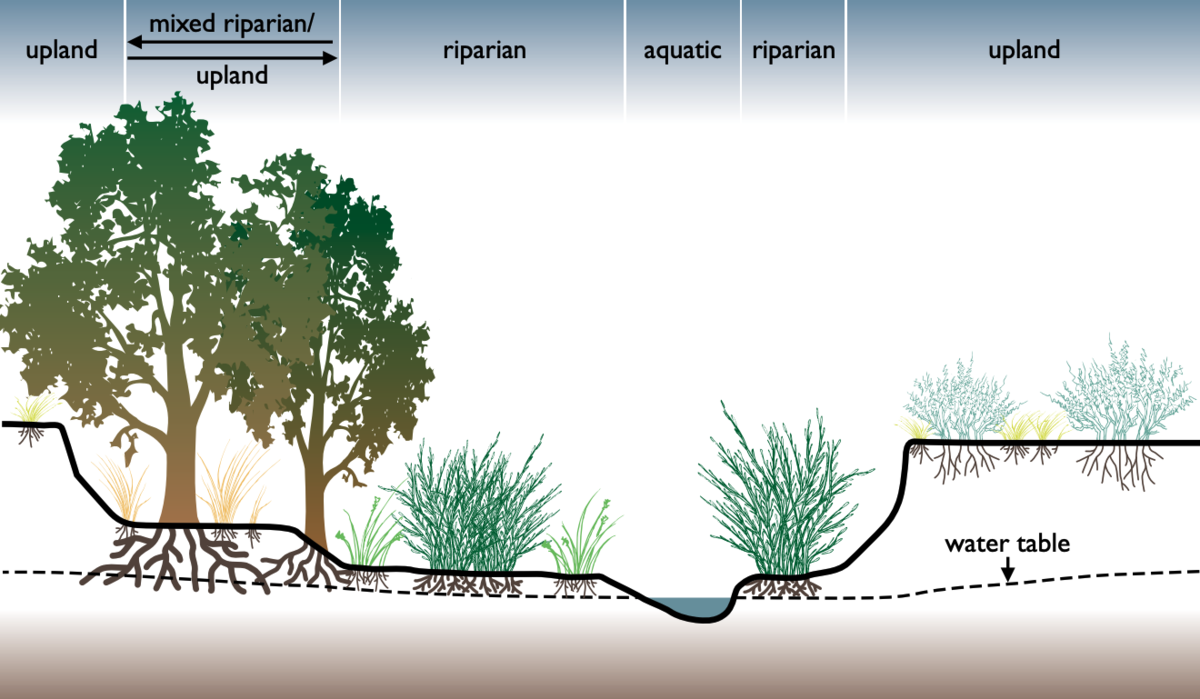
As climate volatility increases, water rights are moving from the “legal” column of a balance sheet to the “strategic risk” column. The financial impact of how water is managed can make or break a corporate expansion or a real estate development.
Navigating “Reasonable Use” Litigation
One of the highest “hidden costs” of riparian property is the potential for litigation. Since “reasonable use” is a subjective term, disputes between upstream and downstream owners are common. If an upstream industrial park consumes or pollutes a significant portion of a river, the downstream agricultural or residential owners may sue for damages.
For a business, the legal fees alone can erode the profitability of a project. Furthermore, an injunction that halts water use during a trial can lead to a total cessation of production, resulting in lost contracts and reputational damage.
Regulatory Impacts on Agricultural and Industrial ROI
Beyond neighbor disputes, state and federal regulations (such as the Clean Water Act) impose strict standards on how riparian owners treat the water.
- Compliance Costs: Investing in filtration and discharge management to ensure the water returned to the stream is clean is a significant capital expenditure (CAPEX).
- Permitting: Even with riparian rights, large-scale withdrawals often require state permits. The time and administrative cost of securing these permits must be factored into the initial internal rate of return (IRR) calculations for any land development project.
4. Due Diligence: Protecting Your Investment Portfolio
When acquiring land with riparian rights, a standard home inspection or land survey is insufficient. Professional investors must treat water rights with the same scrutiny as they would a company’s debt-to-equity ratio.
Title Searches and Water Audits
A standard title search may confirm you own the land, but it won’t always clarify the strength of your water rights. Investors should commission a Water Rights Audit. This involves:
- Checking for “severed rights” (where a previous owner might have legally separated and sold the water rights).
- Reviewing historical usage records to ensure the right hasn’t been abandoned or diminished through non-use.
- Confirming the flow rates of the water source over a 20-year period to account for cyclical weather patterns.
Assessing Future-Proofing and Climate Risks
In the “Money” niche, we prioritize sustainability—not just for the environment, but for the portfolio. A property with riparian rights on a river fed by a receding glacier or a diminishing aquifer is a “melting iceberg” asset. The value may look good today, but the 10-year outlook is grim. Due diligence must include hydrological forecasting to ensure the water will be there when it comes time to sell the asset a decade down the road.
5. Monetizing Water Rights in the Modern Economy
While many see water rights as a means to an end (i.e., for farming or manufacturing), they are increasingly becoming a standalone income-generating asset.
Leasing and Transfers
In some jurisdictions, “water banking” allows owners to lease their unused water portions to municipalities or other businesses. This creates a stream of passive income that is uncorrelated with the stock market. For a landowner, this is essentially “renting out” a natural resource, providing a steady cash flow while retaining the underlying land asset.
Environmental Credits and Mitigation Banking
A new frontier in the finance of water is Mitigation Banking. If your riparian land includes wetlands or critical riparian buffers, you may be able to earn “credits” for preserving or restoring these areas. These credits can then be sold to developers who are required by law to offset their environmental impact elsewhere. This turns a “restriction” on land use into a high-margin financial product, often yielding returns that exceed traditional agricultural or residential development.
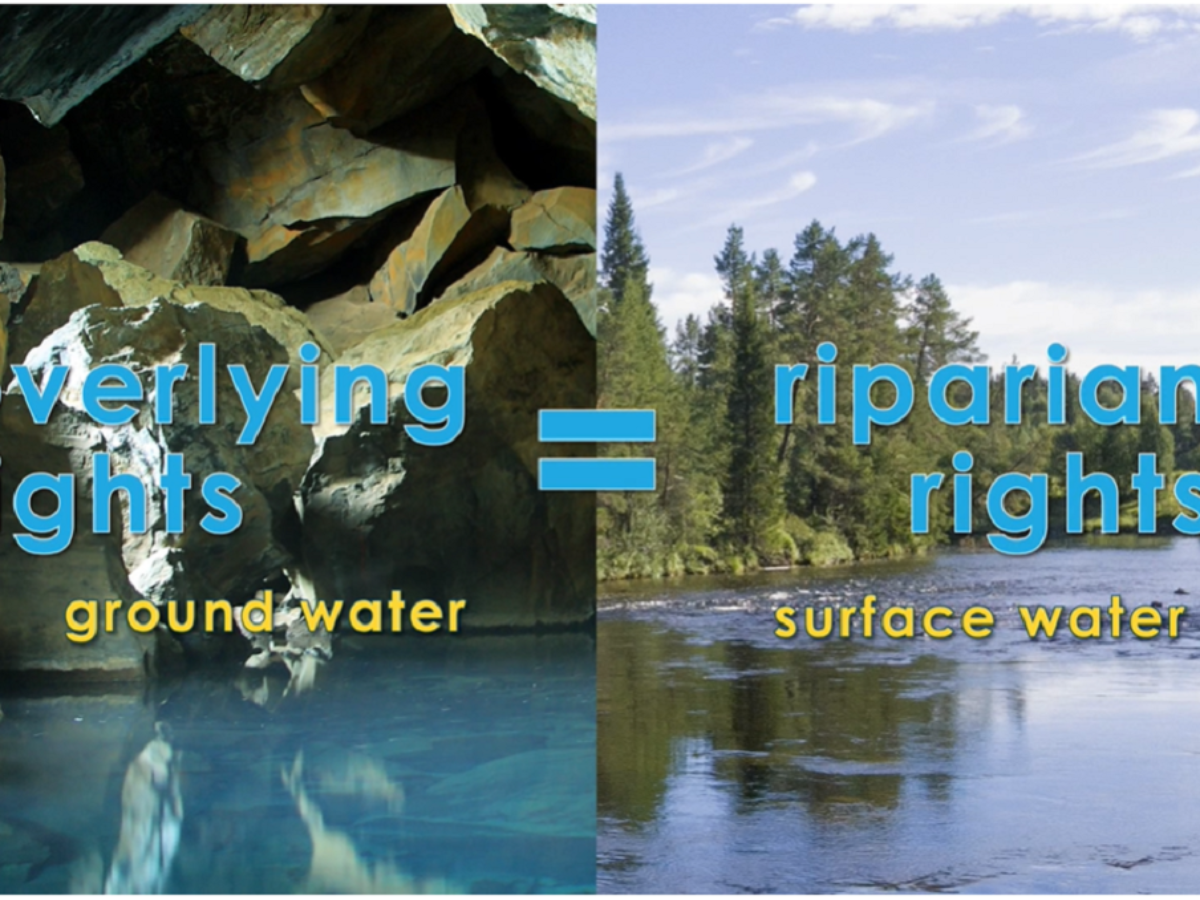
Conclusion: The Strategic Value of the Riparian Dividend
In the current economic climate, where traditional assets are subject to high volatility and inflation, land with secured riparian water rights stands as a pillar of tangible value. Whether you are a personal investor looking for a legacy property, a corporate entity securing a supply chain, or a developer looking for the next high-margin project, water rights are the ultimate hedge.
Understanding what riparian water rights are is the first step; understanding how to value, protect, and monetize them is what separates a standard investment from a generational wealth-building strategy. In the final analysis, the land may provide the space, but the water provides the life—and the profit. When you buy the bank, you aren’t just buying the dirt; you are buying the right to the flow of the future.
aViewFromTheCave is a participant in the Amazon Services LLC Associates Program, an affiliate advertising program designed to provide a means for sites to earn advertising fees by advertising and linking to Amazon.com. Amazon, the Amazon logo, AmazonSupply, and the AmazonSupply logo are trademarks of Amazon.com, Inc. or its affiliates. As an Amazon Associate we earn affiliate commissions from qualifying purchases.