
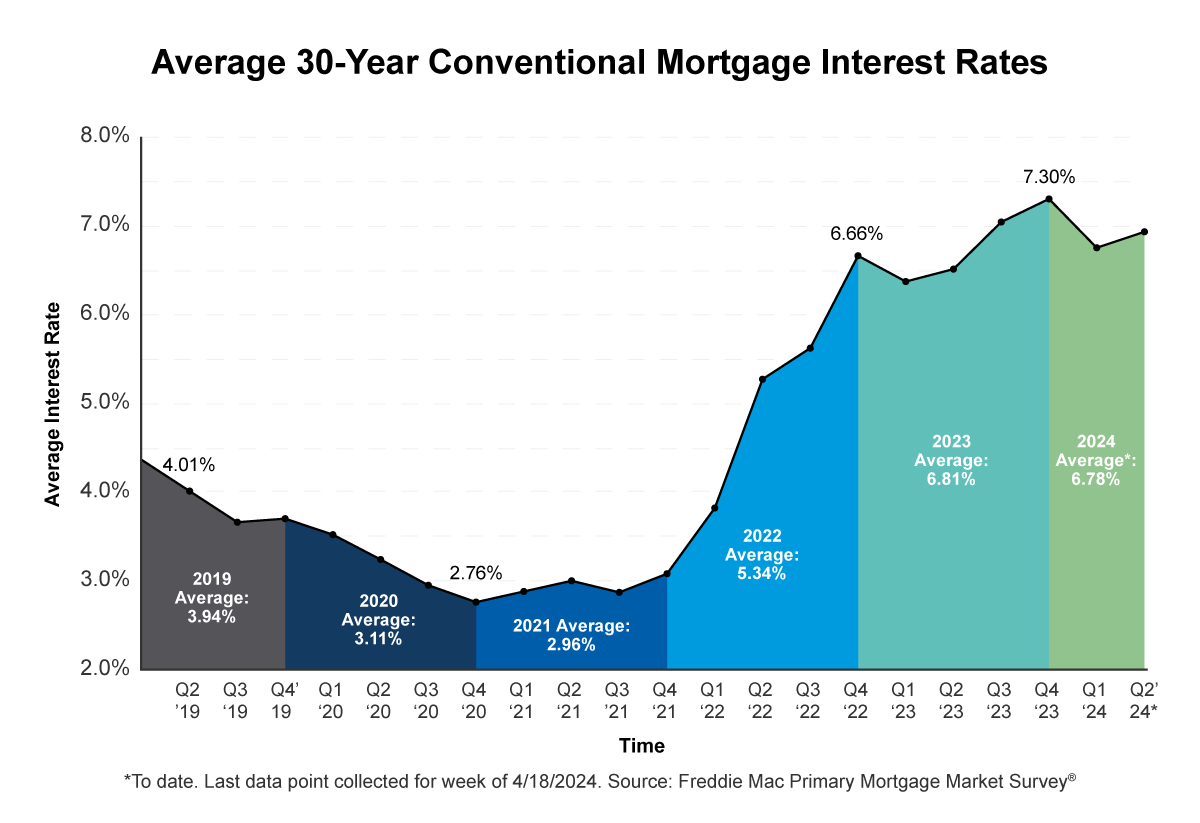
For homeowners across the country, the question “What are refi rates today?” is more than just a passing curiosity—it is a critical inquiry into personal wealth management. The mortgage landscape has shifted dramatically over the past few years, moving from the historic lows of the early 2020s to a more volatile, higher-rate environment. Understanding today’s refinance rates requires more than just looking at a ticker; it requires an appreciation for macroeconomic trends, an understanding of lender mathematics, and a clear-eyed assessment of one’s own financial health.
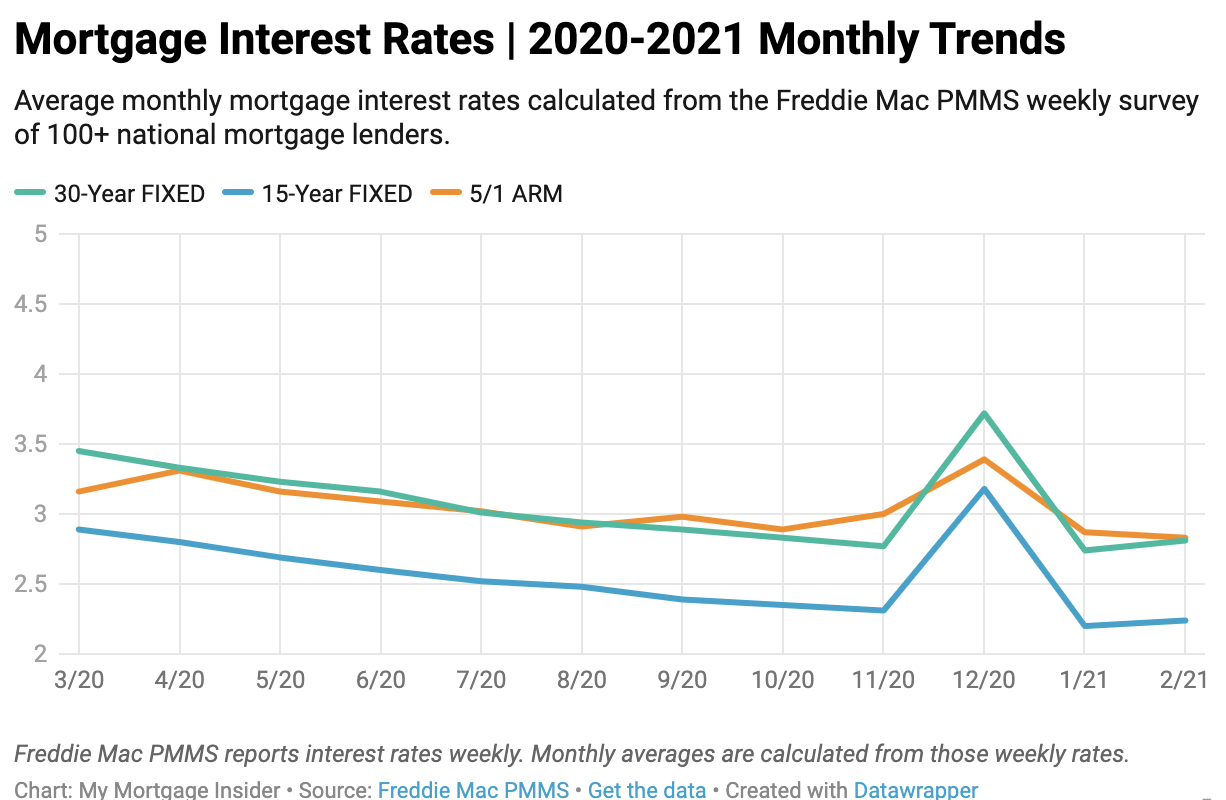
Refinancing a mortgage is essentially the process of replacing an existing debt obligation with a new one under different terms. Whether your goal is to lower your monthly payment, shorten your loan term, or tap into your home’s equity, the prevailing interest rates serve as the primary lever for success. In this guide, we will explore the mechanisms that drive today’s rates and how you can position yourself to secure the best possible deal.
Decoding the Factors Behind Today’s Refinance Rates
To understand why refinance rates are at their current levels, one must look toward the broader economy. Interest rates do not exist in a vacuum; they are the result of a complex interplay between government policy, investor sentiment, and global economic health.
The Role of the Federal Reserve and Monetary Policy
While the Federal Reserve does not directly set mortgage rates, its influence is profound. The Fed sets the federal funds rate—the interest rate at which commercial banks borrow and lend to each other overnight. When the Fed raises rates to combat inflation, the cost of borrowing increases across the board. Mortgage lenders respond by raising rates on 15-year and 30-year products to maintain their profit margins. Conversely, when the Fed signals a “dovish” or easing stance, mortgage rates often begin to soften in anticipation of cheaper capital.
Economic Indicators: Inflation and the 10-Year Treasury Yield
A more direct barometer for mortgage and refinance rates is the yield on the 10-year Treasury note. Because mortgages are often packaged into Mortgage-Backed Securities (MBS) and sold to investors, they must compete with other low-risk investments like government bonds. When inflation is high, investors demand higher yields to protect their purchasing power, which pushes mortgage rates upward. Monitoring the spread between the 10-year Treasury yield and the average 30-year fixed mortgage rate can provide homeowners with a clear picture of whether today’s rates are “fair” or inflated due to market volatility.
Why Refinance Rates Often Differ from Purchase Rates
It is a common misconception that refinance rates and purchase rates are identical. In many market cycles, refinance rates carry a slight premium—often 0.125% to 0.50% higher than purchase rates. This is because lenders view refinances, particularly cash-out options, as slightly higher risk. Additionally, during periods of high demand, lenders may raise refi rates to prioritize purchase applications, which are often more time-sensitive. Understanding this “refi premium” is essential for setting realistic expectations when shopping for a new loan.
Exploring Different Refinancing Structures and Their Benefits
Not all refinances are created equal. The strategy you choose should align with your broader financial goals, whether that is immediate cash flow or long-term interest savings.
Rate-and-Term Refinance: Lowering Your Monthly Obligation
The most traditional form of refinancing is the rate-and-term refinance. This involves changing the interest rate, the length of the loan, or both, without taking additional cash out of the property. For those who purchased a home when rates were peaking, a rate-and-term refinance becomes attractive the moment market rates drop by roughly 0.5% to 1%. The primary benefit here is the reduction of the monthly principal and interest payment, freeing up capital for other investments or lifestyle expenses.
Cash-Out Refinancing: Leveraging Home Equity for Liquidity
In a cash-out refinance, you take out a new mortgage for more than you owe on your current home and pocket the difference in cash. This has become a popular tool for personal finance management, allowing homeowners to consolidate high-interest credit card debt, fund home renovations that increase property value, or provide capital for a side business. However, because you are increasing your total debt and potentially taking on a higher interest rate than your original loan, this move requires a rigorous cost-benefit analysis.
15-Year vs. 30-Year Fixed: Balancing Short-Term Cost and Long-Term Savings
When looking at today’s rates, you will notice that 15-year fixed rates are consistently lower than 30-year rates. This is because the lender’s risk is shorter in duration. Choosing a 15-year term can save a homeowner hundreds of thousands of dollars in interest over the life of the loan. However, the trade-off is a significantly higher monthly payment. For those in the “Money” niche focused on aggressive wealth building, the 15-year refinance is a powerful tool to achieve a debt-free lifestyle sooner.
The Financial Math: Calculating Your Break-Even Point
The most critical question in refinancing is not “What is the rate?” but rather “When will I break even?” Refinancing is not free; it involves closing costs that typically range from 2% to 5% of the loan amount.
Accounting for Closing Costs and Origination Fees
Closing costs include appraisal fees, title insurance, origination fees, and credit report charges. If your closing costs are $6,000 and your new mortgage saves you $200 a month, it will take you 30 months (2.5 years) just to recoup the cost of the refinance. If you plan to move within two years, refinancing—even at a lower rate—would actually result in a net financial loss.
The Rule of Thumb: When is a Rate Cut Significant Enough?
Old conventional wisdom suggested that you should only refinance if you could drop your rate by at least 2%. In today’s sophisticated financial market, that rule is outdated. For high-balance loans, even a 0.5% reduction can result in substantial monthly savings. The key is to run the numbers through a refinance calculator that accounts for “points”—upfront fees paid to buy down the interest rate. Sometimes, paying points makes sense if you plan to stay in the home for a decade or more, as the long-term interest savings will far outweigh the initial cost.
Opportunity Cost and Your Planned Length of Residency
Money spent on a refinance is money that is not being invested in the stock market or a high-yield savings account. When assessing today’s rates, consider the opportunity cost. If you are 20 years into a 30-year mortgage, restarting the clock with a new 30-year loan might lower your payment, but it will drastically increase the total interest paid over time. In this scenario, refinancing into a shorter term or simply making principal-only payments on your current loan might be the wiser financial move.
How to Position Yourself for the Most Competitive Rates
Lenders do not offer the same rate to everyone. The “advertised” rates you see online are typically reserved for “prime” borrowers with impeccable financial profiles.
Optimizing Your Credit Profile for Top-Tier Pricing
Your credit score is the single most influential factor in the rate you are quoted. To secure the lowest refi rates today, aim for a score of 760 or higher. Before applying, ensure your credit utilization is low and that there are no errors on your report. Even a 20-point difference in your score can move you into a different “pricing tier,” potentially saving you tens of thousands of dollars over the life of the loan.
Managing Your Debt-to-Income (DTI) Ratio
Lenders want to see that you aren’t overextended. Your DTI ratio—the percentage of your gross monthly income that goes toward debt payments—should ideally be below 36%, though some programs allow up to 43% or higher. If your DTI is high, consider paying off a car loan or a small credit card balance before applying for a refinance. This reduces the lender’s perceived risk and can lead to a more favorable rate offer.
The Power of Comparison: Shopping Multiple Lenders
The mortgage market is highly competitive. Rates can vary significantly between big banks, credit unions, and online mortgage brokers. Research has consistently shown that borrowers who get at least three quotes save an average of $1,500 to $3,000 over the life of the loan. Don’t just look at the interest rate; look at the “Annual Percentage Rate” (APR), which includes the interest rate plus fees, providing a more accurate “apples-to-apples” comparison of the total cost of credit.
Strategic Alternatives When Rates Are Elevated
If today’s refi rates are higher than the rate on your current mortgage, a traditional refinance likely doesn’t make sense. However, there are other ways to manage your home equity and debt.
Home Equity Lines of Credit (HELOCs) vs. Refinancing
If you have a 3% mortgage rate from 2021, you should be very hesitant to give it up. If you need cash for a project, a HELOC or a Home Equity Loan may be a better choice. These are “second mortgages” that sit behind your primary loan. While the interest rate on a HELOC is typically higher than a first mortgage rate, you only pay that higher rate on the amount you borrow, leaving your low-interest primary mortgage untouched.
Recasting Your Current Mortgage: An Underutilized Tool
If you have a large sum of cash and want to lower your monthly payment without changing your interest rate, ask your lender about “recasting.” In a recast, you make a large principal payment, and the lender recalculates your monthly payments based on the new, lower balance and the remaining term. The fee for this is usually minimal (around $250-$500), and it avoids the high closing costs of a full refinance.
Monitoring the Market for Future Opportunities
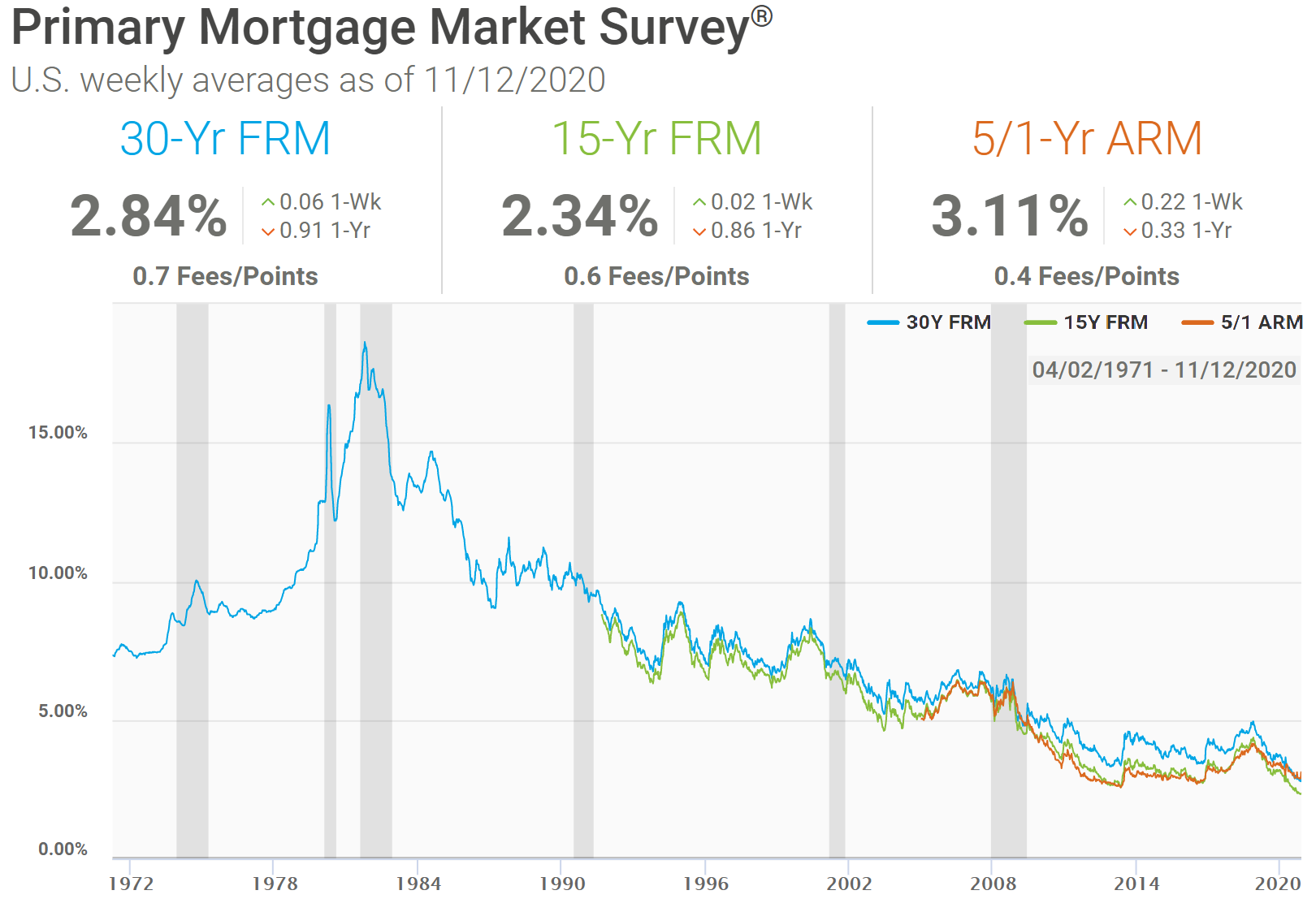
The financial markets are cyclical. While rates may be higher today than they were two years ago, they are still historically moderate when compared to the 1980s or 1990s. By staying informed on inflation data and Federal Reserve announcements, you can be ready to strike when the market dips. In the world of personal finance, patience is often rewarded with lower premiums and better terms.
In conclusion, determining “what refi rates are today” is the first step in a larger journey of financial optimization. By understanding the underlying economic drivers, calculating your break-even point, and polishing your financial profile, you can transform your home from a mere shelter into a strategic engine for wealth creation. Whether you choose to lock in a rate now or wait for a future shift, staying educated is your best defense against market volatility.
aViewFromTheCave is a participant in the Amazon Services LLC Associates Program, an affiliate advertising program designed to provide a means for sites to earn advertising fees by advertising and linking to Amazon.com. Amazon, the Amazon logo, AmazonSupply, and the AmazonSupply logo are trademarks of Amazon.com, Inc. or its affiliates. As an Amazon Associate we earn affiliate commissions from qualifying purchases.