
The landscape of digital interaction has undergone a profound transformation, moving from static web pages to dynamic, interactive applications. For years, the digital experience was largely bifurcated: websites offered broad accessibility but limited functionality, while native mobile apps provided rich, integrated experiences but were confined to specific operating systems and required burdensome downloads. This distinction often forced businesses and developers to make difficult choices, sacrificing reach for richness or vice-versa. Enter Progressive Web Apps (PWAs), a revolutionary technology designed to bridge this chasm, offering the best of both worlds and redefining user expectations for web and mobile interactions.
The Evolution of Web and Mobile Experiences
The journey to PWAs is rooted in the continuous quest for better, more seamless digital engagement. Initially, the web was king, accessible to anyone with a browser, regardless of their device. Its strength lay in its universality and ease of access; a single URL could reach billions. However, as mobile devices proliferated, users began demanding experiences tailored to their smartphones – experiences that felt fast, integrated, and responsive, often even offline.
The Limitations of Traditional Approaches
Native mobile applications, developed specifically for iOS or Android, answered this call. They offered unparalleled performance, access to device hardware (like cameras, GPS, and push notifications), and could function offline. However, they came with significant drawbacks: high development costs for multiple platforms, mandatory app store submissions and stringent review processes, large download sizes, and the friction of installation. Users often hesitated to download new apps, especially for services they might only use occasionally. On the other hand, traditional mobile websites, while universally accessible, often lagged in performance, lacked offline capabilities, and couldn’t offer the deep system integration found in native apps. This created a fragmented user experience and a dilemma for businesses.
Bridging the Gap
Recognizing this growing disparity, tech innovators sought a way to combine the reach of the web with the rich features of native apps. The concept of Progressive Web Apps emerged as a powerful solution. PWAs are not a new framework or technology in themselves, but rather a set of best practices and modern web technologies that, when applied, transform a regular website into an app-like experience. They aim to deliver reliability, speed, and engagement, all while maintaining the core principles of web accessibility and universality. The goal is simple yet profound: to create web applications that are discoverable through search engines, instantly accessible via a URL, and yet offer the installable, offline-capable, and engaging features typically associated with native mobile applications.
Defining Progressive Web Apps: Core Characteristics
At their heart, Progressive Web Apps are websites that leverage modern web capabilities to deliver an app-like user experience. They are designed to be reliable, fast, and engaging, irrespective of network conditions or device. The “progressive” in PWA signifies their ability to work for every user, regardless of browser choice, by utilizing progressive enhancement principles. They start as traditional websites and progressively gain more advanced features as the user’s browser and network conditions allow.
Reliability: Offline Access and Instant Loading
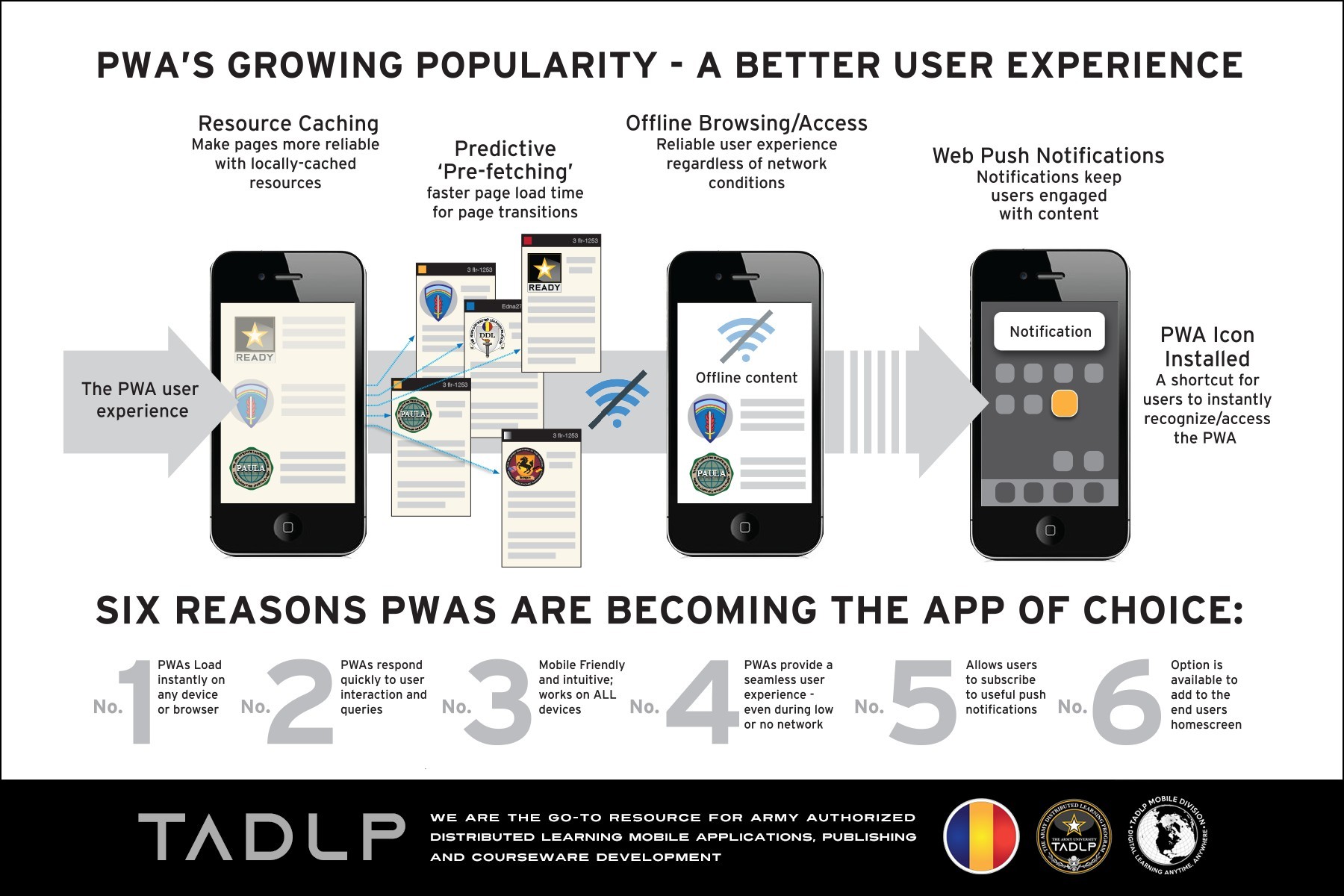
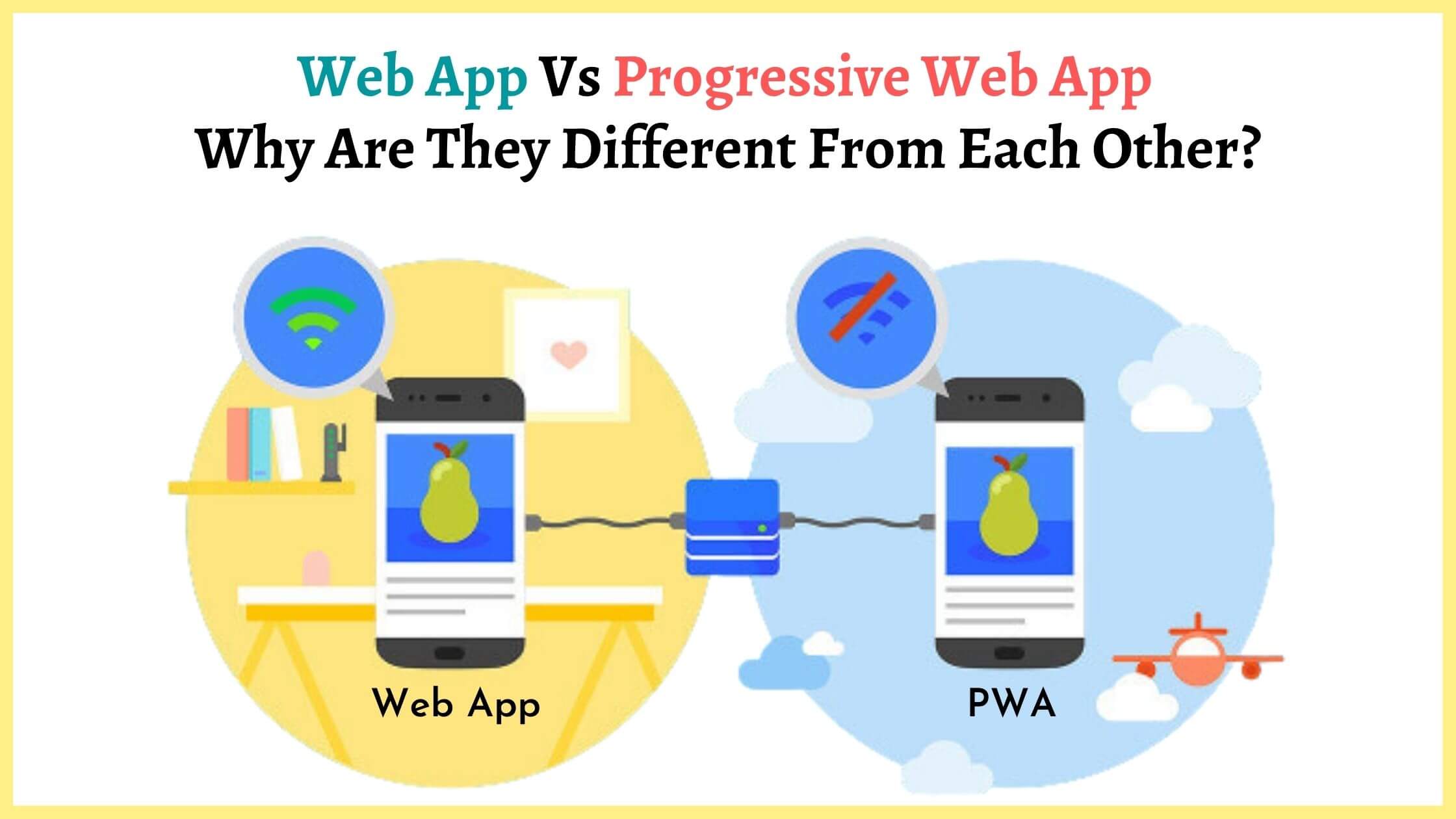
One of the most defining characteristics of a PWA is its reliability. Thanks to a technology called Service Workers, PWAs can cache essential resources, allowing them to load almost instantly even on flaky networks or completely offline. This eliminates the frustrating “dinosaur page” or endless spinning loaders, providing a consistent experience. When a user revisits a PWA, it doesn’t need to fetch all its assets again, resulting in near-instant load times and improved user retention, particularly in areas with unreliable internet connectivity.
Speed: Smooth Interactions and Responsiveness
PWAs are engineered for speed. They prioritize fast loading and smooth, responsive interactions. By optimizing code, images, and leveraging caching mechanisms through Service Workers, PWAs minimize the time to interactive. This responsiveness extends to their design, which is typically fluid and adaptive, ensuring an optimal viewing and interaction experience across a multitude of screen sizes, from smartphones to desktops. The goal is to eliminate lag and provide an experience that feels as immediate and fluid as a native app.
Engagement: App-like Feel and Notifications
PWAs excel at re-engaging users. Once added to a user’s home screen, they can launch in a standalone, full-screen mode, devoid of browser UI elements, providing an immersive experience identical to a native app. This eliminates the distraction of browser tabs and address bars, focusing the user’s attention solely on the application content. Furthermore, PWAs can leverage Web Push Notifications, allowing developers to send timely and relevant updates directly to a user’s device, even when the browser is closed. This capability is a critical tool for driving re-engagement and informing users about new content, special offers, or important events, mirroring a key feature of native applications.
Progressive Enhancement: Universal Accessibility
The “progressive” aspect is foundational. PWAs are built with a philosophy of progressive enhancement. This means they are designed to work for everyone, everywhere. At their most basic, they function as standard websites, accessible via any browser. As the user’s browser supports more advanced features (like Service Workers, Web App Manifests, etc.), the PWA gracefully upgrades its capabilities, offering an increasingly richer and more app-like experience. This ensures backward compatibility while embracing cutting-edge functionalities, making them incredibly robust and universally accessible.
The Underlying Technologies Driving PWAs
PWAs are not a single technology but a convergence of modern web standards and APIs that work in concert to deliver their unique capabilities. These foundational technologies are what empower PWAs to transcend the limitations of traditional websites and emulate native app features.
Service Workers: The Heart of Offline Capability
Service Workers are perhaps the most crucial technology enabling PWAs. They are client-side JavaScript files that run in the background, separate from the main browser thread. This gives them immense power: they can intercept network requests, cache resources, and serve content from the cache even when offline. They act as a programmable proxy between the browser and the network, allowing developers granular control over how network requests are handled. This is what enables instant loading, offline functionality, and intelligent caching strategies, making PWAs reliable even in adverse network conditions.
Web App Manifests: Installation and Home Screen Integration
A Web App Manifest is a simple JSON file that provides information about a web application. It includes details such as the app’s name, short name, start URL, icons in various sizes, display mode (e.g., fullscreen, standalone), theme color, and background color. When a user “installs” a PWA (typically prompted by the browser after sufficient engagement), the browser uses the information in the manifest to add an icon to the user’s home screen or application launcher. This allows the PWA to launch like a native app, complete with its own icon and splash screen, creating a truly integrated experience.
HTTPS: Security and Trust
Security is paramount for any modern web application, and it’s a non-negotiable requirement for PWAs. All Progressive Web Apps must be served over HTTPS. This ensures that all communication between the user’s browser and the server is encrypted, protecting data integrity and user privacy. The secure context provided by HTTPS is also a prerequisite for many advanced web APIs, including Service Workers and Push Notifications, underscoring its foundational role in PWA architecture.
Push Notifications: Re-engagement Power
Leveraging the Push API and Notification API, Service Workers enable PWAs to send push notifications to users. These are messages that can be displayed on a user’s device even when the browser is closed or the PWA is not actively in use. This capability is instrumental for re-engaging users, delivering timely updates, promotional content, or alerts, mimicking a core feature that has historically been exclusive to native mobile applications.
Key Benefits for Users and Developers
The adoption of Progressive Web Apps offers a compelling array of advantages for both the end-users experiencing the applications and the developers and businesses creating them. This symbiotic relationship drives the continued growth and innovation within the PWA ecosystem.
Enhanced User Experience and Accessibility
For users, PWAs deliver a superior experience. They load faster, work offline, and provide an app-like interface that is familiar and intuitive. The ability to “install” a PWA to the home screen without visiting an app store drastically reduces friction, making it easier to access frequently used services. Furthermore, PWAs are inherently more accessible; they start as standard websites, adhering to web accessibility guidelines, and progressively enhance their capabilities, ensuring a broad reach across devices and user abilities. This inclusive design means more users can access and benefit from the application.
Simplified Development and Deployment
From a developer’s perspective, PWAs streamline the entire development and deployment lifecycle. Instead of building and maintaining separate codebases for iOS, Android, and web, developers can focus on a single web application. This “write once, run anywhere” philosophy significantly reduces development time, cost, and complexity. Deployment is also simplified, as updates can be pushed directly to the web, bypassing lengthy app store review processes. This agility allows for rapid iteration and faster delivery of new features and bug fixes.
Cost-Effectiveness and Broader Reach
Businesses benefit from the cost-effectiveness and broader market reach that PWAs provide. The reduced development and maintenance costs translate directly into savings. More importantly, PWAs break down the barriers to entry often associated with app stores. A PWA is discoverable via search engines and shareable through a simple URL, dramatically expanding its potential audience beyond those who might actively search for an app in an app store. This wider reach can lead to increased user acquisition, higher conversion rates, and improved brand visibility.
Future-Proofing Digital Presence
Investing in PWA technology helps future-proof a digital presence. By leveraging open web standards and embracing progressive enhancement, PWAs are inherently adaptable to evolving technologies and device capabilities. They are built on a robust foundation that can gracefully incorporate new web APIs as they emerge, ensuring longevity and relevance in a rapidly changing technological landscape. This forward-thinking approach provides a sustainable path for digital product development.
Real-World Impact and Future Outlook
Progressive Web Apps have moved beyond theoretical concepts to become a practical, impactful solution for businesses worldwide. Their real-world success stories underscore their potential to reshape digital engagement.
Successful PWA Implementations
Numerous major companies have successfully adopted PWAs, demonstrating their efficacy across various industries. Starbucks, for instance, launched a PWA for ordering, which significantly increased daily active users by allowing customers to browse the menu and place orders even offline. Twitter’s PWA, Twitter Lite, reduced data usage, loaded faster, and offered a more engaging experience, leading to a substantial increase in tweets sent. Pinterest saw a 60% increase in core engagements after rebuilding its mobile site as a PWA. These examples highlight how PWAs can drive key business metrics like engagement, conversions, and user retention.
Continued Innovation and Adoption
The momentum behind PWAs continues to build. Major browser vendors like Google, Microsoft, and Apple are continually enhancing their support for PWA features, integrating them more deeply into their operating systems. Tools and frameworks are also evolving to make PWA development even more accessible and powerful. As mobile-first strategies dominate digital planning and the demand for instant, seamless experiences grows, PWAs are poised to become an increasingly standard and expected form of digital interaction. They represent a fundamental shift towards a unified digital experience, blurring the lines between web and native applications and ultimately delivering a more inclusive, robust, and user-centric internet.
aViewFromTheCave is a participant in the Amazon Services LLC Associates Program, an affiliate advertising program designed to provide a means for sites to earn advertising fees by advertising and linking to Amazon.com. Amazon, the Amazon logo, AmazonSupply, and the AmazonSupply logo are trademarks of Amazon.com, Inc. or its affiliates. As an Amazon Associate we earn affiliate commissions from qualifying purchases.