
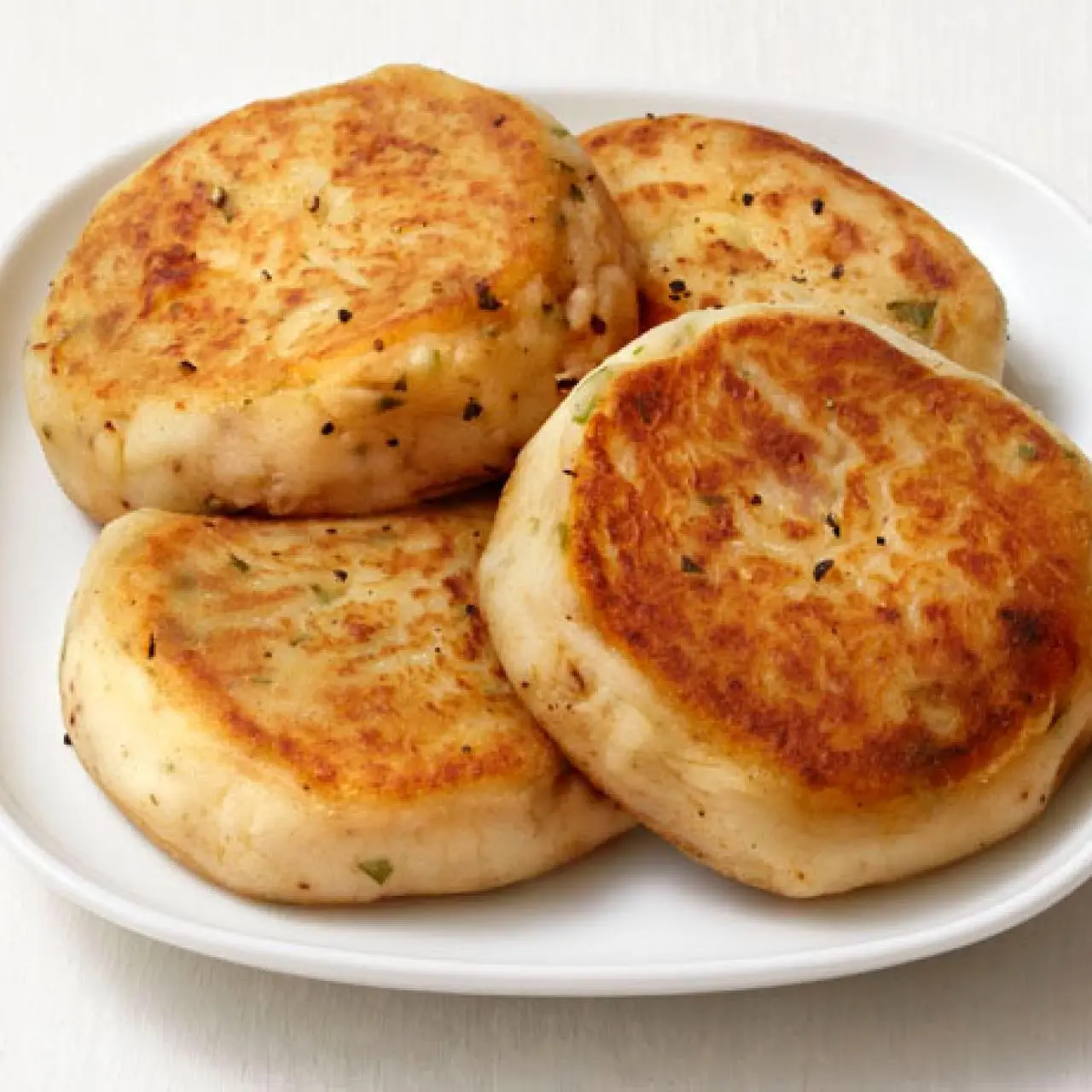
Potato cakes, in their myriad forms, represent a culinary cornerstone across diverse cultures, from the crispy Irish boxty to the savory Jewish latke, the German Kartoffelpuffer, or the humble American hash brown patty. At their core, these are dishes crafted predominantly from potatoes, often mashed or grated, seasoned, and then pan-fried, baked, or deep-fried until golden and delicious. While seemingly simple fare, their universal appeal, versatility, and relatively low production cost make them an surprisingly compelling product for those looking to explore side hustles, build a small food business, or diversify their financial portfolio within the food industry.

This exploration delves beyond the recipe, positioning potato cakes not merely as a dish but as a viable business opportunity. We will dissect their market potential, operational finance, and strategic growth pathways, viewing this humble staple through a distinctly entrepreneurial lens. For aspiring food entrepreneurs or investors eyeing accessible markets, understanding the financial dynamics of potato cakes can unearth a surprising avenue for income generation and business development.
The Humble Potato Cake: A Market Opportunity
The unassuming potato cake holds significant, often underestimated, market potential. Its widespread acceptance, adaptability, and fundamental ingredient — the potato — position it as an excellent candidate for various business models. Understanding these inherent advantages is the first step in recognizing its financial viability.
Diversity in Dish: Exploring Global Variations and Appeal
One of the greatest strengths of the potato cake, from a business perspective, is its incredible cultural breadth. This diversity translates directly into broader market appeal and allows for extensive product differentiation.
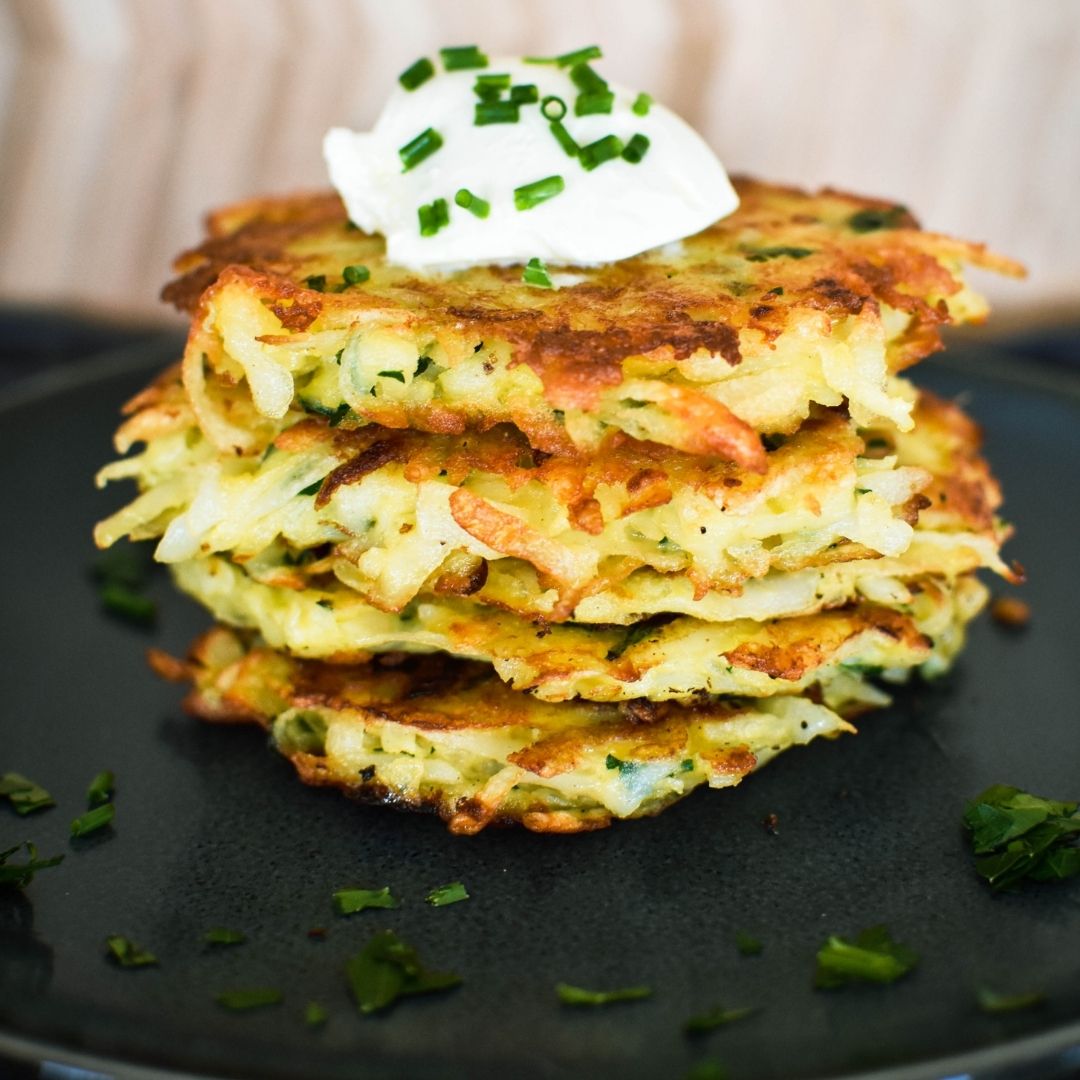
- Cultural Fusion and Niche Markets: Consider the robust Irish Boxty, typically made with raw and cooked mashed potatoes, often served as part of a traditional breakfast or dinner. In contrast, the Eastern European Latke (or Draniki, Placki Ziemniaczane) is often a grated potato pancake, frequently enjoyed during Hanukkah with applesauce or sour cream. Germany’s Kartoffelpuffer often leans savory, while Korean Gamja-jeon can incorporate vegetables and seafood. Each variation taps into specific ethnic markets or culinary trends, offering entrepreneurs multiple entry points. A business could specialize in one authentic style or offer a “world tour” of potato cakes, appealing to adventurous palates.
- Meal Versatility: Potato cakes aren’t confined to a single meal. They can be a breakfast staple (hash browns), a side dish for lunch or dinner, a snack, or even a main course with the right toppings and accompaniments. This versatility means a wider range of consumption occasions, translating to more potential sales windows throughout the day.
- Adaptability for Customization: The basic potato cake recipe is a blank canvas. This allows for endless customization to meet various consumer demands. Beyond traditional seasonings, one can incorporate cheeses, herbs, spices, vegetables, or even meats (like bacon or pulled pork) to create premium versions, allowing for tiered pricing structures and catering to diverse tastes. This adaptability is key to maintaining customer interest and fostering repeat business.
Cost-Effectiveness: Why Potatoes are a Budget-Friendly Business Foundation
In the food industry, ingredient costs are a critical determinant of profitability. Here, the potato shines as a champion of cost-effectiveness, offering a solid foundation for healthy margins.
- Low Raw Material Cost: Potatoes are consistently among the most affordable staple crops globally. Their widespread availability and efficient cultivation keep prices relatively stable and low. This significantly reduces the overhead for primary ingredients, making potato cakes a financially attractive product to produce, especially at scale.
- Bulk Purchasing Advantages: For businesses, purchasing potatoes in bulk from wholesalers or directly from farms can further drive down unit costs. This allows for better inventory management and cost control, crucial elements for a profitable operation.
- Minimal Processing Needs: Unlike some ingredients that require extensive pre-processing or specialized handling, potatoes are relatively straightforward. They require washing, peeling, and grating/mashing, which can be done with standard kitchen equipment or even industrially for larger operations, without incurring excessive labor or machinery costs.
- Long Shelf Life (Unprocessed): Raw potatoes have a relatively long shelf life when stored correctly, reducing spoilage and waste — another significant factor in controlling costs and maximizing yield for a food business. This allows for strategic purchasing when prices are favorable, without immediate pressure to process.
Niche Markets and Dietary Trends: Tapping into Specialized Demands
The modern consumer market is highly segmented, driven by health consciousness, ethical considerations, and evolving dietary preferences. Potato cakes are uniquely positioned to tap into several lucrative niche markets.
- Gluten-Free Appeal: Potatoes are naturally gluten-free. This immediately positions potato cakes as an attractive option for the growing demographic of individuals with celiac disease or gluten sensitivities, provided cross-contamination is avoided during preparation. Offering certified gluten-free potato cakes can open up a significant market segment willing to pay a premium.
- Vegan and Vegetarian Versatility: The base recipe for most potato cakes is inherently vegetarian or easily made vegan by substituting dairy (if used) with plant-based alternatives. This makes them highly marketable to the burgeoning plant-based community, aligning with current dietary trends and ethical consumption patterns.
- “Comfort Food” Resurgence: In an increasingly complex world, there’s a consistent demand for familiar, comforting foods. Potato cakes, with their wholesome ingredients and nostalgic appeal, fit perfectly into this “comfort food” category, making them a consistent draw for a broad consumer base.
- Gourmet and Artisanal Trends: While humble, potato cakes can be elevated to gourmet status. Using organic potatoes, artisanal cheeses, high-quality herbs, or offering unique dipping sauces can transform them into a premium product, commanding higher prices and attracting a more discerning clientele. This allows for significant profit margin enhancement.
Building Your Potato Cake Business Model
Once the market potential is recognized, the next step is to strategize how to operationalize this potential into a concrete business model. This involves defining the scale, pricing, and distribution channels.
Side Hustle or Full-Time Venture: Defining Your Scale and Scope
The scalability of a potato cake business is one of its most attractive financial features, allowing entrepreneurs to start small and grow.
- Low Barrier to Entry for Side Hustles: Starting a potato cake side hustle can require minimal initial investment. A home kitchen, basic cooking equipment, and a small inventory of ingredients are often sufficient. This makes it an ideal option for individuals looking to generate extra income without significant financial risk or upfront capital. Selling at local farmers’ markets, community events, or through online pre-orders are excellent starting points.
- Scaling Up to a Full-Time Business: As demand grows, the business can gradually scale. This might involve moving to a commercial kitchen, hiring staff, investing in specialized equipment (like large-capacity graters or fryers), and expanding distribution channels. The clear progression path mitigates risk and allows for organic growth, funded by initial profits.
- Franchise Potential: For highly successful, well-branded potato cake concepts, there’s even potential for franchising, offering a significant long-term wealth generation strategy through royalties and expansion fees.
Pricing Strategies: Value, Cost-Plus, and Competitive Models
Effective pricing is paramount for profitability. A well-considered pricing strategy balances perceived value, production costs, and market competition.
- Cost-Plus Pricing: This fundamental method involves calculating the total cost of producing each potato cake (ingredients, labor, packaging, overhead) and adding a desired profit margin. This ensures that every sale contributes positively to the bottom line and is particularly useful for new businesses to establish a baseline.
- Value-Based Pricing: If your potato cakes offer unique qualities – premium ingredients, artisanal preparation, exotic flavors, or a strong brand story – you can price them based on the perceived value to the customer rather than solely on cost. Consumers are often willing to pay more for higher quality, unique experiences, or convenience.
- Competitive Pricing: Analyzing competitors’ pricing (e.g., other food stalls, cafes, or frozen food brands) helps in positioning your product. You might price slightly lower to gain market share, or higher if you’re offering a superior product or unique value proposition. Understanding the competitive landscape ensures your pricing is attractive yet profitable.
- Bundling and Promotions: Offering meal deals (e.g., potato cake with a dipping sauce and a drink), multi-pack discounts, or loyalty programs can increase average transaction value and encourage repeat purchases, boosting overall revenue.
Sales Channels: Farmers’ Markets, Online, Catering, and Wholesale
Diverse sales channels enhance market reach and reduce reliance on a single income stream.
- Direct-to-Consumer (DTC):
- Farmers’ Markets & Food Festivals: These venues offer direct interaction with customers, immediate feedback, and cash sales. The atmosphere is conducive to impulse purchases and building a local customer base.
- Pop-up Stands: Temporary locations in high-traffic areas (e.g., office parks, shopping centers) can create buzz and test new markets with minimal commitment.
- Online Sales (Pre-orders & Delivery): Utilizing platforms like Shopify for pre-orders or partnering with local delivery services can extend reach beyond physical locations, offering convenience to customers and opening up online income streams. This requires careful consideration of packaging and delivery logistics to maintain product quality.
- Business-to-Business (B2B):
- Catering Services: Supplying potato cakes for events, corporate lunches, or private parties can lead to large orders and consistent revenue streams. This often involves offering diverse sizes and flavor profiles suitable for different events.
- Wholesale to Restaurants & Cafes: Supplying pre-made or par-cooked potato cakes to local eateries can be a significant revenue generator. This requires consistent quality and potentially larger production capacity.
- Retail Partnerships: Selling frozen or ready-to-heat potato cakes to specialty grocery stores, delis, or even larger supermarkets can significantly scale the business. This pathway often involves meeting stringent food safety regulations and packaging standards, representing a significant investment but also a substantial growth opportunity.
Mastering the Financials: Profitability and Sustainability
Sustained success in any food business hinges on meticulous financial management. From sourcing ingredients to managing overheads, every financial decision impacts the bottom line.
Ingredient Sourcing and Inventory Management: Cutting Costs, Reducing Waste
Efficient management of inputs is crucial for maximizing profitability.
- Strategic Sourcing: Establishing relationships with local farmers can provide fresh, high-quality ingredients at potentially lower costs and support a “farm-to-table” narrative for marketing. Exploring bulk purchasing from reputable wholesalers can significantly reduce unit costs for staples like potatoes, onions, and flour. Comparing prices from multiple suppliers regularly is vital.
- Inventory Control: Implementing a robust inventory management system (even a simple spreadsheet initially) is essential. This prevents over-ordering, which leads to spoilage and wasted capital, and under-ordering, which can result in missed sales opportunities. A “first-in, first-out” (FIFO) system for perishable goods minimizes waste.
- Yield Management: Understanding the yield from each ingredient (e.g., how many potato cakes from 10 kg of potatoes) helps in accurate cost calculation and portion control, preventing unnecessary expenditure. Minimizing trim waste during preparation also contributes to cost savings.
Labor and Overhead: Calculating Your True Production Costs
Beyond ingredients, labor and fixed/variable overheads are significant cost components that must be accurately factored into pricing and financial projections.
- Labor Costs: This includes wages for preparation, cooking, serving, cleaning, and administrative tasks. Efficient kitchen design and workflow can reduce labor hours per unit, increasing efficiency and profitability. Outsourcing certain tasks (e.g., accounting, delivery) can sometimes be more cost-effective than in-house hiring, especially for smaller operations.
- Fixed Overheads: These are costs that don’t change with production volume, such as rent for a commercial kitchen, insurance, utility bills (base rate), and loan repayments. Understanding these helps determine the break-even point and the minimum sales volume required for profitability.
- Variable Overheads: These costs fluctuate with production volume, including packaging materials, marketing expenses per unit sold, and additional utility usage directly tied to production. Accurately tracking these helps in forecasting profitability at different sales volumes.
- Equipment Depreciation: The cost of kitchen equipment (graters, fryers, mixers) should be factored in through depreciation, spreading its cost over its useful life and providing for future replacements.
Investment and Funding: Bootstrapping, Loans, and Grants for Growth
As a potato cake business grows, capital will be required for expansion, new equipment, or increased inventory.
- Bootstrapping: Many small food businesses start by bootstrapping, reinvesting profits back into the business. This maintains full ownership and avoids debt, but can limit the pace of growth. Careful cash flow management is critical when bootstrapping.
- Small Business Loans: As the business demonstrates profitability and a clear growth plan, traditional bank loans or Small Business Administration (SBA) loans become viable options. A solid business plan, financial projections, and collateral are usually required.
- Microloans: For smaller capital needs, microloan organizations often support local food businesses, sometimes with more flexible terms than traditional banks.
- Grants: Some government agencies or non-profit organizations offer grants for food-related businesses, especially those focusing on local sourcing, sustainability, or community impact. Researching available grants can provide non-dilutive capital.
- Angel Investors/Venture Capital (for larger scale): For businesses aiming for significant national or international scale, attracting angel investors or venture capital firms might be an option. This typically involves giving up equity in exchange for substantial capital and strategic guidance.
Strategic Growth and Brand Development
Beyond day-to-day operations and finances, long-term success requires strategic planning for growth and cultivating a strong brand identity.
Marketing Your Potato Cakes: Storytelling, Sampling, and Digital Presence
Effective marketing is about more than just advertising; it’s about building a connection with your customers and differentiating your product.
- The Power of Storytelling: Every potato cake has a story, whether it’s an ancestral family recipe, a unique ingredient sourcing method, or the passion behind the entrepreneurial journey. Sharing this narrative through your packaging, website, and social media creates an emotional connection with consumers, enhancing perceived value and brand loyalty.
- Sensory Marketing (Sampling): Food is a sensory experience. Offering samples at markets or events is incredibly effective for potato cakes. The aroma, taste, and texture can convert curiosity into sales on the spot. Test different flavors and gather immediate feedback.
- Digital Presence and Engagement: A professional website (even a simple one-pager) showcasing your menu, story, and ordering options is essential. Active engagement on social media platforms (Instagram, Facebook, TikTok) through appealing food photography, behind-the-scenes content, and interactive polls can build a community around your brand. Running targeted ads can reach specific demographics.
- Partnerships and Collaborations: Collaborating with local breweries, coffee shops, or other food vendors for cross-promotions or joint events can expand your reach to new customer bases without significant marketing spend.
Expanding Your Product Line: Innovation and Value Addition
To maintain customer interest and increase revenue streams, consider diversifying your offerings beyond the basic potato cake.
- Flavor Innovations: Introduce seasonal flavors (e.g., pumpkin spice potato cakes in autumn, herb-infused in spring), gourmet toppings (truffle oil, smoked salmon, specialty cheeses), or regional specialties.
- Format Variations: Offer different sizes (mini bite-sized for appetizers, larger meal-sized), different shapes, or even pre-packaged mixes for home preparation.
- Value-Added Products: Develop complementary products like signature dipping sauces, spice blends, or branded merchandise (e.g., potato cake-themed aprons) that leverage your brand and generate additional income.
- Frozen Convenience: For wider distribution, developing a line of frozen, ready-to-heat potato cakes allows you to tap into the lucrative convenience food market, expanding beyond immediate consumption to grocery retail.
Scaling Operations: From Home Kitchen to Commercial Production
Growth inevitably brings operational challenges that require careful financial and logistical planning.
- Kitchen Transition: Moving from a home kitchen (often subject to cottage food laws) to a commercial kitchen or co-packer involves significant investment in rent, utilities, and potentially new equipment. Financial modeling is critical to ensure this move is profitable.
- Process Standardization: As production scales, standardizing recipes and processes is crucial for consistent quality and efficiency. This includes detailed ingredient lists, cooking times, and portion control.
- Supply Chain Management: A growing business requires a more robust and reliable supply chain. This means establishing long-term relationships with multiple suppliers, negotiating favorable terms, and having contingency plans for disruptions.
- Human Resources: Hiring and managing staff (cooks, servers, delivery drivers) introduces new complexities, including payroll, benefits, training, and compliance with labor laws. Efficient HR management is vital for cost control and maintaining a productive workforce.
- Food Safety and Compliance: Scaling up requires strict adherence to local and national food safety regulations, including permits, inspections, and potentially HACCP plans. Investing in proper training and equipment for food safety is non-negotiable and financially prudent to avoid costly penalties and reputational damage.
In conclusion, the humble potato cake, often overlooked in the grand scheme of culinary entrepreneurship, presents a compelling and financially accessible opportunity. Its inherent versatility, low ingredient cost, and broad appeal make it an ideal product for various business models, from a low-risk side hustle to a scalable full-time venture. By strategically managing costs, exploring diverse sales channels, and building a strong brand narrative, entrepreneurs can transform this simple comfort food into a significant source of income and a thriving business. The journey from a basic potato to a profitable potato cake enterprise is a testament to the power of understanding market dynamics, financial acumen, and a passion for good food.
aViewFromTheCave is a participant in the Amazon Services LLC Associates Program, an affiliate advertising program designed to provide a means for sites to earn advertising fees by advertising and linking to Amazon.com. Amazon, the Amazon logo, AmazonSupply, and the AmazonSupply logo are trademarks of Amazon.com, Inc. or its affiliates. As an Amazon Associate we earn affiliate commissions from qualifying purchases.