
In the realm of public service, few hierarchies are as clearly defined or as economically significant as the police ranking system. While the public often views police ranks through the lens of authority and chain of command, from a financial perspective, these rankings represent a structured roadmap for career earnings, pension security, and municipal budget allocation. Understanding police rankings is, in essence, an exercise in understanding a complex system of personal finance and institutional fiscal management.
For those looking to enter the field or for stakeholders analyzing municipal expenditures, the correlation between a title and its financial valuation is paramount. This article explores the economic nuances of the law enforcement hierarchy, detailing how each step up the ladder transforms an individual’s financial trajectory and impacts the broader economy of public safety.
The Economic Value of the Badge: Understanding the Police Hierarchy
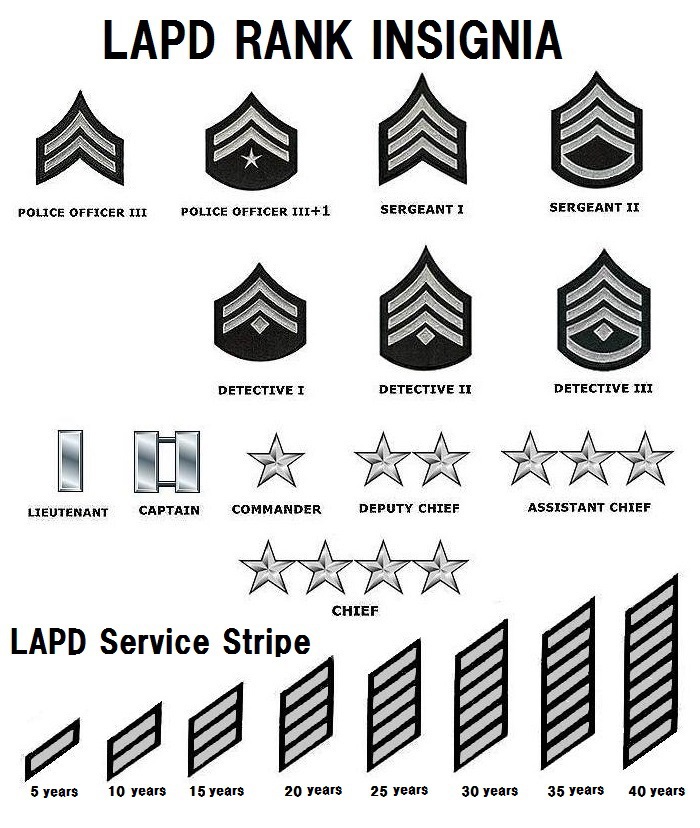
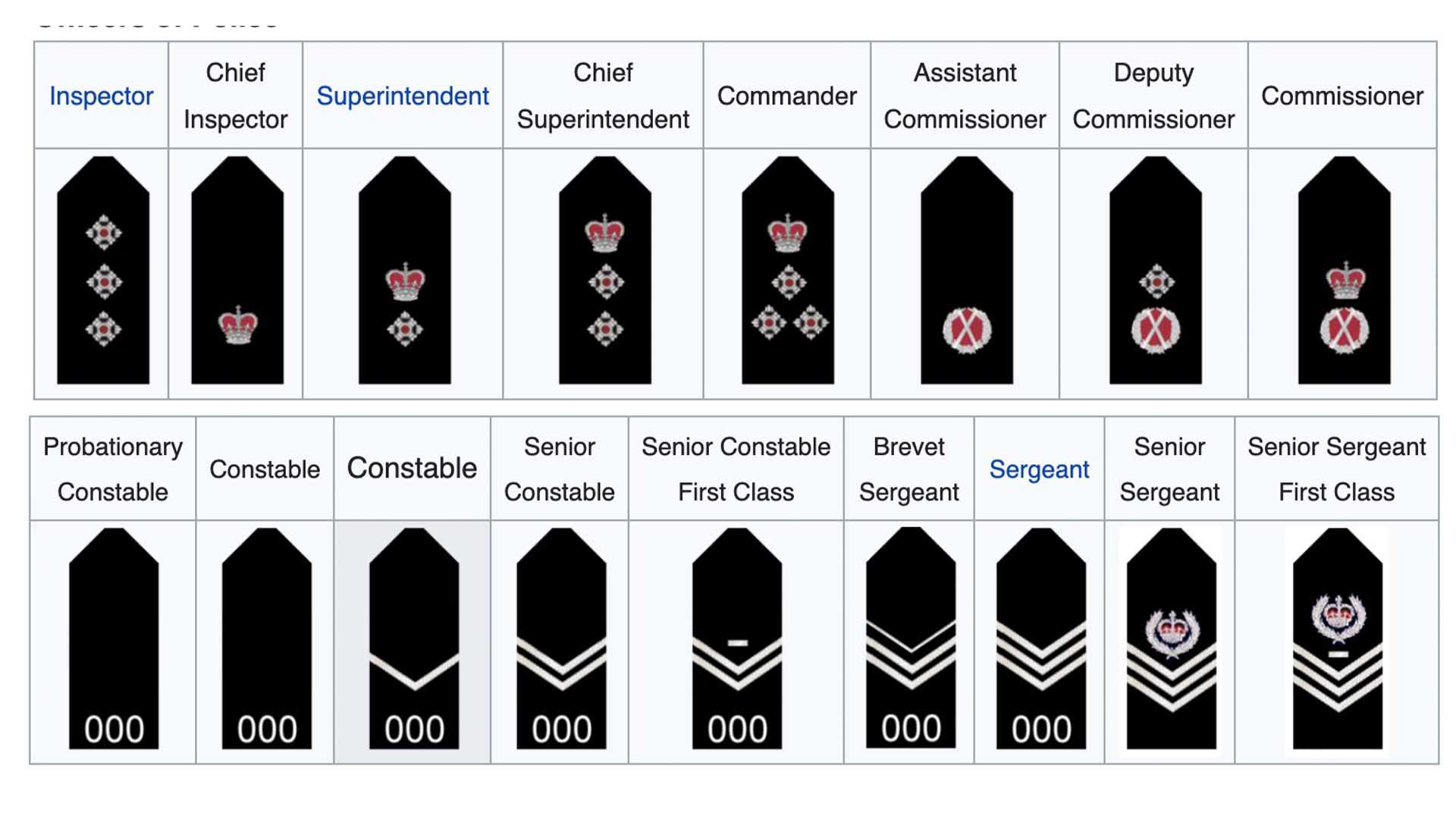
The structure of a police department is typically paramilitary, designed to ensure clear lines of communication and accountability. However, each “stripe” or “star” added to a uniform acts as a multiplier for base compensation and long-term wealth.
Entry-Level Economics: Officers and Deputies
The base of the pyramid consists of Police Officers or Deputy Sheriffs. From a financial standpoint, this is the “investment phase.” Most departments offer a starting salary that is competitive with middle-class medians, but the real value lies in the “step increase” programs. In many jurisdictions, an officer receives automatic pay raises every year for the first five to ten years, regardless of promotion. This guaranteed income growth makes the entry-level rank a stable foundation for personal financial planning.
Mid-Level Management: Sergeants and Lieutenants
The transition to Sergeant marks the first major shift from labor to management. Financially, this rank usually triggers a “promotion bump,” often ranging from 10% to 20% above the top-step officer pay. Lieutenants, who manage entire shifts or specialized units, see another significant jump. At this level, the financial focus shifts toward administrative bonuses and the management of larger departmental budgets, providing the individual with experience that is highly lateralized into the private security or corporate risk management sectors.
Executive Leadership: Captains to Chiefs
At the top of the hierarchy sit the Captains, Commanders, and the Chief of Police or Commissioner. These are executive-level positions with six-figure salaries that often rival those of corporate CEOs in mid-sized firms. These roles are less about patrolling and more about fiscal oversight, inter-agency negotiation, and long-term strategic planning. For the individual, these ranks represent the “wealth accumulation” phase, where high base salaries significantly inflate the final average salary used to calculate retirement disbursements.
Compensation Structures Across the Ranks
To truly understand what police rankings are, one must look past the base salary and examine the total compensation package. In law enforcement, the “sticker price” of a rank rarely reflects the actual take-home pay.
Base Salary vs. Total Compensation
The base salary is merely the floor. As an officer moves up the rankings, their ability to accrue “add-ons” increases. These include educational incentives (pay increases for holding a Bachelor’s or Master’s degree), longevity pay (bonuses for years of service), and shift differentials. A high-ranking officer in a specialized unit may earn 30% more than their base salary through these structured incentives alone.
Hazard Pay and Special Assignments
Certain ranks and roles carry inherent risks or require specialized skills, such as SWAT, K9, or Bomb Squad units. These assignments often come with “specialty pay.” From a financial planning perspective, these roles allow officers at lower ranks to bridge the income gap between themselves and their superiors without needing a formal promotion.
Overtime Mechanics and “The 1.5x Multiplier”
Overtime is a foundational element of police finance. In many departments, lower and mid-level ranks are eligible for time-and-a-half pay for any hours worked beyond the standard 40-hour week. In major metropolitan areas, it is not uncommon for a hardworking Sergeant to out-earn a Captain by strategically utilizing overtime. However, as one moves into the highest executive ranks, positions often become “exempt,” meaning they receive a flat salary with no overtime eligibility—a crucial financial trade-off that comes with upper-tier leadership.
Long-Term Wealth Building: Pensions and Retirement Benefits

The most significant financial differentiator of police rankings is the pension. While the private sector has largely moved toward 401(k) models, law enforcement remains one of the last bastions of the defined-benefit pension plan.
Defined Benefit Plans and Rank
A police pension is typically calculated using a formula: (Years of Service) x (Multiplier) x (Final Average Salary). Because the “Final Average Salary” is usually based on the highest-earning years, reaching a higher rank during the final five years of a career can result in a pension increase of tens of thousands of dollars per year for life. This makes the race for promotion in the latter half of a career a high-stakes financial maneuver.
Vesting Periods and Portability
Understanding the ranking system also involves understanding vesting. Most departments require 20 to 25 years of service to “max out” a pension. For individuals who move between departments, their rank may not always be portable, which can have devastating effects on their retirement timeline. This creates a “golden handcuff” effect, where the financial incentives of the current rank and seniority keep talent within a specific municipality.
Post-Retirement Healthcare and COLAs
Higher rankings often provide better leverage for post-retirement benefits. Furthermore, many police pensions include Cost of Living Adjustments (COLAs). When an officer retires at a high rank, their COLA is based on a higher base amount, ensuring that their purchasing power remains stable against inflation, a luxury rarely found in traditional private-sector retirement plans.
The Cost of Rank: Budgetary Impact and Resource Allocation
From a macro-financial perspective, police rankings dictate how a city or county manages its largest expenditure: personnel.
Personnel as a Percentage of Budget
In most municipalities, the police department accounts for 30% to 50% of the general fund, and 80% of that police budget is usually dedicated to salaries and benefits. The distribution of ranks—how many Sergeants there are relative to Officers—determines the fiscal sustainability of the department. A “top-heavy” department, with too many high-ranking officials, can lead to budgetary strain and reduced frontline services.
Training Investments and the ROI of Senior Leadership
Each rank requires a specific investment in training. Promoting an officer to a leadership rank involves expensive command colleges and certifications. Cities view this as a Capital Expenditure (CapEx) on human leadership. The Return on Investment (ROI) is measured in reduced liability, better community outcomes, and more efficient use of departmental resources.
The Financial Risk of Liability
Higher rankings carry higher fiduciary and legal responsibility. When a department is sued, the actions of the command staff are scrutinized. From a financial standpoint, the rankings serve as a risk-mitigation structure. Effective leadership at the top ranks reduces the likelihood of multi-million dollar legal settlements, which directly protects the municipal treasury.
Future Outlook: Economic Trends in Law Enforcement Careers
The financial landscape of police rankings is evolving. As departments struggle with recruitment and retention, the economic incentives attached to various ranks are being redesigned.
Performance-Based Pay and Lateral Incentives
Historically, police pay was strictly tied to time-in-grade and rank. However, we are seeing a shift toward performance-based incentives. Some departments are experimenting with “Master Officer” ranks that allow for high pay without moving into management, recognizing that some of the most valuable “assets” are those who prefer to stay on the streets rather than behind a desk.
Geographic Cost of Living Adjustments (COLA)
The “value” of a police rank is highly relative to geography. A Lieutenant in a rural county may have a lower salary than an entry-level Officer in Silicon Valley or New York City. Modern police finance involves “normalized” rankings where compensation is adjusted based on the local Consumer Price Index (CPI), ensuring that the rank maintains its socioeconomic status regardless of the jurisdiction’s cost of living.
The Privatization of Rank Expertise
Finally, we are seeing a trend where retired high-ranking officers transition into “Fractional Chief” roles or consultancy. The expertise gained in the upper echelons of police ranking is now a commodity in the “gig economy” for smaller towns that cannot afford a full-time, high-salary executive. This creates a secondary market for the knowledge gained through the traditional ranking system.
In conclusion, police rankings are far more than a system of titles; they are a sophisticated financial framework. For the individual, they represent a path to middle-class stability or executive-level wealth. For the municipality, they represent the primary lever for fiscal management and risk mitigation. By viewing the hierarchy through an economic lens, we gain a clearer understanding of how public safety is funded, maintained, and valued in the modern age.
aViewFromTheCave is a participant in the Amazon Services LLC Associates Program, an affiliate advertising program designed to provide a means for sites to earn advertising fees by advertising and linking to Amazon.com. Amazon, the Amazon logo, AmazonSupply, and the AmazonSupply logo are trademarks of Amazon.com, Inc. or its affiliates. As an Amazon Associate we earn affiliate commissions from qualifying purchases.