
In the contemporary landscape of global governance, the term “points” in elections has transitioned from a simple tally on a leaderboard to a complex series of data clusters, algorithmic weightings, and digital milestones. While the average voter views an election through the lens of a singular choice, the technology sector views an election as a massive data-processing event. From the “points” awarded in an Electoral College system to the “data points” utilized by predictive AI, the machinery behind democracy is increasingly defined by its technical infrastructure.
Understanding what “points” are in elections today requires a deep dive into the software, security protocols, and analytical tools that translate human intent into binary certainty. This article explores the intersection of electoral mechanics and advanced technology, detailing how “points” are generated, protected, and predicted in the digital age.
Data Points: The Foundation of Algorithmic Election Modeling
In the realm of election technology, a “point” is often synonymous with a specific metric within a dataset. Before a single physical ballot is cast, software engineers and data scientists are already managing millions of data points to create predictive models. These models are the backbone of modern campaign strategy and media reporting.
Demographic Variables as Digital Inputs
Every voter represents a collection of data points: age, geographic location, historical voting patterns, and even consumer behavior. In the tech-driven campaign era, political organizations use sophisticated Customer Relationship Management (CRM) tools—similar to those used in the SaaS industry—to categorize these points. By utilizing Big Data analytics, campaigns can perform “micro-targeting,” a process where algorithms identify which specific “points” of the population are most likely to be influenced by specific messaging. This involves high-level data hygiene and complex SQL queries to ensure that the digital representation of the electorate is accurate and actionable.
Real-Time Polling Aggregation and Weighted Averages
When we speak of a candidate being “up by five points,” we are discussing the output of an aggregation algorithm. Modern platforms like FiveThirtyEight or the various proprietary tools used by news networks rely on Python-based scripts to scrape polling data, weight it based on historical accuracy (a “reliability point” score), and produce a probabilistic forecast. These systems must account for “house effects” and “sampling bias,” essentially applying a mathematical filter to raw data points to find the signal within the noise. The technology behind this is a blend of traditional statistics and modern machine learning.
Calculating the Win: Software Systems and Delegate/Electoral Points
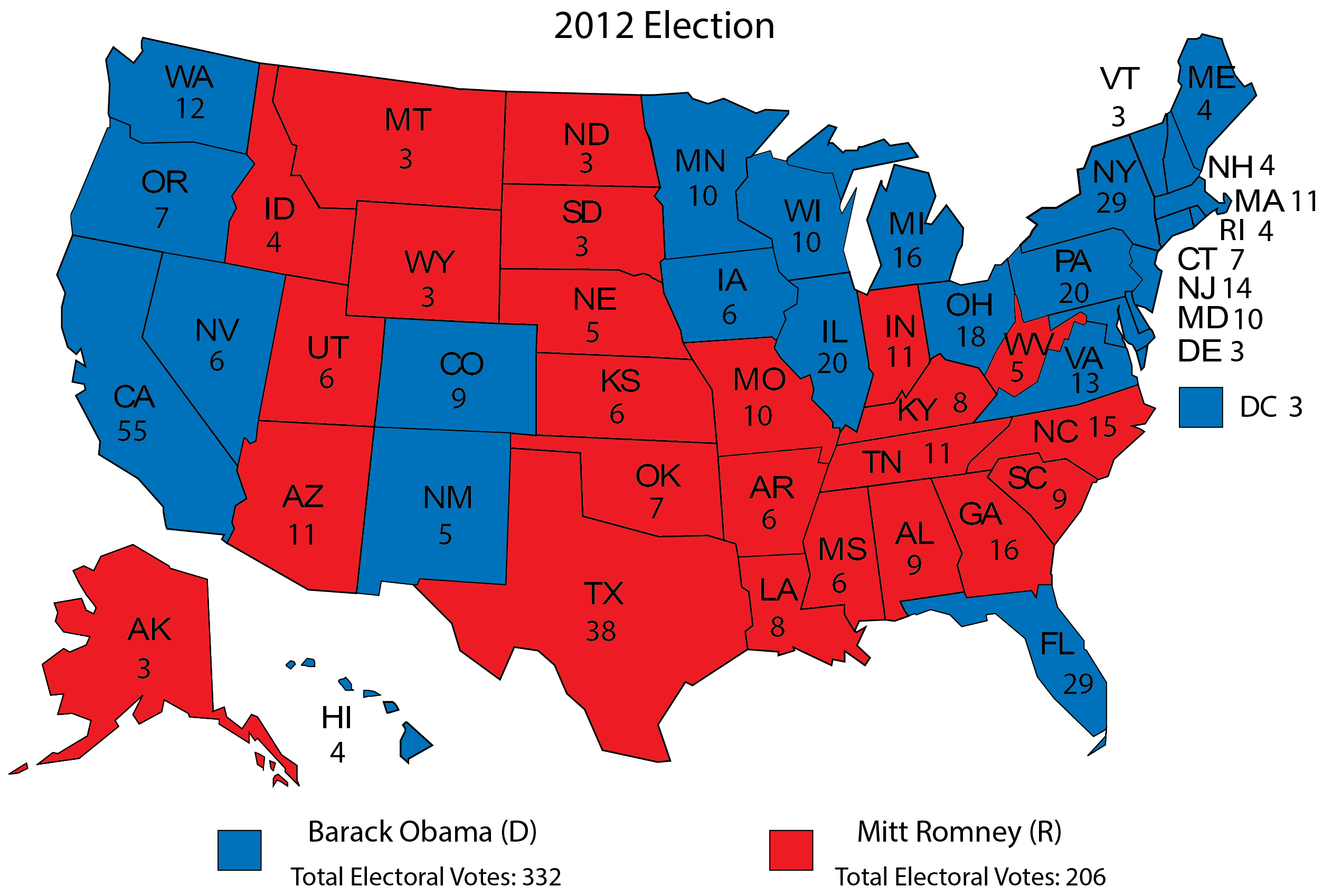
In many representative democracies, “points” refer to the weighted value of a geographic region, such as delegates in a primary or the Electoral College in the United States. The calculation and distribution of these points are handled by dedicated software architectures designed for high-stakes precision.
Automated Reporting Systems and API Integration
The process of “calling” an election involves the rapid ingestion of data from thousands of local precincts. Technology companies develop specialized APIs (Application Programming Interfaces) that allow local municipalities to feed their tallies directly into centralized databases. These systems are designed for low latency and high availability. When a precinct reports its numbers, the system automatically calculates the “points” assigned to that region. This isn’t a manual process; it is a symphony of automated checks and balances where software confirms that the total points distributed do not exceed the pre-defined maximum for that district.
Simulating Outcomes: Monte Carlo Methods in Electoral Forecasting
To understand the path to victory, tech analysts use Monte Carlo simulations. This is a computational algorithm that relies on repeated random sampling to obtain numerical results. By running an election simulation 10,000 times, the software can determine the probability of a candidate reaching the required “points” threshold. Each simulation is a “point” in a probability distribution. This level of computational power allows analysts to account for “Black Swan” events or sudden shifts in voter sentiment, providing a technical roadmap for how points might fluctuate on election night.

Security and Integrity in Digital Point Tracking
Because electoral “points” determine the leadership of nations, the technology used to track them must be among the most secure on the planet. The integrity of the “point” is the integrity of the vote itself.
Blockchain and Distributed Ledger Technology for Tallying
One of the most significant technological trends in election “point” tracking is the exploration of blockchain. By using a distributed ledger, each vote (or point) becomes an immutable block in a chain. This would theoretically eliminate the possibility of “point” manipulation, as the ledger is transparent and decentralized. Any attempt to alter a point value in one location would be rejected by the rest of the network. While still in its nascent stages for national elections, the underlying cryptography—using public and private keys—is already being integrated into the backend of many digital voting prototypes to ensure that once a point is counted, it remains unchangeable.
Cybersecurity Protocols for Point Consolidation
The “point of entry” for data is often the most vulnerable. Election technology firms focus heavily on hardening the infrastructure that connects local voting machines to central tabulators. This involves multi-factor authentication (MFA), end-to-end encryption (E2EE), and rigorous “Red Team” testing where ethical hackers attempt to breach the system. The goal is to ensure that the points displayed on a public-facing dashboard are an exact, untampered reflection of the encrypted data stored on secure servers. Air-gapped systems—where the most sensitive point-calculating computers are physically disconnected from the internet—remain the gold standard for high-security electoral tech.
The Future of Election Tech: AI and Predictive Sentiment Points
As we look toward the next generation of electoral technology, the focus is shifting from reactive counting to proactive analysis. Artificial Intelligence is redefining what we consider a “point” in the political process.
Natural Language Processing (NLP) in Voter Sentiment
AI tools now use Natural Language Processing to scan social media, news comments, and public forums to assign “sentiment points” to candidates in real-time. Unlike traditional polling, which is a snapshot in time, NLP provides a continuous stream of data. If a candidate makes a policy announcement, AI can instantly calculate the “pivot points” in public opinion. These tools analyze the syntax, tone, and context of millions of digital interactions to provide a heat map of where points are being won or lost on the digital battlefield.
Ethical Implications of Algorithmic Points
The rise of “points” as a digital commodity brings significant ethical considerations. In the tech world, the “filter bubble” or “echo chamber” effect is a well-documented phenomenon where algorithms show users content that reinforces their existing beliefs. In an election context, if a campaign’s AI determines that a certain demographic is a “lost point,” the technology might effectively disenfranchise those users by excluding them from digital outreach or information. The tech industry is currently grappling with how to build “Ethical AI” that treats every voter not just as a data point to be manipulated, but as a stakeholder in a fair process.

Conclusion: The Point of the Matter
In the modern era, an election is no longer just a civic duty; it is a high-bandwidth data event. Whether we are discussing the “points” of the Electoral College, the “data points” of a voter profile, or the “probability points” of an AI model, the underlying reality is the same: technology is the lens through which we now view democracy.
The software that tallies the points, the cybersecurity that protects them, and the algorithms that predict them are all part of a sophisticated digital ecosystem. As these technologies continue to evolve—moving toward more decentralized, AI-driven, and hyper-secure models—the definition of “points” in elections will only become more technical. For the tech-savvy citizen, understanding these systems is the first step in ensuring that the digital future of democracy remains transparent, secure, and representative of the human will.
aViewFromTheCave is a participant in the Amazon Services LLC Associates Program, an affiliate advertising program designed to provide a means for sites to earn advertising fees by advertising and linking to Amazon.com. Amazon, the Amazon logo, AmazonSupply, and the AmazonSupply logo are trademarks of Amazon.com, Inc. or its affiliates. As an Amazon Associate we earn affiliate commissions from qualifying purchases.