
In the contemporary landscape of professional athletics and high-stakes aesthetics, the term “peptides” has transitioned from the obscure vernacular of biochemistry into the mainstream lexicon of multi-billion dollar industries. While the biological definition describes peptides as short chains of amino acids linked by peptide bonds, the economic definition is far more complex. In the world of bodybuilding, peptides represent a massive vertical within the global performance-enhancing drug (PED) market, reflecting a confluence of pharmaceutical innovation, venture capital, and the burgeoning “longevity economy.”
To understand peptides in the context of bodybuilding is to understand a high-growth sector of the “gray market” economy. This article explores the financial structures, investment potential, and budgetary implications of peptide use, treating the human physique not merely as a biological entity, but as a high-value asset requiring strategic capital allocation.

1. The Financial Landscape of the Peptide Industry
The global peptide therapeutics market was valued at approximately $40 billion in recent years and is projected to grow at a compound annual growth rate (CAGR) of nearly 10% over the next decade. While much of this is driven by clinical applications for diabetes and oncology, the “off-label” and fitness-adjacent sector represents a significant, albeit harder-to-track, revenue stream.
The Rise of Direct-to-Consumer Research Labs
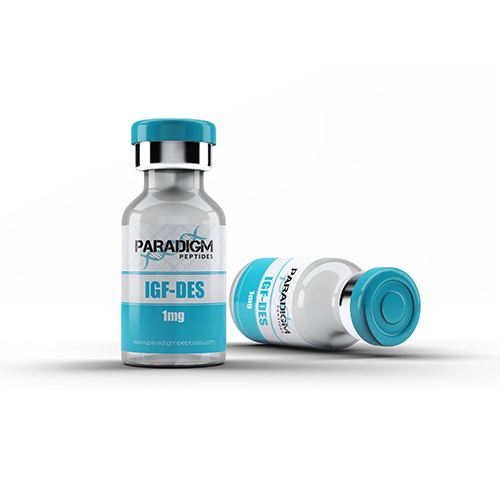
A unique economic phenomenon within the peptide space is the “Research Chemical” business model. Because many peptides like BPC-157, TB-500, and various Growth Hormone Secretagogues (GHS) are not yet FDA-approved for human consumption, a secondary market has emerged. These companies sell substances under the “for research purposes only” disclaimer. This bypasses traditional pharmaceutical retail hurdles, creating a high-margin, high-volume niche. For the entrepreneur, these labs represent a low-overhead entry point into the supplement-adjacent world, though they carry significant regulatory risk.
R&D Costs vs. Market Price
The development of a new peptide sequence involves substantial research and development (R&D) expenditure. However, once a sequence is identified and the manufacturing process (often utilizing recombinant DNA technology or solid-phase peptide synthesis) is optimized, the cost of production drops significantly. In the bodybuilding market, the price discovery process is driven by scarcity and perceived efficacy. For instance, CJC-1295 and Ipamorelin are priced not by their manufacturing cost, but by the value they provide in body composition optimization—a classic example of value-based pricing in a niche economy.
2. Personal Finance and the Bodybuilder’s Budget
For the competitive bodybuilder, the body is the primary business asset. Maintenance and enhancement of this asset require a sophisticated budget that accounts for “operating costs” (nutrition, coaching, and gym fees) and “capital expenditures” (performance enhancement).
The Cost of Performance Optimization
Peptides are often positioned as a middle-ground expenditure between standard over-the-counter supplements (whey protein, creatine) and heavy-duty anabolic steroids. A standard “stack” aimed at recovery and fat loss can cost an athlete anywhere from $200 to $1,000 per month. From a personal finance perspective, this is a recurring expense that must be weighed against potential returns, such as tournament prize money, sponsorship deals, or the growth of a personal brand’s social media influence.
Risk Mitigation and Financial Insurance
A critical, often overlooked aspect of the bodybuilding “money” niche is the cost of health monitoring. Savvy athletes treat their use of peptides as a business risk that requires mitigation. This includes quarterly blood panels, which can cost between $300 and $700 per session, and consultations with hormone replacement therapy (HRT) clinics. The financial burden of “doing it right” is a barrier to entry that separates the professional tier of the sport from the amateur, creating a “pay-to-play” dynamic that mirrors other high-capital industries.
3. Investing in Longevity and Biohacking Ventures

The intersection of bodybuilding and peptides is part of a larger macroeconomic trend: the Longevity Revolution. Investors are increasingly looking at how peptides like GHK-Cu (for skin and tissue repair) and NAD+ precursors are being marketed to the aging affluent population, a demographic that overlaps significantly with high-level fitness enthusiasts.
Publicly Traded Pharma and the GLP-1 Disruption
No discussion of peptides in 2024 is complete without mentioning GLP-1 agonists like Semaglutide and Tirzepatide. Originally designed for Type 2 diabetes, these peptides have revolutionized the weight loss industry and, by extension, the bodybuilding “cutting” phase. The astronomical rise of companies like Novo Nordisk and Eli Lilly demonstrates the massive profit potential of peptide-based interventions. For the retail investor, the bodybuilding trend serves as a “canary in the coal mine” for broader consumer health trends, signaling which peptides might next achieve blockbuster status.
The Rise of Specialized Wellness Clinics
There has been a proliferation of “Men’s Health” and “Age Management” clinics that operate on a subscription-based revenue model. These clinics provide legal access to peptides through compounding pharmacies. This business model is highly attractive to private equity firms because of its recurring revenue, high patient retention, and the ability to up-sell various wellness packages. The corporatization of peptide distribution is shifting the economy of bodybuilding away from “underground” sources toward a regulated, white-label service industry.
4. The ROI of the Professional Physique
In the digital age, a bodybuilder’s return on investment (ROI) is no longer solely dependent on winning trophies. The aesthetic result of a well-executed peptide regimen is a direct contributor to the athlete’s “Brand Equity.”
Monetizing the Aesthetic Asset
The primary revenue streams for modern bodybuilders are fitness apps, coaching services, and affiliate marketing. Peptides play a role here by allowing athletes to maintain a “stage-ready” look year-round with potentially fewer side effects than traditional orals. This longevity allows for a longer career, which in financial terms, extends the “amortization” period of their physical assets. An athlete who can stay in peak condition for fifteen years instead of five has a vastly higher lifetime value (LTV) in the eyes of sponsors.
Sponsorships and the “Natural” vs. “Enhanced” Market Split
The market is currently bifurcated. There is a massive “natural” market and an equally lucrative “enhanced” market. Peptides occupy a unique “gray area” in consumer perception. Some brands are willing to sponsor athletes who use peptides for recovery (like BPC-157) while shunning those who use harsher compounds. Understanding this nuance is essential for an athlete’s career pathing and financial planning. Choosing which compounds to use is not just a health decision; it is a brand-positioning decision that dictates which corporate contracts are accessible.
5. Legal and Regulatory Risks: A Business Perspective
Every high-growth market faces regulatory headwinds, and the peptide industry is no exception. From a business finance standpoint, the volatility of the regulatory environment is the greatest threat to the “research chemical” and compounding pharmacy sectors.
Compliance and Liability
The FDA has recently moved several popular peptides to “Category 2,” effectively banning compounding pharmacies from producing them. This regulatory shift creates an immediate supply-chain disruption. For businesses built on the distribution of these substances, this represents a “black swan” event. Investors in this space must account for the high probability of sudden litigation or forced pivots in product offerings.
Market Volatility and the Gray Market
The pricing of peptides in the underground or gray market is highly volatile, influenced by international trade relations (specifically with manufacturing hubs in China and India) and customs enforcement. For the bodybuilder, this means the cost of “doing business” can fluctuate wildly. For the entrepreneur, it necessitates a diversified supply chain and a robust legal defense fund. The peptide market is a classic example of a “high-risk, high-reward” financial environment, where the lack of traditional oversight allows for massive margins but provides no protection against total loss.
Conclusion
What are peptides in bodybuilding? Beyond the biological amino acid chains, they are a powerful economic engine. They represent a significant line item in the athlete’s budget, a high-growth sector for the pharmaceutical investor, and a disruptive force in the global wellness market. As the science of biohacking continues to evolve, the financial structures surrounding these compounds will only become more sophisticated. In the business of bodybuilding, peptides are the ultimate “lever”—a tool used to maximize the value of the most personal of all assets: the human body. For those who can navigate the complex intersection of finance, legality, and physiology, the peptide market offers a frontier of unprecedented opportunity.
aViewFromTheCave is a participant in the Amazon Services LLC Associates Program, an affiliate advertising program designed to provide a means for sites to earn advertising fees by advertising and linking to Amazon.com. Amazon, the Amazon logo, AmazonSupply, and the AmazonSupply logo are trademarks of Amazon.com, Inc. or its affiliates. As an Amazon Associate we earn affiliate commissions from qualifying purchases.