
The Michigan pasty, far more than a mere culinary item, stands as a formidable pillar of the state’s regional brand identity, particularly for its Upper Peninsula (U.P.). It embodies a rich narrative, a distinctive flavor profile, and a cultural touchstone that has been strategically woven into the fabric of local commerce and tourism. Understanding the pasty isn’t just about appreciating a hearty meal; it’s about dissecting a powerful branding tool that defines a region, inspires entrepreneurship, and fosters deep community connection.
The Pasty: A Culinary Icon and Regional Brand Differentiator
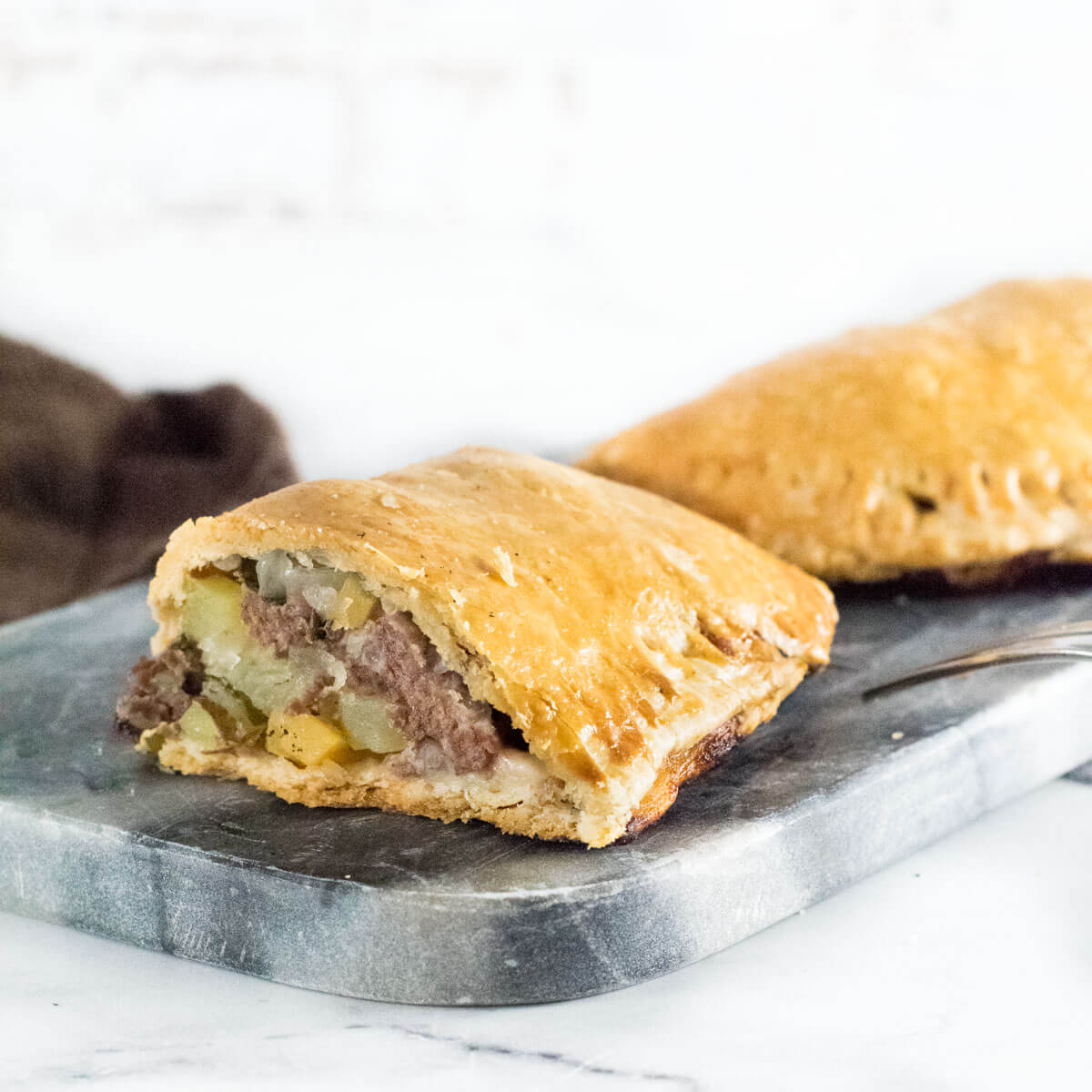
At its core, a pasty (pronounced “pass-tee”) is a baked pastry, traditionally made with a crimped crust filled with meat (typically beef), potatoes, rutabaga, and onions. Its simplicity belies a profound branding power, positioning it as a unique selling proposition for Michigan, distinguishing its culinary landscape from others. This humble dish has transcended its origins to become a celebrated symbol, a cultural export, and a central piece of Michigan’s self-perception and external image.
Origins as a Brand Narrative
The pasty’s journey to Michigan is a classic example of how historical narrative shapes brand identity. It arrived with Cornish miners who immigrated to the Upper Peninsula in the mid-19th century, drawn by the burgeoning copper and iron industries. These miners needed a portable, nutritious, and self-contained meal that could be easily carried into the mines and stay warm, or be reheated on a shovel over a candle. The thick pastry crust served as both a container and a handle, often discarded after consumption due to dirty hands.
This origin story is a potent element of the pasty’s brand. It speaks of resilience, hard work, and resourcefulness – values deeply embedded in Michigan’s industrial heritage. Local businesses often leverage this narrative, sharing tales of “miner’s lunch” to connect consumers to a tangible piece of history. This historical anchor provides authenticity and depth, differentiating pasties from generic savory pies and imbuing them with a sense of place and purpose that resonates with both locals and tourists seeking a genuine cultural experience. It’s a compelling brand story that roots the product in a specific time and place, making it inimitable.
Crafting a Unique Regional Identity
The pasty’s ubiquity in Michigan, especially the U.P., has cultivated a distinctive regional identity. It’s not just food; it’s an edible emblem. Roadside stands, dedicated pasty shops, and even fine dining establishments proudly feature pasties, signalling a shared cultural appreciation. This widespread adoption transforms the pasty into a symbol of “Yooper” (U.P. resident) pride and identity. For visitors, consuming a pasty is an immersion into local culture, an authentic taste of Michigan that cannot be replicated elsewhere with the same historical resonance.
This unique offering positions Michigan, and particularly the U.P., as a destination with a distinct culinary heritage. It contributes to a strong place brand, making the region memorable and providing a reason for return visits. The pasty acts as a cornerstone in the U.P.’s brand portfolio, alongside its natural beauty and outdoor recreation, offering a tangible, consumable piece of its unique character. This distinctiveness helps Michigan carve out a niche in the broader national culinary landscape, creating an iconic food item akin to Philadelphia cheesesteaks or Chicago deep-dish pizza.
Elevating the Michigan Brand Through Culinary Experience
The pasty’s role in Michigan’s branding extends beyond its historical context to encompass the active promotion and experience of the product. Local businesses and tourism boards strategically utilize pasties to enhance Michigan’s appeal, creating memorable touchpoints that reinforce its unique identity.
Local Businesses as Brand Ambassadors
From small family-owned bakeries to larger commercial operations, pasty makers serve as crucial brand ambassadors for Michigan. Each shop, with its unique recipes, presentation, and service, contributes to the overarching brand narrative. Many establishments emphasize traditional methods, hand-crimping, and locally sourced ingredients, which reinforces authenticity and quality – key brand attributes. They often highlight their long-standing history, passed-down recipes, and local community involvement, further solidifying the pasty’s connection to Michigan’s heritage.
These businesses don’t just sell food; they sell an experience, a piece of Michigan’s soul. Marketing materials frequently feature images of scenic U.P. landscapes alongside steaming pasties, forging a direct visual link between the product and the place. This integrated approach ensures that when consumers think of pasties, they invariably think of Michigan, strengthening the regional brand through repeated association and positive culinary experiences. The reputation of individual pasty shops contributes directly to the perceived quality and authenticity of the overall “Michigan pasty” brand.
Tourism and the Pasty’s Brand Appeal
For Michigan tourism, pasties are an invaluable asset. They feature prominently in travel guides, on state tourism websites, and in local event promotions. Festivals celebrating pasties draw thousands, creating experiential brand engagements that go beyond mere consumption. These events often include pasty-making competitions, historical reenactments, and opportunities for visitors to learn about the cultural significance of the dish, effectively turning a food item into a tourist attraction.

The narrative of “experiencing Michigan through its food” is a powerful draw. Tourists are encouraged to seek out the “best” pasty, visit historic pasty towns like Calumet or Ironwood, and even learn to make them. This creates a highly interactive brand experience, moving the pasty from a simple meal to a key component of a travel itinerary. The ease of portability also makes pasties ideal souvenirs, allowing visitors to extend their Michigan experience beyond their trip, carrying a piece of the U.P. back home and sharing it with others, thereby amplifying the brand’s reach.
The Pasty’s Role in Community and Corporate Identity
The pasty’s influence is deeply woven into the social fabric and economic landscape of Michigan, impacting community identity and offering opportunities for corporate branding.
Generational Lore and Brand Loyalty
For many Michiganders, particularly those with roots in the Upper Peninsula, pasties are tied to family traditions, childhood memories, and a strong sense of belonging. Grandparents pass down recipes to grandchildren, creating an enduring legacy that transcends generations. This generational lore fosters immense brand loyalty, not just to specific pasty shops, but to the “idea” of the pasty itself as an essential part of their heritage.
This emotional connection is a powerful, unquantifiable brand asset. It ensures continued demand, reinforces community ties, and makes the pasty a resilient cultural icon. Businesses that understand this tap into a deep well of consumer sentiment, often emphasizing their own family histories or community involvement to further strengthen their brand identity within this rich cultural context. The pasty thus serves as a unifying element, a shared cultural reference point that binds Michiganders together.
Marketing Michigan’s Distinctive Flavor
Beyond direct consumption, the pasty inspires various forms of marketing that celebrate Michigan’s distinctive flavor. Cookbooks dedicated to pasty recipes, merchandise featuring pasty iconography, and even online communities discussing pasty variations all contribute to the proliferation and reinforcement of the pasty brand. This extends the pasty’s reach beyond its physical form, turning it into a cultural artifact that symbolizes Michigan’s unique culinary contribution.
Moreover, the pasty provides a compelling narrative for Michigan’s food industry as a whole. It demonstrates the state’s capacity for creating unique, high-quality, and historically rich food products. This can indirectly benefit other Michigan-made goods, positioning the state as a place where authenticity and tradition meet culinary excellence. The pasty acts as a flagship product, validating the state’s broader food branding efforts.
Protecting and Evolving the Pasty Brand
Like any strong brand, the Michigan pasty requires thoughtful stewardship to maintain its integrity and relevance. This involves balancing tradition with innovation and upholding authenticity.
Authenticity and Brand Standards
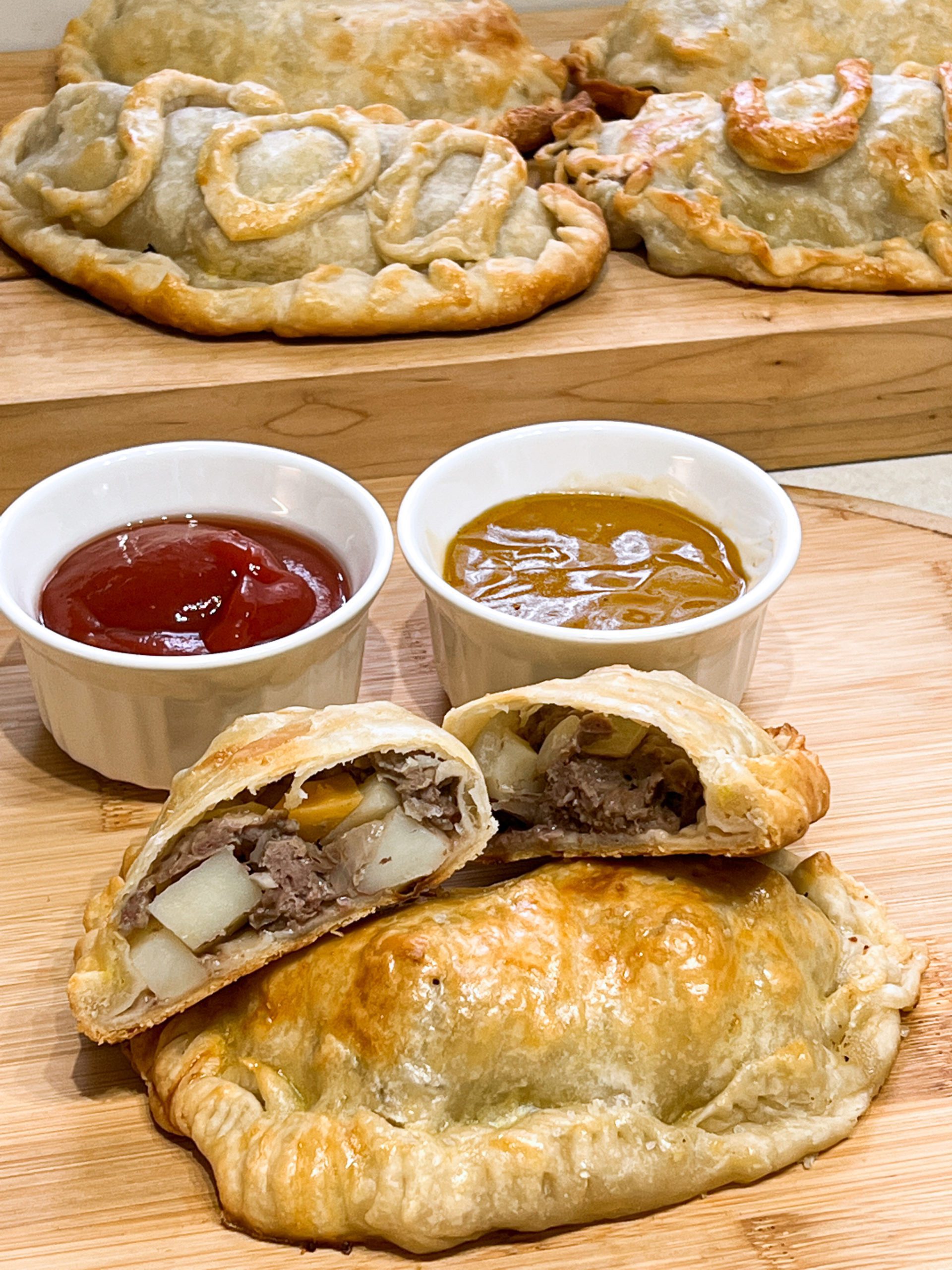
The strong emotional and historical ties to the pasty necessitate a degree of authenticity to maintain its brand integrity. While variations exist, there’s a generally accepted standard for what constitutes a “true” Michigan pasty – primarily the ingredients (beef, potato, rutabaga, onion) and the crimped crust. Deviations too far from this core can dilute the brand. Many pasty shops pride themselves on their adherence to traditional recipes, effectively acting as guardians of the brand’s authenticity. This commitment to standards reinforces the brand’s reliability and quality perception in the eyes of the consumer.
Discussions often arise about what constitutes an “authentic” pasty (e.g., should it contain carrots? Does gravy go inside or on the side?). These debates, while sometimes contentious, serve to highlight the importance of the pasty’s brand identity and the communal investment in preserving its essence. They are, in effect, brand guidelines maintained by the consumer base itself.
Innovation within Tradition for Brand Growth
While authenticity is key, successful brands also evolve. The Michigan pasty has seen thoughtful innovation within its traditional framework. This includes vegetarian versions, breakfast pasties, or pasties with different meat fillings (e.g., venison) that cater to broader tastes while still retaining the fundamental pasty structure and concept. These innovations allow the brand to grow and attract new demographics without alienating its traditional base.
Businesses that successfully introduce new pasty variations demonstrate an understanding of market trends while respecting the product’s heritage. This strategic evolution ensures the pasty brand remains vibrant and relevant in a dynamic culinary landscape, expanding its appeal and securing its future as a definitive piece of Michigan’s enduring brand identity. By striking this balance, Michigan continues to champion the pasty not just as a historical relic, but as a living, evolving symbol of its unique character and entrepreneurial spirit.
aViewFromTheCave is a participant in the Amazon Services LLC Associates Program, an affiliate advertising program designed to provide a means for sites to earn advertising fees by advertising and linking to Amazon.com. Amazon, the Amazon logo, AmazonSupply, and the AmazonSupply logo are trademarks of Amazon.com, Inc. or its affiliates. As an Amazon Associate we earn affiliate commissions from qualifying purchases.