
In the modern financial landscape, the word “investing” often conjures images of buying shares of a blue-chip company or contributing to a diversified mutual fund. While these are foundational elements of wealth building, the sophisticated investor eventually encounters a more versatile instrument: the option. Options are often misunderstood as high-risk gambling tools, but when used correctly, they are some of the most flexible instruments in a trader’s arsenal. They offer the ability to hedge against downturns, generate consistent income, and gain leveraged exposure to market movements with limited capital.
This guide explores the intricate world of options, breaking down their mechanics, strategic applications, and the risk-reward profiles that every modern investor should understand before entering the derivative markets.
Understanding the Fundamentals of Options Trading
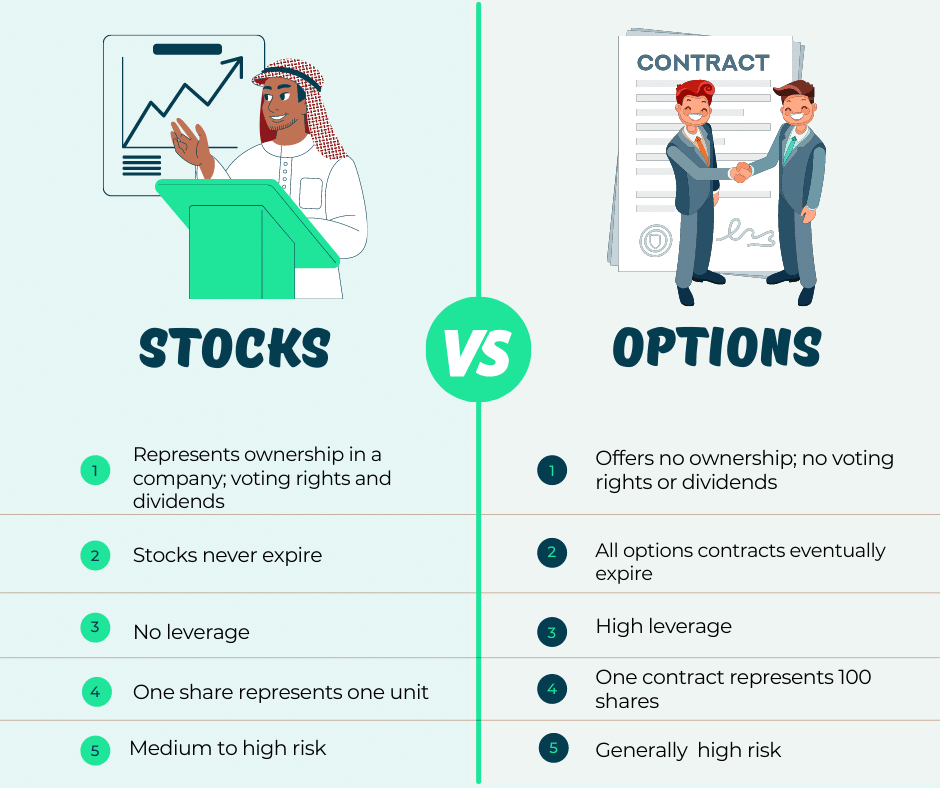
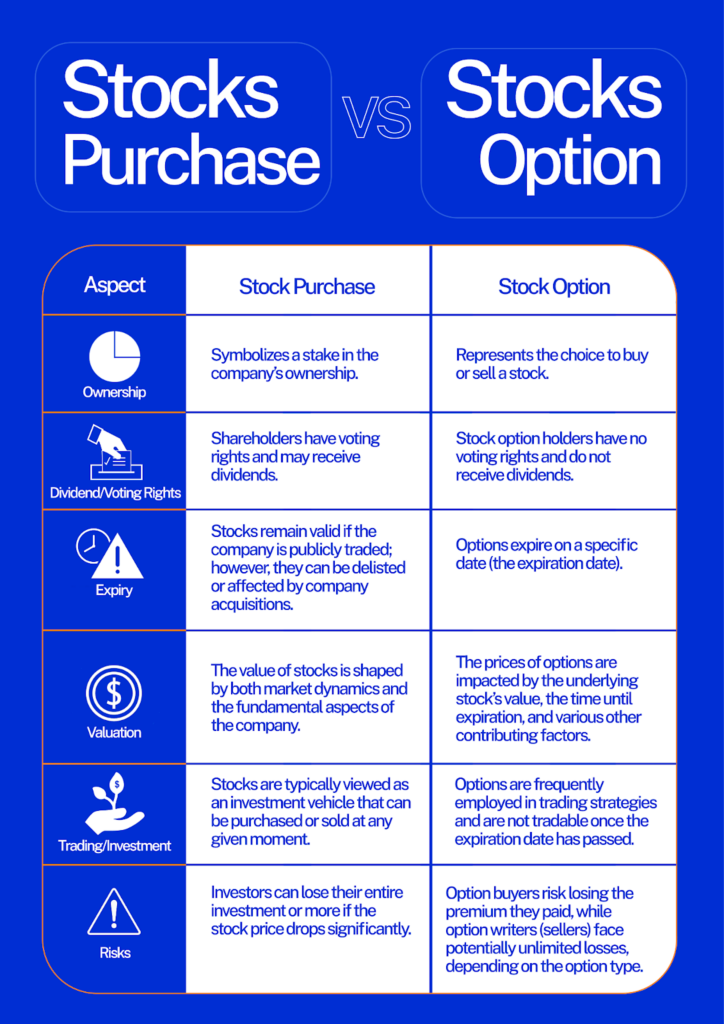
At its core, an option is a derivative contract. This means its value is derived from an underlying asset—typically stocks, exchange-traded funds (ETFs), or commodities. Unlike owning a stock, where you hold a piece of a company, an option represents a contract that gives you specific rights for a predetermined period.
What is an Option?
An option is a contract that grants the buyer the right, but not the obligation, to buy or sell an underlying asset at a specified price (the strike price) on or before a certain date (the expiration date). For this right, the buyer pays a fee to the seller, known as the “premium.”
The “no obligation” clause is what makes options unique. If a trade does not go as planned, the buyer can simply let the option expire worthless, losing only the premium paid. Conversely, the seller (or “writer”) of the option is obligated to fulfill the contract if the buyer chooses to exercise their right.
Calls vs. Puts: The Core Components
All options trading revolves around two primary types of contracts: Calls and Puts.
- Call Options: A call gives the holder the right to buy an asset. Investors typically buy calls when they are bullish, expecting the price of the underlying asset to rise. If the stock price climbs above the strike price, the call holder can buy the stock at a discount or sell the contract for a profit.
- Put Options: A put gives the holder the right to sell an asset. Investors buy puts when they are bearish, expecting the price to fall. This acts as a form of insurance; if the stock price drops, the put holder can still sell their shares at the higher strike price, effectively protecting their capital.
The Mechanics: Premium, Strike Price, and Expiration
To navigate the options market, one must master the terminology that dictates a contract’s value.
- The Strike Price: This is the “anchor” of the contract—the price at which the asset can be bought or sold.
- The Expiration Date: Options are wasting assets. They have a shelf life. Once the expiration date passes, the contract ceases to exist.
- The Premium: This is the market price of the option. It is influenced by the proximity of the stock price to the strike price, the time remaining until expiration, and the volatility of the underlying asset.
The Strategic Role of Options in a Portfolio
While some use options for aggressive speculation, their primary value for many long-term investors lies in risk management and portfolio enhancement. By incorporating options, an investor can move beyond the “buy and hold” mantra into a more active, defensive, or income-oriented stance.
Hedging: Protecting Your Assets
The most common institutional use of options is hedging. Imagine you own 100 shares of a technology company that has grown significantly. You are worried about a potential market correction but do not want to sell your shares and trigger a capital gains tax event. By purchasing a “protective put,” you essentially buy an insurance policy. If the market crashes, the gain on your put option will offset the loss on your stock holdings, creating a floor for your potential losses.

Income Generation: The Covered Call Strategy
For conservative investors, options provide a way to “rent out” their stocks. This is known as the covered call strategy. By selling a call option against shares they already own, the investor collects the premium immediately. If the stock price remains below the strike price, the investor keeps both the stock and the premium. This is a popular method for generating monthly income in a flat or mildly bullish market, effectively increasing the “yield” of a portfolio.
Speculation and Leverage
Options allow for significant leverage. Because one option contract typically controls 100 shares of the underlying stock, an investor can control a large position with a relatively small amount of capital. For instance, instead of spending $15,000 to buy 100 shares of a high-priced stock, an investor might spend $500 on a call option. If the stock moves up 5%, the stock investor gains $750 (a 5% return), but the option holder might see their $500 investment double or triple (a 200%+ return). However, this leverage is a double-edged sword, as the percentage losses can be equally dramatic.
Assessing the Risks and Rewards
The allure of high returns in options trading is often tempered by the reality of their complexity. Unlike stocks, which can theoretically be held forever while waiting for a recovery, options are bound by time and mathematical decay.
Time Decay (Theta) and Volatility (Vega)
In the world of options, time is money. This is measured by “Theta.” As an option approaches its expiration date, its value erodes, even if the stock price doesn’t move. This “time decay” accelerates in the final weeks of a contract’s life, favoring the seller over the buyer.
Additionally, “Vega” measures the option’s sensitivity to implied volatility. If the market expects a major event (like an earnings report), option premiums will swell. If the event passes and the market calms down, the “volatility crush” can cause the option’s price to plummet, even if the stock moved in the direction the investor predicted.
The Risk of Total Capital Loss
When you buy a stock, the company rarely goes to zero. Even in a bad year, you usually retain some equity. With options, however, if the stock does not reach the strike price by the expiration date, the contract expires worthless. For an option buyer, this results in a 100% loss of the principal invested. This “all-or-nothing” characteristic requires a disciplined approach to position sizing.
Complexity and Learning Curves
Options require a higher “financial IQ” than traditional equity investing. Investors must understand “The Greeks” (Delta, Gamma, Theta, Vega) to truly grasp how their positions will react to market shifts. Without this education, investors often find themselves confused as to why they lost money on a trade where they correctly predicted the stock’s direction.
Practical Steps to Get Started with Options
Entering the options market requires more than just a brokerage account; it requires a structural framework for decision-making and a commitment to continuous learning.
Choosing the Right Brokerage Platform
Not all brokers are created equal when it comes to derivatives. A good options broker provides robust analytical tools, such as probability calculators, volatility charts, and profit/loss diagrams. Furthermore, since options trading can involve high transaction volumes, looking for a broker with low per-contract fees is essential for maintaining profitability. You will also need to apply for “Options Levels” (Level 1-4), which indicate to the broker that you have the knowledge and capital to handle specific strategies.
Education and Paper Trading
The most expensive way to learn options is by using real money during the learning phase. Most reputable platforms offer “paper trading” simulators. These allow you to trade in real-time market conditions using virtual currency. Beginners should spend at least several months paper trading to see how time decay and volatility impact their theoretical P&L (Profit and Loss) before committing actual capital.
Risk Management Frameworks
Successful options traders operate like insurance companies, not gamblers. This means:
- Never risking more than 2-5% of your portfolio on a single trade.
- Having a predefined exit plan for both winning and losing scenarios.
- Diversifying strategies: Mixing income-generating trades (selling options) with directional trades (buying options).
By viewing options as a component of a broader financial plan rather than a “get rich quick” scheme, investors can harness the power of derivatives to navigate any market condition. Whether the market is trending up, sliding down, or moving sideways, there is an options strategy designed to capitalize on that movement—provided the investor has the discipline to execute it correctly.
aViewFromTheCave is a participant in the Amazon Services LLC Associates Program, an affiliate advertising program designed to provide a means for sites to earn advertising fees by advertising and linking to Amazon.com. Amazon, the Amazon logo, AmazonSupply, and the AmazonSupply logo are trademarks of Amazon.com, Inc. or its affiliates. As an Amazon Associate we earn affiliate commissions from qualifying purchases.