
The term “opioids” encompasses a broad class of drugs used primarily for pain management, ranging from legal prescription medications to illicit substances. While their primary function is biological, their legacy is undeniably financial. To understand what opioids are through the lens of business and finance, one must look past the chemistry and toward the market forces, corporate strategies, and the staggering economic toll they have exerted on global markets and personal wealth.
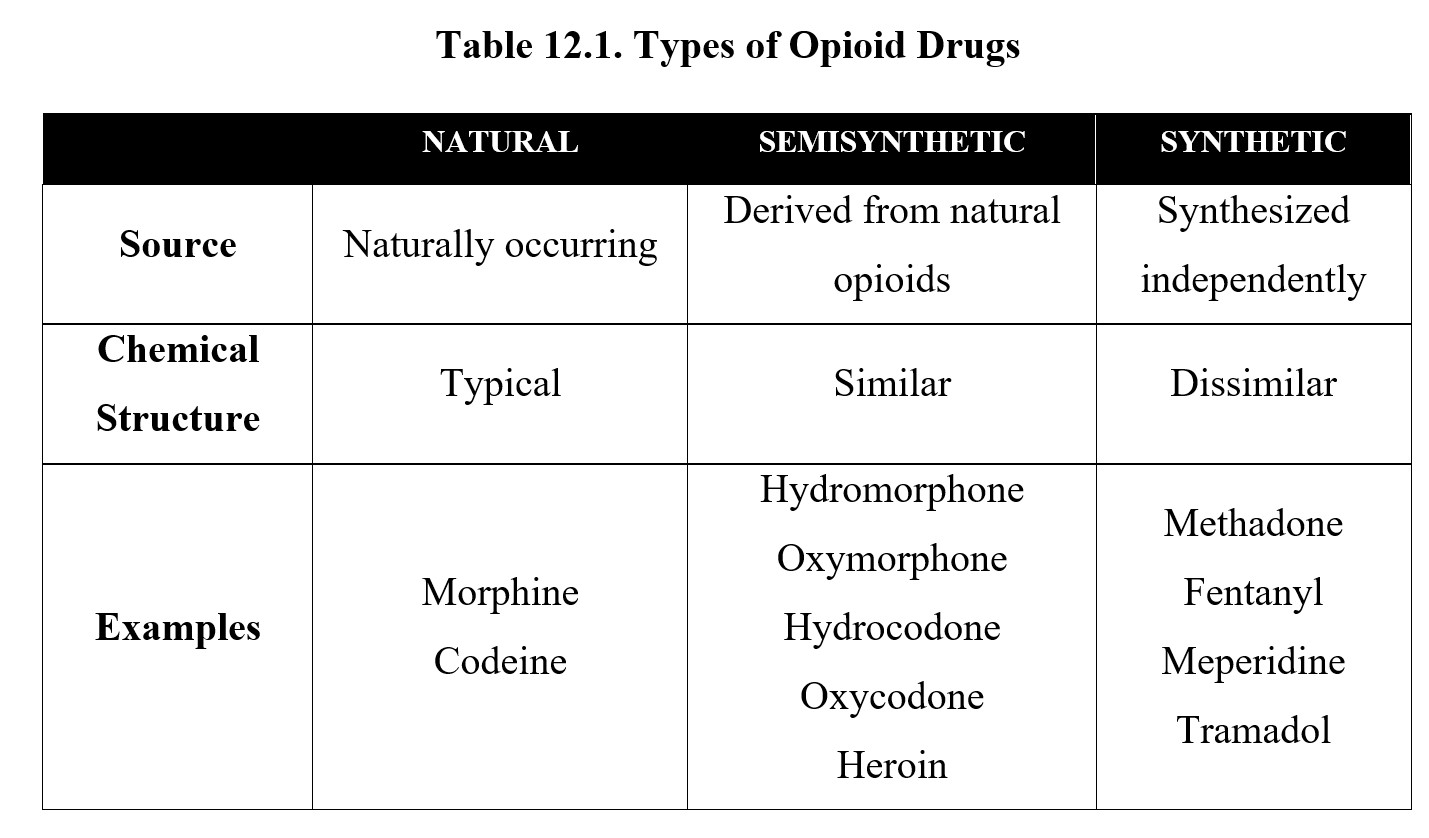
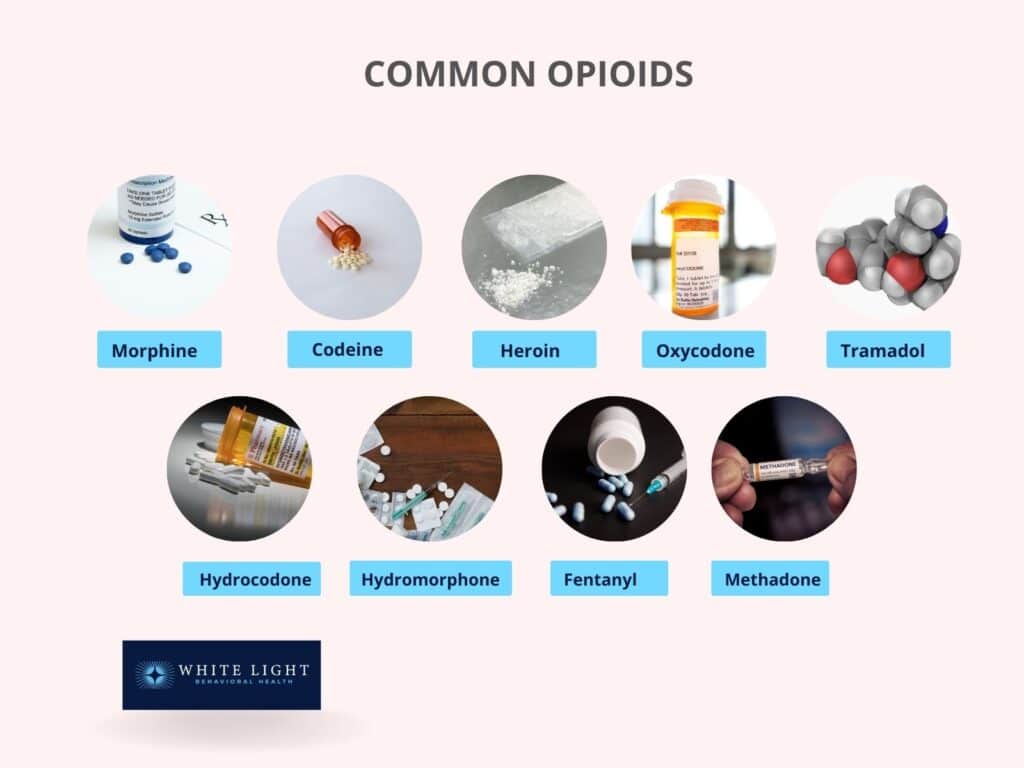
From a financial perspective, opioids represent one of the most significant shifts in pharmaceutical history—a transition from niche palliative care to a multi-billion-dollar mass-market commodity. Common examples of opioids include prescription medications such as Oxycodone (OxyContin), Hydrocodone (Vicodin), Morphine, and Fentanyl, as well as illegal substances like Heroin.
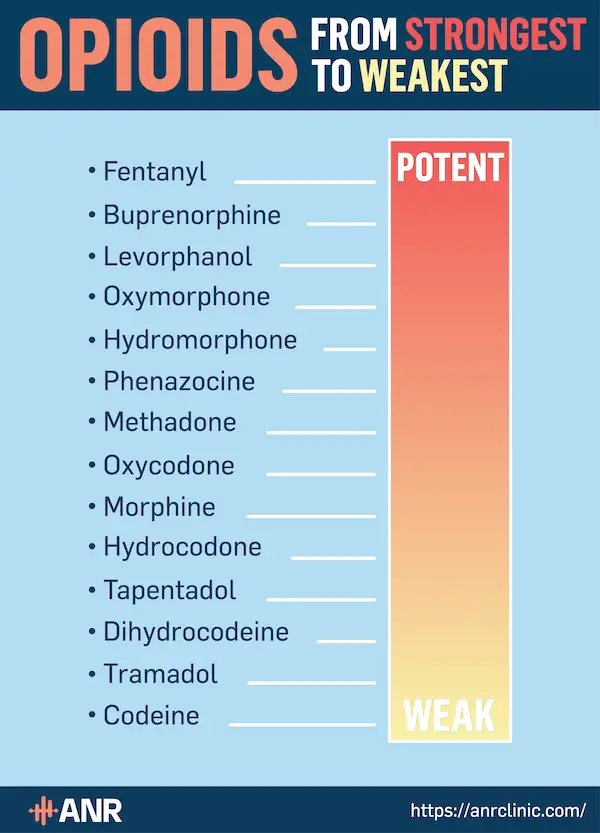
This article explores the financial landscape of opioids, examining how these substances moved from profit engines to massive liabilities, and how the “opioid economy” continues to shape investment strategies and public policy today.
The Business of Pain: How Opioid Examples Transformed Pharmaceutical Revenue
The commercialization of opioids in the late 1990s and early 2000s serves as a case study in aggressive pharmaceutical marketing and revenue maximization. For decades, opioids were reserved for end-of-life care or severe acute trauma. However, a strategic shift in “pain management” philosophy opened the floodgates for a new era of corporate profitability.
The Blockbuster Profitability of OxyContin
At the center of the opioid financial narrative is Purdue Pharma and its flagship product, OxyContin (oxycodone). By marketing the drug as a long-term solution for chronic, non-cancer pain, the company transformed a controlled substance into a “blockbuster” drug—a term used in the industry for products generating more than $1 billion in annual sales. At its peak, OxyContin generated billions in revenue, fueling the growth of private wealth and setting a precedent for how pharmaceutical companies could capitalize on high-volume, long-term prescriptions.
Market Saturation and the Role of Generics
While Purdue Pharma led the way, other players like Johnson & Johnson and Teva Pharmaceuticals entered the fray with their own opioid examples, such as fentanyl patches and generic hydrocodone. The financial incentive was clear: high patient retention. Because opioids are chemically addictive, the “customer lifetime value” (CLV) from a purely cold, financial standpoint was exceptionally high. This led to a saturated market where supply began to outpace legitimate medical need, creating a bubble that would eventually burst with catastrophic economic consequences.
The Influence of Distribution Chains
It wasn’t just the manufacturers who profited. The middle of the supply chain—the distributors like AmerisourceBergen, Cardinal Health, and McKesson—saw massive spikes in valuation. These companies acted as the logistical backbone, moving millions of units of opioids to pharmacies across the globe. For investors, these were considered “safe” stocks with consistent dividends, until the legal tide turned and the true cost of these business practices began to appear on the balance sheets.
The Liability Pivot: Legal Settlements and Corporate Restructuring
In the world of finance, risk management is paramount. For years, the risks associated with opioids were ignored in favor of quarterly earnings. Today, the “opioid examples” mentioned earlier are no longer seen as assets but as some of the largest legal liabilities in corporate history.
The Multi-Billion Dollar Settlement Landscape
The tide shifted when states, cities, and tribal nations began filing massive lawsuits against the opioid industry. The financial fallout has been unprecedented. In recent years, a global settlement framework saw major distributors and manufacturers agree to pay upwards of $26 billion to resolve thousands of lawsuits. This has forced companies to rethink their entire financial structure. For instance, Purdue Pharma’s move into Chapter 11 bankruptcy became a complex financial maneuver aimed at shielding the owners’ personal wealth while addressing trillions of dollars in claims.
Impact on Shareholder Value and Institutional Investing
For institutional investors, the opioid crisis served as a wake-up call regarding ESG (Environmental, Social, and Governance) criteria. The sudden devaluation of companies heavily involved in opioid production proved that social irresponsibility carries a heavy financial price. Many pension funds and large-scale investors have since divested from companies with high exposure to addictive substances, favoring “socially responsible” healthcare stocks instead. The volatility caused by opioid-related litigation has made the pharmaceutical sector a much more complex environment for traditional value investors.
Taxpayer Burden and Public Resource Allocation
The financial impact of opioids extends far beyond corporate boardrooms. The “Money” niche must also account for public finance. The cost of the opioid crisis to the U.S. economy alone is estimated to be over $1 trillion annually. This includes the cost of healthcare, criminal justice interventions, and the massive allocation of tax dollars toward emergency services and Narcan (naloxone) distribution. From a budgetary perspective, opioids have become a significant “leak” in municipal and federal budgets, diverting funds that could have been invested in infrastructure, education, or technology.
The Macroeconomic Toll: Lost Productivity and Human Capital
When we discuss “money,” we must discuss the most valuable asset in any economy: human capital. The widespread use of opioids has had a devastating effect on the labor market and national GDP.
The Cost of Lost Productivity
Opioid addiction disproportionately affects individuals in their prime working years. When a significant portion of the workforce is sidelined due to addiction or overdose, the economic output of a nation suffers. Economists have noted that the decline in labor force participation, particularly among men aged 25-54, correlates significantly with the rise in opioid prescriptions. This “missing labor” represents billions of dollars in lost wages, lower consumer spending, and reduced tax revenue, creating a drag on the entire economy.
Personal Bankruptcy and the High Price of Recovery
On a microeconomic level, the “examples” of opioids lead to the financial ruin of individuals and families. The cost of long-term rehabilitation, which can range from $10,000 to $60,000 per month for private facilities, often leads to personal bankruptcy. Furthermore, the loss of a breadwinner due to an opioid-related death leaves families with significant debt and no income, perpetuating a cycle of poverty that has long-term implications for social mobility and wealth distribution.
The Real Estate and Local Economy Impact
In regions hardest hit by the opioid crisis, such as parts of Appalachia or the “Rust Belt,” the financial impact is visible in the real estate market. High rates of addiction often correlate with declining property values, increased foreclosure rates, and the collapse of small-town economies. Investors are less likely to inject capital into regions where the workforce is compromised, leading to “economic deserts” where growth is stagnant and the cost of living—ironically—increases due to the high demand for social services.
The Future of the “Pain Economy”: Investing in Solutions
As the era of mass opioid prescriptions wanes, a new financial frontier is emerging. The market is shifting its focus from the substances themselves to the technology and services required to fix the damage.
Impact Investing in Addiction Recovery Tech
Venture capital is increasingly flowing into “HealthTech” startups focused on addiction recovery. This includes digital health platforms that offer remote counseling, AI-driven monitoring systems to prevent relapse, and new medical devices for non-opioid pain management. For the modern investor, this represents a shift from “vice” investing to “impact” investing—seeking a return on investment by solving a societal problem rather than exacerbating it.
The Rise of Non-Opioid Pharmaceutical Research
The pharmaceutical industry is now pouring billions into R&D for non-addictive pain relief. Companies that can successfully bring a non-opioid, high-efficacy analgesic to market stand to gain a massive competitive advantage. This represents a significant pivot in R&D spending, as firms seek to distance themselves from the legal and reputational risks associated with traditional opioid examples like morphine and oxycodone.
Insurance Premiums and the Healthcare Economy
Finally, the insurance industry is recalibrating its models. The high cost of treating opioid-related complications has led to rising premiums across the board. In the future, we may see “behavioral risk” play a larger role in how insurance is priced, with a greater emphasis on preventative care and non-pharmacological interventions. For businesses, managing the healthcare costs of an employee base impacted by opioids is a major line item that requires strategic financial planning.
Conclusion
The question “what are opioids examples” may begin as a medical inquiry, but the answer is deeply rooted in the world of finance and economics. From the billion-dollar profits of the early 2000s to the multi-trillion-dollar economic burden of the present day, opioids have fundamentally reshaped the pharmaceutical industry, the legal landscape, and the global labor market.
For investors, policymakers, and business leaders, the opioid crisis serves as a stark reminder that short-term profitability can lead to long-term systemic financial failure. As the economy pivots toward recovery and non-addictive alternatives, the legacy of opioids will remain a primary case study in the intersection of corporate strategy, public policy, and the true cost of human capital. Understanding these financial dynamics is essential for anyone looking to navigate the complex healthcare and investment sectors of the 21st century.
aViewFromTheCave is a participant in the Amazon Services LLC Associates Program, an affiliate advertising program designed to provide a means for sites to earn advertising fees by advertising and linking to Amazon.com. Amazon, the Amazon logo, AmazonSupply, and the AmazonSupply logo are trademarks of Amazon.com, Inc. or its affiliates. As an Amazon Associate we earn affiliate commissions from qualifying purchases.